Recipe
Servings
Servings 1×
Ingredients
- Pasta
- Broccoli
- Asparagus
- Carrots
- Zucchini
- Spinach
- Peas
- Tomatoes
- Garlic
- Lemon
- Cream
- Hard cheese
- Butter
- Cooking oil
- Salt
Method
- Use one big skillet and add vegetables in stages.
- Keep the heat high enough to sauté, not steam .
- Cut your vegetables small and consistently.
- Add lemon juice near the end, then taste again.
Pasta primavera has a reputation for being “restaurant springtime on a plate.” At home, it can also be “why did I dirty every pan I own?” Let’s fix that. This is primavera for real life: a big, colorful pile of vegetables, pasta cooked properly, and a glossy sauce that’s basically olive oil + lemon + starchy pasta water doing their best work. If you’re hunting for simple pasta recipes that actually taste bright (not bland), this one’s your new weeknight move.
Bright, Glossy, Not Watery: The Primavera Technique That Makes It Work
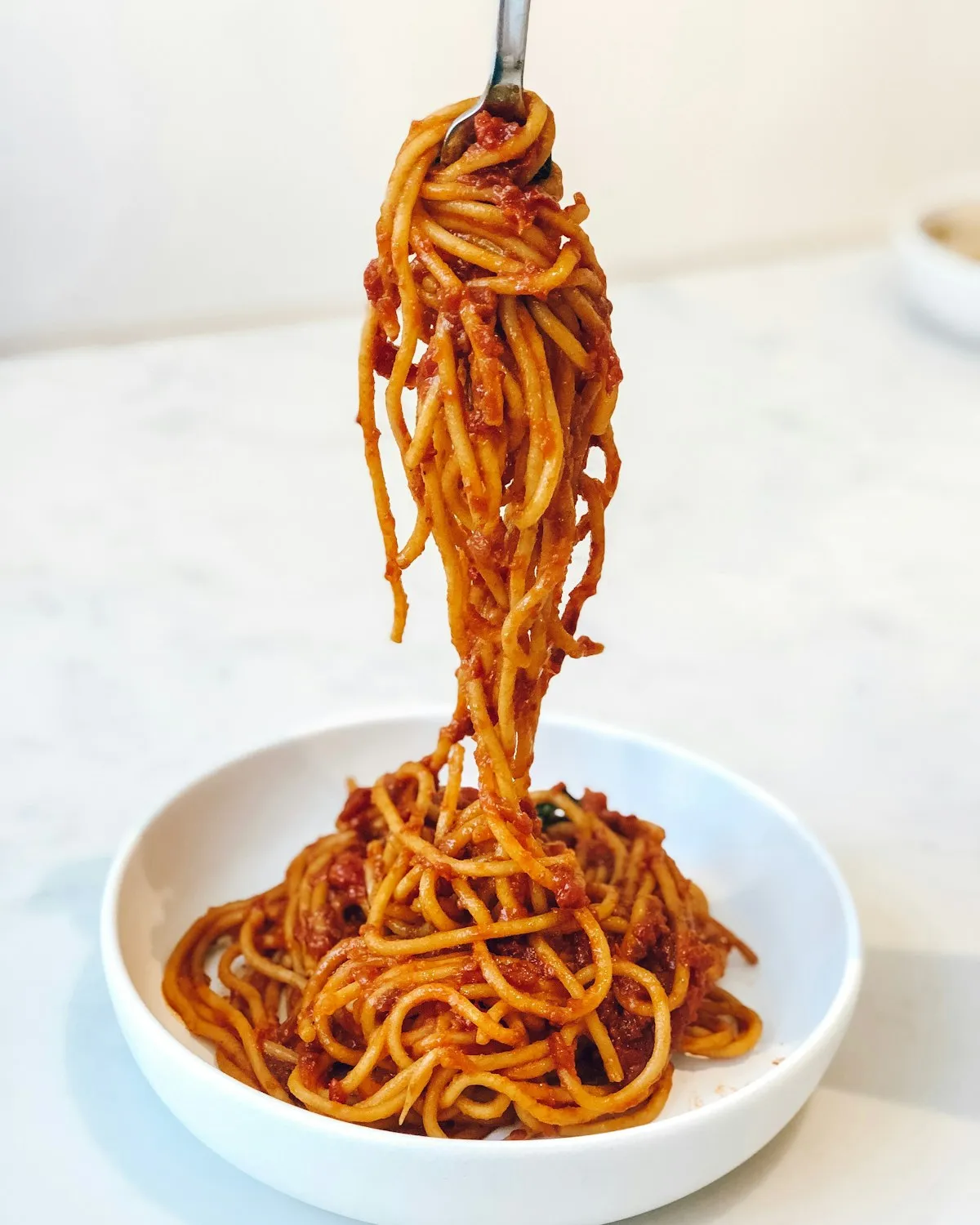
Primavera lives or dies on texture. You’re aiming for vegetables that are tender-crisp and sweet, not limp and sad. Do the following and you’ll get that “fresh” taste even if it’s Tuesday and you’re running on fumes.
Treat vegetables like they have different cooking speeds (because they do)
Don’t throw every veggie into the pan at once and hope for the best. Vegetables are basically a lineup of different water contents and cell structures:
- Firm veg (carrots, broccoli stems, asparagus stalks) need a head start because their cell walls take longer to soften.
- Middle-speed veg (bell peppers, zucchini, snap peas) cook fast but can still brown a little if you give them space.
- Fast veg (garlic, cherry tomatoes, spinach, peas) should show up late so they stay bright and don’t turn to mush.
Use one big skillet and add vegetables in stages. Keep the heat high enough to sauté, not steam. If you crowd the pan, moisture dumps out, temperature drops, and suddenly you’re “boiling” vegetables in their own tears.
Cut for speed, not for aesthetics
Want simple pasta recipes that are actually quick? Cut your vegetables small and consistently. Thin slices and ribbons cook quickly and evenly, so you don’t have to stand there babysitting.
- Slice zucchini into half-moons, not thick coins.
- Shave carrots into ribbons (peeler = instant upgrade).
- Chop asparagus into 1-inch pieces (keep tips bigger; they cook fast).
- Halve tomatoes so they warm through and soften without disappearing.
This isn’t fussy: this is how you get dinner on the table without sacrificing texture.
Salt the pasta water like you mean it
This is non-negotiable. Pasta absorbs water as it cooks, which means it also absorbs seasoning. If your water is under-salted, you’ll end up trying to “fix” the whole dish at the end and it’ll taste flat.
Also: cook the pasta al dente. You’re going to finish it in the skillet, and overcooked pasta plus overcooked vegetables equals a bowl of beige regret.
Use pasta water as your sauce engine
The “sauce” in a classic, lighter primavera isn’t cream: it’s starch + fat + acid.
- Pasta water contains dissolved starch.
- Olive oil (and optionally a little butter) provides fat.
- Lemon juice/zest brings brightness and balances sweetness from cooked vegetables.
When you toss hot pasta with vegetables, then add a splash of pasta water, the starch helps emulsify the oil into a silky coating. That’s why the dish looks glossy instead of greasy.
Add cheese off heat so it melts, not clumps
Parmesan is a protein-and-fat situation. If you dump it into a violently boiling pan, it can tighten up and clump. Pull the skillet off the heat, then toss with cheese and a small splash more pasta water. You’re building a light, clingy coating: not a stringy cheese event.
Keep the lemon for the finish
Heat dulls acidity. Add lemon juice near the end, then taste again. If the dish feels heavy or a little “same-y,” it usually needs more acid, not more salt.
Variations That Still Count as “Simple” (No Chaos Allowed)
The beauty of primavera is that it’s basically a flexible method wearing a spring jacket. Use what you have: but keep the technique rules above, or the vibe collapses.
1) The “Clean & Bright” Olive Oil Primavera
If you want lighter healthy dinner ideas, keep it simple: olive oil, lemon zest, lemon juice, herbs, and Parmesan. Don’t add cream. Do add a little extra pasta water so everything stays slick and glossy.
Use basil and parsley for a classic flavor profile. Add red pepper flakes if you want it to taste less “polite.”
2) The “Slightly Creamy” Weeknight Primavera
If your household associates “pasta” with “comfort,” add a small splash of cream (or a spoon of mascarpone) at the end: but still use pasta water. The goal is silky, not soupy.
Keep the lemon. Acid is what stops creamy primavera from feeling heavy.
3) Roasted-Veg Primavera (More flavor, less stirring)
Roast sturdy vegetables (carrots, peppers, zucchini, onions) on a sheet pan until lightly caramelized, then toss with hot pasta and finish with lemon and cheese. Sauté quick veg (peas, asparagus tips) briefly so they stay green and snappy.
Use this when you want hands-off quick family meals without compromising flavor.
4) Protein add-ins (choose one, don’t overcrowd)
Primavera doesn’t need protein, but you might. Add one option and keep it simple:
- Shrimp (fast, sweet, loves lemon)
- Chicken (use leftovers, don’t overthink it)
- White beans or chickpeas (easy pantry move)
Avoid adding three proteins “because variety.” You’re making dinner, not hosting a buffet.
5) Pasta shape swaps that actually make sense
- Long pasta (linguine/spaghetti): great when you want that glossy, twirlable coating.
- Short pasta (penne/fusilli): better when you want vegetables tucked into every bite.
Either works. Just don’t overcook it.
Side Dish Pairings (Balance the Plate, Don’t Compete With It)
Primavera is already vegetable-forward, so sides should either add crunch and acid or round it out with protein. Keep it calm.
- Arugula salad with lemon vinaigrette: Peppery greens + acidity cut through the richness of cheese and olive oil. Keep it minimal: this is a supporting actor.
- Garlic bread (lightly): If you’re feeding hungry people, add something carby and crunchy. Avoid drowning it in butter; the pasta already has fat.
- Simple roasted mushrooms: Deep umami balances the bright lemony flavor. Roast hot so they brown instead of steaming.
- Crisp cucumber-tomato salad: Cold, crunchy, and acidic next to warm pasta is a legit power move.
If you’re building out air fryer recipes dinner nights, add a quick air-fried vegetable side (think green beans or broccoli) for extra crunch: just keep seasoning simple so it doesn’t bully the pasta.
For more weeknight pasta vibes, check Cookpedia’s internal recipe: Spicy Tomato Basil One-Pot Linguine (Perfect Glossy Sauce).
FAQ: Troubleshooting Simple Pasta Primavera Like a Grown-Up
Why did my vegetables turn soggy?
You likely did one (or all) of these:
- Cooked everything at once (fast veg overcooked while firm veg finally got tender).
- Crowded the pan, so the vegetables steamed instead of sautéed.
- Used heat that was too low.
Fix it next time: Cook in stages, use a big skillet, keep the heat up, and don’t stir constantly. Let vegetables sit so they get a little browning.
Why is my primavera watery?
Vegetables release water as they cook, especially zucchini and tomatoes. If you combine that with low heat, you end up simmering instead of sautéing.
Fix it: High heat + space in the pan. Also, let the liquid reduce briefly before adding pasta. Use pasta water intentionally (a splash at a time) instead of adding random extra liquid.
What if I forgot to reserve pasta water?
Don’t panic. Grab a mug and scoop some from the pot before draining: unless you already drained it. If you already drained it, use hot water and accept that the sauce will be slightly less silky.
Non-negotiable lesson: Reserve it every time. It’s the secret sauce for many simple pasta recipes.
Why is my pasta bland even though I salted at the end?
Because pasta needs salt while it cooks. Salting afterward seasons the surface only, and the flavor doesn’t sink in the same way.
Fix it: Salt your water aggressively (it should taste pleasantly salty), then season the final dish to taste.
Why did the cheese clump or get stringy?
Cheese clumps when it hits high heat without enough moisture to melt smoothly.
Fix it: Turn off the heat, add a splash of pasta water, then toss in the cheese. Keep tossing. Don’t dump all the cheese in one spot like you’re salting a sidewalk.
Can I make it ahead for meal prep?
You can, but understand the tradeoff: pasta keeps cooking as it sits, and vegetables soften over time.
Do this: Undercook the pasta slightly, keep vegetables a touch crisp, and store with a little extra sauce moisture (a drizzle of olive oil helps). Reheat gently with a splash of water to loosen.
What vegetables work best if I’m cleaning out the fridge?
Great choices: bell peppers, carrots, broccoli, asparagus, peas, spinach, snap peas, mushrooms, cherry tomatoes, zucchini.
Avoid (or use carefully): very watery veg (lots of zucchini) unless you sauté hot and fast. Also avoid mixing too many bitter greens without balancing them with lemon and cheese.
How do I make it feel more “complete” for quick family meals?
Add one of these:
- A protein (shrimp, chicken, beans)
- A crunchy salad
- A simple side veg with acidity
Keep the main dish vegetable-heavy and bright. That’s the point.
Is pasta primavera actually one of those healthy dinner ideas?
It can be: depending on your choices. Use lots of vegetables, keep the sauce light (olive oil + lemon + pasta water), and go easy on cheese and cream. Portion pasta reasonably and let the vegetables do the heavy lifting.
{“@type”:”Article”,”about”:[“Pasta”,”Vegetable pasta”,”Pasta primavera”,”Weeknight cooking”],”image”:[“https://cdn.marblism.com/lABnS6pGPUW.webp”,”https://cdn.marblism.com/YJi7cIaUb94.webp”,”https://cdn.marblism.com/9Yvjx7rJ3PW.webp”,”https://cdn.marblism.com/fbfCinODzQG.webp”,”https://cdn.marblism.com/W8xT1nrCmJo.webp”],”author”:{“url”:”https://cookpedia.com”,”name”:”Cookpedia”,”@type”:”Organization”},”@context”:”https://schema.org”,”headline”:”Simple Pasta Primavera”,”publisher”:{“url”:”https://cookpedia.com”,”name”:”Cookpedia”,”@type”:”Organization”},”dateModified”:”2026-06-01″,”datePublished”:”2026-06-01″,”mainEntityOfPage”:{“@id”:”https://cookpedia.com”,”@type”:”WebPage”},”isAccessibleForFree”:true}