Recipe
Servings
Servings 1×
Ingredients
- Pasta
- Noodles
- Tomatoes
- Garlic
- Feta
- Cooking oil
- Salt
Method
- Prepare the ingredients described in the article and heat the cooking surface or oven as directed.
- Cook the main ingredients using the heat and timing guidance in the article.
- Finish with the seasonings and garnishes named in the article, then serve.
You know those nights when the fridge looks empty, the clock is ticking, and the last thing you want to do is spend an hour over a stove? I’ve been there more times than I can count. This is exactly where my simple pasta with sun-dried tomatoes and feta comes to the rescue. It is the ultimate "pantry pull" that feels like a gourmet meal from a sun-drenched bistro in the Mediterranean, yet it comes together faster than most delivery apps can even find a driver.
This dish is a staple in my rotation of quick family meals because it relies on high-impact ingredients that do the heavy lifting for you. It’s soulful, vibrant, and carries that perfect balance of salty, sweet, and tangy. But to turn a few jarred ingredients into a restaurant-quality pasta dish, you need to understand a little bit of the kitchen magic happening behind the scenes.
The Science of the Glossy Emulsion
The difference between a "dry" pasta dish and one that feels luxuriously silky is a scientific process called emulsification. When you toss pasta with oil and cheese, the oil often just slides to the bottom of the bowl, leaving you with greasy noodles and dry clumps of feta. To avoid this, you must master the use of "liquid gold", otherwise known as your starchy pasta water.
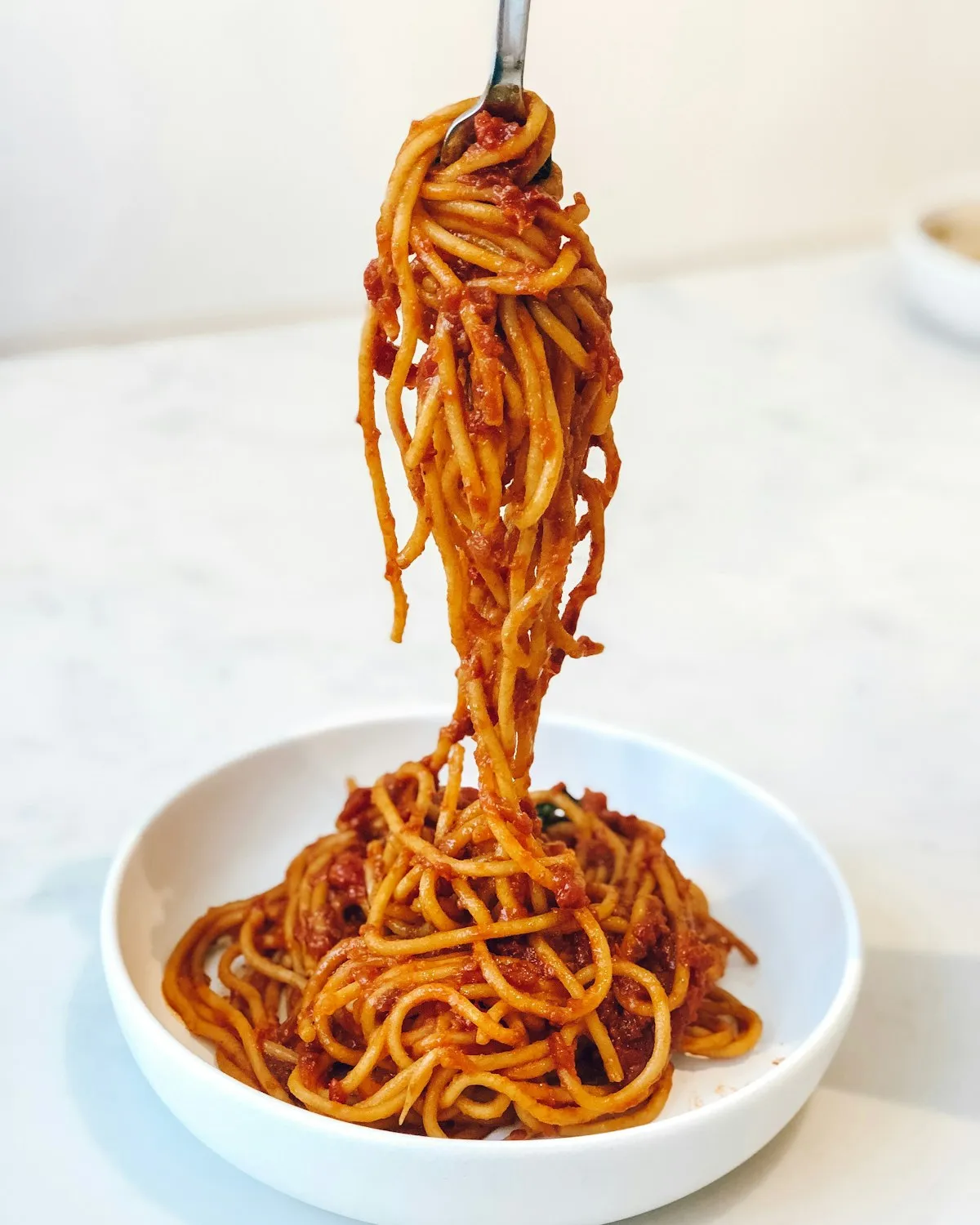
Why Pasta Water is Non-Negotiable
As your pasta boils, it releases amylose and amylopectin (starches) into the water. This cloudy liquid is a powerful binding agent. When you whisk this starchy water into a mixture of oil and softened feta, the starch molecules act as a bridge between the fat and the water. This creates a stable emulsion that clings to every single strand of pasta. Never, under any circumstances, rinse your pasta. Rinsing washes away the very starch you need for that beautiful cling.
Temperature and Agitation
Use the heat to your advantage. When you add the feta to the hot pasta, the proteins (specifically casein) start to relax and soften. By tossing the pasta vigorously with the reserved water and the tomato oil, you are physically breaking the fats into tiny droplets that stay suspended in the starchy liquid. This is what gives the sauce its body and sheen.
Choose Your Fats Wisely
If you are using sun-dried tomatoes packed in oil, do not throw that oil away! Use it as the base of your sauce. That oil is infused with the concentrated essence of the tomatoes and often contains herbs like oregano or garlic. It is far more flavorful than plain olive oil. If you are looking for healthy dinner ideas, remember that high-quality fats like these are essential for absorbing the nutrients in your vegetables.
The Salting Strategy
Salt your pasta water until it tastes like the sea. This is your only chance to season the pasta from the inside out. However, be mindful that feta is naturally very salty. Avoid adding extra salt to the final sauce until you have tasted it. The balance of the salty feta against the sweet, concentrated sun-dried tomatoes is delicate; you don't want to tip the scales too far.
Variations to Keep It Fresh
The beauty of a simple base is that it invites creativity. While the sun-dried tomato and feta duo is a powerhouse, you can easily pivot based on what you have in the pantry or your specific dietary goals.
- The Green Boost: Toss in a handful of fresh baby spinach or arugula right at the end. The residual heat from the pasta will wilt the greens in seconds without turning them into mush. This is one of my favorite ways to turn this into one of those healthy dinner ideas that feels like a full meal.
- The Protein Power-Up: If you have leftover grilled chicken or shrimp, this is the perfect home for it. For a crispy texture, you might even consider some air fryer recipes dinner hacks, like air-frying some chickpeas until crunchy and tossing them in at the end for a plant-based protein hit.
- A Kick of Heat: Add a pinch of red chili flakes to the oil before tossing the pasta. The fat in the oil will carry the capsaicin (the heat) throughout the entire dish, giving it a gentle, warming glow that cuts through the richness of the cheese.
- Toasted Crunch: Top the finished dish with toasted pine nuts or slivered almonds. The textural contrast between the creamy feta and the crunch of the nuts elevates the entire experience.
Side Dish Pairings for Perfect Balance
When you have a dish as rich and umami-forward as this pasta, you want side dishes that provide a "reset" for your palate. This usually means looking for acidity and crunch.
The Arugula Reset: A simple arugula salad with a bright lemon vinaigrette is my go-to. The peppery bite of the arugula and the sharp acidity of the lemon juice cut right through the saltiness of the feta, making each bite of pasta feel as fresh as the first.
Charred Vegetables: If you want something more substantial, try charred broccoli or asparagus. You can quickly prepare these alongside your pasta, perhaps even looking into air fryer recipes dinner techniques to get those crispy edges without a lot of extra oil. The smoky notes of charred veg complement the deep, concentrated flavor of the sun-dried tomatoes beautifully.
Garlic Bread: For a truly soulful experience, a piece of crusty sourdough rubbed with a raw garlic clove and drizzled with olive oil is a must. It’s perfect for mopping up any leftover sauce at the bottom of the bowl. We’re all about "real food" here, and there’s nothing more real than good bread and garlic.
Frequently Asked Questions
What if my sauce is still too dry?
Don't panic. This is usually a sign that you didn't use enough pasta water or that the pasta absorbed it too quickly. Add more reserved pasta water, one tablespoon at a time, and keep tossing. The movement is just as important as the liquid. If you’ve already thrown out the pasta water, a tiny splash of warm vegetable broth or even a little more tomato oil can help, though the starch in the water is the gold standard for a reason.
Can I use dry-packed sun-dried tomatoes?
Yes, but they require an extra step. Dry-packed tomatoes are often very chewy and tough. Soak them in hot water for about 10–15 minutes until they are pliable. Drain them well and pat them dry before using. You will lose the benefit of the infused oil, so be sure to use a high-quality extra virgin olive oil to compensate for that missing flavor layer.
How do I prevent the feta from becoming grainy?
Graininess happens when the feta is exposed to extreme, direct heat for too long, which causes the proteins to tighten up and push out moisture. Always add your feta at the very end. Turn off the heat on the stove before you start the final toss. The residual heat of the pasta and the water is more than enough to soften the cheese into a creamy state without breaking it down into grains.
Is this recipe suitable for quick family meals?
Absolutely. Since the "sauce" doesn't actually require a long simmering time, the entire meal is ready in the time it takes to boil the water and cook the pasta. It’s one of those reliable wins for busy weeknights when you want to feed your family something that feels made with love, not just out of a box.
Can I make this gluten-free?
You can, but keep in mind that gluten-free pasta releases a different kind of starch. Some brands result in very "foamy" water, while others don't release much at all. If you find your gluten-free pasta water isn't doing the job, a tiny knob of butter added during the tossing phase can help create the emulsion you’re looking for.
How do I store and reheat leftovers?
Pasta with an emulsified sauce is always best served fresh. However, if you have leftovers, store them in an airtight container. When reheating, add a teaspoon of water or oil to help "loosen" the sauce back up. Avoid the microwave if possible; a quick toss in a warm skillet is the best way to revive the texture without making the pasta mushy.
{“@type”:”FAQPage”,”@context”:”https://schema.org”,”mainEntity”:[{“name”:”What if my sauce is still too dry?”,”@type”:”Question”,”acceptedAnswer”:{“text”:”Add more reserved pasta water, one tablespoon at a time, and keep tossing. The movement helps create the emulsion. If you’ve already discarded the water, a splash of warm broth or oil can help.”,”@type”:”Answer”}},{“name”:”Can I use dry-packed sun-dried tomatoes?”,”@type”:”Question”,”acceptedAnswer”:{“text”:”Yes, but soak them in hot water for 10-15 minutes first to soften them. Be sure to use high-quality olive oil since you won’t have the infused oil from a jar.”,”@type”:”Answer”}},{“name”:”How do I prevent the feta from becoming grainy?”,”@type”:”Question”,”acceptedAnswer”:{“text”:”Add the feta at the very end and turn off the heat first. The residual heat of the pasta is enough to soften it without causing the proteins to tighten and become grainy.”,”@type”:”Answer”}},{“name”:”Is this recipe suitable for quick family meals?”,”@type”:”Question”,”acceptedAnswer”:{“text”:”Yes, it is ready in the time it takes to boil and cook the pasta, making it a perfect solution for busy weeknights.”,”@type”:”Answer”}},{“name”:”Can I make this gluten-free?”,”@type”:”Question”,”acceptedAnswer”:{“text”:”Yes, but since gluten-free pasta water behaves differently, you may need to add a small knob of butter to help the sauce emulsify properly.”,”@type”:”Answer”}}]}