Recipe
Servings
Servings 1×
Ingredients
- Lentils
- Chickpeas
- Beans
- Pasta
- Noodles
- Bread
- Broccoli
- Asparagus
- Green beans
- Mushrooms
- Tomatoes
- Lemon
- Balsamic vinegar
- Butter
- Salt
Method
- Prepare the ingredients described in the article and heat the cooking surface or oven as directed.
- Cook the main ingredients using the heat and timing guidance in the article.
- Finish with the seasonings and garnishes named in the article, then serve.
There is a specific kind of kitchen magic that happens when you take three basic ingredients and transform them into something that tastes like a five-star meal. I’m talking about the soul-satisfying simplicity of brown butter and sage pasta. When you are short on time but craving something that feels like a warm hug, this is the dish you turn to. It’s one of those quick family meals that proves you don’t need a pantry full of exotic spices to achieve high-impact flavor. All it takes is a little bit of science, a watchful eye, and a few minutes at the stove.
The Chemistry of Flavor: Mastering the Maillard Reaction
To truly master this dish, you have to understand what is happening inside your skillet. We aren't just melting butter; we are performing a culinary transformation known as the Maillard reaction. This is the chemical reaction between amino acids and reducing sugars that gives browned food its distinctive, nutty, and savory flavor.
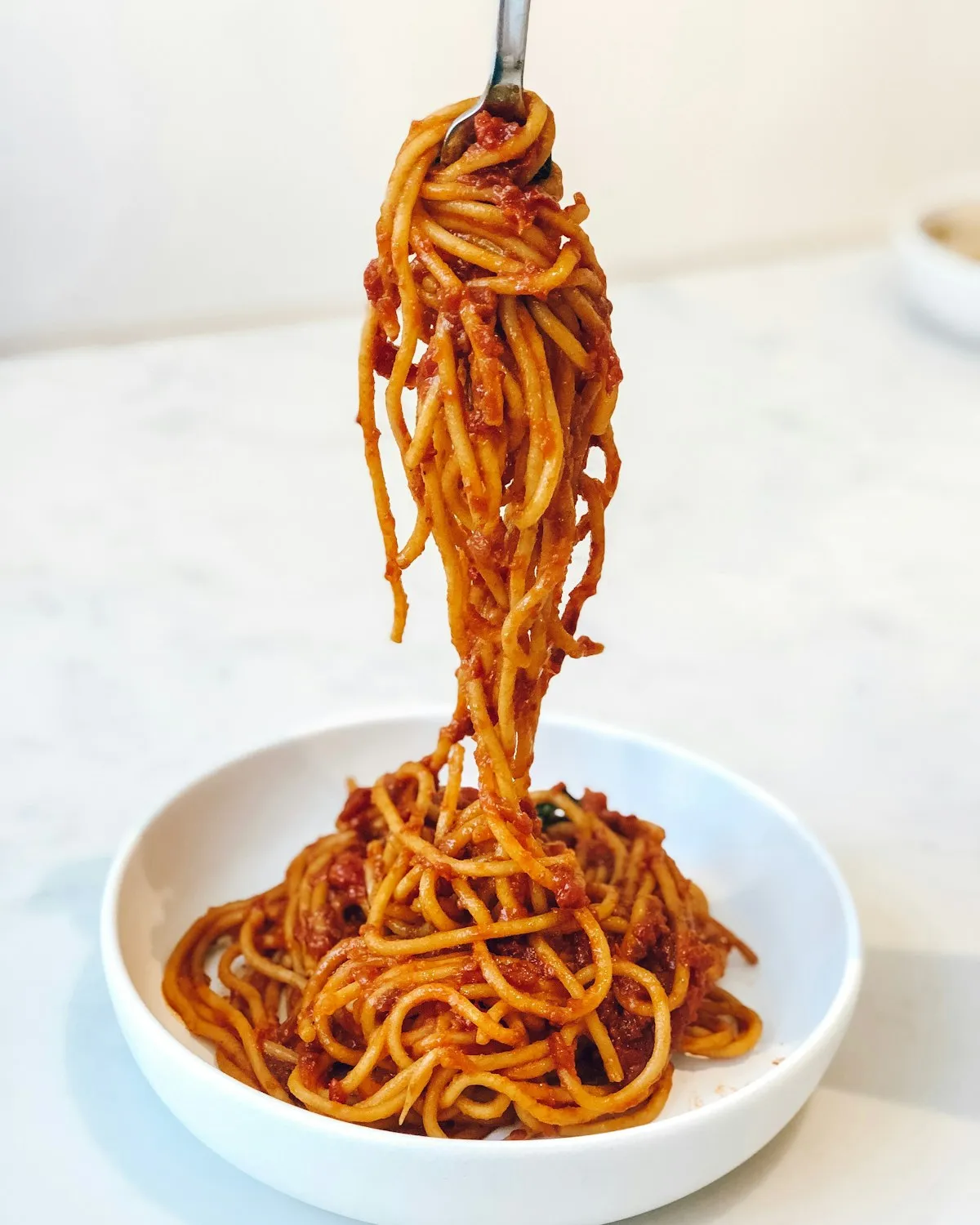
When you heat butter, the water content begins to evaporate, which is why you hear that characteristic sizzling and popping. Once the water is gone, the milk solids, those tiny proteins and sugars, settle to the bottom. This is where the magic happens. As the temperature rises, these solids begin to toast. You must watch the pan closely during this stage. Use a light-colored pan if possible; it makes it much easier to see the color shift from pale yellow to a deep, golden amber.
The moment you smell a scent reminiscent of toasted hazelnuts, you’ve reached the sweet spot. Avoid walking away from the stove at this point, as the line between "perfectly browned" and "bitterly burnt" is incredibly thin. Check the bottom of the pan for those tiny brown flecks, that is where the concentrated flavor lives.
Frying the Sage
Adding fresh sage leaves directly into the foaming butter serves two purposes. First, the sage leaves fry in the hot fat, becoming delightfully crisp and brittle. Second, the leaves release their fat-soluble aromatic oils, infusing the entire batch of butter with an earthy, peppery depth. The moisture from the fresh leaves also helps to slightly slow down the browning of the milk solids, giving you a wider window of control. Do not use dried sage here; the texture and flavor profile simply won't translate to the finished dish.
The Starchy Secret of Emulsification
The biggest mistake home cooks make with brown butter pasta is treating the butter like a simple topping. If you just pour melted butter over dry pasta, it will pool at the bottom of your bowl, leaving the noodles greasy and the flavor disconnected. To create a true sauce, you must emulsify the fat with starchy pasta water.
Reserve at least a cup of the water before you drain your pasta. This liquid is liquid gold; it’s packed with starch released from the noodles. When you toss the pasta into the skillet with the brown butter and a splash of this water, the starch acts as a bridge, binding the fat and the water together. Use a vigorous tossing motion. This agitation breaks the butter into microscopic droplets that become suspended in the starchy liquid, creating a glossy, creamy sauce that clings to every strand of pasta.
Creative Variations: Elevating the Basics
While the classic version is perfection, there are plenty of ways to adapt this recipe to fit your lifestyle or whatever you happen to have in the fridge. If you are looking for healthy dinner ideas, try swapping the traditional wheat pasta for a high-protein chickpea or lentil-based noodle. The nuttiness of the brown butter complements the earthiness of legume pastas beautifully.
For a bit of textural contrast, add a handful of toasted walnuts or pine nuts during the final tossing phase. The crunch balances the silkiness of the sauce. If you want to lean into the autumnal vibes, a spoonful of pumpkin purée stirred into the butter-water emulsion creates a velvety, vibrant sauce that feels incredibly indulgent without much extra effort.
If you want to add protein, seared scallops or a piece of flaky white fish are excellent companions. The browned milk solids in the sauce echo the caramelized crust of a perfectly seared scallop. For a vegetarian boost, toss in some roasted butternut squash or sautéed mushrooms. The key is to keep the additions simple so you don't overshadow the delicate balance of the sage and butter.
Balancing the Richness: Side Dish Pairings
Because brown butter is inherently rich and "heavy" on the palate, you want to pair it with sides that offer acidity and brightness to cut through the fat. A crisp, bitter green salad is my go-to recommendation.
Try an arugula and shaved fennel salad dressed with a sharp lemon vinaigrette. The peppery bite of the arugula and the citrusy acid of the lemon act as a palate cleanser, making each bite of pasta taste as fresh as the first. If you prefer cooked vegetables, consider roasting some broccoli or asparagus. Actually, if you're looking to save time, you can find plenty of quick vegetable accompaniments in our collection of air fryer recipes dinner ideas. A quick blast of high heat on some lemon-zested green beans provides the perfect char and snap to accompany your soft, buttery pasta.
Another excellent pairing is a simple plate of sliced heirloom tomatoes with a sprinkle of flaky sea salt and a drizzle of balsamic glaze. The natural acidity of the tomatoes provides a beautiful counterpoint to the toasted notes of the butter. Check out our gallery for more visual inspiration on how to plate these vibrant combinations.
FAQ: The Science of Success
Why did my butter turn black instead of brown?
This usually happens because the heat was too high or the pan was too thin. Use medium heat and a heavy-bottomed pan for even heat distribution. If your butter starts to smoke, it’s too hot. Take it off the heat immediately. If it turns black and smells acrid, discard it and start over, burnt butter solids are bitter and will ruin the dish.
Can I use salted butter?
Yes, you can, but be very careful with the salt you add later. Brown butter concentrates flavors as the water evaporates, so the saltiness will become more pronounced. I prefer using unsalted butter so I have total control over the seasoning, especially since the pasta water is already salted.
My sauce is watery and won't stick to the pasta. What happened?
You likely didn't have enough starch in your water or you didn't agitate the pan enough. Ensure you aren't using a massive pot of water for a small amount of pasta; the more concentrated the starch, the better the emulsion. Give the pan a good shake and toss the pasta vigorously while adding the water a tablespoon at a time.
Can I make the brown butter in advance?
Absolutely. You can brown a large batch of butter and store it in a jar in the fridge. However, you will miss out on the "fried" texture of the fresh sage if you don't do that part live. To use pre-made brown butter, simply melt it in the skillet, add your fresh sage to crisp it up, and then proceed with the pasta water emulsion as usual.
Does the type of pasta matter?
While you can use any shape, wider ribbons like pappardelle or fettuccine are traditional because they provide more surface area for the emulsion to coat. If you use a tubular pasta like penne, the sauce will hide inside the tubes, which is also a delightful experience!
Cooking doesn't have to be complicated to be extraordinary. By focusing on the "why" behind the browning and the "how" of the emulsion, you can turn a few humble ingredients into a centerpiece meal. Take your time with the butter, listen to the sizzle, and enjoy the process of creating something truly soulful.
{“@type”:”BlogPosting”,”image”:”https://cdn.marblism.com/1KPKZHm2U5i.webp”,”author”:{“name”:”Penny”,”@type”:”Person”},”@context”:”https://schema.org”,”headline”:”Simple Pasta with Brown Butter and Sage”,”keywords”:”brown butter pasta, sage pasta recipe, quick family meals, healthy dinner ideas, cooking tips”,”publisher”:{“logo”:{“url”:”https://cookpedia.com/logo.png”,”@type”:”ImageObject”},”name”:”Cookpedia”,”@type”:”Organization”},”description”:”Learn the science behind making the perfect brown butter and sage pasta. Master the Maillard reaction and the secret to a creamy pasta water emulsion.”,”datePublished”:”2026-07-10″,”articleSection”:”Recipes”,”mainEntityOfPage”:{“@id”:”https://cookpedia.com/simple-pasta-brown-butter-sage”,”@type”:”WebPage”}}