Recipe
Servings
Servings 1×
Ingredients
- Pasta
- Noodles
- Asparagus
- Garlic
- Lemon
- Cream
- Cooking oil
- Chili seasoning
Method
- Keep the heat gentle, save your pasta water, and let the technique do the heavy lifting.
- Start the garlic gently in the oil rather than dropping it into a smoking-hot pan.
- Heat it too aggressively and the outside browns before the inside has had a chance to flavor the oil.
- Keep the garlic pale golden.
- Use thin slices if you want tender pieces throughout the pasta, or mince it for a stronger, more evenly distributed garlic flavor.
- Add them after the garlic has softened and let them sizzle gently.
Some dishes need a long ingredient list. This one needs good timing. Simple pasta with garlic, olive oil, and chili flakes, known as aglio e olio, turns a few inexpensive pantry staples into a glossy, savory dinner. It is fast enough for a busy night, flexible enough for a hungry family, and satisfying without pretending to be complicated. Keep the heat gentle, save your pasta water, and let the technique do the heavy lifting.
Tips & Technique: Build Flavor Without Adding Fuss
Let the oil become your flavor carrier
Olive oil is not just a finishing drizzle here. It is the base of the sauce, so choose one you enjoy tasting. A fruity extra-virgin olive oil works beautifully, but a reliable everyday olive oil is perfectly acceptable for a budget-friendly dinner.
Start the garlic gently in the oil rather than dropping it into a smoking-hot pan. This gives the garlic time to release its aromatic compounds into the fat. Heat it too aggressively and the outside browns before the inside has had a chance to flavor the oil. The result is bitter, harsh garlic, the culinary equivalent of a smoke alarm with opinions.
Keep the garlic pale golden. That color signals toasted sweetness without crossing into burnt territory. Use thin slices if you want tender pieces throughout the pasta, or mince it for a stronger, more evenly distributed garlic flavor. Either way, watch the pan closely. Garlic can move from “fragrant” to “why does my kitchen smell like regret?” in seconds.
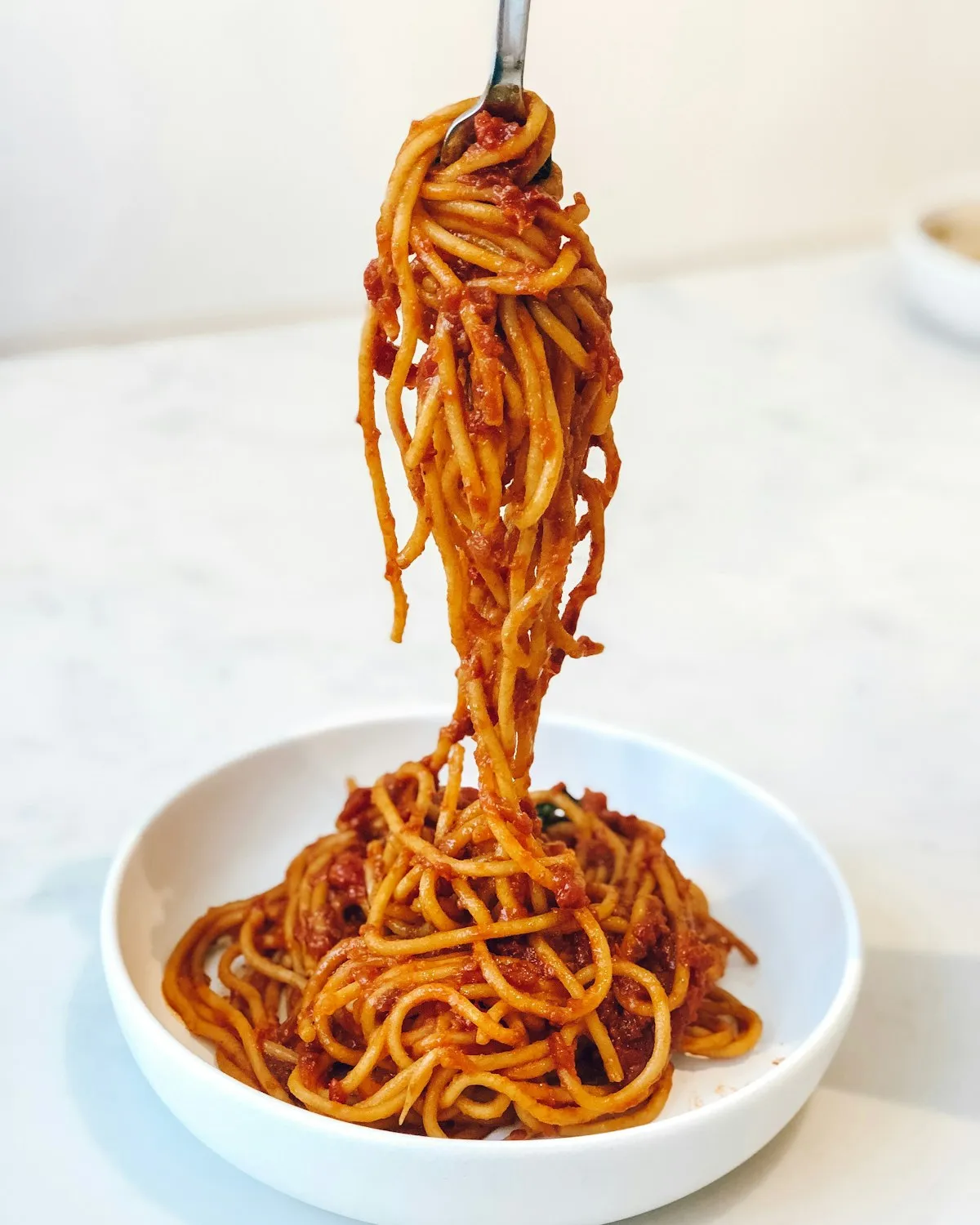
Bloom the chili, but protect its aroma
Chili flakes contain flavor compounds that dissolve well in fat. Briefly warming them in the olive oil helps the oil carry their heat across every strand of pasta. Add them after the garlic has softened and let them sizzle gently.
Avoid treating chili flakes like a spice rub that needs aggressive frying. High heat can make them taste dusty or bitter. A short bloom is enough. Use less if you are feeding sensitive palates, then add extra at the table for anyone who enjoys a little drama.
Use pasta water as a natural emulsifier
The most important technique is also the easiest to skip: reserve some of the cloudy water used to cook the pasta. That water contains starch released from the noodles. When it meets olive oil and movement, the starch helps the two liquids cling together instead of separating into a puddle of oil and a puddle of water.
This is an emulsion. You are not making a cream sauce, but you are creating a creamy-looking coating without cream. The starch acts as a bridge between water and fat, while tossing supplies the mechanical force needed to bring everything together.
Do not add a large amount of water all at once. Add small splashes while tossing, and wait for the sauce to turn slightly opaque and glossy. If you see clear oil sitting at the bottom of the pan, keep moving the pasta and add another modest splash of starchy water.
For a deeper explanation of this principle, see Cookpedia’s guide to One-Pot Lemon Asparagus Spaghetti and the science of pasta water. The same starch-based idea is doing the delicious work here.
Finish the pasta in the pan
Cook the pasta until it is just shy of al dente, then finish it in the garlic-and-oil pan. This is not merely a restaurant trick. It gives the noodles time to absorb the flavored oil and allows the starch on their surface to thicken the sauce.
Toss continuously as the pasta finishes cooking. Shake the pan, use tongs, or stir with a wide spoon, whatever gives you enough movement to coat the noodles evenly. Stop when the sauce clings to the pasta rather than pooling beneath it.
This final pan finish also gives you a chance to correct the texture. Add a little more pasta water if the noodles look dry. Keep tossing and cooking briefly if the sauce looks watery. Taste before serving, because the pasta water provides seasoning, but the final balance may still need a small adjustment.
Serve while the emulsion is lively
Aglio e olio is at its best immediately after tossing. As it cools, the oil thickens and the sauce loses some of its silky movement. Warm your serving bowls if you can, and bring the pasta to the table promptly.
For more ideas built around efficient, reliable cooking, browse Cookpedia’s 15-minute meals and pasta recipe collection.
Variations: Change the Finish, Keep the Balance
The classic version is wonderfully spare, but it also welcomes small changes. Add lemon zest at the end for brightness. Zest contributes fragrant citrus oils without adding extra liquid, so it freshens the dish without weakening the emulsion. A squeeze of lemon juice works too, but use it lightly; too much acidity can make the sauce taste sharp.
Add chopped parsley for freshness and color, or use basil when you want a softer, sweeter herbal note. Stir in wilted spinach, arugula, or finely chopped kale for more volume and a greener finish. Add the greens near the end so they soften without turning dull.
For extra protein, fold through chickpeas, white beans, or flaked tuna. These additions make the pasta more filling while keeping the pantry-first spirit intact. Crispy breadcrumbs are another excellent option. Toast them in a little olive oil until golden, then scatter them over the pasta for a crunchy contrast.
Want a richer version? Add a small amount of finely grated Parmesan off the heat. Toss it with pasta water so it melts smoothly rather than clumping. Keep the cheese restrained: the point is to support the garlic and chili, not bury them under a blanket.
If you prefer less heat, replace some of the chili flakes with cracked black pepper or sweet paprika. For a stronger kick, use fresh sliced chili, but remember that fresh peppers bring moisture and a brighter, sharper heat than dried flakes.
Side Dish Pairings: Add Freshness, Not More Weight
Pair this pasta with something crisp and acidic. A simple green salad dressed with lemon or vinegar cuts through the olive oil and keeps the meal from feeling heavy. Add cucumber, radishes, or shaved fennel for extra crunch.
Roasted vegetables also work well, especially broccoli, zucchini, asparagus, or green beans. Their slight sweetness balances the chili, while their browned edges bring another layer of flavor without requiring a rich sauce.
Serve a small amount of crusty bread if you want to stretch the meal, but skip an oversized portion. The pasta already supplies plenty of starch. A bright tomato salad is another smart choice, particularly in warmer weather, because juicy tomatoes bring acidity and freshness to each bite.
For a complete plant-based menu, serve the pasta with Cookpedia’s Quick Mediterranean Quinoa Bowl as inspiration for fresh, colorful sides, or explore the salad collection for lighter pairings.
FAQ: What If the Pasta Goes Wrong?
What if my sauce looks oily instead of silky?
Add a small splash of starchy pasta water and toss vigorously over medium heat. The starch needs movement and warmth to help bind the oil and water. Do not simply stir once and walk away. Keep tossing until the sauce turns slightly cloudy and coats the pasta.
If the sauce still separates, the pan may contain too much oil for the amount of pasta. Add more pasta gradually, or use another splash of pasta water to create a better balance.
What if the garlic turns brown?
Stop the cooking immediately and assess the color. Pale gold is sweet and fragrant; dark brown is usually bitter. If only a few edges have browned, remove those pieces and continue carefully. If the garlic smells burnt, start the oil again. It is frustrating, but burnt garlic will dominate the entire dish, and no amount of parsley can negotiate a peace treaty.
Keep the heat low and remember that the pan continues cooking even after you turn off the burner.
What if I forgot to save pasta water?
Use warm water as a backup, but understand that it will not emulsify as effectively because it lacks the starch released by the pasta. You can still create a decent sauce by tossing the noodles with the oil over heat, but the coating may be thinner.
Next time, place a mug or measuring cup beside the stove before draining. Make it automatic. This tiny habit improves nearly every pasta sauce.
What if the pasta is too spicy?
Add more plain pasta, a spoonful of pasta water, or a mild vegetable such as wilted spinach. These increase the total volume and spread the chili across more food. A little lemon juice can also make the heat feel brighter, but it does not remove the chili itself.
Avoid adding lots of cream or cheese simply to hide the heat. That can make the dish heavy and still leave the chili’s burn intact. Dilution is the more reliable fix.
What if the pasta tastes flat?
Check salt first. Pasta cooked in under-seasoned water can taste bland even when the garlic and chili are well handled. Add salt gradually, then consider acidity. A little lemon zest or lemon juice can sharpen the flavors and make the olive oil taste less heavy.
Fresh herbs add lift, while toasted breadcrumbs add savory contrast. Adjust one element at a time so you know what the dish actually needs.
Can I make this one of my healthy dinner ideas?
Yes, especially when you pair a sensible portion of pasta with vegetables or a crisp salad. The dish uses simple ingredients and can be adapted with greens, beans, or chickpeas for more fiber and staying power. Olive oil is still calorie-dense, so measure with intention rather than pouring freely.
For more practical, vegetable-forward inspiration, visit Cookpedia’s healthy recipe collection. This pasta also fits naturally into a rotation of quick family meals because it is inexpensive, adaptable, and easy to adjust at the table. It may even become one of your favorite budget-friendly recipes: proof that a small pantry can still make a genuinely satisfying dinner.