Recipe
Servings
Servings 1×
Ingredients
- Fettuccine
- Pasta
- Noodles
- Mushrooms
- Spinach
- Lemon
- Cream
- Hard cheese
- Butter
- Chili seasoning
- Salt
- Black pepper
Method
- Keep the technique tight, and you will have a restaurant-style bowl without the restaurant-style fuss.
- Add them to a crowded, lukewarm pan, and they will release that water slowly, leaving you with pale, slippery pieces that steam instead of brown.
- Use a broad skillet, keep the heat around medium-high, and let their moisture evaporate before you worry about the sauce.
- Let the mushrooms sit long enough to develop color, then turn them.
- Season lightly at first, because salt draws out moisture and can slow browning if added too early in a very crowded pan.
- Add more seasoning once the mushrooms are golden and concentrated.
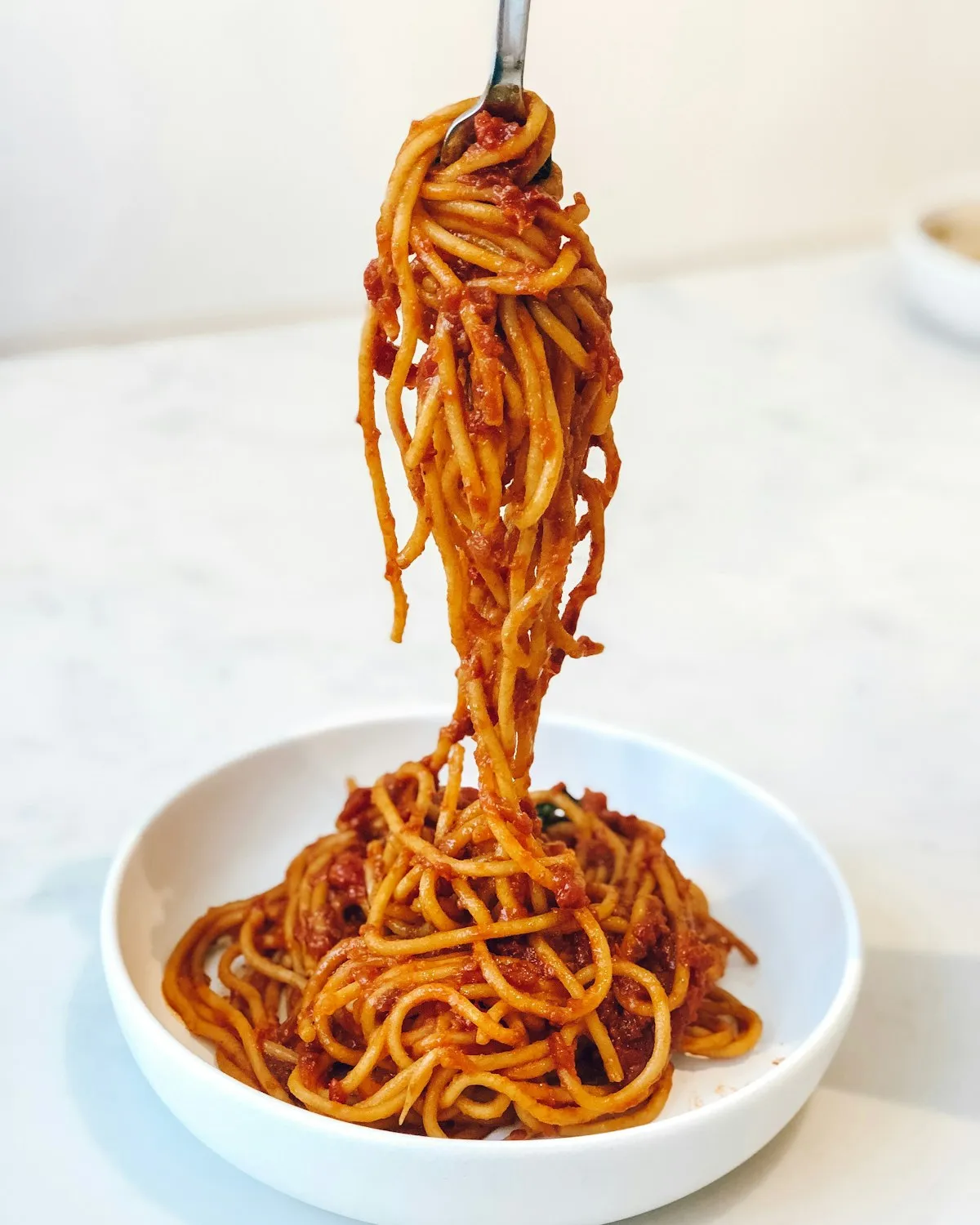
Some simple pasta recipes are simple because they cut corners. This one is simple because every cooking move earns its place. Creamy mushroom and spinach fettuccine brings together earthy mushrooms, silky sauce, tender greens, and plenty of Parmesan in one comforting pan. It is the sort of dinner that feels a little special but behaves like a weeknight hero. Keep the technique tight, and you will have a restaurant-style bowl without the restaurant-style fuss.
Tips & Technique: Build the Sauce, Don’t Just Pour It
Brown the mushrooms before adding cream
Mushrooms contain a surprising amount of water. Add them to a crowded, lukewarm pan, and they will release that water slowly, leaving you with pale, slippery pieces that steam instead of brown. That is not a crime, but it is a missed flavor opportunity.
Give the mushrooms room. Use a broad skillet, keep the heat around medium-high, and let their moisture evaporate before you worry about the sauce. Once the surface of the pan looks mostly dry, the mushrooms can finally brown. This is when Maillard reactions create deeper savory flavors and those delicious toasted edges.
Do not stir constantly. Let the mushrooms sit long enough to develop color, then turn them. Season lightly at first, because salt draws out moisture and can slow browning if added too early in a very crowded pan. Add more seasoning once the mushrooms are golden and concentrated.
Treat pasta water as a cooking tool
The cloudy water left behind by cooking pasta is not waste. It contains dissolved starch, and that starch helps bind fat and water into a smoother sauce. Think of it as a quiet little emulsifier waiting beside the stove.
Reserve some pasta water before draining. Add it gradually while tossing the hot fettuccine with the cream sauce, butter, and Parmesan. The goal is not to make the dish watery. The goal is to create a sauce that moves easily but clings to every ribbon.
Add too much at once, and you may overshoot the texture. Add a small splash, toss, and check. If the sauce looks thick and heavy, loosen it. If it looks thin, keep tossing over low heat so the starch can help it tighten.
This is one of the non-negotiables: never drain all the pasta water before checking the sauce. Future-you will be grateful.
Keep the heat gentle when cheese enters
Parmesan adds salt, umami, and body, but it can become grainy if exposed to aggressive heat. High temperatures make the proteins tighten and the fats separate. That is how a sauce goes from silky to slightly clumpy in the time it takes to find the serving bowls.
Lower the heat before adding the cheese. Toss the pasta continuously, and use a little reserved water to help the Parmesan melt into the sauce. Grate the cheese finely so it dissolves more easily rather than forming stubborn lumps.
Use freshly grated Parmesan when possible. Pre-grated cheese often contains anti-caking agents that can interfere with a smooth melt. It is not forbidden, but it may need more patient tossing and a gentler finish.
Add spinach at the very end
Fresh spinach collapses quickly because its leaves contain delicate structures that lose volume as heat breaks them down. Add it too early, and it can turn dull, stringy, and overcooked before the pasta is ready.
Fold the spinach into the finished sauce near the end. Residual heat will wilt the leaves without bullying them. This keeps the color brighter and gives the pasta a fresher flavor.
Remember that spinach releases a little moisture as it wilts. Check the sauce after it softens. You may need a small splash of pasta water, or you may find the consistency is already perfect. Cooking is partly science and partly paying attention instead of wandering off to answer a message.
Finish with contrast
Cream, butter, and Parmesan create richness. Mushrooms add savoriness. Spinach brings freshness, but the dish still benefits from a sharper note to keep every bite lively.
Add a little lemon zest or a small squeeze of lemon just before serving. Use black pepper for gentle heat and a warm, floral bite. A pinch of chili flakes works if you want more energy without changing the character of the dish.
Keep the acidity controlled. You are balancing the cream, not turning the pasta into lemon noodles. Start small, taste, and adjust.
For another Cookpedia pasta idea built around sauce texture, see Creamy Mushroom Pasta Starch. And if you need more weeknight inspiration, browse the full Cookpedia pasta collection.
Variations: Change the Character Without Losing the Balance
Turn this into a lighter, brighter bowl by replacing part of the cream with vegetable stock or milk. Keep some cream for body, then use lemon zest and extra black pepper to sharpen the finish. Avoid removing all the fat, because fat helps carry the mushroom and garlic flavors across the palate.
Make it vegan by using olive oil, unsweetened plant cream, and a Parmesan alternative. Add nutritional yeast or a spoonful of white miso for savory depth. Taste carefully before adding salt; miso and dairy-free cheese can already bring plenty.
Add protein with white beans, shredded chicken, or crisped tofu. Keep the addition modest so the pasta remains creamy rather than crowded. Cooked peas also work well, bringing sweetness and color while matching the spinach.
Swap fettuccine for linguine, tagliatelle, or even short pasta. Wide noodles are excellent here because they carry sauce, while shapes such as rigatoni catch mushrooms and spinach in their ridges. Gluten-free pasta can work, but watch the cooking water closely because different brands release different amounts of starch.
Use mixed mushrooms for a more complex flavor. Cremini mushrooms give you dependable browning, while shiitakes add a meatier texture. Avoid soaking mushrooms unless they are genuinely dirty; excess water makes browning harder.
Side Dish Pairings: Add Freshness, Not More Heaviness
Pair this fettuccine with something crisp and acidic. A simple green salad with lemon vinaigrette cuts through the creamy sauce and refreshes your palate between bites. Keep the dressing bright rather than sweet.
Roasted broccoli, asparagus, or green beans also make good companions. Their slight bitterness balances the richness, while their roasted edges echo the browned mushrooms. For an especially quick side, toss tender greens with olive oil, lemon, and a pinch of salt.
Serve with a small piece of crusty bread if you want to catch the last of the sauce. Keep it modest; the pasta is already doing the comfort-food heavy lifting.
For more plant-forward pairings, explore Cookpedia’s vegetarian dinner recipes. This dish also fits neatly into a week of quick meals when you need dinner to be satisfying without becoming a project.
FAQ: What If the Sauce Goes Wrong?
What if my mushrooms turn watery?
Keep cooking them. The released moisture needs time to evaporate before browning can begin. If the pan is overcrowded, move half the mushrooms to a plate and brown them in batches. A wider skillet also helps because it gives steam more room to escape.
What if the cream sauce is too thick?
Add reserved pasta water a tablespoon or two at a time while tossing. The starch will loosen the sauce while helping it remain attached to the noodles. Avoid adding plain cold water if you can; it dilutes flavor without contributing much body.
What if the sauce is too thin?
Let the pasta and sauce toss together over low heat for another minute or two. Evaporation will concentrate the sauce, and the pasta starch will help it thicken. Add more cheese only if the flavor needs it. Dumping in Parmesan as a panic move can make the sauce salty and grainy.
What if my Parmesan clumps?
The pan was probably too hot, the cheese was added too quickly, or there was not enough liquid to support the emulsion. Remove the skillet from the heat, add a small splash of warm pasta water, and toss firmly. Add any remaining cheese gradually rather than all at once.
What if I only have frozen spinach?
Thaw it completely and squeeze out excess water before adding it. Frozen spinach is already cooked, so it needs only enough heat to warm through. Adding it while still wet can dilute the sauce and make the pasta look muddy.
What if I want to prepare this ahead?
Creamy pasta is best immediately because noodles continue absorbing sauce as they sit. If you must refrigerate leftovers, cool them promptly and store them in a sealed container. Reheat gently in a skillet with a splash of milk, cream, or water. Stir often, and stop heating as soon as the sauce becomes spoonable again.
What if I want a healthier version?
Focus on balance instead of stripping away every satisfying element. Use a moderate amount of cream and Parmesan, add extra spinach or mushrooms, and serve the pasta with a sharp salad or roasted vegetables. That gives you one of the more comforting healthy dinner ideas without pretending fettuccine is a bowl of lettuce.
Can I make this as part of a busy meal plan?
Absolutely. Brown the mushrooms while the pasta water heats, keep the sauce ingredients ready, and reserve the cooking water before draining. The whole dish becomes much easier when the timing overlaps. It is a strong option for quick family meals, especially when everyone wants something cozy and you have limited patience for complicated cleanup.
If you are comparing weeknight options, save this recipe alongside your searches for “air fryer recipes dinner.” The cooking method changes, but the principle is the same: use a few reliable techniques, keep the flavors balanced, and get a real meal on the table without unnecessary drama.