Recipe
Servings
Servings 1×
Ingredients
- Chicken
- Salmon
- Shrimp
- Chickpeas
- Fettuccine
- Pasta
- Noodles
- Bread
- Broccoli
- Asparagus
- Spinach
- Garlic
- Lemon
- Butter
- Cooking oil
- Black pepper
Method
- Use less water than you think you need when boiling your fettuccine.
- Heat is a fickle friend when it comes to citrus.
- Keep the heat on medium-low when building your base.
- Toss in an extra splash of that liquid gold (your reserved pasta water) and stir vigorously to bring the team back together.
- Toast them gently until they are just golden.
- Use a heavy-bottomed pan for even heat distribution and avoid walking away: they turn from "perfectly golden" to "tragically burnt" in a heartbeat.
If you have fifteen minutes and a lemon, you are already halfway to the best dinner of your week. I am a firm believer that some of the most soulful, satisfying meals come from the simplest pantry staples. This lemon fettuccine with toasted pine nuts is the ultimate proof. It is bright, elegant, and requires almost zero effort, making it one of those essential quick family meals you can pull out of your hat when the fridge looks empty and your energy is low.
The Science of the Glossy Emulsion
Creating a restaurant-quality pasta sauce at home isn't about fancy equipment; it’s about understanding the marriage of fat and starch. When you cook this dish, you are essentially performing a culinary "handshake" between the olive oil (or butter) and the starchy water your pasta lived in. This process, often called mantecare in Italian kitchens, is the secret to a sauce that actually clings to the noodles rather than pooling at the bottom of your bowl.
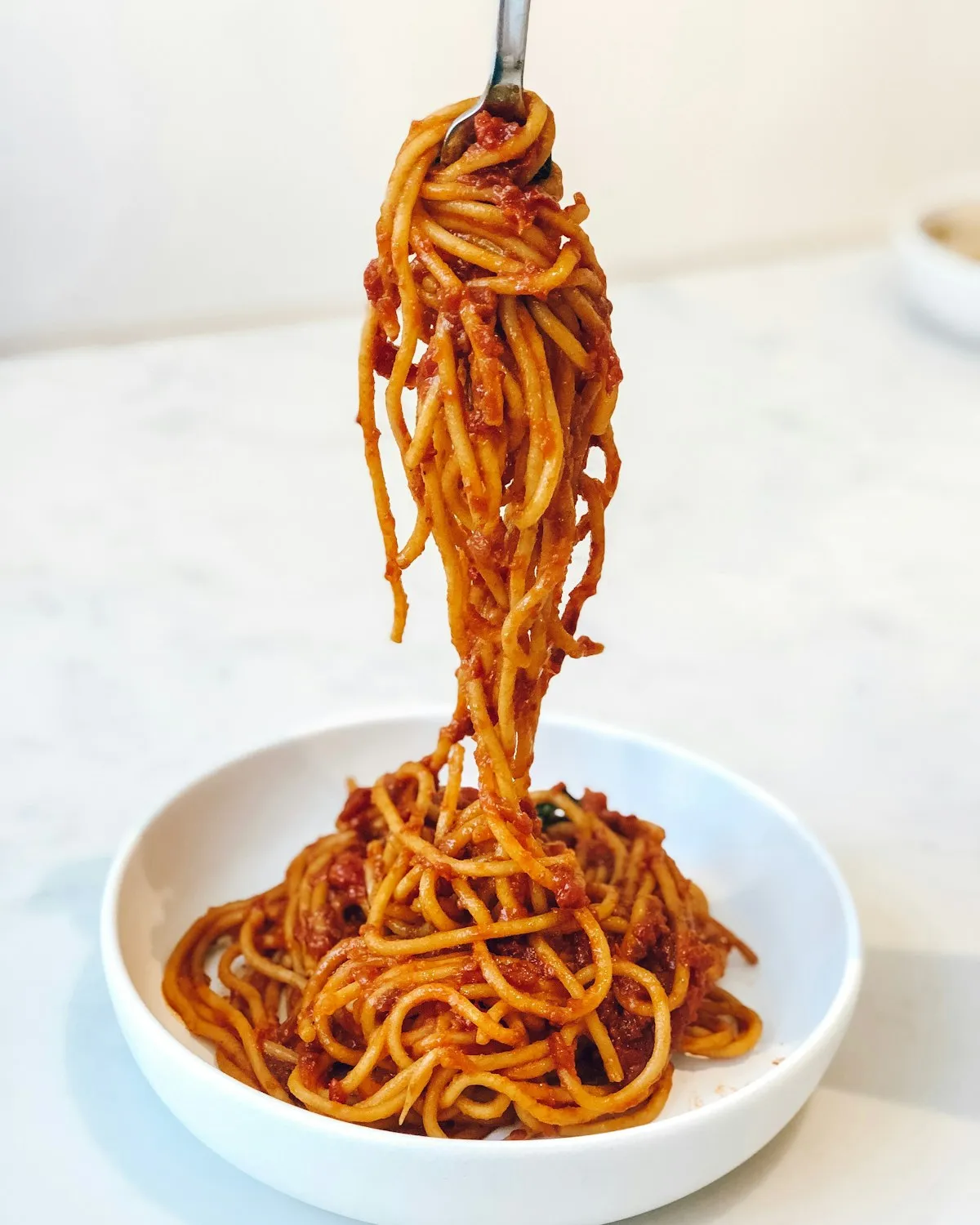
Prioritize the starch. Use less water than you think you need when boiling your fettuccine. Why? Because a higher concentration of starch in the water leads to a more stable emulsion. Think of those starch molecules as tiny anchors that hold the oil and lemon juice together. Never, ever rinse your pasta. You want that cloudy, sticky coating on the noodles to help the sauce "grab" hold.
Control your temperature. Heat is a fickle friend when it comes to citrus. Boiling lemon juice for too long can turn it from bright and zesty to dull and overly sharp. Keep the heat on medium-low when building your base. Once the pasta is in the pan, work quickly. The goal is to create a creamy, velvety texture without breaking the emulsion. If the sauce starts to look greasy or separated, it means the fat has won the battle. Toss in an extra splash of that liquid gold (your reserved pasta water) and stir vigorously to bring the team back together.
Toast for depth. Pine nuts are high in natural oils that are released only when they meet a little heat. Toast them gently until they are just golden. This doesn't just add crunch; it infuses the entire dish with a nutty, buttery aroma that balances the high-acid punch of the lemon. Use a heavy-bottomed pan for even heat distribution and avoid walking away: they turn from "perfectly golden" to "tragically burnt" in a heartbeat.
Infuse the fat. Add your lemon zest to the oil or butter early in the process. The essential oils in the peel are fat-soluble, meaning the flavor will permeate the entire sauce rather than just sitting on top. Use a microplane for the zest to ensure you get only the yellow skin and none of the bitter white pith. This small technique makes a world of difference in the final flavor profile.
Bright and Soulful Variations
One of the reasons I love this recipe is how easily it adapts to what you have on hand. While the lemon and pine nut duo is a classic, you can easily pivot based on your cravings or dietary needs. It's a fantastic base for anyone looking for healthy dinner ideas that don't feel like a compromise.
- The Green Boost: Toss in a handful of fresh arugula or baby spinach right at the end. The residual heat will wilt the greens just enough to soften them while maintaining their vibrant color. The peppery bite of arugula is a perfect foil for the creamy lemon sauce.
- Heat Seekers: Add a pinch of red pepper flakes to the oil along with your lemon zest. The gentle heat cuts through the richness of the pine nuts and adds a layer of complexity that keeps you coming back for another forkful.
- Protein Pairs: If you want something heartier, top the pasta with sliced grilled chicken or sautéed shrimp. For those who love experimenting with modern kitchen tools, look for air fryer recipes dinner inspirations like crispy chickpeas or seasoned salmon fillets to serve alongside.
- Nut Alternatives: If pine nuts aren't in the budget or the pantry, swap them for slivered almonds or crushed walnuts. The key is to maintain that toasted, nutty element that provides a textural contrast to the soft fettuccine.
Balancing Your Plate with the Perfect Pairing
When a dish is as bright and acidic as this one, your side dishes should either echo that freshness or provide a grounding, earthy contrast. I typically lean toward a simple green salad with a very light vinaigrette. Avoid anything too creamy or heavy on the side, as you want the fettuccine to remain the star of the show.
A crusty piece of sourdough or a warm baguette is almost non-negotiable here. You will want something to mop up every last drop of that lemon-garlic emulsion. If you’re feeling adventurous, a side of roasted asparagus or broccolini: perhaps charred slightly in the oven: adds a wonderful smokiness that complements the citrus notes. You can find more inspiration for balanced sides on our healthy recipes page.
For more quick meals, I always recommend keeping a few lemons and a bag of nuts in the freezer. It’s the difference between a sad bowl of plain noodles and a sophisticated, soulful dinner that feels like a hug in a bowl. Explore our pasta category for more ways to turn simple pantry items into culinary wins.
Frequently Asked Questions
Why did my sauce turn out watery instead of creamy?
This usually happens for two reasons: either you used too much pasta water or you didn't agitate the pan enough. Remember, the creaminess comes from the mechanical action of tossing the pasta (the mantecare) which forces the starch and fat to bind. Use a wide skillet to allow for better evaporation and toss vigorously. If it's still too thin, let it simmer for another 30 seconds while stirring constantly; as the water evaporates, the starch concentration will increase, thickening the sauce.
Can I use bottled lemon juice?
Avoid it if you can. Bottled juice often has a cooked, metallic aftertaste and lacks the vibrant aromatic oils found in fresh lemon zest. Since lemon is the primary flavor profile of this dish, using fresh fruit is a non-negotiable for the best result. A single fresh lemon provides both the acidity from the juice and the fragrance from the zest that makes this dish sing.
My cheese clumped together into a ball. What happened?
This is a common heartbreak. If you add cheese while the pasta is over high heat, the proteins in the cheese will seize and clump together instead of melting into the sauce. Always remove the pan from the heat and wait about 30 seconds for the temperature to drop slightly before adding your Parmesan or Pecorino. The residual heat is plenty to melt the cheese into a smooth, glossy coating.
How do I store and reheat leftovers?
Pasta with an oil-based emulsion doesn't always reheat perfectly, as the emulsion tends to break when cooled. If you have leftovers, store them in an airtight container. When reheating, add a small splash of water or a tiny knob of butter to help re-emulsify the sauce. Heat it gently on the stovetop rather than the microwave to avoid making the pasta gummy.
Is this recipe suitable for meal prep?
While you can certainly eat it the next day, this is a dish that truly thrives when served immediately. The starch continues to absorb liquid as it sits, which can make the pasta feel dry over time. If you’re a busy professional looking for quick family meals, I recommend prepping the zest and toasting the nuts ahead of time so you can whip up the actual pasta in under 15 minutes when you're ready to eat.
{“@type”:”BlogPosting”,”image”:”https://cdn.marblism.com/bttOME_IRvx.webp”,”author”:{“name”:”Cookpedia”,”@type”:”Organization”},”@context”:”https://schema.org”,”headline”:”Simple Fettuccine with Lemon and Pine Nuts”,”keywords”:”air fryer recipes dinner, quick family meals, healthy dinner ideas, lemon pasta, fettuccine recipe”,”publisher”:{“logo”:{“url”:”https://cdn.marblism.com/KxroJ1kM_KA.webp”,”@type”:”ImageObject”},”name”:”Cookpedia”,”@type”:”Organization”},”description”:”Learn the science of the perfect lemon fettuccine. This guide covers emulsification, toasting techniques, and how to create a glossy, soulful sauce in under 15 minutes.”,”datePublished”:”2026-07-14″,”articleSection”:”Recipes”,”mainEntityOfPage”:{“@id”:”https://cookpedia.com/simple-fettuccine-lemon-pine-nuts”,”@type”:”WebPage”}}