Recipe
Servings
Servings 1×
Ingredients
- Salmon
- Garlic
- Lemon
- Butter
- Cooking oil
Method
- Prepare the ingredients described in the article and heat the cooking surface or oven as directed.
- Cook the main ingredients using the heat and timing guidance in the article.
- Finish with the seasonings and garnishes named in the article, then serve.
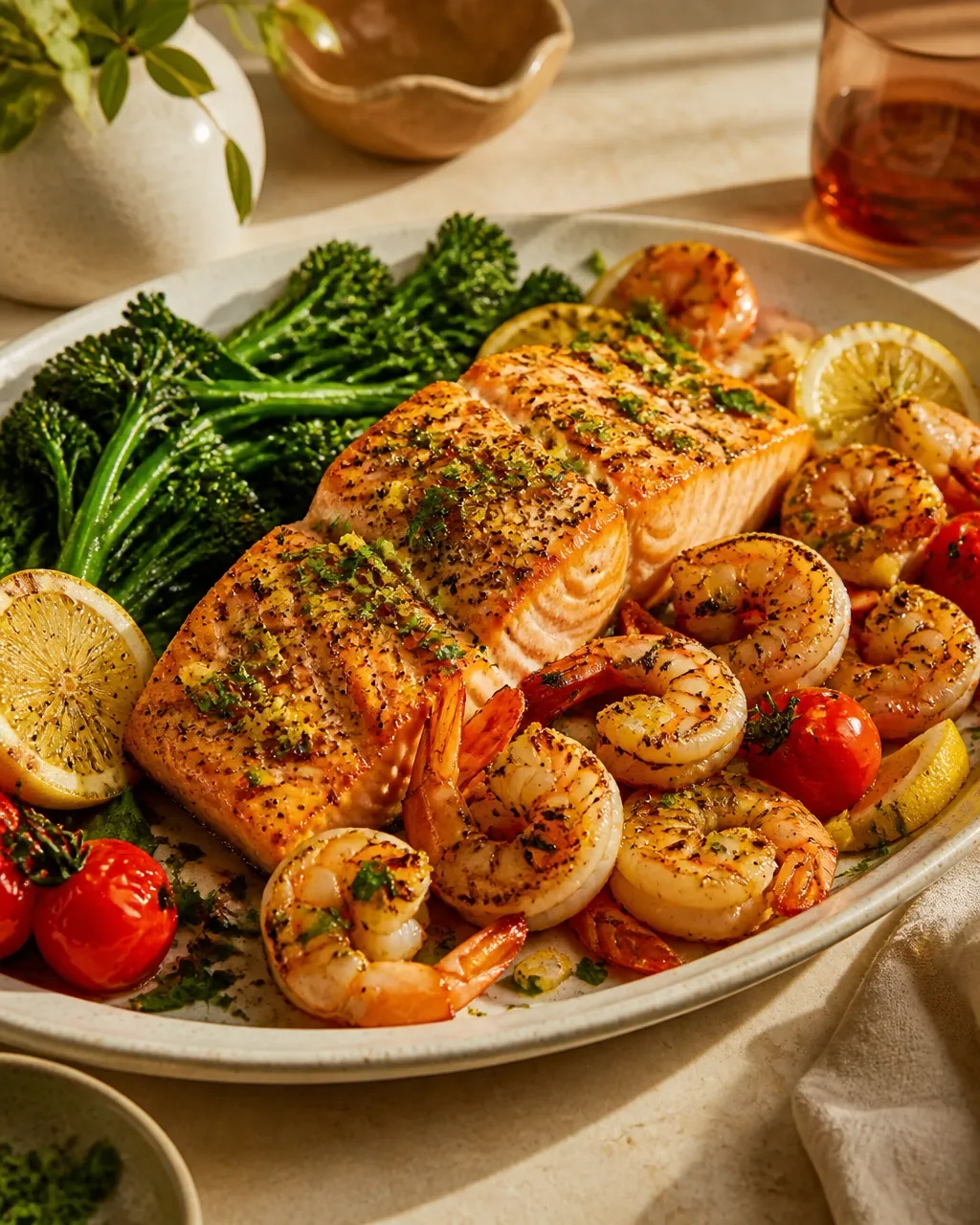
If you’re anything like me, your Tuesday nights usually involve a frantic stare-down with the refrigerator. You want something that tastes like a weekend celebration but takes the effort of boiling water. Enter the 15-minute lemon herb salmon. This isn’t just a "quick meal"; it’s a masterclass in minimalist cooking. By focusing on high-quality fat, bright acidity, and the science of heat, you can transform a humble fillet into a restaurant-quality centerpiece before your laundry cycle even finishes.
The Science of the Perfect Sear
Achieving that golden, crispy crust while keeping the center silky is purely a matter of physics. When you place a salmon fillet in a hot pan or an air fryer, you’re looking for the Maillard reaction. This chemical reaction between amino acids and reducing sugars gives browned food its distinctive flavor. To get there, you must eliminate the enemy: moisture.
Pat it dry. I cannot stress this enough. If your salmon is damp when it hits the heat, it will steam instead of sear. Use a paper towel and press firmly on both sides. Once dry, a light coat of oil acts as a heat conductor, ensuring every millimeter of the surface reaches the temperatures needed for browning.
When it comes to air fryer recipes dinner prep, the air fryer acts like a high-speed convection oven. It circulates hot air so efficiently that it dries the surface of the fish almost instantly, creating a unique texture that’s hard to mimic in a traditional oven. If you prefer the stove, use a heavy skillet, stainless steel or cast iron is best, to maintain a steady temperature.
Avoid the urge to poke, prod, or flip the fish too early. Salmon will "release" from the pan naturally once the crust has formed. If it’s sticking, it’s not ready. For the juiciest results, aim for an internal temperature of 125°F to 135°F. Pulling it at this stage allows for "carryover cooking," where the internal heat continues to rise while the fish rests, landing you perfectly at a buttery medium. If you wait until it looks done in the pan, it will be dry by the time it hits your plate.
Flavor Balance: Acid and Aromatics
Why do we always reach for lemon? It’s not just tradition; it’s chemistry. Salmon is a fatty, rich fish. High-fat foods can often feel "heavy" on the palate. Acidity, in this case, citric acid from the lemon, acts as a palate cleanser. It cuts through the richness, making the flavor of the fish feel lighter and more vibrant.
When working with herbs, timing is everything. "Hard" herbs like thyme or rosemary can handle the heat and should be added early. However, "soft" herbs like dill, parsley, or chives contain delicate volatile oils that evaporate or turn bitter under high heat. Save these for the final thirty seconds or as a fresh garnish. This ensures the aromatics stay "soulful" and bright rather than dull and burnt. If you're looking for more inspiration on quick, flavorful bases, check out my Viral Garlic Butter Ramen Hack which uses a similar logic of high-impact aromatics.
Variations for Every Mood
While lemon and dill are the gold standard, don't feel boxed in. You can easily adapt this technique to suit various healthy dinner ideas without changing the cook time.
- The Mediterranean Swap: Swap lemon for orange zest and use oregano instead of dill. The floral notes of the orange pair beautifully with the fatty salmon.
- The Spicy Kick: Rub the fillet with a pinch of smoked paprika and chili flakes before cooking. The sugar in the paprika caramelizes quickly, adding a deep smokiness that mimics a grill.
- The Compound Butter Route: If you have an extra three minutes, mash some softened butter with garlic, lemon zest, and parsley. Plop a dollop on the salmon the second it comes out of the heat. The butter will melt into a luxurious sauce that coats the fish.
If you’re in a "lazy girl" mood, you might even consider flaking the leftover salmon into a One-Pan Cacio e Pepe the next day for a total transformation.
Side Dish Pairings for Balance
A 15-minute main deserves sides that are just as efficient. For quick family meals, I always recommend pairing salmon with something that provides a textural contrast.
- Crispy Greens: Snap peas or asparagus only need about 3–5 minutes in a pan. They offer a crunch that offsets the tenderness of the fish.
- Grains: Quinoa or couscous can be fluffed up in the time it takes the salmon to rest. They act as a sponge for any leftover lemon-butter sauce.
- The One-Basket Wonder: If you're using the air fryer, you can often toss some pre-cut bell peppers and onions into the basket next to the salmon. For a full guide on this, see my Air Fryer Sausage and Pepper Medley for technique tips on multi-ingredient air frying.
FAQ: Troubleshooting Your Salmon
What is that white stuff coming out of the salmon?
That white goop is called albumin. It’s a liquid protein that exists inside the fish. When the muscle fibers are heated too quickly or too high, they contract and squeeze the albumin to the surface, where it coagulates. It’s perfectly safe to eat, but it’s a sign you’ve likely overcooked the fish. Lower your heat or pull the fish a minute earlier next time.
Why did my skin turn out soggy?
Two culprits: moisture or low heat. If the skin isn't bone-dry or the pan isn't hot enough, the skin will boil in its own juices rather than crisping. Always start your salmon skin-side down in a preheated pan.
Can I use frozen salmon?
Yes, but you must thaw it completely and pat it exceptionally dry. Frozen fish often releases more moisture as it thaws, so be extra diligent with the paper towels.
Do I really need to let it rest?
Yes! Resting allows the muscle fibers to relax and reabsorb the juices. If you cut into it immediately, all that flavorful moisture will end up on the plate instead of in your mouth. Give it 2–3 minutes; I promise it won't get cold.
How do I know if it's "done" without a thermometer?
Use the fork test. Gently press down on the top of the fillet with a fork. If the flakes start to separate easily along the white fat lines, it’s ready. If it feels bouncy and resists flaking, it needs another minute.
{“@type”:”BlogPosting”,”image”:”https://cdn.marblism.com/JlzqXxobrlJ.webp”,”author”:{“name”:”Cookpedia”,”@type”:”Organization”},”@context”:”https://schema.org”,”headline”:”Simple 15-Minute Lemon Herb Salmon”,”publisher”:{“logo”:{“url”:”https://cdn.marblism.com/KxroJ1kM_KA.webp”,”@type”:”ImageObject”},”name”:”Cookpedia”,”@type”:”Organization”},”articleBody”:”If you’re anything like me, your Tuesday nights usually involve a frantic stare-down with the refrigerator… [full content continues]”,”description”:”Learn how to make a restaurant-quality 15-minute lemon herb salmon with the science of the perfect sear and flavor balance.”,”datePublished”:”2026-06-14″,”mainEntityOfPage”:{“@id”:”https://cookpedia.com/simple-15-minute-lemon-herb-salmon”,”@type”:”WebPage”}}