Recipe
Servings
Servings 1×
Ingredients
- Chicken
- Steak
- Chickpeas
- Pasta
- Noodles
- Bread
- Broccoli
- Asparagus
- Garlic
- Lemon
- Balsamic vinegar
- Hard cheese
- Butter
- Chili seasoning
Method
- Prepare the ingredients described in the article and heat the cooking surface or oven as directed.
- Cook the main ingredients using the heat and timing guidance in the article.
- Finish with the seasonings and garnishes named in the article, then serve.
There is something profoundly soulful about a meal that comes together in the time it takes to boil a pot of water. When life gets loud and the clock is ticking, you don't need a pantry full of exotic ingredients or a sink full of dirty dishes. You need the three pillars of Italian comfort: butter, sage, and pasta. This isn't just "dinner"; it’s a sensory experience where the nutty aroma of toasted milk solids meets the earthy crunch of fried herbs. If you are looking for quick family meals that feel like a warm hug, this minimalist masterpiece is your new best friend.
The Alchemy of Golden Butter
Creating a restaurant-quality sauce in fifteen minutes isn't magic: it’s chemistry. The heart of this dish lies in the Maillard reaction. This is the same scientific process that gives a seared steak its crust or freshly baked bread its golden hue. In the context of butter, you are heating it until the water evaporates and the milk proteins and sugars begin to bronze. This transformation creates a flavor profile that is deeply complex, reminiscent of toasted hazelnuts and salted caramel.
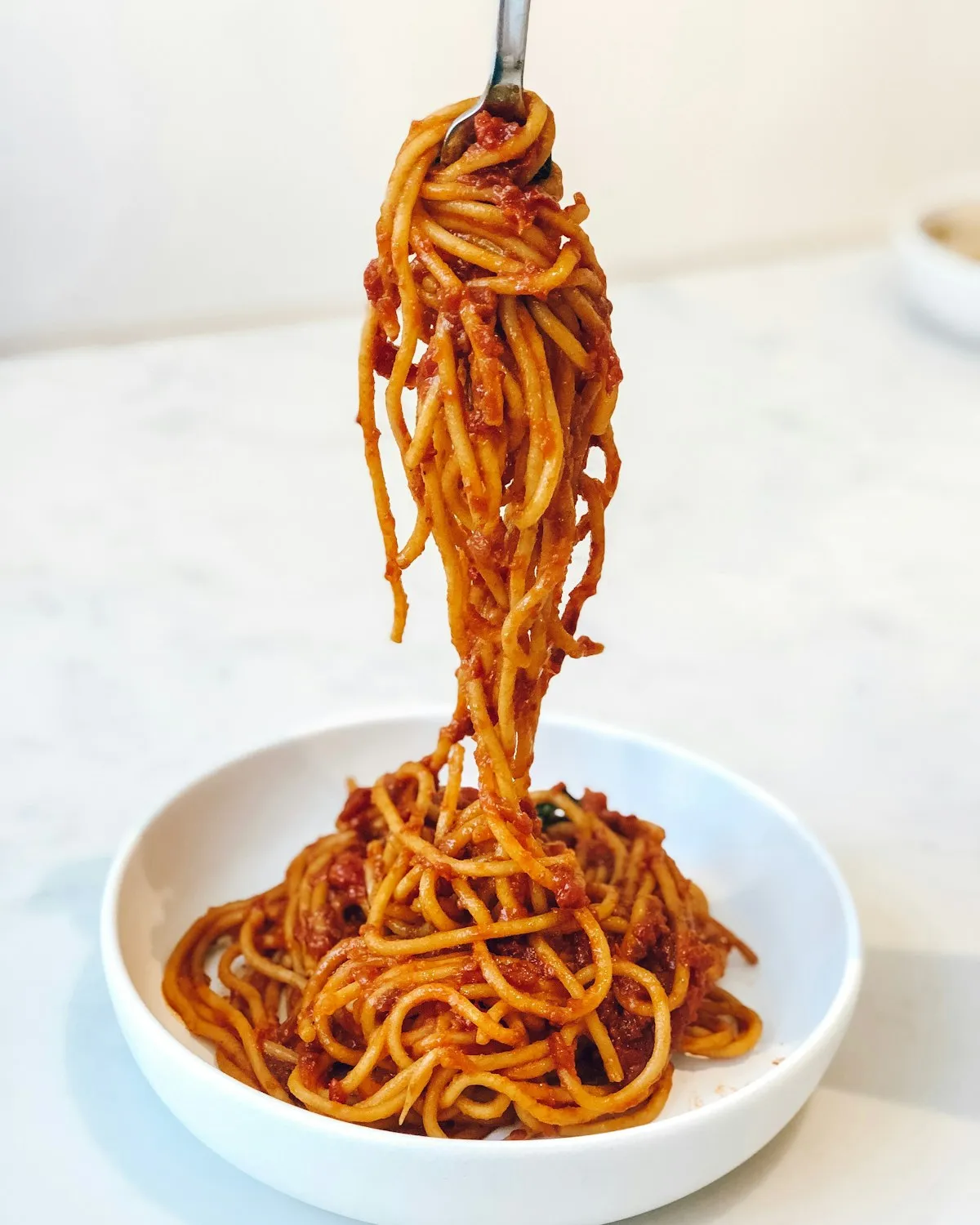
Use a light-colored pan for this process. This is non-negotiable. If you use a dark or non-stick skillet, you won't be able to see the milk solids changing color, and you’ll go from "nutty perfection" to "bitter charcoal" in a heartbeat. Watch the butter closely as it foams. Once the foam subsides and you see those tiny brown specks dancing at the bottom, pull the pan off the heat immediately. That residual heat is a silent worker; it will continue to cook the butter even after the flame is out.
The second half of the equation is the emulsion. A common mistake is simply tossing boiled pasta into melted fat. This results in a greasy, heavy plate of noodles that leaves a slick on the roof of your mouth. Avoid this at all costs. To achieve a glossy, velvet-like coating, you must harness the power of starchy pasta water.
Before you drain your pasta, save a large mug of that cloudy, liquid gold. When you combine the brown butter with a splash of this starchy water and whisk vigorously, you are creating a fat-in-water emulsion. The starch acts as a stabilizer, binding the butterfat and the water into a cohesive sauce. For more inspiration on building incredible flavors with minimal effort, check out our 15-minute meals collection or try this lazy-girl cacio e pepe hack.
Don't forget the sage. Fresh leaves are essential here. When you drop them into the foaming butter, the water inside the leaves evaporates, causing them to crisp up into translucent, savory chips. These aren't just a garnish; they provide a crucial textural contrast to the soft pasta.
Creative Spins on a Classic
While the minimalist version is hard to beat, you can easily adapt this dish to suit what’s currently sitting in your fridge. This versatility is what makes it one of the most reliable healthy dinner ideas for a busy Tuesday.
If you want to add a bit of crunch and extra protein, toss in some toasted walnuts or hazelnuts during the final tossing phase. The earthiness of the nuts complements the brown butter perfectly. For those who need a bit of a kick, a pinch of red chili flakes added to the butter as it browns will infuse the entire dish with a subtle, warming glow.
If you’re craving something more substantial, consider adding a protein. While we love a classic pasta, leftovers work wonders here. Shredded rotisserie chicken or even some crispy chickpeas can be folded in at the last minute. If you’re a fan of our air fryer recipes dinner, try air-frying some thinly sliced Italian sausage to toss in. The savory saltiness of the sausage cuts through the richness of the butter beautifully.
For a hit of brightness, finish the dish with a squeeze of fresh lemon juice or a handful of lemon zest. The acidity acts as a "reset button" for your palate, preventing the butter from feeling too heavy. If you want to keep it plant-based, high-quality vegan butter brands that contain plant proteins will still brown, though the flavor profile will be slightly more subtle.
Balancing the Plate
Because brown butter and sage are inherently rich and savory, your side dishes should focus on high-vibrancy acidity and freshness. You want something that "cleans" the palate between bites of buttery pasta.
A simple arugula salad is the gold standard pairing here. The peppery bite of the leaves and a sharp lemon vinaigrette provide the perfect counterpoint to the mellow, nutty pasta. Avoid heavy, creamy dressings or starchy sides like garlic bread, which can make the meal feel redundant.
Instead, look toward roasted vegetables with a bit of char. Asparagus or broccolini, quickly seared with a touch of balsamic vinegar, adds a necessary bitterness. This balance ensures that every forkful of pasta tastes as exciting as the first. If you’re looking for other quick family meals that master this balance of richness and brightness, our recipe archives are full of seasonal inspiration.
Troubleshooting the Butter: FAQ
What if my butter burns instead of browning?
Science tells us that butter burns because the milk solids reach their smoking point too quickly. If your butter looks black and smells acrid rather than sweet, throw it out and start over. Wipe the pan clean first. Next time, lower the heat. Small, steady bubbles are better than a violent sizzle.
Why did my cheese clump into a ball?
This usually happens because the pan was too hot when you added the Parmesan. High heat causes the proteins in the cheese to tighten and separate from the fats. Always pull your pan off the heat before adding the cheese. Use the residual heat and a splash of pasta water to melt it into the emulsion slowly.
Can I use dried sage instead of fresh?
You can, but it won't be the same experience. Dried sage is much more concentrated and can often taste "dusty" or medicinal if overused. It also won't crisp up into those delightful chips. If you must use dried, use only a fraction of the amount and add it toward the very end so it doesn't turn bitter.
Is this actually "healthy"?
Health is about balance. While butter is high in fats, this recipe uses "real food" ingredients with no preservatives or hidden sugars. By pairing it with a high-fiber side salad and focusing on quality over quantity, it fits perfectly into a rotation of healthy dinner ideas.
My sauce is watery. How do I fix it?
You likely added too much pasta water or didn't whisk enough. Turn the heat back to medium-low and keep tossing the pasta. The starch will continue to hydrate, and the sauce will thicken as the water evaporates. If it’s still thin, a small knob of cold butter added at the very end (a technique called monter au beurre) can help tighten the emulsion.
{“@type”:”BlogPosting”,”image”:[“https://cdn.marblism.com/CCnQvatTP_O.webp”,”https://cdn.marblism.com/CUt01YRBS6Y.webp”,”https://cdn.marblism.com/nOvbff_dOat.webp”,”https://cdn.marblism.com/KfLHAKVU97J.webp”],”author”:{“name”:”Cookpedia”,”@type”:”Organization”},”@context”:”https://schema.org”,”headline”:”Simple 15-Minute Brown Butter Sage Pasta”,”publisher”:{“logo”:{“url”:”https://cookpedia.com/logo.png”,”@type”:”ImageObject”},”name”:”Cookpedia”,”@type”:”Organization”},”description”:”Discover the science and soul behind a perfect 15-minute brown butter sage pasta. Learn how to master the Maillard reaction and create a silky emulsion for a quick, healthy dinner.”,”datePublished”:”2026-06-18″,”mainEntityOfPage”:{“@id”:”https://cookpedia.com/simple-15-minute-brown-butter-sage-pasta”,”@type”:”WebPage”}}