Recipe
Servings
and I say "will" because we’ve all done it: is scrambling the eggs. This happens because of a lack of respect for residual heat. Pasta is a heat sink. It holds onto energy long after it leaves the boiling water. If you toss your egg mixture into a pan that is still sitting over a direct flame, you aren't making a sauce; you’re making breakfast spaghetti. 1×
Serves and I say "will" because we’ve all done it: is scrambling the eggs. This happens because of a lack of respect for residual heat. Pasta is a heat sink. It holds onto energy long after it leaves the boiling water. If you toss your egg mixture into a pan that is still sitting over a direct flame, you aren't making a sauce; you’re making breakfast spaghetti.
Ingredients
- Pork
- Pasta
- Noodles
- Eggs
- Bread
- Broccoli
- Mushrooms
- Garlic
- Lemon
- Cream
- Hard cheese
- Cooking oil
- Chili seasoning
- Black pepper
Method
- Prepare the ingredients described in the article and heat the cooking surface or oven as directed.
- Cook the main ingredients using the heat and timing guidance in the article.
- Finish with the seasonings and garnishes named in the article, then serve.
We’ve all been there: you’re craving something deeply comforting, but your brain is fried from a long day and your fridge looks like a minimalist art gallery. You want soul in a bowl, but you only have fifteen minutes before you collapse onto the sofa. Enter the Carbonara. This isn't just one of those simple pasta recipes you find on the back of a box; it’s a masterclass in culinary alchemy. When done right, it is the ultimate "soulful" meal: rich, salty, and incredibly fast. If you’re tired of the same old air fryer recipes dinner routine, this is the high-impact flavor hit you need.
The Emulsion Equation: Why We Skip the Cream
Traditionalists will tell you that adding cream to Carbonara is a crime punishable by exile, and for once, the "food police" are scientifically correct. The soul of this dish lies in the emulsion: the magical union of fat, water, and protein. When you use cream, you’re cheating. You’re using a stabilizer to do the work that heat and technique should be doing. More importantly, cream dulls the sharp, funky punch of the Pecorino Romano and the pork fat.
To achieve that glossy, restaurant-quality coating, you must understand the role of the egg. The yolk is your primary emulsifier. It contains lecithin, which allows the fat from your guanciale (or pancetta) to bond with the starchy pasta water. This creates a suspension that is thick and velvety without being heavy. If you’ve ever felt weighed down after a bowl of pasta, it’s likely because the emulsion failed and you were just eating noodles coated in separated oil. Mastering this technique is the key to creating healthy dinner ideas that don't sacrifice the "soul" of the ingredients.
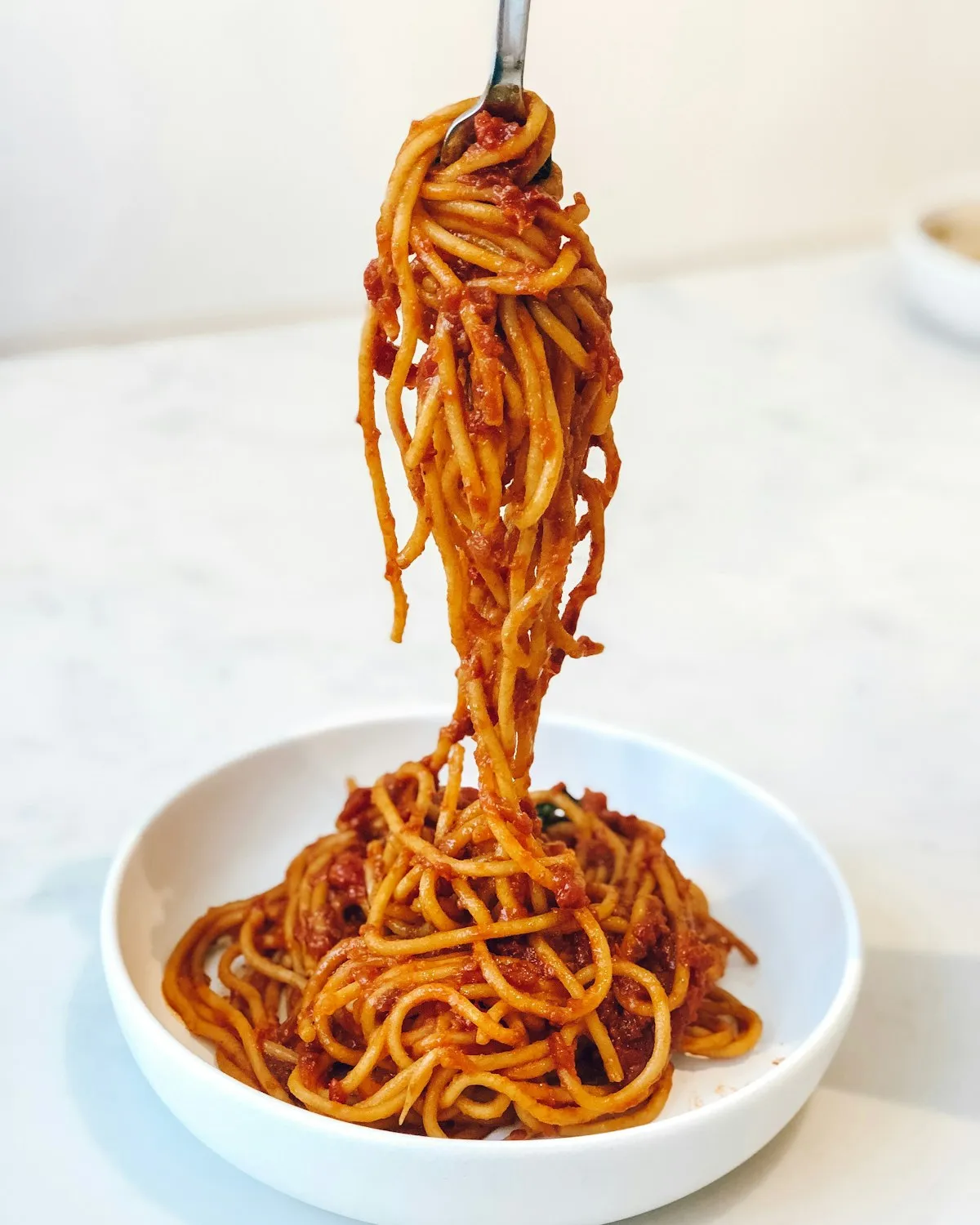
The Physics of Residual Heat
The biggest mistake you will make: and I say "will" because we’ve all done it: is scrambling the eggs. This happens because of a lack of respect for residual heat. Pasta is a heat sink. It holds onto energy long after it leaves the boiling water. If you toss your egg mixture into a pan that is still sitting over a direct flame, you aren't making a sauce; you’re making breakfast spaghetti.
Stop the heat. This is a non-negotiable command. Once your pasta is cooked and your pork is crispy, take the pan off the burner entirely. Better yet, move it to a cool part of the stove. You want the temperature of the pan to drop just enough so that the eggs thicken and "cook" without coagulating into solid clumps. Think of it as tempering. You are gently raising the temperature of the eggs using the heat of the pasta itself. Check the consistency constantly. If it looks too dry, add a splash of water; if it’s too runny, the residual heat will fix it in about thirty seconds of vigorous stirring.
Texture Engineering: Pasta Water is Gold
If you pour your pasta water down the drain, you are throwing away the most important ingredient in your kitchen. I call it "liquid gold" for a reason. During the boiling process, the pasta releases starch into the water. This starchy liquid is the "glue" that holds your emulsion together.
Without it, your sauce will be greasy and will slide right off the noodles, pooling at the bottom of the bowl. When you add a splash of that cloudy water to your egg and cheese mixture, the starch molecules physically get in between the fat droplets, preventing them from clumping together. This is why you should always undercook your pasta slightly: by about a minute: so it can finish its last stage of hydration inside the sauce, soaking up that flavorful emulsion. It’s the difference between a mediocre meal and one of those quick family meals everyone begs for every week.
The 30-Second Window
In the world of 15-minute cooking, timing is everything. Carbonara is a dish of momentum. From the moment the pasta hits the pan with the fat, you have a roughly 30-to-60-second window to achieve perfection. You need to be "active" with your tongs or pasta fork. Do not just let it sit. You are looking for the "slap" sound: that wet, rhythmic noise the pasta makes as it hits the side of the bowl. That sound tells you the sauce has reached the perfect viscosity. If you’re too slow, the pasta cools too much and the cheese won't melt properly, leaving you with a grainy texture. Move fast, be confident, and keep that pasta moving.
Soulful Variations for Every Mood
While the classic is untouchable, sometimes your soul needs a little variety. One of my favorite easy dinner recipes is a "Smoky Forest" Carbonara. Swap the guanciale for thick-cut smoked mushrooms (like King Oysters) sautéed until they are nearly jerky-like in texture. Add a pinch of smoked paprika to the egg mixture to mimic that porcine depth.
If you want something brighter, try a Lemon-Zest Carbonara. Adding the zest of one whole lemon and a massive amount of freshly cracked black pepper cuts through the richness of the yolks. It turns a heavy winter dish into something that feels like a spring afternoon. For the spice seekers, a drizzle of chili oil at the very end: after the emulsion is set: adds a "fricy" (fruity and spicy) kick that elevates the Pecorino's saltiness. These variations keep your kitchen repertoire fresh without requiring a trip to a specialty grocery store.
Balancing the Richness: Side Dish Pairings
Because Carbonara is essentially a bowl of fat and carbs (the best kind of bowl), you need a side dish that provides a "reset" for your palate. You’re looking for acidity and bitterness to cut through that silky coating.
Avoid heavy, buttery garlic bread; you already have enough fat on the plate. Instead, go for a simple arugula salad with a sharp lemon vinaigrette. The peppery bite of the arugula is the perfect foil to the creamy pasta. Alternatively, quick-steamed broccolini with a squeeze of charred lemon and a pinch of red pepper flakes offers a crunch that contrasts beautifully with the soft spaghetti. These pairings transform the dish from a "quick fix" into a balanced, thoughtful meal. For more inspiration on balancing flavors, check out our 15-minute meal guides.
FAQ: Science-Based Troubleshooting
Why did my cheese turn into a giant, rubbery clump?
This usually happens because you used pre-grated cheese. Pre-packaged shreds are coated in potato starch or cellulose to prevent them from sticking in the bag. This coating prevents the cheese from melting into the sauce, causing it to clump. Always grate your cheese fresh from the block. Also, ensure your pasta water isn't boiling-hot when it hits the cheese; it should be hot, but not "active" heat.
Can I use whole eggs instead of just yolks?
You can, but the texture will be different. The whites contain mostly water and protein that coagulates at a lower temperature than yolks. Using only yolks (or a high yolk-to-white ratio) results in a much richer, more stable emulsion that is less likely to scramble. If you do use whole eggs, be even more careful with your residual heat.
How do I reheat leftovers without making an omelet?
Carbonara is notoriously difficult to reheat because the emulsion breaks when exposed to high heat again. The best way is to do it slowly. Add a splash of water or milk to a pan over very low heat, add the pasta, and toss constantly just until it's warm. Never, ever put it in the microwave unless you want rubbery noodles and curdled eggs.
What if I don’t have Pecorino Romano?
Pecorino is traditional because it’s salty and sharp. Parmesan (Parmigiano-Reggiano) is a great substitute, but it’s nuttier and milder. If you use Parmesan, you might need an extra pinch of salt. Avoid "shaker" parmesan at all costs; it doesn't have the fat content required to emulsify.
Is this actually healthy?
In moderation, absolutely. It’s made of real, whole food ingredients: eggs, high-quality wheat, and fermented cheese. By focusing on the quality of the ingredients and skipping the processed creams, you’re creating a nutrient-dense meal that satisfies the soul and the body. If you’re looking for more healthy dinner ideas, this is a great way to incorporate high-quality proteins like eggs into your evening routine.
{“@type”:”BlogPosting”,”image”:”https://api.gantry.com/generate-image?prompt=A%20stunning%2C%20close-up%20shot%20of%20a%20silky%20carbonara%20plate.%20Long%20strands%20of%20spaghetti%20are%20coated%20in%20a%20glossy%2C%20golden-yellow%20sauce%20made%20from%20egg%20yolks%20and%20cheese.%20Crispy%2C%20golden-brown%20cubes%20of%20guanciale%20are%20scattered%20throughout%2C%20and%20a%20heavy%20dusting%20of%20freshly%20cracked%20black%20pepper%20sits%20on%20top.&aspectRatio=16:9″,”author”:{“name”:”Cookpedia”,”@type”:”Organization”},”@context”:”https://schema.org”,”headline”:”15-Minute Soulful Simplified Carbonara”,”publisher”:{“logo”:{“url”:”https://cookpedia.com/logo.png”,”@type”:”ImageObject”},”name”:”Cookpedia”,”@type”:”Organization”},”mainEntity”:[{“name”:”Why did my cheese turn into a giant, rubbery clump?”,”@type”:”Question”,”acceptedAnswer”:{“text”:”This usually happens because you used pre-grated cheese which contains anti-clumping agents like cellulose. Always grate your cheese fresh from a block for a smooth melt.”,”@type”:”Answer”}},{“name”:”Can I use whole eggs instead of just yolks?”,”@type”:”Question”,”acceptedAnswer”:{“text”:”Yes, but yolks provide a richer and more stable emulsion. Whites are more prone to scrambling, so be extra careful with residual heat if using whole eggs.”,”@type”:”Answer”}},{“name”:”How do I reheat leftovers without making an omelet?”,”@type”:”Question”,”acceptedAnswer”:{“text”:”Reheat slowly in a pan over very low heat with a splash of water or milk, tossing constantly. Avoid the microwave.”,”@type”:”Answer”}}],”description”:”Master the art of the 15-minute carbonara. Learn the science of emulsion, why to skip the cream, and how to use residual heat for a perfect, silky sauce every time.”,”datePublished”:”2026-06-15″,”mainEntityOfPage”:{“@id”:”https://cookpedia.com/15-minute-soulful-simplified-carbonara”,”@type”:”WebPage”}}