Recipe
Servings
Servings 1×
Ingredients
- Tofu
- Beans
- Noodles
- Rice
- Eggs
- Broccoli
- Carrots
- Mushrooms
- Greens
- Cucumber
- Onion
- Garlic
- Fresh ginger
- Lime
- Cooking oil
- Soy sauce or tamari
- Sesame
- Chili seasoning
Method
- Heat management is your next non-negotiable.
- Stir-frying is a game of evaporation.
- Cook in small batches if you have to.
- Press your extra-firm tofu for at least twenty minutes.
- Make sure your oil is shimmering and almost smoking before the noodles go in.
- Keep a small cup of water or vegetable broth next to your stove.
Forget the takeout menu and the forty-five-minute delivery wait. You can whip up a vibrant, restaurant-quality vegetable Pad Thai in your own kitchen faster than it takes to find the remote. This isn't just about throwing noodles in a pan; it’s about mastering the delicate balance of sweet, sour, and salty that makes Thai street food so iconic. If you are looking for fresh plant-based dinner ideas, this dish is your new best friend. It’s light, punchy, and surprisingly easy once you respect the science of the stir-fry.
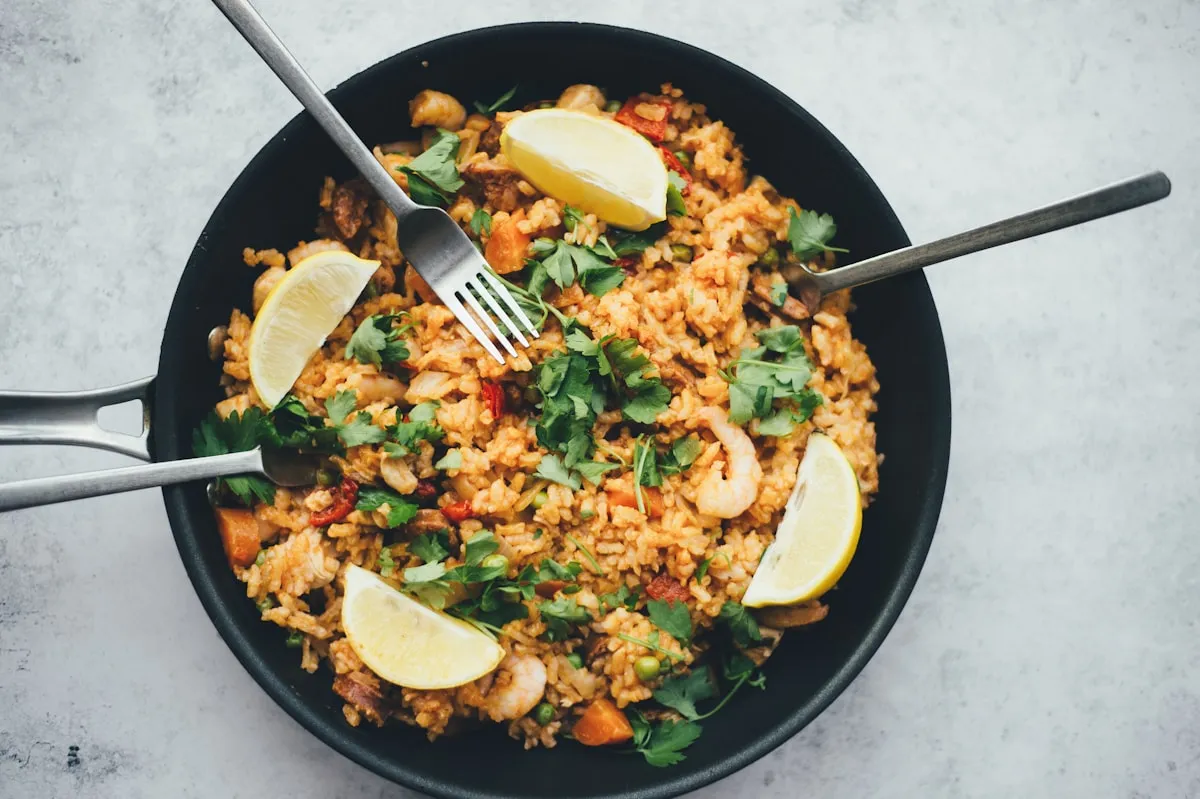
The Science of the Perfect Chew
The soul of Pad Thai lies in the texture of the rice noodles. Most home cooks ruin the dish before they even turn on the stove by boiling their noodles. Stop doing that. Boiling triggers full starch gelatinization, leaving you with a gummy, clumpy mess that breaks apart when it hits the wok. Instead, soak your dried rice noodles in hot (not boiling) tap water. You want them to reach a state where they are flexible and bendy but still have a slightly firm, almost chalky core. Think of it as "pre-cooking." They should finish their hydration journey inside the pan, where they will suck up the sauce like a sponge instead of just sitting in it.
Heat management is your next non-negotiable. Stir-frying is a game of evaporation. You need a screaming hot pan: ideally a carbon steel wok: to ensure that moisture from your vegetables evaporates instantly. If your pan is too cold or too crowded, your vegetables will dump their internal water and steam the noodles, turning your dinner into a soggy pile of regret. Cook in small batches if you have to. If you see liquid pooling at the bottom of the pan, your heat is too low.
Don't neglect the tofu. To get that signature chewy, golden exterior, you must remove as much water as possible. Press your extra-firm tofu for at least twenty minutes. This allows the Maillard reaction: the chemical reaction between amino acids and reducing sugars: to occur properly. Without pressing, the tofu spends all its time in the pan evaporating surface moisture rather than browning. If you’re a fan of air fryer recipes dinner, try tossing your pressed tofu cubes in the air fryer for 10 minutes at 400°F (200°C) before adding them to the noodles. It’s a brilliant shortcut for achieving that perfect "skin" without the mess of deep frying.
Creative Variations for Every Crate
While the classic version is hard to beat, the beauty of healthy weeknight dinners is their flexibility. You can easily swap the traditional tamarind base for a mix of lime juice and rice vinegar if you’re in a pinch, though you’ll lose some of that deep, fruity earthiness. For those who want more crunch, swap the traditional carrots for julienned broccoli stems or shredded purple cabbage. These hardy vegetables stand up beautifully to high heat and add a visual pop that makes the dish feel like a celebration.
If you aren't strictly plant-based, scrambling an egg into the corner of the wok just before the noodles are finished adds a creamy richness that balances the sharp acidity of the tamarind. For the spice hunters, don't just settle for chili flakes; try whisking a teaspoon of sambal oelek or sriracha directly into your sauce. This ensures the heat is distributed evenly throughout the dish rather than hitting you in one concentrated, painful bite of dried chili.
Balancing the Plate
Pad Thai is a heavy hitter when it comes to flavor: it's sweet, sour, and salty all at once. To keep your palate from getting overwhelmed, pair it with side dishes that focus on high-vibrancy acidity or cool, refreshing textures. A simple smashed cucumber salad with plenty of rice vinegar and a hint of sesame oil works wonders. The coolness of the cucumber resets your taste buds between bites of the rich, savory noodles.
Alternatively, a light ginger-infused broth can act as a perfect palate cleanser. Avoid anything too creamy or heavy; the noodles already provide plenty of substance. You want sides that "cut" through the richness of the stir-fried oil and peanuts. Even a simple plate of sliced radishes or extra lime wedges on the table can provide that much-needed hit of brightness. If you've mastered this, check out my guide on achieving the perfect glossy sauce for other noodle varieties.
Troubleshooting Your Stir-Fry
Why are my noodles sticking to the pan?
This usually happens for two reasons: either your pan wasn't hot enough when you added the oil, or you didn't use enough fat. Rice noodles are incredibly starchy and will bond to a cold pan like glue. Make sure your oil is shimmering and almost smoking before the noodles go in. Also, ensure you’ve drained your soaked noodles thoroughly; excess water leads to sticking and clumping.
Can I substitute soy sauce for fish sauce?
Absolutely. To mimic the deep umami and funky fermented notes of fish sauce in a plant-based version, use a high-quality light soy sauce combined with a small splash of vegan Worcestershire sauce or mushroom seasoning powder. This provides the depth without the seafood.
What if I can't find tamarind paste?
Tamarind provides a specific type of tartness that is hard to replicate perfectly. However, a 50/50 mix of lime juice and brown sugar is the best emergency substitute. It won't have the same dark, molasses-like complexity, but it will provide the necessary acidic backbone to the dish.
How do I prevent my vegetables from getting mushy?
Respect the "order of operations." Start with your hard aromatics (garlic, shallots), then move to firm vegetables like carrots or broccoli. The delicate items, like bean sprouts and green onions, should only hit the pan in the final thirty seconds. They should be barely wilted, retaining their "snap" to provide a texture contrast against the soft noodles.
My sauce is too thick and won't coat the noodles.
Keep a small cup of water or vegetable broth next to your stove. If the sauce looks too concentrated or the noodles are sticking together, add a tablespoon of liquid at a time. The steam will help loosen the noodles and distribute the flavors without diluting the sauce too much. For more quick meal inspiration, you might enjoy this one-basket medley.
{“@type”:”BlogPosting”,”image”:”https://cdn.marblism.com/fz_ilH-00gr.webp”,”author”:{“name”:”Penny”,”@type”:”Person”},”@context”:”https://schema.org”,”headline”:”Quick Vegetable Pad Thai”,”publisher”:{“logo”:{“url”:”https://cookpedia.com/logo.png”,”@type”:”ImageObject”},”name”:”Cookpedia”,”@type”:”Organization”},”description”:”Master the art of Quick Vegetable Pad Thai with this science-backed guide. Learn how to avoid mushy noodles and achieve restaurant-quality results at home.”,”datePublished”:”2026-05-22″,”mainEntityOfPage”:{“@id”:”https://cookpedia.com/quick-vegetable-pad-thai”,”@type”:”WebPage”}}