Recipe
Servings
Servings 1×
Ingredients
- Tofu
- Quinoa
- Noodles
- Rice
- Cauliflower
- Greens
- Cooking oil
- Soy sauce or tamari
- Chili seasoning
Method
- Prepare the ingredients described in the article and heat the cooking surface or oven as directed.
- Cook the main ingredients using the heat and timing guidance in the article.
- Finish with the seasonings and garnishes named in the article, then serve.
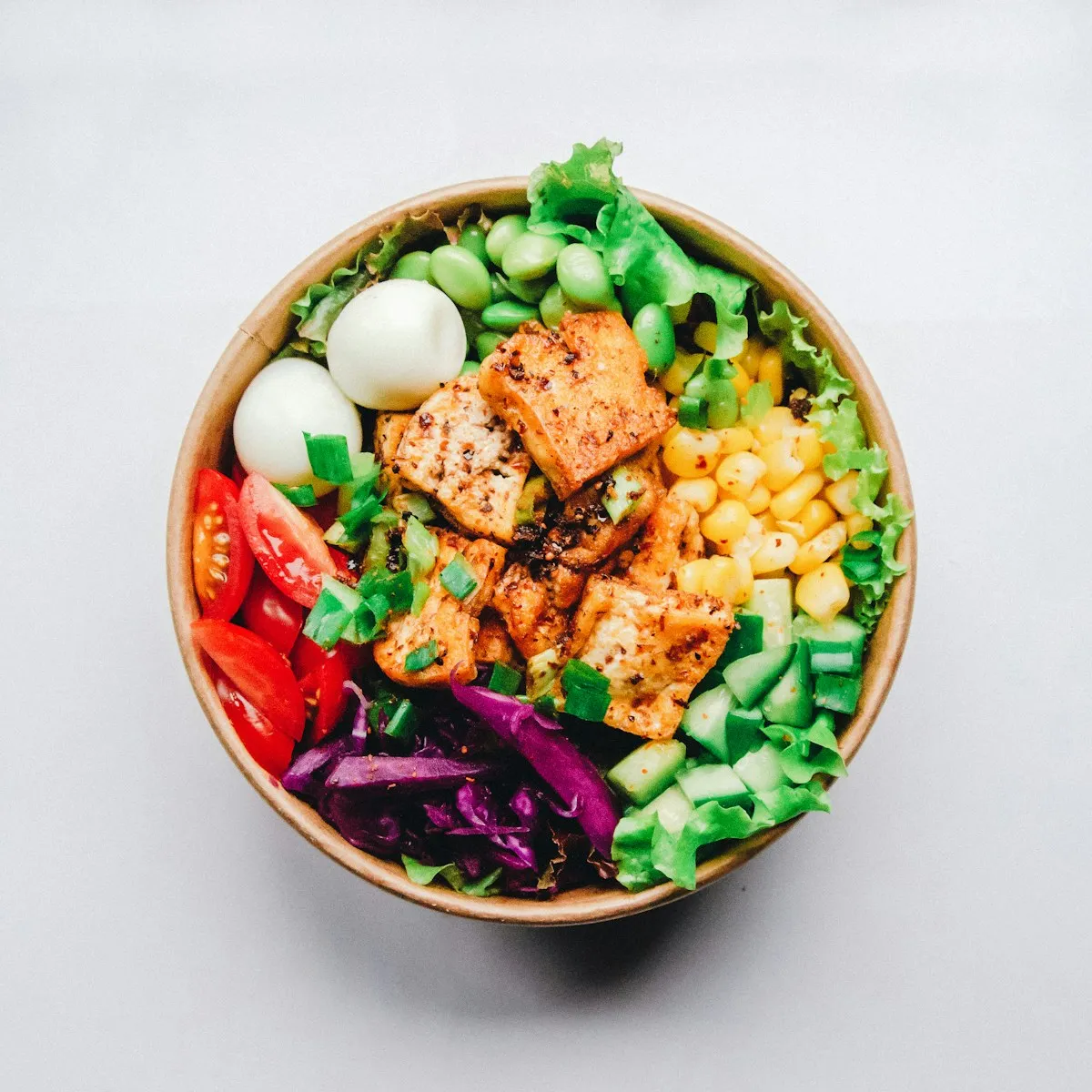
If you’ve been hovering around the plant-based aisle wondering what that beige, shrink-wrapped block of fermented soybeans actually does, it’s time to stop staring and start searing. Tempeh is the misunderstood powerhouse of plant-based dinner ideas, offering a nutty flavor and a firm texture that puts soggy tofu to shame. These Teriyaki Glazed Tempeh Bowls are my go-to for quick healthy meals that actually satisfy a craving for something salty, sweet, and substantial.
The Science of the Steam: Why Your Tempeh Needs a Sauna
Most people skip the most crucial step when cooking tempeh, and that is why they think they hate it. Tempeh is made from fermented whole soybeans, which gives it that incredible protein density, but the fermentation process can leave behind a bitter, "funky" aftertaste. Don’t just throw it in the pan; give it a ten-minute steam first.
Think of steaming as a spa treatment for your protein. The heat and moisture serve two scientific purposes: first, the steam leeches out those bitter compounds that can overwhelm a dish. Second, it opens up the "pores" of the tempeh block. Much like a dry sponge won't absorb a spill as well as a damp one, steamed tempeh is far more receptive to the teriyaki glaze. When those pores are open, the sauce doesn't just sit on the surface; it migrates into the center of each piece, ensuring flavor in every single bite.
Once steamed, you need to master the Maillard reaction. This is the chemical reaction between amino acids and reducing sugars that gives browned food its distinctive flavor. Because tempeh is low in moisture compared to tofu, it crisps up beautifully in a hot skillet. Use a high-smoke-point oil and let those edges get truly golden-brown before you even think about adding your sauce. If you add the glaze too early, the sugar in the teriyaki will burn before the tempeh has a chance to develop that essential structural crunch.
Creative Variations for Every Table
One of the reasons this dish ranks so highly among my favorite healthy dinner ideas is its sheer versatility. While the classic teriyaki profile is a crowd-pleaser, you can easily pivot the flavor profile based on what is lurking in your pantry.
If you’re a fan of heat, whisk a tablespoon of gochujang or sriracha into your glaze. The fermentation of the chili paste mirrors the fermentation of the tempeh, creating a complex depth that hits the back of your throat just right. For those who need to avoid soy, swap the traditional soy sauce for coconut aminos. It’s naturally sweeter and soy-free, making it a great alternative for sensitive systems while still providing that dark, umami base we’re looking for.
Don't feel tethered to white rice, either. While jasmine rice is the traditional vessel for soaking up extra glaze, swap it out for quinoa or even cauliflower rice if you're keeping things light. If you are looking for quick family meals that please everyone, try serving the glazed tempeh in lettuce cups or over crispy rice noodles for a bit of textural variety. The goal is balance: you want a neutral, absorbent base to catch the run-off from that glossy, reduced sauce.
Side Dish Pairings: Acidity and Crunch
Because the teriyaki glaze is inherently rich, sweet, and salty, your side dishes need to do some heavy lifting in the acidity department. A rich bowl of glazed tempeh needs a sharp "cutter" to keep your palate from getting fatigued.
I highly recommend a quick-pickled cucumber and carrot slaw. The vinegar in the pickles provides a much-needed acidic punch that cuts right through the sugar of the glaze. It also provides a cooling contrast to the warm, seared tempeh. If you want something more substantial, charred bok choy or steamed broccoli florets are classic for a reason. The slight bitterness of dark leafy greens balances the sweetness of the mirin and honey in the sauce. For more inspiration on building the perfect plate, check out our full collection of plant-based dinner ideas on the main site.
Frequently Asked Questions
Why is my tempeh still bitter even after steaming?
If you still detect a bitter note, increase your steaming time by five minutes and ensure you are using fresh tempeh. Older tempeh continues to ferment in the package, which can intensify the flavor. Also, check your glaze; a generous amount of ginger and garlic helps mask any lingering earthiness.
Can I make this in the air fryer instead of a skillet?
Absolutely. Using an air fryer is one of the best air fryer recipes dinner hacks for tempeh. Toss the steamed cubes in a tiny bit of oil and air fry at 400°F (200°C) for 10-12 minutes until crispy. Toss them in the glaze after they come out of the air fryer to prevent the sugar from burning in the high-velocity air.
Is tempeh actually healthier than tofu?
Health is subjective, but from a purely nutritional standpoint, tempeh is generally higher in protein and fiber because it uses the whole bean. Because it’s fermented, it’s often easier on the digestive system for people who struggle with other soy products. It's a gold standard for anyone looking for quick healthy meals.
How do I store leftovers without the tempeh getting soggy?
Store the glazed tempeh separately from the rice and vegetables. When you're ready to reheat, use a toaster oven or a dry skillet rather than a microwave. This helps re-crystallize the sugars in the glaze and brings back some of that initial sear.
Do I have to use mirin for the glaze?
Mirin adds a specific gloss and tang, but if you don't have it, a splash of rice vinegar mixed with a teaspoon of sugar will get you 90% of the way there. Avoid using regular white vinegar, as it’s far too harsh for a delicate glaze like this.
Can I freeze cooked tempeh?
You can, but the texture will change slightly, becoming a bit more crumbly. If you must freeze it, do so without the glaze, then sear and sauce it fresh when you're ready to eat. For the best experience, I recommend eating this fresh( it only takes 15 minutes, after all!)