Recipe
Servings
Servings 1×
Ingredients
- Greek yogurt
- Tortillas
- Bread
- Avocado
- Onion
- Lime
- Cooking oil
- Chili seasoning
Method
- Let’s get into how you can turn a basic pound of beef into a masterpiece.
- Use a large cast-iron or heavy-bottomed skillet and cook in batches if necessary.
- Press the meat down into the hot pan and let it sit undisturbed for at least three to four minutes.
- Stir the spices into the fat until they become fragrant and slightly darker, then incorporate them back into the meat.
- Drain most of it, but leave about a tablespoon behind; fat is a flavor carrier.
- Use fresh jalapeños for a bright, grassy burn or dried chipotle flakes for a slow, lingering smoke.
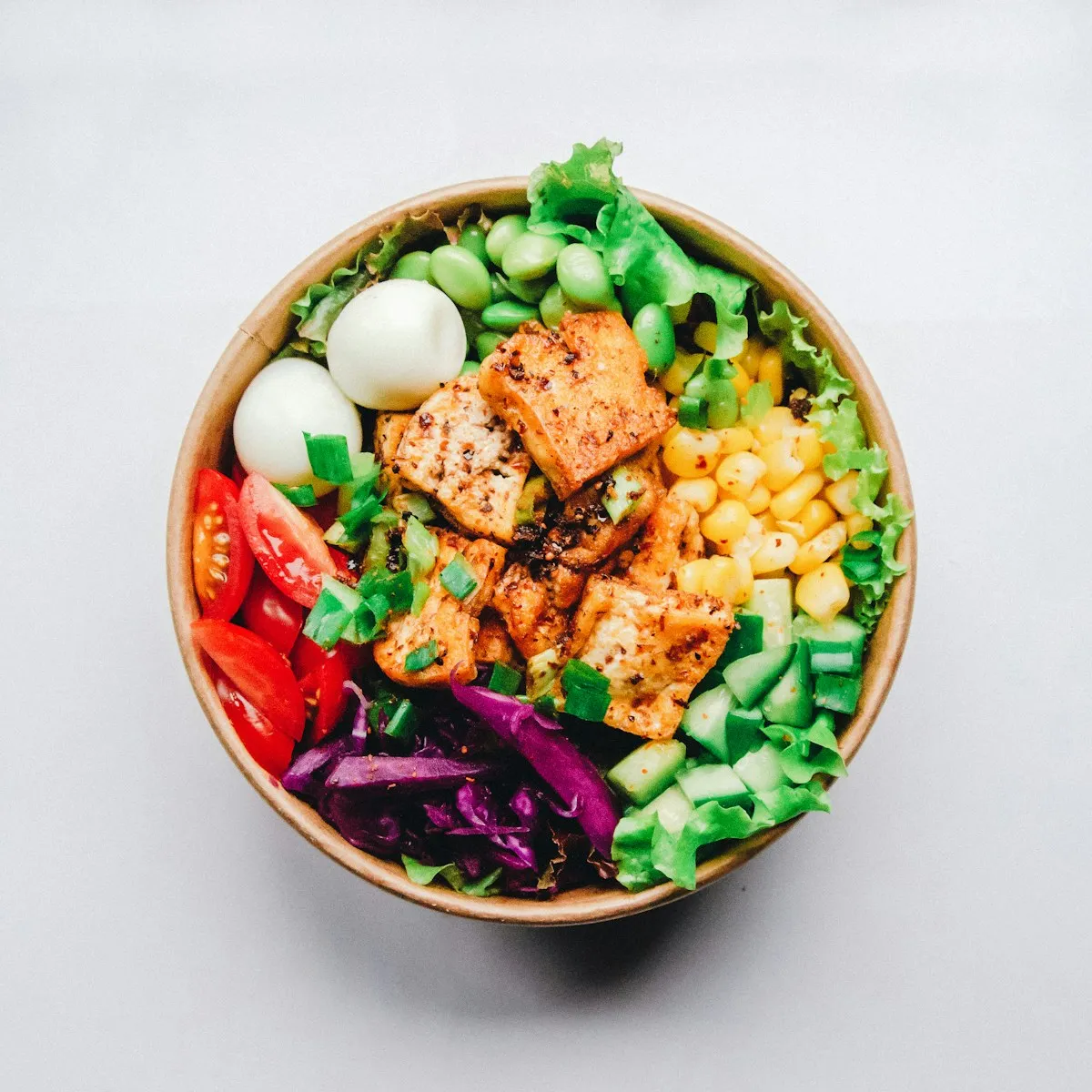
If you’ve ever stood on a street corner at midnight waiting for a plate of tacos, you know that the secret isn’t in a long list of fancy ingredients. It’s about high heat, perfectly seasoned meat, and the zing of a fresh lime. My blog is all about bringing that soulful, high-impact flavor into your kitchen without the wait. These quick ground beef street tacos are the ultimate solution when you need quick healthy meals that don't taste like a compromise. Let’s get into how you can turn a basic pound of beef into a masterpiece.
The Chemistry of the Crunch: Master the Maillard Reaction
The difference between "gray, boiled-looking meat" and "street-style taco meat" is a chemical process called the Maillard reaction. This is where amino acids and sugars in the beef react under high heat to create hundreds of new flavor compounds and that deep, brown crust we crave. To achieve this, you must treat your skillet like a sacred space.
First, stop overcrowding the pan. If you dump two pounds of meat into a small skillet, the moisture released from the meat has nowhere to go. Instead of browning, the beef will sit in a pool of its own juice and steam. This results in a rubbery texture and a flat flavor profile. Use a large cast-iron or heavy-bottomed skillet and cook in batches if necessary.
Second, resist the urge to stir constantly. You aren't making a stew. Press the meat down into the hot pan and let it sit undisturbed for at least three to four minutes. You want to see dark, caramelized edges before you even think about breaking it up. This is one of those easy dinner recipes where patience pays off in the form of concentrated, savory flavor.
Blooming: The Flavor Shortcut
Most home cooks sprinkle their spices over the meat at the very end. Stop doing that. To unlock the full potential of your dried spices, you need to "bloom" them. Spices like cumin, chili powder, and smoked paprika contain fat-soluble flavor compounds. When you toast them in a little bit of oil or the rendered beef fat for 30 to 60 seconds before adding any liquids, you amplify their aroma and taste significantly.
Push the browned meat to the edges of the pan, creating a "well" in the center. If the pan looks dry, add a teaspoon of oil. Drop your spices into that hot fat. You’ll know it’s working when the kitchen starts to smell like a professional taquería. Stir the spices into the fat until they become fragrant and slightly darker, then incorporate them back into the meat. This technique ensures every morsel of beef is infused with deep, smoky notes rather than just being coated in a gritty powder.
Moisture is the Enemy of Texture
While you want your meat to be juicy, you don't want it to be greasy or watery. Once your meat is browned and bloomed, you might notice an excess of rendered fat. Drain most of it, but leave about a tablespoon behind; fat is a flavor carrier. If you are aiming for quick family meals that feel light, you can deglaze the pan with a splash of beef stock or even water to scrape up those delicious browned bits (the "fond") from the bottom of the skillet without adding heavy sauces.
Check the texture of your tortillas too. A street taco is nothing without a pliable, slightly charred tortilla. Avoid the microwave. Instead, use a dry skillet or a gas flame to toast each tortilla for 20 seconds per side. This adds a subtle smoky flavor and prevents the tortilla from tearing under the weight of the beef and salsa.
Texture Shifts and Acid Balance
Street tacos thrive on the contrast between the rich, salty beef and bright, acidic toppings. If you want to elevate your taco game, focus on the "crunch factor." Traditional street tacos use finely diced white onions and cilantro, but you can experiment with different textures to keep things interesting.
Consider adding thinly sliced radishes for a peppery snap or pickled red onions for a hit of vinegar that cuts right through the fat of the beef. If you prefer a bit of creaminess without the heavy dairy, a few slices of fresh avocado or a dollop of Greek yogurt can provide that mouthfeel while keeping these as healthy dinner ideas.
For heat, don't just rely on hot sauce. Use fresh jalapeños for a bright, grassy burn or dried chipotle flakes for a slow, lingering smoke. Always finish with a heavy squeeze of lime juice right before eating. The citric acid acts as a flavor "highlighter," making all the spices you bloomed earlier pop on your palate.
Side Dish Pairings: Balancing the Plate
When you're putting together easy dinner recipes, the sides should be just as low-effort as the main event. You want dishes that complement the spices of the beef without overwhelming them.
A simple cilantro lime rice is a classic for a reason; the citrus mirrors the lime in the tacos, while the rice soaks up any stray juices. If you want something more vegetable-forward, try a Mexican-style "street corn" salad. You can even use your air fryer to roast corn kernels until they are slightly charred and nutty, then toss them with a little lime, chili powder, and a sprinkle of cotija cheese. This is a great way to incorporate air fryer recipes dinner techniques into a cohesive Mexican-inspired spread. Another solid option is a simple black bean salad with corn and bell peppers, dressed in a light cumin-lime vinaigrette to keep the meal balanced and fresh.
FAQ: Science and Solutions
What if my meat is releasing too much water?
This usually happens if the meat was previously frozen or if the pan wasn't hot enough. If you see liquid pooling, don't panic. Carefully drain the liquid into a bowl, add a touch more oil to the pan, and continue browning. You can add a tablespoon of that liquid back in later during the deglazing phase to reclaim the lost flavor.
Can I use lean ground beef for street tacos?
You can, but keep in mind that fat carries flavor and provides moisture. If you use 90% or 95% lean beef, the meat can become dry and crumbly. To fix this, add a little extra olive oil when blooming your spices or use a splash of beef broth at the end of cooking to keep the meat succulent. It’s an easy way to keep your healthy dinner ideas from tasting like cardboard.
Why do my corn tortillas always break?
Corn tortillas are naturally gluten-free and can be brittle. The secret is heat and moisture. Toasting them in a pan with a tiny drop of oil or a splash of water creates steam that softens the internal structure. Keep the toasted tortillas wrapped in a clean kitchen towel until you are ready to serve; the residual steam will keep them flexible.
Should I wash the beef before cooking?
Absolutely not. Washing meat is a food safety hazard as it splashes bacteria around your sink. More importantly for the cook, it adds surface moisture. As we discussed, moisture is the enemy of the Maillard reaction. Use a paper towel to pat the meat dry if it looks particularly wet when it comes out of the package.
Can I make the meat ahead of time?
Yes, ground beef taco meat reheats beautifully. However, wait to add the fresh lime and cilantro until you are actually serving. Reheating the meat in a skillet with a splash of water will help it regain its juicy texture without drying out. For more kitchen inspiration, check out our other guides on Cookpedia.