Recipe
Servings
ahead salad. In plain English: chilled chickpeas are not just convenient, they are structurally and nutritionally useful. 1×
Serves ahead salad. In plain English: chilled chickpeas are not just convenient, they are structurally and nutritionally useful.
Ingredients
- Chickpeas
- Beans
- Quinoa
- Rice
- Tortillas
- Bread
- Cucumber
- Onion
- Garlic
- Fresh ginger
- Lemon
- Mustard
- Curry spices
- Turmeric
- Salt
- Black pepper
Method
- Use well-cooked chickpeas, and if the salad sits in the fridge for a bit before serving, that is not a problem.
- Keep enough smashed chickpeas to form a creamy base, but leave enough pieces intact so the salad still has bite.
- Keep the watery stuff limited, or add it right before serving if you want the texture to stay lively.
- Season, taste, and adjust.
- Keep the crunchy ingredients chopped a bit larger when you want texture to stick around.
- Keep the balance of creamy, bright, savory, and crisp intact.
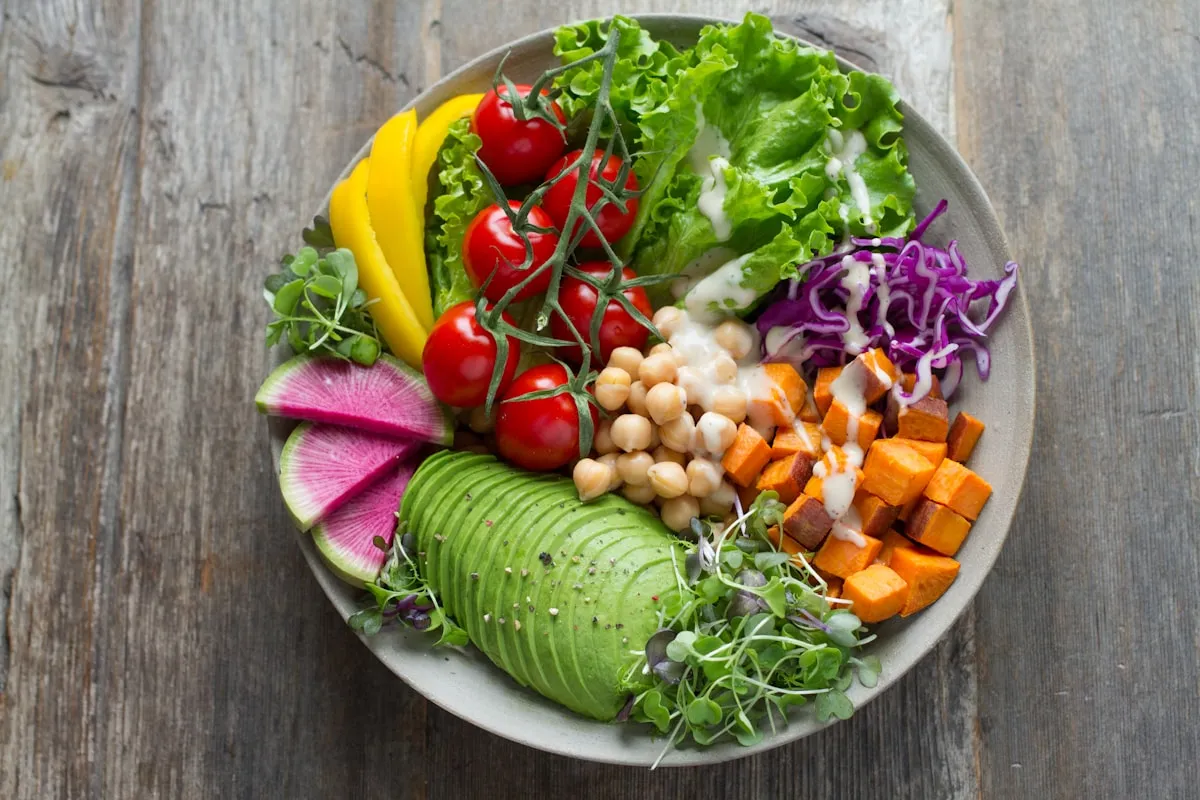
Forget what you think you know about plant-based substitutions. If you have ever stared longingly at a tuna salad sandwich but wanted something lighter, brighter, and entirely meat-free, this smashed chickpea salad is your new best friend. It is the ultimate heavy-hitter for healthy dinner ideas, delivering that familiar deli-salad satisfaction with chickpeas doing the heavy lifting. It is soulful, simple, and ready before your bread even finishes toasting.
Why Chickpeas Work So Hard: Protein, Fiber, and Resistant Starch
Chickpeas are the overachievers of the pantry. They bring protein, they bring fiber, and they bring enough starch to create a creamy salad without needing a chemistry degree or a gallon of mayo. That is why this dish works so well for busy lunches, easy dinners, and those “I need something filling but not ridiculous” moments.
The protein matters because it gives the salad staying power. You want food that keeps you satisfied, not a lunch that vanishes from your system before your afternoon email spiral kicks in. Chickpeas also bring fiber, which slows digestion and helps the meal feel steady rather than spiky. Together, protein and fiber make this one of those healthy dinner ideas that actually earns its keep.
Now let’s talk about the starch piece, because this is where chickpeas get quietly clever. Chickpeas contain resistant starch, a form of starch that resists digestion in the small intestine and behaves more like fiber. That means it contributes to fullness and can help make the meal feel more balanced. It is one reason chickpea salads often feel pleasantly substantial rather than heavy in a nap-immediately way. Resistant starch can also increase after cooking and cooling, which is great news for a make-ahead salad. In plain English: chilled chickpeas are not just convenient, they are structurally and nutritionally useful.
Here is the practical takeaway. Use well-cooked chickpeas, and if the salad sits in the fridge for a bit before serving, that is not a problem. It can actually improve both flavor and texture. The starches settle, the dressing clings better, and the whole bowl tastes more cohesive. Pantry food doing elite work again.
The Science of the Smash: Mechanics, Texture, and Flavor Release
Smashing is not just rustic theater. It changes the mechanics of the food. Once you crush chickpeas, you rupture cell walls, expose starch, and create rough surfaces that grab onto fat, acid, salt, and aromatics. That roughness is the secret. Smooth things slide. Craggy things hold flavor.
Leave the mixture too chunky and every bite tastes a little disconnected, like the dressing landed on some beans and forgot the rest. Mash it too far and you cross into gummy paste. Aim for uneven texture. Keep enough smashed chickpeas to form a creamy base, but leave enough pieces intact so the salad still has bite. That contrast is what makes it satisfying.
The same idea applies to the vegetables in the mix. Even if you are chopping rather than fully crushing them, the mechanics matter. When you press, bruise, crush, or finely chop vegetables and herbs, you break more cells and release more flavor compounds. Onion gets sharper. Celery gets more aromatic. Herbs get louder. Garlic definitely gets louder. This is why a roughly crushed aromatic can taste more vivid than a neatly sliced one. More cellular damage equals more immediate flavor release.
Use that on purpose. Smash chickpeas for body. Finely chop or lightly crush aromatic vegetables for punch. Do not pulverize everything into oblivion. You want controlled damage, not vegetable confetti sludge.
Why Surface Area Changes Everything
Surface area is the quiet hero here. The more exposed surface you create, the more room there is for seasoning to stick and absorb. This is why smashed chickpeas taste more seasoned than whole chickpeas tossed with the exact same dressing. It is also why a bit of resting time helps. Salt, acid, and aromatic compounds need contact to do their job, and smashing gives them a lot more real estate.
This is also where water management matters. Vegetables with high water content can dilute the salad if they sit too long after being salted. That is not the recipe betraying you. That is osmosis doing what osmosis does. Keep the watery stuff limited, or add it right before serving if you want the texture to stay lively.
Build a Better Binder
Chickpeas are naturally dense and a touch dry, so they need a binder that smooths the texture and carries flavor. Fat does the heavy lifting here. It coats the starches and helps flavors linger on the palate. Acid keeps all that richness from turning sleepy. Salt makes both sides of that equation taste more complete.
This is basic emulsion logic, and it is wildly useful. The creamy element gives body. The acid keeps the body from feeling heavy. The salt makes the whole thing feel intentional instead of beige. If the salad tastes dull, fix brightness first. If it tastes harsh, round it out with more creaminess. Use balance, not panic.
Flavor Layering That Makes Plant-Based Food Taste Like a Plan
Plant-based salads do not get to coast on default savory flavor. You have to build it. The upside is that once you understand the layers, this becomes one of the easiest categories to master.
Start with salt. Salt is not just there to make the salad taste “more.” It reduces bitterness, heightens aroma, and helps chickpeas taste nuttier and fuller. Season, taste, and adjust. Do not wait until the end and then try to rescue the whole bowl with one dramatic pinch. That is not seasoning. That is gambling.
Bring in acid next. Lemon juice, vinegar, chopped pickles, capers, or even a spoonful of brine keeps the salad from feeling flat. Chickpeas are mild and starchy, which is lovely, but that mildness needs contrast or it can read as dull. Acid gives the mixture edge and keeps the richness moving.
Then add umami. This is the piece many people miss when they say a plant-based dish tastes like it is missing “depth.” Mustard, capers, nutritional yeast, miso, roasted garlic, and seaweed all help because they bring glutamates and aromatic complexity. You do not need all of them. You do need at least one solid savory anchor if you want the salad to taste finished.
And yes, crunch matters. Celery, onion, pickles, seeds, and crisp add-ins change how your mouth experiences the whole bowl. A soft salad with no textural contrast tastes heavier than it really is. A creamy salad with little pops of crunch feels brighter, fresher, and more alive.
Why Crushed Vegetables Taste Stronger
This is one of my favorite small kitchen truths. Crush a vegetable and you increase flavor release because you are physically rupturing more cells. That releases sulfur compounds in onion, aromatic oils in herbs, and volatile molecules in celery and garlic. In other words, the vegetables are not being dramatic. You are literally unlocking more of what they contain.
Use that wisely. Crush or finely mince the bold ingredients when you want more punch without increasing volume. Keep the crunchy ingredients chopped a bit larger when you want texture to stick around. That is how you get a salad that tastes layered instead of just busy.
Smart Variations That Keep the Balance
This salad is flexible, but do not confuse flexibility with culinary free-for-all. Keep the balance of creamy, bright, savory, and crisp intact.
For a Mediterranean direction, lean on olives, capers, parsley, dill, and extra lemon. That combo works because the briny notes cut through the rich binder and make the chickpeas taste brighter.
For a curry version, use turmeric, cumin, coriander, and ginger with a light hand. Chickpeas love warm spices, but they still need acid to stay lively. Add brightness or the whole thing can drift into dusty, heavy territory.
For a spicy deli version, use Dijon, cracked black pepper, chopped pickles, and a tiny touch of smoked paprika. That gives you heat, tang, and a little smoky backbone. It is the kind of filling that fits neatly into quick family meals because it works in sandwiches, wraps, or grain bowls without much extra effort.
For a green herb version, go hard on dill, parsley, chives, or tarragon right before serving. Fresh herbs are packed with volatile compounds, so they make dense food feel lighter almost instantly. If the salad has been chilling for a while and tastes muted, herbs are a fast fix.
Perfect Pairings: Contrast is King
A great dish is only as good as its neighbors. Because smashed chickpea salad is creamy, dense, and savory, pair it with foods that bring crunch, bitterness, or acidity. Contrast keeps the meal from feeling monotonous.
My top recommendation is still a zesty arugula salad. Arugula’s peppery bitterness slices right through the richness and resets your palate between bites. It is the culinary version of opening a window, except actually relevant to lunch.
If you are serving the salad as a sandwich, choose bread with character. Sourdough works especially well because its tang mirrors the acidic notes in the filling. Whole-grain bread is also smart here, not just for texture but because it complements the chickpeas’ protein profile and makes the meal feel more complete. For lighter healthy dinner ideas, scoop the salad into romaine leaves, cucumber boats, or radicchio cups. Those crisp vegetables add hydration and crunch, two things a dense mash desperately loves.
Pickles on the side are not optional if you ask me. They cut richness, sharpen every bite, and stop the whole plate from drifting into beige-on-beige boredom.
Smashed Chickpea FAQ: Your Science-Based Guide
Why did my chickpea salad turn watery after a few hours?
This usually comes down to osmosis. If you mix in high-water vegetables and salt them, the salt pulls moisture out and that liquid ends up in the bowl. To avoid that, use crunchy but relatively low-moisture vegetables for the main mix, and save watery add-ins for the last minute. If the salad is for meal prep, this matters even more.
Can I use dried chickpeas instead of canned?
Absolutely. In fact, dried chickpeas often give you better control over texture. Cook them until tender but not collapsing, and they will mash beautifully while still keeping some structure. A pinch of baking soda in the cooking water can help soften skins, which makes smashing easier. Rinse canned chickpeas well if you use them, because leftover canning liquid can make the flavor muddy.
Does resistant starch really matter here?
Yes, but in a useful, normal-person way. Resistant starch acts more like fiber than rapidly digested starch, which can help with satiety and steadier digestion. Chickpeas naturally contain some, and cooling cooked chickpeas can support its formation. That means this salad is one of those rare leftovers that can get more interesting after a chill instead of less.
Is this actually a complete protein?
Chickpeas are rich in plant protein, but they are lower in some essential amino acids like methionine. Pair them with whole grains over the course of the day and you round out the profile nicely. That is why whole-grain bread, brown rice, or quinoa work so well alongside this salad. It is simple nutrition, not an algebra exam.
Why does smashed salad taste better than just stirred chickpeas?
Because smashing changes both texture and flavor release. It breaks cell walls, exposes starch, and creates rough surfaces that hold onto seasoning better. It also helps aromatic ingredients distribute more evenly. In short, more contact equals more flavor. Lazy stirring has its place. This is not one of them.
How do I get that "fishy" flavor without the fish?
Use seaweed sparingly. Nori or dulse adds iodine, salinity, and umami, which creates that breezy ocean note people associate with tuna salad. Use a little. You are aiming for subtle briny depth, not “my sandwich fell off a boat.”
My mash feels too heavy. How do I lighten it up?
Loosen it with a little extra acid or a small splash of cold water before reaching for more creamy binder. Then add herbs or crunchy vegetables for lift. Fresh dill, parsley, celery, or pickles can make the whole bowl feel brighter without changing the core texture too much.
What if I want even more protein without ruining the texture?
Pair it with whole-grain bread or grains rather than overloading the mixture itself. You can also use a protein-forward binder if that fits your style, but keep the texture creamy and scoopable. Once the salad turns stiff or rubbery, the numbers may look nice on paper, but lunch has lost the plot.
What if the flavor seems flat even after salting?
Add acid, umami, or fresh aromatics before adding more salt. Flat bean salads usually need contrast, not just sodium. Lemon, vinegar, chopped pickles, mustard, capers, or herbs can wake everything up fast. Salt is important, but it is not magic. Layering is.