Recipe
Servings
Servings 1×
Ingredients
- Steak
- Chickpeas
- Rice
- Potatoes
- Sweet potatoes
- Cucumber
- Onion
- Lemon
- Balsamic vinegar
- Mustard
- Feta
- Cooking oil
Method
- Use a paper towel and pat the steak very dry before it touches heat.
- Use enough heat and enough surface area so the outside can dehydrate fast and the Maillard reaction can do its thing.
- Use a meat thermometer and pull the steak when it is about 5 degrees shy of your target temperature.
- Give it at least five to ten minutes.
- Use this trick especially with flank or skirt steak, where the muscle structure is very obvious and very bossy.
- Keep going and you get a glossy reduction that clings to steak and greens instead of sliding off like it has somewhere better to be.
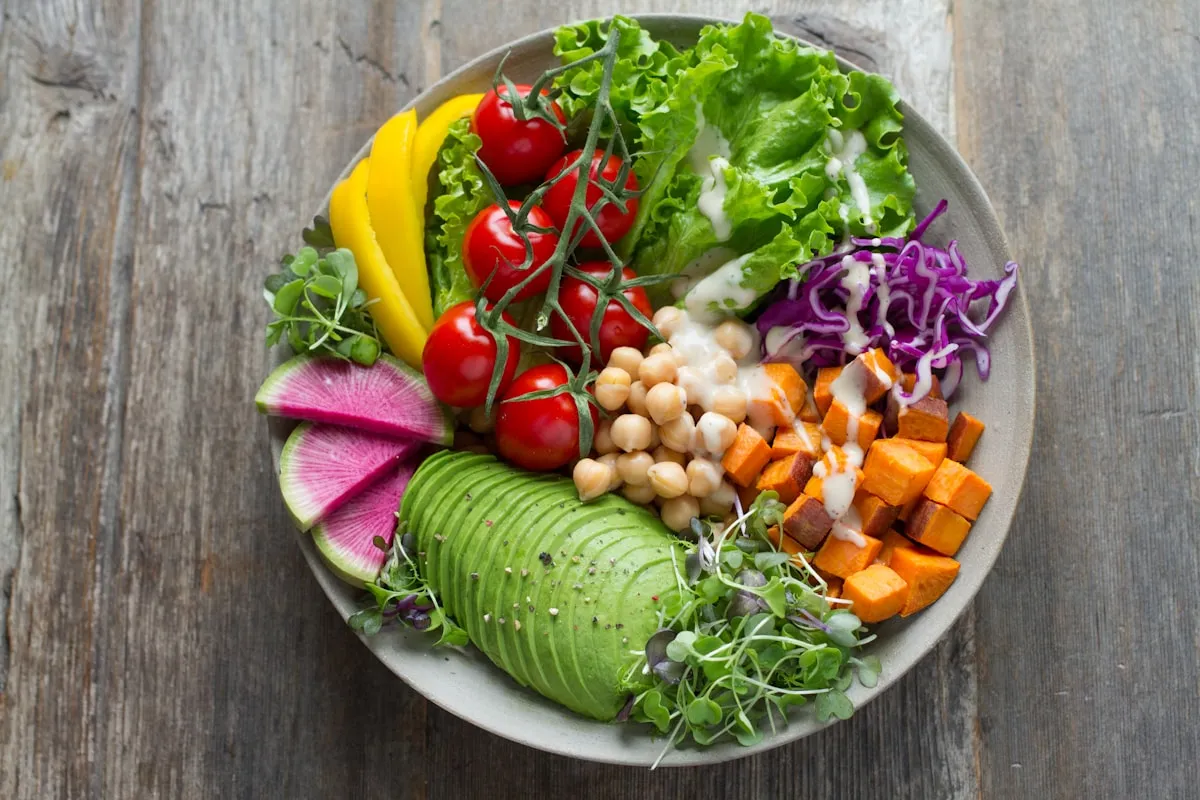
There is a specific kind of magic that happens when you take a hot, crusty steak and lay it over a bed of cold, crisp greens. It’s the ultimate power lunch: the kind that makes you feel like you could finish a marathon or at least survive a three-hour meeting without eyeing the vending machine. This Grilled Steak Salad isn't just a bowl of leaves with some protein slapped on top; it’s a masterclass in contrasting temperatures and textures. If you’re looking for quick healthy meals that don't taste like cardboard, you’ve found the crown jewel of my rotation. It’s fast, it’s vibrant, and it respects your time and your palate.
The Science of the Sear, the Slice, and the Dressing
Creating a restaurant-quality steak salad at home requires you to understand a few non-negotiables about meat and molecules. First, let’s talk about the Maillard reaction, which is the reason a properly cooked steak tastes deep, savory, and a little bit unfair to every sad desk lunch you have ever endured. The Maillard reaction happens when amino acids and reducing sugars meet high heat and start building hundreds of new flavor compounds. This is what turns the outside of steak from plain old beef into a browned crust with nutty, roasty, intensely savory flavor. It is not just browning for looks. It is flavor construction with a little fire and attitude.
To get that reaction going, moisture is your enemy. Use a paper towel and pat the steak very dry before it touches heat. If the surface is wet, the pan or grill wastes energy boiling off water first. That means steaming instead of searing, and steamed steak is not a personality trait you want in your dinner. Preheat your grill or cast-iron pan until it is properly hot. You want immediate contact, immediate sizzle, and quick surface browning before the center has time to race toward overcooked territory.
Also, give the steak some space. Crowding drops the pan temperature and traps steam, which sabotages crust formation. Steak wants room to brown, not a group project. Use enough heat and enough surface area so the outside can dehydrate fast and the Maillard reaction can do its thing.
Once the steak hits the heat, leave it alone. Avoid the constant poking, pressing, and nervous flipping. Meat needs steady contact with heat to build a proper crust. Every time you mash it with a spatula, you squeeze out juices and achieve exactly nothing useful. Let the surface brown. Then flip with purpose, not panic. Use a meat thermometer and pull the steak when it is about 5 degrees shy of your target temperature. Carryover cooking finishes the job because the hotter exterior continues transferring heat inward after the steak leaves the grill.
Here is where the steak science gets extra useful. Browning and doneness are related, but they are not the same thing. The Maillard reaction mostly happens on the outside where temperatures are high and surface moisture has evaporated. The inside of the steak is dealing with a different story: proteins denaturing, muscle fibers tightening, and moisture slowly being pushed around. This is why you can have a beautifully browned steak that is still pink and juicy inside. That contrast is the whole point. You want crust outside, tenderness inside, and zero gray sadness in between.
Now for the part most people rush: what happens inside the meat as it cooks. Steak is made of bundles of muscle fibers, connective tissue, and water. As heat rises, those muscle fibers contract. At lower temperatures, they tighten slightly and still hold onto a good amount of moisture. Push the temperature too far, and the contraction becomes aggressive. The fibers squeeze out water, the proteins firm up, and the steak shifts from juicy to dry with shocking speed. This is why a steak can go from perfect to disappointing in what feels like one distracted phone scroll.
Resting the meat is not optional. It is physics, not culinary superstition. Right off the heat, the juices are being pushed around by the contracted fibers and the temperature gradient inside the steak. If you slice immediately, those juices spill onto the cutting board instead of staying in the meat. Give it at least five to ten minutes. During that rest, the temperature evens out, the pressure inside the meat drops, and the fibers relax just enough to hold onto more moisture. Skip this, and your salad gets a puddle while your steak gets dry. That is a terrible trade.
Then slice against the grain. This matters more than people think. The “grain” is the direction the muscle fibers run. When you cut across them, you shorten those fibers, which makes each bite easier to chew. If you cut with the grain, the fibers stay long, and the steak feels tougher no matter how well you cooked it. Use this trick especially with flank or skirt steak, where the muscle structure is very obvious and very bossy.
Now let’s get into the balsamic side of the story, because this is where the salad earns its keep. Balsamic vinegar contains acetic acid, natural sugars, water, and flavor compounds developed during aging. On the flavor side, acetic acid sharpens your perception of brightness. It cuts through beef fat, wakes up greens, and keeps the dish from feeling heavy. Rich foods need contrast. Acid gives it to you fast.
But the really fun part shows up when you reduce balsamic. As balsamic heats, water evaporates and everything else becomes more concentrated. The acidity becomes more pronounced at first, then the sugars and complex aged flavors start stepping forward. The liquid thickens because you are increasing the concentration of dissolved sugars and solids. Keep going and you get a glossy reduction that clings to steak and greens instead of sliding off like it has somewhere better to be.
Chemically, balsamic reduction is a balancing act between evaporation, concentration, and heat-driven flavor development. As the water cooks off, the sugar content rises relative to the liquid volume. That is why the texture gets syrupy. If you push the heat too hard, though, those sugars can scorch and turn bitter. Low to moderate heat is the move. You are not trying to bully the vinegar into submission. You are trying to concentrate it without wrecking its personality.
Acetic acid also behaves differently once the balsamic is reduced and paired with fat. In a dressing or glaze, the acid gives structure while the sweetness rounds out the sharper edges. That sweet-acid combo is exactly why balsamic works so well with beef. The savory browned compounds from the Maillard reaction on the steak meet the sharpness of the vinegar and the mellow sweetness of the reduction. That contrast makes the beef taste beefier, if you will allow me one extremely useful fake word.
Acetic acid also interacts with the food itself. In a dressing, it helps soften raw onion edges and lightly seasons delicate vegetables by moving flavor into their surface layers. On greens, too much acid too early can weaken cell walls and make leaves slump, which is why you should dress the salad close to serving time. Acid is useful, but it is not polite. Leave it unattended, and it starts bossing the texture around.
A balsamic vinaigrette is also an emulsion: a mixture of two liquids that normally do not mix. To keep them from separating, use a stabilizer like Dijon mustard. Mustard contains compounds that help water-based vinegar and fat-based oil stay together. Whisk or shake them well, and the oil breaks into tiny droplets that stay suspended throughout the vinegar. That gives you a thicker, more even dressing instead of a slick puddle at the bottom of the bowl. If you use some reduced balsamic in the mix, you also get extra body because the concentrated sugars naturally help with that clingy, glossy texture. For anyone hunting for healthy dinner ideas that still feel satisfying, this tiny bit of kitchen science pays off immediately.
One more thing: balance the acid with the steak’s heat and resting juices. When sliced warm steak meets cool greens and balsamic dressing, you get contrast in temperature, texture, and flavor all at once. The fat from the meat carries flavor, the acid keeps that richness in check, and the crisp vegetables reset your palate between bites. That is why this salad eats like a full meal instead of a sad side dish pretending to be lunch. It is steakhouse energy with weeknight practicality, which is exactly the kind of nonsense I support.
Elevating the Bowl: Sophisticated Variations
While a classic balsamic and steak combo is hard to beat, you can easily pivot this dish to suit your mood or the season. If you want to lean into a more Mediterranean vibe, swap the balsamic for a lemon-oregano vinaigrette and toss in some Kalamata olives and feta cheese. The saltiness of the feta provides a sharp contrast to the richness of the beef, while lemon gives you a cleaner, sharper acidity than balsamic’s darker sweet-sour profile.
For a crunchier experience, add toasted walnuts or pecans. The fats in the nuts complement the steak, while the crunch breaks up the softness of the greens. If you have some leftover fruit in the fridge, sliced strawberries or peaches are surprisingly excellent here. Balsamic loves fruit because its acidity highlights the sweetness while its deeper caramel notes keep the whole thing from drifting into dessert territory.
If you want even more drama without extra complexity, use a balsamic reduction instead of a standard vinaigrette. A reduction brings concentrated sweetness and a thicker texture, so it works especially well with peppery greens like arugula. Those greens have bite, the reduction has roundness, and the steak lands right in the middle like the sensible friend keeping everybody calm.
If you’re catering to a family that prefers warm components, consider adding roasted sweet potatoes or even some air-fried chickpeas. While this isn't one of my typical air fryer recipes dinner staples, using the air fryer to crisp up some sourdough croutons adds a fantastic textural element that elevates the salad into a full meal. Warm vegetables also help bridge the gap between hot steak and cold greens, which makes the whole bowl feel more intentional and less like two separate foods accidentally met.
Perfect Pairings for Balance
A steak salad is already quite rich, so your side dishes should focus on acidity and lightness to cleanse the palate. A small side of pickled red onions or a quick cucumber salad with rice vinegar works wonders. These acidic components cut through the fat of the steak, making each bite feel fresh.
If you’re serving this for a larger gathering and want to round out the spread, a light, chilled gazpacho or a simple tomato-basil soup can be a great starter. Avoid heavy, starchy sides like mashed potatoes or creamy pastas; you want to maintain the "power lunch" energy of the main dish. A crisp, dry Rosé or a light-bodied Pinot Noir also pairs beautifully, as the tannins are soft enough not to overwhelm the greens but structured enough to handle the beef.
Frequently Asked Questions
Why does my vinaigrette always separate after a few minutes?
Separation happens because oil and vinegar are naturally phobic of one another. If you did not use an emulsifier like mustard or if you did not whisk vigorously enough, the oil droplets eventually collide and merge back into larger droplets. That is the system returning to its natural state. Fix it by shaking again right before serving, and use a jar rather than a bowl if you want faster re-emulsifying with less drama.
What if my steak turns out tough even though I didn’t overcook it?
Check your slicing direction first. Toughness is not always a temperature problem; sometimes it is a geometry problem. If you slice with the grain, those long muscle fibers stay intact and make every bite chewier. Slice across the grain to shorten the fibers. Also check the cut itself. Flank and skirt have bold beefy flavor, but they demand proper slicing and resting. Ignore either one, and they will absolutely call you out.
Can I use a different cut of beef besides flank or skirt steak?
Absolutely. Ribeye, strip steak, and sirloin all work. Ribeye gives you more intramuscular fat, which means more richness and a softer feel. Sirloin is leaner and easier to overcook, so be firm about temperature. The main rule is simple: match the cut to the salad’s balance. Fatty steak benefits from sharper acidity. Leaner steak benefits from careful cooking and a generous but controlled dressing.
What if I marinate the steak in balsamic too long?
Do not let balsamic sit on the steak forever and expect miracles. Acetic acid affects the surface of the meat more than the center. Over time, it can make the exterior texture slightly mushy while doing very little to tenderize deep inside. Short marinating can add flavor, but long acidic marinating is not a cheat code. If you want tenderness, cook to the right temperature and slice correctly. That is the real move.
Is it better to dress the salad or serve the vinaigrette on the side?
For the best experience, toss the greens lightly in the dressing before adding the steak so every leaf gets seasoned. But do it close to serving time. Acid and salt start pulling water from the greens and weakening their structure almost immediately. If you expect leftovers, serve the dressing on the side. Otherwise your lunch tomorrow will have the personality of wet confetti.
What if I don’t have a grill?
Use a heavy cast-iron skillet. It retains heat well, which is exactly what you need for browning. Preheat it properly and do not crowd the pan. Overcrowding traps steam, and steam is the sworn enemy of crust. Open a window, turn on the fan, and accept that a little smoke is part of the deal when you are doing steak correctly.
Why does balsamic make the whole salad taste brighter?
Because acetic acid stimulates sourness and increases contrast. In practical terms, it cuts through richness and makes salt, sweetness, and savory notes feel clearer. It does not just make food taste acidic; it makes the other flavors stand up straighter. That is why steak plus balsamic works so well. Fat needs tension, and acid provides it.
What if my steak browns too fast before the inside is ready?
Your heat is likely too aggressive, your steak may be too thick, or you started with meat that was very cold straight from the fridge. The Maillard reaction needs high surface heat, but that does not mean maximum chaos. Use strong heat, but stay in control. If the crust forms too quickly, move the steak to a slightly cooler zone on the grill or lower the burner after the initial sear. You want browning plus proper doneness, not a burnt exterior and a sulking center.
What if my balsamic reduction turns bitter instead of glossy?
That usually means you reduced it too hard or too long. As water evaporates, sugars and acids concentrate. That is good until it is not. Push the heat too far, and the sugars can scorch while the acidity turns harsh. Simmer gently and remember that reduction thickens more as it cools. Pull it when it coats a spoon lightly, not when it looks like roofing material.
Why doesn’t my steak get that dark crust at home?
Usually because the surface is wet, the pan is not hot enough, or you moved the steak too soon. The Maillard reaction needs a relatively dry surface and enough heat to get past simple steaming. Pat the steak dry, preheat properly, and let contact do the work. Also, avoid overcrowding. If the pan fills up and starts steaming, the crust never really gets a chance. Steak is not shy. Give it space.
How long can I store the steak in the fridge?
Cooked steak will stay fresh in an airtight container for about 3 to 4 days. Let it cool before storing, but do not leave it hanging around at room temperature too long. If you want quick family meals during the week, cook the steak ahead and keep the greens and dressing separate until serving. That way the meat stays juicy, the greens stay crisp, and you do not sabotage your own lunch prep.