Recipe
Servings
Servings 1×
Ingredients
- Salmon
- Noodles
- Rice
- Broccoli
- Peas
- Garlic
- Fresh ginger
- Honey
- Cooking oil
- Soy sauce or tamari
- Sesame
- Salt
Method
- Let's dive into how to pull off restaurant-quality seafood faster than your delivery app can dispatch a driver.
- Combine low-sodium soy sauce, a touch of brown sugar or honey, grated ginger, minced garlic, and a tiny splash of rice vinegar in a pan.
- Bring it to a gentle simmer.
- Whisk in a tiny slurry of cornstarch and water at the tail end; the starch molecules swell and gelatinize, instantly trapping the liquid into a glossy, clingy lacquer that coats your spoon.
- Place patted-dry fillets skin-side down in a hot, oiled skillet.
- Season with a pinch of sea salt right at the end to draw out natural sweetness without softening the cellular structure prematurely.
If your Tuesday night schedule leaves you wondering how dinner became a competitive sport against the clock, you are not alone. Between late-running emails and frantic errand-running, spending an hour over a hot stove is the absolute last thing on your agenda. That is precisely why mastering lightning-fast quick meals is a non-negotiable life skill. When you want something vibrant, nourishing, and genuinely satisfying without living on takeout, this 15-minute teriyaki salmon and crisp snap peas combination is your ultimate weeknight anchor. Let's dive into how to pull off restaurant-quality seafood faster than your delivery app can dispatch a driver.
The Science of Speed: Why Stovetop Glazing Beats Long Marinating
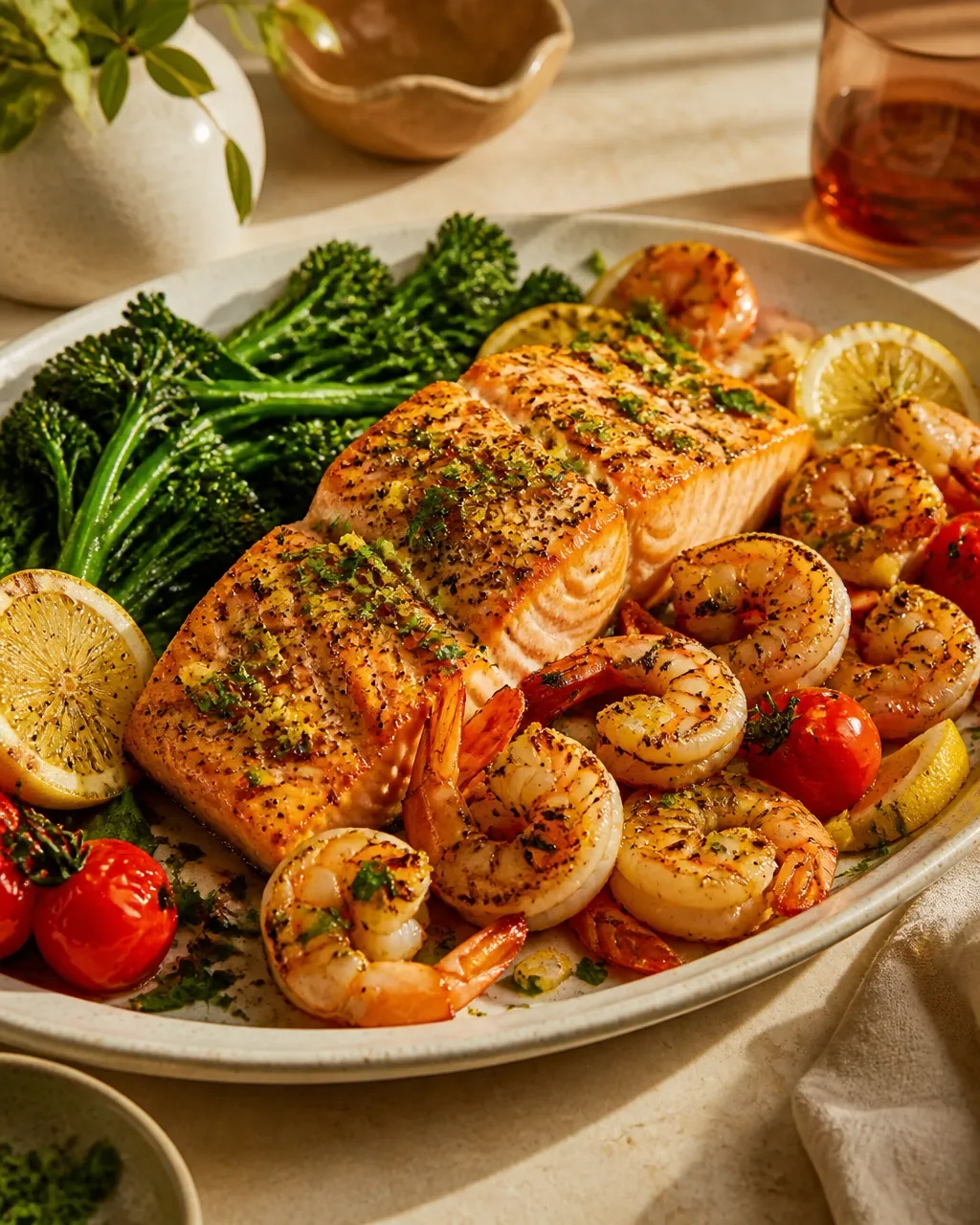
Forget the outdated culinary myth that teriyaki requires hours of soaking your protein in marinade. Scientifically speaking, fish flesh is delicate and dense with moisture; soaking raw salmon in high-sodium soy sauce for hours breaks down the protein fibers, resulting in a mushy texture rather than a succulent bite.
Instead, use a rapid stovetop reduction technique. Combine low-sodium soy sauce, a touch of brown sugar or honey, grated ginger, minced garlic, and a tiny splash of rice vinegar in a pan. Bring it to a gentle simmer. As the water evaporates, the natural sugars concentrate and caramelize through heat-induced molecular magic. Whisk in a tiny slurry of cornstarch and water at the tail end; the starch molecules swell and gelatinize, instantly trapping the liquid into a glossy, clingy lacquer that coats your spoon.
When searing your salmon, rely on high heat initially. Place patted-dry fillets skin-side down in a hot, oiled skillet. The direct thermal transfer triggers the Maillard reaction between amino acids and reducing sugars on the salmon surface, yielding a savory, golden crust while sealing in internal moisture. Flip the fish, pour your freshly made glaze into the pan, and watch it bubble into a sticky masterpiece as the residual heat finishes cooking the interior to buttery perfection.
While the salmon finishes glazing, treat your sugar snap peas with equal respect. Never boil them into a drab, olive-green tragedy. Flash-sauté them in a hot pan with a drop of sesame oil for just four minutes. High heat cooks the cell walls rapidly while preserving the bright green chlorophyll and locking in that signature crisp-tender crunch. Season with a pinch of sea salt right at the end to draw out natural sweetness without softening the cellular structure prematurely.
Flavor Variations and Customizations for Busy Nights
Variety keeps home cooking exciting, even when you are working on autopilot. If you love experimenting with different cooking appliances, you can easily adapt these healthy dinner ideas into air fryer recipes dinner nights. Rub your salmon fillets with a hint of sesame oil, air-fry at 400°F for 7 to 9 minutes, and brush your quick teriyaki reduction over them during the final minute of cooking.
If you prefer a grain bowl format, transform your plate into a hearty, balanced feast. Lay down a bed of steaming jasmine rice, nutty brown rice, or quick-cooking soba noodles. Nestle your glazed salmon and vibrant snap peas right on top. Drizzle extra pan-sauce over the grains so every single bite absorbs that sweet, savory umami punch.
For an aromatic twist, grate an extra clove of fresh garlic or toss in thinly sliced red chilies if you crave heat. Swap sugar snap peas for tender-crisp baby bok choy or broccoli florets when seasonal produce dictates. The Golden Rule here is simple: never compromise on texture. Keep your vegetables snappy and your fish tender.
Side Dish Pairings for Complete Balance
Balancing a rich, savory dish requires a thoughtful approach to side pairings. Teriyaki glaze packs a sweet and salty punch, meaning your supporting dishes should introduce bright acidity and refreshing textures to cleanse the palate.
Serve your meal alongside a cooling cucumber salad tossed in rice vinegar, toasted sesame seeds, and a pinch of red pepper flakes. The sharp acetic acid cuts right through the sweet glaze richness, resetting your tastebuds between bites.
Explore our full collection of healthy inspirations for more side dish ideas, such as shredded napa cabbage slaw dressed with lime juice and ginger, or simple miso-infused brothy greens. Avoid heavy, starchy sides that weigh down the meal; keep your focus on clean, crisp elements that complement the clean protein of the salmon.
Frequently Asked Questions
Can I use frozen salmon fillets for this 15-minute recipe?
Yes, but you must thaw them properly first to ensure even cooking and safe internal temperatures. Submerge vacuum-sealed frozen salmon in a bowl of cold tap water for about 15 to 20 minutes. Once thawed, pat the fillets completely dry with paper towels. Never attempt to sear wet or partially frozen salmon, as surface moisture creates steam that prevents proper browning and ruins your glaze adhesion.
What if I don't have mirin or rice vinegar on hand?
Improvise without panic. Substitute rice vinegar with apple cider vinegar or a squeeze of fresh lime juice to provide that essential sharp note that balances the soy sauce. If you lack mirin, a tiny extra splash of water combined with a fraction more honey or brown sugar will mimic the sweetness and body needed for the glaze reduction.
How do I prevent my snap peas from turning soggy?
Control your cooking time and heat level religiously. Use high heat and a wide skillet so the peas make maximum contact with the hot surface rather than steaming in a crowded pile. Stir continuously and remove them from heat the exact moment they turn bright emerald and retain a satisfying crunch when bitten.
Is this recipe suitable for clean eating and specialized diets?
Absolutely. Salmon delivers an exceptional dose of heart-healthy omega-3 fatty acids and lean protein, while snap peas offer dietary fiber and vitamin C. To keep it strictly gluten-free, substitute standard soy sauce with certified gluten-free tamari. To manage sodium intake, always opt for low-sodium soy sauce as specified in the technique guide.
{“@type”:”FAQPage”,”@context”:”https://schema.org”,”mainEntity”:[{“name”:”Can I use frozen salmon fillets for this 15-minute recipe?”,”@type”:”Question”,”acceptedAnswer”:{“text”:”Yes, after thawing them completely in cold water and patting them dry with paper towels to ensure proper browning and texture.”,”@type”:”Answer”}},{“name”:”What if I don’t have mirin or rice vinegar on hand?”,”@type”:”Question”,”acceptedAnswer”:{“text”:”Substitute apple cider vinegar or fresh lime juice for the acid, and add a tiny bit more honey or brown sugar to match the sweetness of mirin.”,”@type”:”Answer”}},{“name”:”How do I prevent my snap peas from turning soggy?”,”@type”:”Question”,”acceptedAnswer”:{“text”:”Cook them over high heat in a wide skillet for only 3 to 4 minutes, ensuring they remain bright green and crisp-tender.”,”@type”:”Answer”}},{“name”:”Is this recipe suitable for clean eating and specialized diets?”,”@type”:”Question”,”acceptedAnswer”:{“text”:”Yes, it provides lean protein and omega-3s. Use gluten-free tamari and low-sodium soy sauce to fit specific dietary requirements.”,”@type”:”Answer”}}]}