Recipe
Servings
2–3 1×
Serves 2–3Prep 7 minCook 8 min
Ingredients
- 14 ounces firm or extra-firm tofu, pressed and cubed
- 2 cups snap peas, trimmed
- 2 scallions, sliced
- 2 garlic cloves, minced
- 1 tablespoon grated fresh ginger
- 2 tablespoons cornstarch
- 1 tablespoon neutral cooking oil
- 3 tablespoons soy sauce or tamari
- 1 tablespoon rice vinegar
- 1 tablespoon maple syrup or honey
- 2 tablespoons water
- 1 teaspoon toasted sesame oil
- 1 teaspoon cornstarch for the sauce
- Sesame seeds and chili flakes, optional
Method
- Whisk the soy sauce, rice vinegar, maple syrup, water, sesame oil, ginger, garlic, and sauce cornstarch.
- Toss the tofu with the remaining cornstarch.
- Sear the tofu in hot oil in a single layer until golden. Add a splash of sauce, toss briefly, then remove the tofu.
- Stir-fry the snap peas and scallion whites until bright green and crisp-tender.
- Return the tofu to the pan. Add the remaining sauce and toss until thickened.
- Finish with sesame seeds, chili flakes, and scallion greens.
When dinner needs to happen quickly, reach for a hot pan, firm tofu, and a handful of crisp vegetables. This sesame ginger tofu and snap pea stir-fry delivers savory, fresh flavor in about 15 minutes, without turning your kitchen into a disaster zone. The trick is not rushing every step. Use the right heat, protect the tofu’s texture, and add the sauce at the right moment. Do that, and you have one of my favorite quick family meals.
Tips & Technique: Make the Pan Do the Work
Press tofu briefly for better browning
Tofu contains plenty of water, especially straight from its package. That moisture is not a problem by itself, but it becomes a problem in a hot pan. When wet tofu hits the skillet, it releases steam. Steam cools the cooking surface and prevents the exterior from browning properly.
Wrap the tofu in a clean towel and press it while you prepare the sauce and vegetables. You do not need to build a tofu press or wait half the afternoon. A short press removes enough surface moisture to help the tofu sear instead of simmer.
For more guidance on handling tofu in a simple stir-fry, compare the technique with this tofu and vegetable stir-fry from Health Canada.
Use cornstarch as a quick crisping shield
A light coating of cornstarch gives tofu a thin, crisp shell. It absorbs moisture from the surface and creates a dry layer that browns quickly when it meets hot oil. Think of it as a tiny bit of kitchen engineering: the outside becomes crisp while the center stays tender.
Coat the tofu lightly and evenly. Avoid burying it under a thick, powdery layer, which can turn gummy once the sauce arrives. Shake off excess coating before the tofu goes into the pan.
Heat the pan before adding the tofu
Start with a large skillet or wok and let it become properly hot. Add the oil only when the pan is ready, then place the tofu in a single layer. Give each piece room to touch the cooking surface.
Crowding is the enemy here. Too many tofu pieces release too much moisture at once, lowering the pan temperature and creating a soft, steamed texture. Cook in batches if your skillet is small. Yes, it adds a minute or two. No, it is not optional if crisp tofu is the goal.
Resist the urge to constantly stir. Let the tofu sit undisturbed until the bottom develops a golden crust, then turn it. Browning needs contact and time. Treat the tofu like a small steak rather than a bowl of popcorn.
Sauce in stages to preserve texture
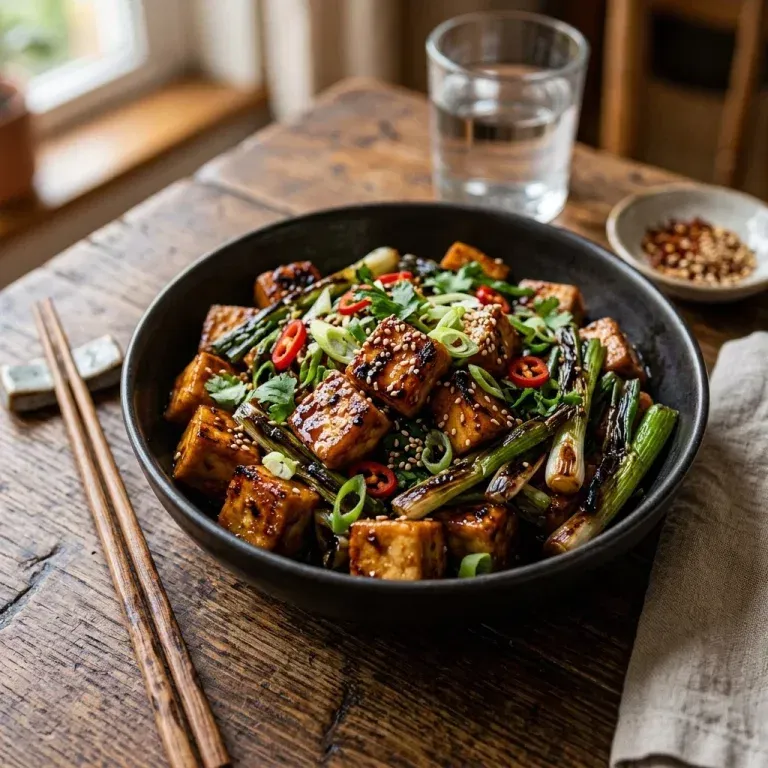
A full pour of sauce too early will soften the tofu immediately. Instead, add a small amount while the tofu is still in the pan. The liquid reduces quickly against the hot surface, and the sweet and salty elements cling to the crust.
Remove the tofu briefly, cook the vegetables, then return everything to the skillet with the remaining sauce. This two-stage approach gives you both flavor and texture. The tofu gets a lightly caramelized coating, while the vegetables receive enough sauce to become glossy without turning soggy.
Whisk the sauce again before adding it. Thickening agents settle at the bottom, and you want them evenly distributed. Once heated, cornstarch thickens the liquid so it coats the food instead of collecting in a puddle.
Keep snap peas bright and crunchy
Snap peas need very little cooking. Their best texture is crisp-tender: bright green, lightly blistered, and still offering a clean crunch. Add them after the aromatics have released their fragrance, then stir-fry them over high heat for only a few minutes.
Do not simmer snap peas in sauce from the beginning. Extended cooking breaks down their structure and dulls their color. Add the sauce near the end, toss everything together, and stop cooking as soon as the glaze clings.
That quick timing is what makes this dish one of my favorite 15-minute meals. You are using high heat and small pieces rather than waiting for a large pot or heavy baking dish to warm through.
Balance the flavor before it reaches the pan
The sauce should taste slightly stronger than you want the finished dish to taste. Tofu and vegetables dilute its intensity, especially if you serve the stir-fry over rice or noodles.
Build balance with five elements: salty umami from soy sauce or tamari, sweetness from maple syrup or another sweetener, acidity from rice vinegar, warmth from ginger and garlic, and richness from toasted sesame oil. If the sauce tastes flat, add acidity. If it tastes sharp, add a little sweetness. If it is too salty, dilute it with water rather than adding more sugar.
Use sesame oil as a finishing flavor, not your primary high-heat cooking oil. Toasted sesame oil is aromatic and powerful; a small amount goes a long way.
Variations: Keep the Formula, Change the Dinner
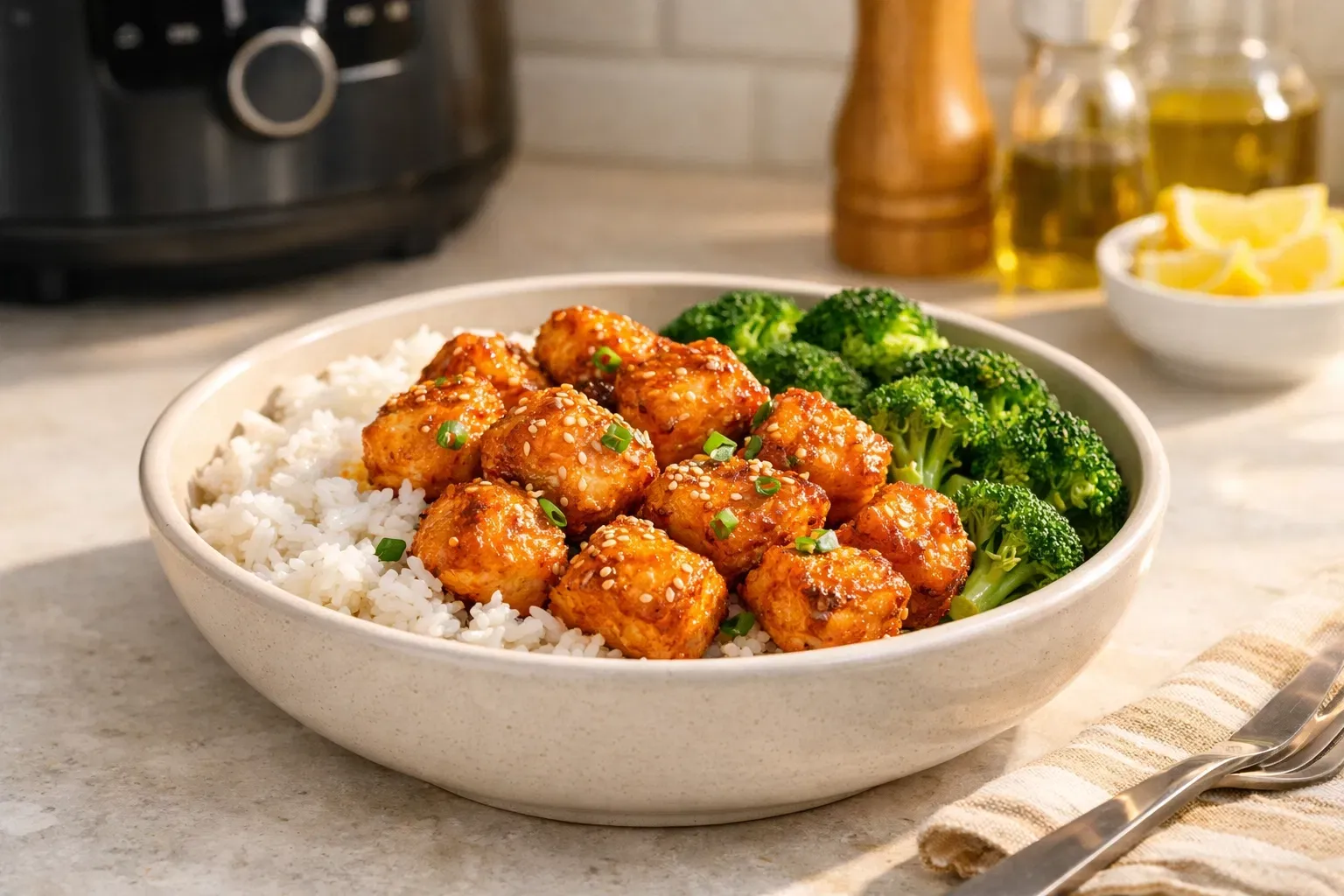
Swap the snap peas for broccoli florets, thin asparagus, bell pepper, mushrooms, or baby bok choy. Choose vegetables with similar cooking times, or add firmer vegetables first and tender ones later. Keep the total volume manageable so the skillet stays hot.
For more heat, add chili flakes, sliced fresh chili, or a little sriracha to the sauce. For extra crunch, finish with roasted peanuts or cashews. A squeeze of lime at the table adds acidity and cuts through the sesame richness.
Make the dish gluten-free by using tamari instead of standard soy sauce, and check the label on every packaged sauce. Use maple syrup for a vegan version. If you are searching for air fryer recipes dinner ideas, crisp the tofu in the air fryer first, then toss it with the pan-seared snap peas and sauce. The vegetables still benefit from the quick skillet treatment.
For a lower-carbohydrate plate, serve the stir-fry with cauliflower rice or shredded cabbage. For a heartier meal, add brown rice, soba noodles, or jasmine rice. Browse Cookpedia’s vegetarian dinner recipes for more plant-forward combinations built around the same easy principles.
Side Dish Pairings: Add Contrast, Not Competition
Serve this stir-fry with a simple grain that can absorb the extra sesame ginger sauce. Steamed jasmine rice keeps the meal comforting, while brown rice adds a nuttier flavor and more chew. Soba noodles work especially well when you want a slurpable dinner.
Balance the warm, savory tofu with something fresh and acidic. Try a cucumber salad dressed with rice vinegar, a handful of shredded cabbage with lime, or quick-pickled carrots. Keep the side lightly seasoned; the stir-fry already brings plenty of soy, sesame, ginger, and garlic.
For a lighter plate, pair it with a crisp green salad. Cookpedia’s healthy recipes collection has more ideas for simple vegetable sides and balanced weeknight meals. Avoid heavy creamy sides, which can compete with the sauce and make the meal feel richer than it needs to be.
FAQ: What If the Stir-Fry Does Not Go to Plan?
What if my tofu is soft instead of crisp?
The most likely causes are excess moisture, a crowded pan, or insufficient heat. Press the tofu more thoroughly next time and dry the cubes before coating them. Use a wide skillet and leave space between pieces.
Do not keep stirring from the moment the tofu hits the pan. Let one side brown before turning it. If the tofu is already soft, continue cooking it briefly over higher heat before adding sauce, but do not expect the crust to fully recover once it has been soaked.
What if my sauce is too salty?
Dilute it with a splash of water, then add a little more rice vinegar or sweetener if the flavor still feels harsh. Do not add more soy sauce to compensate for a thin sauce. Saltiness and thickness are separate problems.
Remember that rice, noodles, and unsalted vegetables will soften the perceived saltiness on the plate. Taste the finished stir-fry with its intended side before making a final adjustment.
What if the sauce stays watery?
Give it another 30–60 seconds over high heat while tossing. The liquid needs both heat and movement to reduce. If it remains thin, mix a small amount of cornstarch with cold water and add it gradually.
Avoid sprinkling dry cornstarch directly into the hot skillet. It will clump instead of dispersing smoothly. Also check that you did not add more water than the recipe calls for; extra liquid takes longer to reduce.
What if my snap peas become dull and soft?
They cooked too long or spent too much time sitting in liquid. Add them later in the process and keep the heat high. Cook until they turn bright green, then add the sauce and finish quickly.
You can still eat soft snap peas, of course. They are not ruined; they have simply moved from crisp-tender to tender. For the best contrast next time, remove the pan from the heat as soon as the sauce coats the vegetables.
Can I prepare this ahead of time?
Prepare the sauce, trim the snap peas, and press the tofu several hours ahead. Store everything separately in the refrigerator. Cook the tofu and vegetables just before serving for the best texture.
The finished stir-fry keeps well for lunch, but the tofu will soften as it absorbs the sauce. Reheat it in a hot skillet rather than the microwave if you want to bring back some of the edges. For more dependable healthy dinner ideas, keep the sauce formula ready and rotate the vegetables according to what needs using up.