Recipe
Servings
Servings 1×
Ingredients
- Tofu
- Rice
- Broccoli
- Carrots
- Mushrooms
- Peas
- Garlic
- Fresh ginger
- Lime
- Cooking oil
- Soy sauce or tamari
- Salt
Method
- Use the recipe card for exact quantities, then follow these technique notes to make the tofu properly golden instead of pale, soggy, and quietly disappointed.
- Start with extra-firm tofu.
- Pat it thoroughly with a clean towel, or use pre-pressed tofu when speed matters.
- Cut the tofu into pieces that are large enough to turn without breaking but small enough to brown on several sides.
- Heat the pan before adding the tofu.
- Cook in a single layer, and let the tofu sit undisturbed long enough to form a crust before turning it.
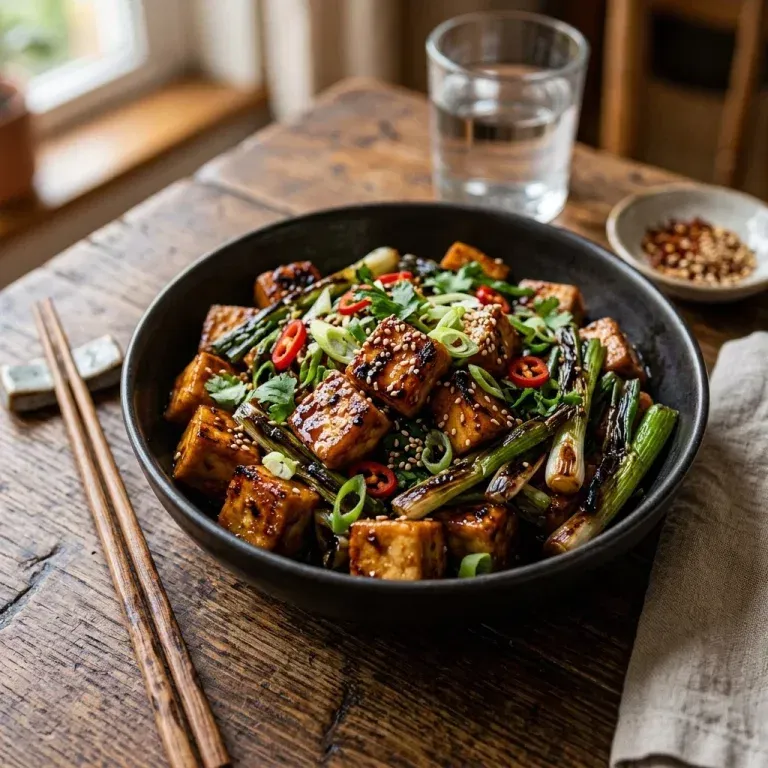
Some dinners need a long simmer and a leisurely glass of wine. This one needs a hot pan, a little timing, and about 15 minutes. My teriyaki tofu stir-fry delivers crisp-edged tofu, tender-crisp vegetables, and a glossy, savory-sweet sauce without turning your kitchen into a project plan.
Use the recipe card for exact quantities, then follow these technique notes to make the tofu properly golden instead of pale, soggy, and quietly disappointed.
The 15-Minute Game Plan: Move Quickly, But Not Frantically
A fast dinner works best when you treat the cooking time like a short relay race. Get the tofu ready first, mix the sauce while the pan heats, and choose vegetables that cook quickly. Broccoli florets, snap peas, peppers, mushrooms, and thinly sliced carrots all work well. Large chunks of sweet potato? Save those for a day when time is less dramatic.
Start with extra-firm tofu. The firmer the tofu, the less water it carries, and water is the main enemy of browning. You do not need to press it under a stack of cookbooks for an hour. Pat it thoroughly with a clean towel, or use pre-pressed tofu when speed matters.
Cut the tofu into pieces that are large enough to turn without breaking but small enough to brown on several sides. A light coating of cornstarch helps create a dry outer layer. Keep it light. Too much starch makes a thick, gummy shell rather than a delicate crisp coating.
Heat the pan before adding the tofu. This is non-negotiable. A cold pan gives moisture time to escape slowly, which encourages steaming. A hot pan immediately starts driving off surface water and builds the conditions for browning.
Leave space between the pieces. Crowding traps steam, lowers the pan temperature, and turns your stir-fry into tofu sauna night. Cook in a single layer, and let the tofu sit undisturbed long enough to form a crust before turning it. Constant flipping feels productive, but it mostly prevents color from developing.
Maillard Browning: The Secret to Savory Tofu
Golden tofu is not just prettier tofu. It tastes deeper, toastier, and more satisfying because heat triggers the Maillard reaction: a group of chemical reactions between amino acids and sugars that creates browned color and complex savory flavors. Modernist Cuisine explains the process in more detail here.
Tofu contains protein, but it also contains plenty of water. While that water is evaporating, the surface temperature stays close to the boiling point of water. That is hot enough to cook, but not ideal for serious browning. Dry the surface first, then use a properly heated pan, and the outside can become much hotter once the moisture has gone.
Cornstarch helps in two ways. It absorbs some surface moisture and forms a thin film that crisps in the oil. It also gives the sauce something to grip. Think of it as a tiny edible jacket: crisp on the outside, soft inside, and ready to hold onto teriyaki.
Do not add the sauce before the tofu browns. Teriyaki sauce contains salty liquid and sugar. Add it too early, and the liquid cools the pan while the sugar can scorch before the tofu develops a crust. Brown first, glaze second. This is the rule that separates crisp tofu from sticky tofu with no personality.
Once the tofu is browned, add the vegetables according to how quickly they cook. Keep the heat high and toss efficiently. You want the vegetables bright and lightly crisp, not limp. Stir-frying is about managing heat, not drowning everything in motion.
Sauce Chemistry: Make the Glaze Cling
Teriyaki works because it balances salt, sweetness, aromatics, and concentrated umami. Soy sauce brings fermented savoriness and salt. Sugar adds sweetness and helps the glaze become glossy as it reduces. Ginger and garlic provide sharp aromatic notes that keep the sauce from tasting flat.
Cornstarch slurry thickens the sauce through gelatinization. When starch granules heat in liquid, they absorb water and swell, increasing viscosity. In plain English: the thin sauce turns into a coating that clings to tofu instead of pooling sadly at the bottom of the pan.
Add the sauce after the tofu has browned, lower the heat slightly, and let it bubble briefly. Watch it closely. A thick glaze can move from shiny to scorched faster than a hungry person can set the table. Toss just until the tofu is coated and the vegetables are lacquered.
Taste before serving. If the sauce is too sweet, add a small splash of rice vinegar or lime juice. If it is too salty, loosen it with water and add more unsauced vegetables or rice. If it tastes dull, add freshness rather than more soy sauce. Scallions, cilantro, ginger, or a squeeze of citrus can wake up the whole pan.
For more fast inspiration, browse Cookpedia’s 15-minute meals and vegetarian dinner recipes.
Variations That Keep the Balance
Turn this into one of your reliable plant-based dinner ideas by changing the vegetables, heat level, or serving base without disturbing the basic technique.
For extra crunch, use sugar snap peas, water chestnuts, or cashews. Their texture contrasts with the soft center of the tofu and prevents every bite from feeling the same. For more heat, add chili crisp, red pepper flakes, or thinly sliced fresh chili at the end. Add spicy ingredients carefully; sweetness becomes more noticeable when heat enters the picture.
Make it gluten-free with tamari or certified gluten-free soy sauce. Use potato starch instead of cornstarch if that is what you have available. For a lower-sugar glaze, reduce the sweetener slightly and finish with citrus juice. The sauce will be less sticky, but the acidity will make the flavor feel brighter.
Switch the rice for soba noodles, brown rice, cauliflower rice, or quinoa. Choose the base according to the rest of the meal: noodles make it cozy, cauliflower rice keeps it lighter, and brown rice adds chew and staying power.
You can also prepare the tofu in an air fryer, but do not expect the full dinner to remain a true 15-minute meal unless the tofu is already cooked or your air fryer heats extremely quickly. For more ideas, explore Cookpedia’s healthy recipe collection.
Side Dish Pairings for a Better Bowl
Serve the stir-fry over steamed rice when you want a classic, comforting bowl. Rice absorbs extra sauce and softens the salty-sweet profile, so it acts as a quiet balancing ingredient rather than competing with the tofu.
Choose a crisp cucumber salad when the pan feels rich. The cool crunch and gentle acidity cut through the glaze beautifully. A simple cabbage slaw works for the same reason and adds a fresh, sturdy texture.
Add edamame for extra plant protein, or serve steamed greens such as bok choy, spinach, or gai lan alongside the tofu. Keep the sides lightly seasoned. The teriyaki sauce already brings plenty of flavor, and your dinner does not need three competing sauces arguing across the plate.
For a lighter finish, add sliced oranges, pineapple, or a squeeze of lime. Fruit acidity and juiciness can make the meal feel refreshed rather than heavy. These combinations are especially useful when planning quick family meals that need to please different appetites.
FAQ: Troubleshooting Your Teriyaki Tofu
Why did my tofu turn out soggy?
The most likely causes are excess moisture, a crowded pan, or adding the sauce too early. Pat the tofu dry, use a single layer, and leave space around each piece. Let the first side brown before turning it. If the tofu is already coated in sauce, it will not become properly crisp because the liquid prevents the surface from heating efficiently.
Can I skip the cornstarch?
Yes, but expect a softer exterior. Cornstarch helps dry the surface and creates a crisp shell, so it is useful rather than decorative. If you skip it, focus even more on drying the tofu and heating the pan thoroughly. Potato starch is a good alternative and often creates an especially delicate crunch.
How do I stop the teriyaki sauce from burning?
Lower the heat when the sauce enters the pan and keep it moving. Sugar concentrates as liquid evaporates, so a glaze can burn once it becomes thick. Cook only until it coats the tofu, then remove the pan from the heat. If the sauce thickens too quickly, loosen it with a splash of water.
Can I use soft or silken tofu?
Avoid it for this stir-fry. Soft tofu contains more water and breaks easily during tossing, making it better for soups, sauces, and creamy preparations. Choose extra-firm tofu for pieces that can survive a hot pan and remain pleasantly chewy in the center.
Is this suitable for meal prep?
Yes, with one texture warning: refrigerated tofu will soften after it is stored with the sauce. Keep the tofu and rice separate if possible, and reheat the tofu in a skillet or air fryer rather than only in the microwave. Add fresh scallions, sesame seeds, or lime after reheating to restore contrast.
How can I make the meal more filling?
Serve it with rice, noodles, or quinoa and include a generous portion of vegetables. Add edamame or another plant-based protein if you need more staying power. The goal is balance: protein for substance, vegetables for volume, and a moderate amount of sauce for flavor. That combination makes this one of the most dependable healthy dinner ideas for a busy night.
Can I make it without soy?
Use a soy-free coconut aminos alternative, but taste before adding extra sweetness because coconut aminos are usually sweeter and less salty than soy sauce. Adjust gradually with acidity, ginger, garlic, and salt as needed. The final sauce may be lighter, but the same browning and thickening principles still apply.