Recipe
Servings
15-minute chicken and vegetable quinoa bowls with expert tips on the Maillard reaction and starch gelatinization for perfect healthy weeknight dinners.”,”datePublished”:”2026-07-23″,”articleSection”:”Recipes”,”mainEntityOfPage”:{“@id”:”https://cookpedia.com/quick-healthy-meals-quinoa-bowls”,”@type”:”WebPage”}} 1×
Serves 15-minute chicken and vegetable quinoa bowls with expert tips on the Maillard reaction and starch gelatinization for perfect healthy weeknight dinners.”,”datePublished”:”2026-07-23″,”articleSection”:”Recipes”,”mainEntityOfPage”:{“@id”:”https://cookpedia.com/quick-healthy-meals-quinoa-bowls”,”@type”:”WebPage”}}
Ingredients
- Chicken
- Black beans
- Beans
- Quinoa
- Rice
- Bread
- Potatoes
- Broccoli
- Carrots
- Spinach
- Kale
- Peas
- Corn
- Cucumber
- Avocado
- Tomatoes
- Fresh ginger
- Honey
Method
- Start your grains first, the moment the lid goes on that pot, your countdown begins.
- Use a 2:1 liquid-to-grain ratio, but don't just use water.
- Use a low-sodium chicken or vegetable broth to infuse the seeds with savory depth from the inside out.
- Slice your chicken into thin, uniform strips or bite-sized medallions.
- Heat your skillet until a drop of water dances on the surface before adding oil.
- Place the chicken in the pan and leave it alone.
If your kitchen feels more like a chaotic transit hub than a sanctuary on Tuesday nights, you aren't alone. We’ve all been there: staring into the fridge while the clock ticks toward "too late to cook." But here is the secret, you don't need an hour to create a masterpiece. My chicken and vegetable quinoa bowls are the ultimate solution for quick healthy meals that don't taste like an afterthought. By mastering a few overlapping techniques, you can transform raw ingredients into a high-protein, nutrient-dense dinner in less time than it takes to scroll through a delivery app.
The Science of the 15-Minute Sprint
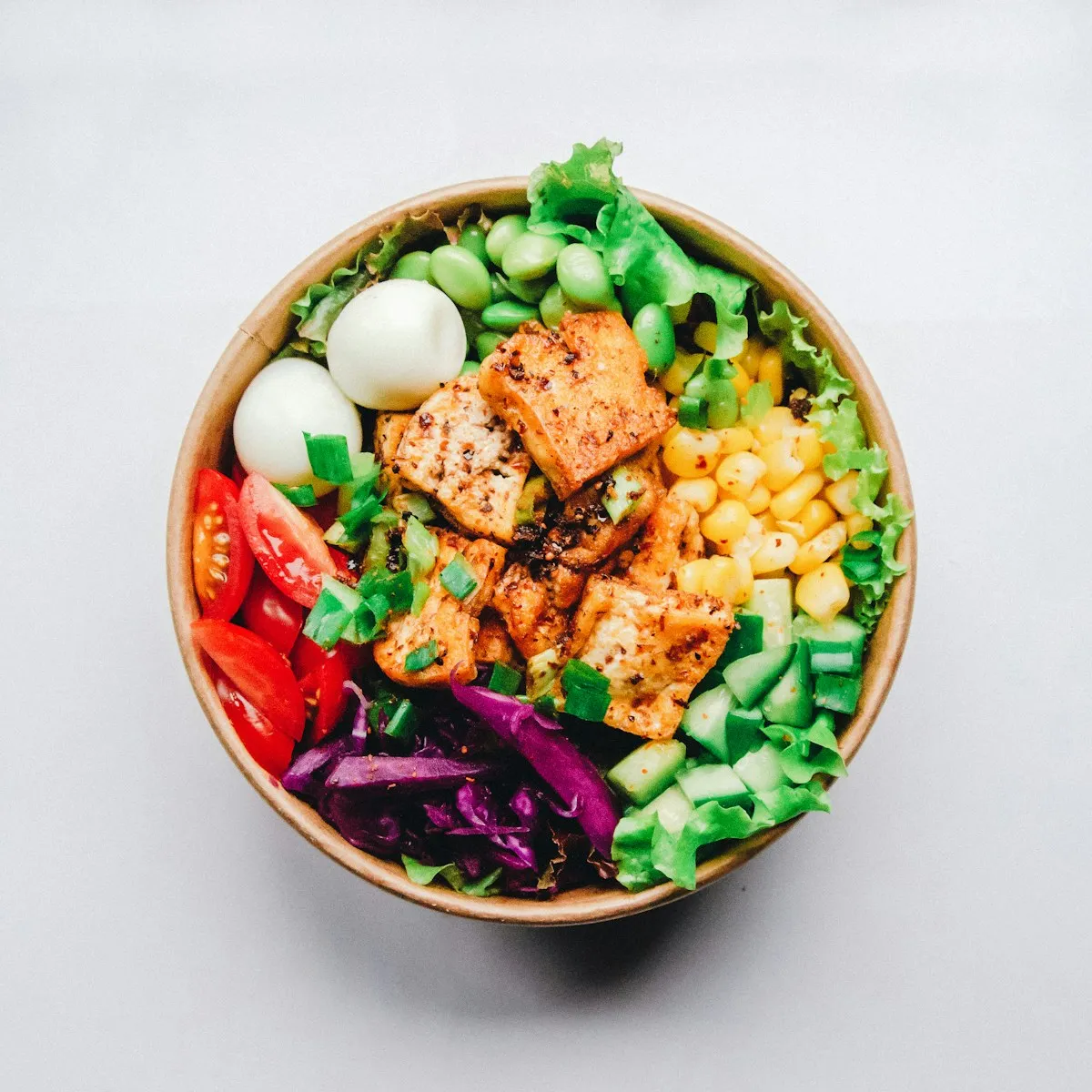
To pull off 15 minute meals without ending up with crunchy quinoa or rubbery chicken, you have to understand the "why" behind the timing. Quinoa is a pseudo-cereal that cooks via starch gelatinization. Unlike brown rice, which requires 40 minutes for water to penetrate its tough outer bran, quinoa’s small size and high surface-area-to-volume ratio allow it to reach peak fluffiness in exactly 12 to 15 minutes of simmering.
Start your grains first, the moment the lid goes on that pot, your countdown begins. Use a 2:1 liquid-to-grain ratio, but don't just use water. Use a low-sodium chicken or vegetable broth to infuse the seeds with savory depth from the inside out. Once the water boils, drop the heat to a whisper. If you keep it at a rolling boil, the seeds will burst and turn into mush before the centers are tender.
While the quinoa does its thing, turn your attention to the protein. The goal here is the Maillard reaction, that glorious chemical dance between amino acids and reducing sugars that creates a brown, savory crust. To achieve this in minutes, you must maximize surface area. Forget whole chicken breasts; they take too long to cook through. Slice your chicken into thin, uniform strips or bite-sized medallions.
Heat your skillet until a drop of water dances on the surface before adding oil. Place the chicken in the pan and leave it alone. Resisting the urge to "fiddle" is a non-negotiable. If you move the meat too early, you break the heat contact required for browning, resulting in pale, steamed chicken. Give it three minutes, flip once, and you’re done.
Finally, let’s talk about moisture management in your vegetables. Vegetables like kale or spinach contain a high percentage of water. If you toss them into a cold pan, they’ll leak liquid and become soggy. Instead, use the residual heat and the flavorful "fond" (the brown bits) left in the skillet after the chicken is done. Toss your greens in for just 60 seconds at the very end. The high heat wilts them instantly, preserving their vibrant chlorophyll and crisp-tender texture. For more efficiency, explore our one-pot meals category to see how heat layering works across different grains.
Flavor Profiles and Clever Variations
Once you master the base technique, these bowls become a blank canvas. The standard chicken and vegetable combo is fantastic, but you can pivot based on what’s in your pantry. If you want to lean into Mediterranean vibes, swap the kale for baby spinach and add sundried tomatoes and olives. The acidity from the tomatoes cuts through the richness of the seared chicken beautifully.
For a zesty, plant-forward twist, try a "Southwest" version. Swap the chicken for black beans and corn, using smoked paprika and cumin to season the quinoa as it simmers. The science remains the same: you want a balance of textures. Adding something creamy, like avocado, or something crunchy, like toasted pepitas, creates a multi-sensory experience that makes simple healthy weeknight dinners feel like restaurant-quality meals.
If you’re feeling bold, go for an Asian-inspired bowl. Use sesame oil for searing and toss your chicken in a quick ginger-soy glaze at the last second. In this variation, swap the heavy greens for thinly sliced bok choy or snap peas. These high-moisture vegetables cook even faster and provide a satisfying "snap" that contrasts with the soft, nutty grains of the quinoa.
Balancing the Plate: Side Dish Pairings
A great quinoa bowl is often a complete meal on its own, but the right side dish can elevate the entire experience by providing a necessary counterpoint in temperature or texture. Since our bowl is warm and savory, I recommend a cold, high-acid side to act as a palate cleanser.
A simple cucumber and radish salad with a light rice vinegar dressing works wonders. The coolness of the cucumber resets your taste buds between bites of warm, seasoned chicken. Alternatively, if you want something with more "hearth" feel, a quick tray of honey-glazed carrots roasted at high heat provides a sweet, earthy contrast to the salty savory notes of the bowl.
Avoid heavy, starchy sides like bread or potatoes. Quinoa is already providing your complex carbohydrates; adding more starch will leave you feeling sluggish rather than energized. Focus instead on "light and bright" pairings that use citrus or vinegar to keep the flavors popping. You can find more inspiration in our 15-minute meals section for other fast-pairing ideas.
Quick Healthy Meals: Your Troubleshooting FAQ
What if my quinoa is still crunchy after 15 minutes?
This usually happens if your simmer was too low or your lid wasn't tight enough, allowing steam to escape. Quinoa needs that trapped steam to hydrate the grain. If this happens, add two tablespoons of water, put the lid back on, and let it sit off the heat for five minutes. The "carryover" steam will usually finish the job without making it soggy.
Can I use frozen vegetables to save more time?
Yes, but you must be careful with the water content. Frozen vegetables are blanched before freezing, meaning their cell structures are already partially broken down. If you toss frozen broccoli or peas directly into the quinoa, they will release water and potentially make the grains gummy. Instead, microwave them separately for 60 seconds and drain them thoroughly before folding them into the bowl at the end.
How do I prevent the chicken from drying out?
The secret is "resting." When chicken cooks, the muscle fibers contract and push moisture toward the center. If you slice it the second it comes out of the pan, all that juice runs out onto your cutting board. Give the chicken three to five minutes to rest on a plate while you fluff the quinoa. This allows the fibers to relax and reabsorb the juices, ensuring every bite is succulent.
My quinoa tastes bitter; what did I do wrong?
Most quinoa is coated in a natural substance called saponin, which keeps birds from eating it in the wild. It’s harmless but tastes like soap. Even if the box says "pre-rinsed," give it a 30-second rinse in a fine-mesh strainer under cold water. This small step is the difference between a delicious meal and a bitter disappointment.
Can I prep these for the whole week?
Absolutely. Quinoa is one of the few grains that holds its texture remarkably well in the fridge. However, don't mix the dressing in until you’re ready to eat. Store the chicken, vegetables, and quinoa in airtight containers for up to four days. When you’re ready, a 90-second reheat in the microwave with a damp paper towel over the top will keep everything moist. Check out our chicken recipes for more meal-prep-friendly proteins.
{“@type”:”BlogPosting”,”image”:”https://cdn.marblism.com/pcKN0jks6CK.webp”,”author”:{“name”:”Cookpedia”,”@type”:”Organization”},”faqPage”:{“@type”:”FAQPage”,”@context”:”https://schema.org”,”mainEntity”:[{“name”:”What if my quinoa is still crunchy after 15 minutes?”,”@type”:”Question”,”acceptedAnswer”:{“text”:”Add two tablespoons of water, put the lid back on, and let it sit off the heat for five minutes. The carryover steam will finish the cooking process.”,”@type”:”Answer”}},{“name”:”How do I prevent the chicken from drying out?”,”@type”:”Question”,”acceptedAnswer”:{“text”:”Rest the chicken for three to five minutes before slicing. This allows the juices to redistribute through the meat.”,”@type”:”Answer”}},{“name”:”My quinoa tastes bitter; what did I do wrong?”,”@type”:”Question”,”acceptedAnswer”:{“text”:”Rinse your quinoa in a fine-mesh strainer for 30 seconds before cooking to remove the bitter saponin coating.”,”@type”:”Answer”}}]},”@context”:”https://schema.org”,”headline”:”Quick Healthy Meals: 15-Minute Chicken and Vegetable Quinoa Bowls”,”keywords”:”quick healthy meals, 15 minute meals, healthy weeknight dinners”,”publisher”:{“logo”:{“url”:”https://cookpedia.com/logo.png”,”@type”:”ImageObject”},”name”:”Cookpedia”,”@type”:”Organization”},”description”:”Learn how to make 15-minute chicken and vegetable quinoa bowls with expert tips on the Maillard reaction and starch gelatinization for perfect healthy weeknight dinners.”,”datePublished”:”2026-07-23″,”articleSection”:”Recipes”,”mainEntityOfPage”:{“@id”:”https://cookpedia.com/quick-healthy-meals-quinoa-bowls”,”@type”:”WebPage”}}