Recipe
Servings
Servings 1×
Ingredients
- Chicken
- Tofu
- Black beans
- Beans
- Quinoa
- Noodles
- Rice
- Greek yogurt
- Tortillas
- Cauliflower
- Zucchini
- Mushrooms
- Avocado
- Onion
- Lime
- Cream
- Cooking oil
- Chili seasoning
Method
- Let’s be honest: by 6:00 PM on a Tuesday, the last thing you want is a complicated culinary project that leaves your kitchen looking like a disaster zone.
- Use a heavy-bottomed skillet: cast iron is my absolute favorite for this: and get it screaming hot before anything touches the surface.
- Slice your chicken breast and your bell peppers into uniform strips about half an inch thick.
- Toss the "zoodles" into the hot pan for just sixty seconds at the very end: enough to warm them through without releasing too much water.
- Toss the sliced vegetables in a high-smoke-point oil (like avocado oil) and air fry at 400°F for 8–10 minutes, shaking halfway through.
Let’s be honest: by 6:00 PM on a Tuesday, the last thing you want is a complicated culinary project that leaves your kitchen looking like a disaster zone. You need food that is fast, fresh, and actually tastes like you tried. These 15-minute chicken fajita bowls are my go-to answer for those nights when the clock is ticking but you still want to stick to your healthy dinner ideas. We are skipping the heavy tortillas and focusing on high-impact flavors that come together in a single skillet.
Mastering the Sear: Science and Speed
To pull off a restaurant-quality meal in a fraction of the time, you have to understand the physics of your pan. Most home cooks make the mistake of overcrowding the skillet, which is the fastest way to turn a potential sear into a sad, gray steam-fest. When you pack too many pieces of chicken or sliced peppers into the pan at once, the temperature drops and moisture is released faster than it can evaporate.
Use a heavy-bottomed skillet: cast iron is my absolute favorite for this: and get it screaming hot before anything touches the surface. This creates the Maillard reaction, a chemical reaction between amino acids and reducing sugars that gives browned food its distinctive flavor. Without this high-heat contact, you lose that "smoky" fajita essence that makes the dish craveable.
Consistency in your knife work is also a non-negotiable for quick family meals. Slice your chicken breast and your bell peppers into uniform strips about half an inch thick. If the chicken is too chunky, the outside will dry out before the center hits a safe temperature. If the peppers are too thin, they’ll turn to mush. Aim for that "crisp-tender" sweet spot where the edges are charred but the vegetable still has a structural bite.
Don’t forget the "fond": those delicious, browned bits stuck to the bottom of the pan after the chicken is done. Instead of washing them away, use a splash of lime juice or chicken broth to deglaze the pan while you sauté your onions. This liquid lifts the concentrated flavor off the metal and coats your vegetables in a built-in seasoning sauce. Check your pan frequently and don't be afraid of a little smoke; it’s just flavor in the making.
Smart Variations for Every Lifestyle
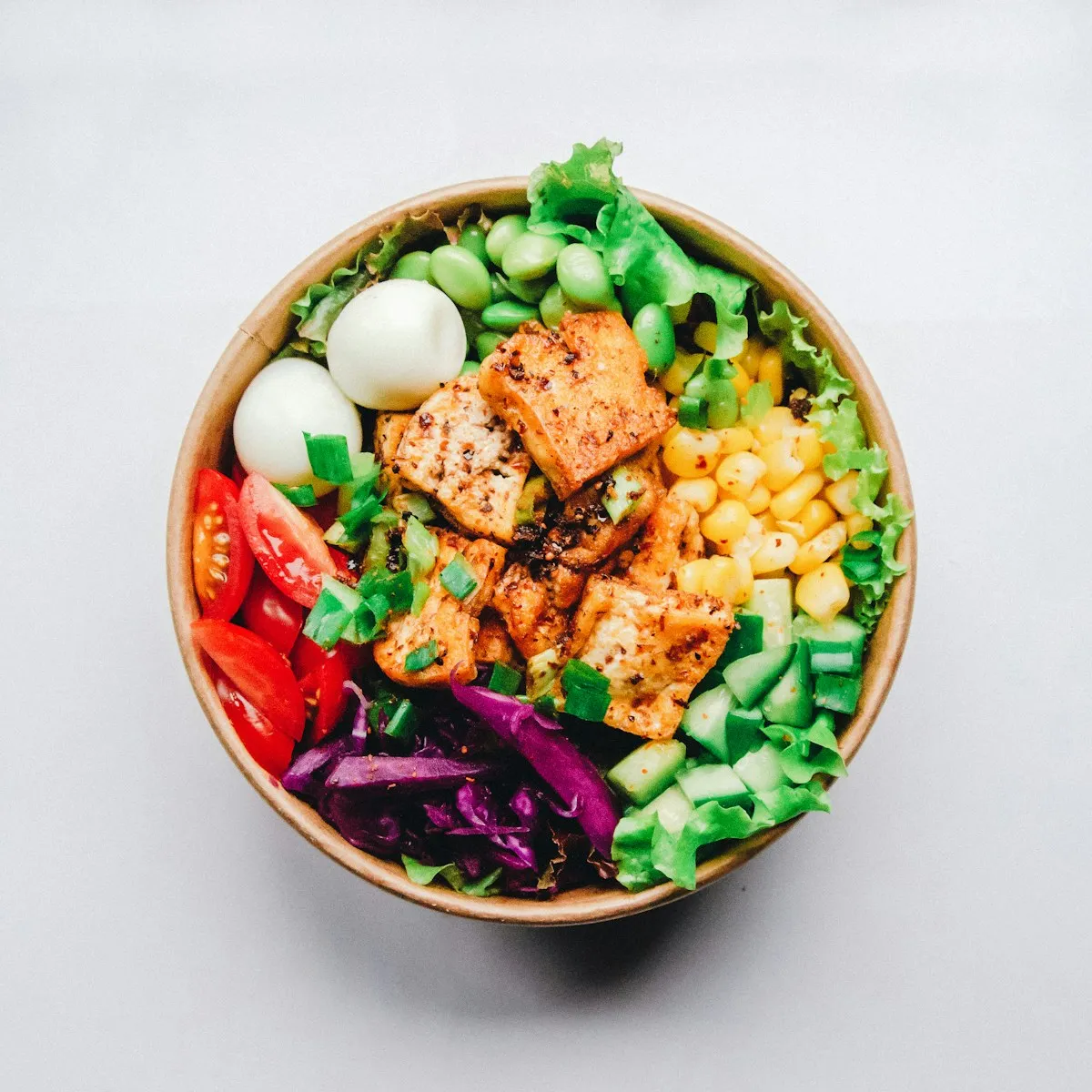
One of the best things about this base recipe is how easily it adapts to your specific dietary goals. If you are leaning into a low-carb or keto lifestyle, swap the traditional rice base for a bed of spicy arugula or even zucchini noodles. Toss the "zoodles" into the hot pan for just sixty seconds at the very end: enough to warm them through without releasing too much water.
For those looking to expand their repertoire of air fryer recipes dinner, you can actually achieve a fantastic char on the peppers and onions using your air fryer. Toss the sliced vegetables in a high-smoke-point oil (like avocado oil) and air fry at 400°F for 8–10 minutes, shaking halfway through. It’s a hands-off way to get that roasted flavor while you focus on searing the chicken on the stovetop.
If you want to go meatless, firm tofu or a mix of portobello mushrooms and black beans works beautifully. Just remember that mushrooms release significantly more water than chicken, so you’ll need to cook them in smaller batches to ensure they brown rather than boil. Whether you're making this for yourself or looking for quick family meals that kids will actually eat, the bowl format allows everyone to customize their toppings at the table.
The Art of the Side Dish Pairing
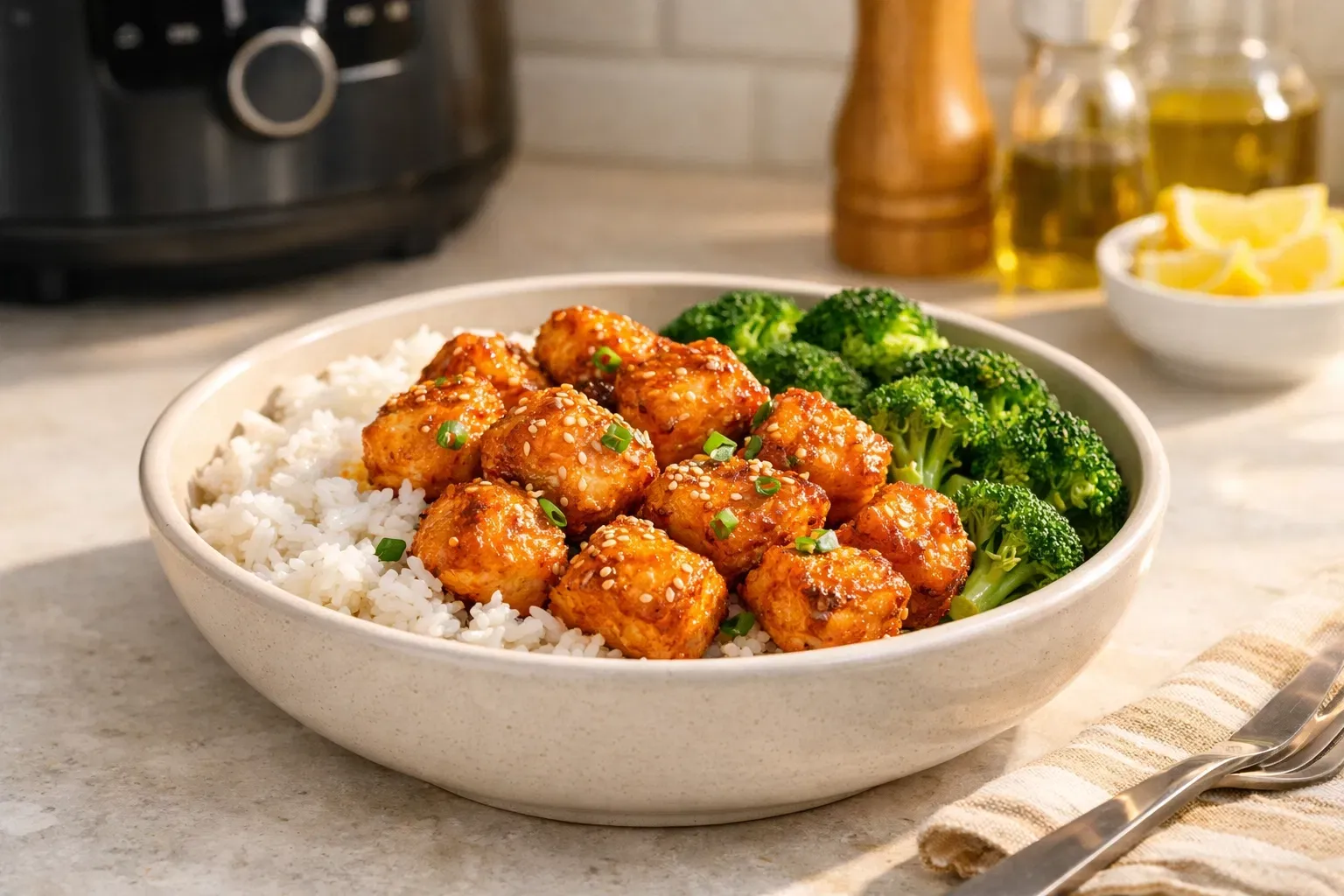
A great fajita bowl is all about balance. Since the chicken and peppers provide deep, charred notes, you need something bright and acidic to cut through that richness. A simple jicama slaw with plenty of lime juice and a pinch of chili flakes adds a refreshing crunch that elevates the whole experience.
If you prefer a grain base, steer toward cilantro lime cauliflower rice for a lighter touch, or a small portion of quinoa for extra protein. Avoid heavy, cheese-laden sides that can make a healthy meal feel sluggish. Instead, focus on "power toppings" like sliced avocado for healthy fats or a dollop of Greek yogurt as a high-protein alternative to sour cream. These additions keep your healthy dinner ideas satisfying without the post-dinner food coma.
Explore more of our quick meals for pairing inspiration, or check out our healthy recipe collection to find more low-calorie ways to bulk up your bowls.
Frequently Asked Questions
Can I use frozen peppers and onions for this?
You can, but proceed with caution. Frozen vegetables contain significantly more moisture than fresh ones. To prevent a soggy mess, do not thaw them first. Throw them directly into a very hot pan in small batches so the water evaporates instantly. You might lose a bit of that "crunch," but the flavor will still be there for a last-minute dinner.
How do I prevent my chicken from becoming rubbery?
Rubbery chicken is usually the result of overcooking or "stewing" in its own juices. To avoid this, pat your chicken dry with paper towels before seasoning. Moisture is the enemy of a good sear. Also, pull the chicken off the heat when it hits 160°F and let it rest; carryover cooking will bring it to the safe 165°F mark while keeping it juicy.
Is this recipe good for meal prep?
Absolutely. This is one of those rare dishes that actually holds up well in the fridge. To keep things fresh, store the "hot" components (chicken, peppers, onions) separately from the "cold" components (salsa, avocado, yogurt). When reheating, use a hot skillet for two minutes rather than the microwave to restore some of that original texture.
What is the best oil to use for high-heat sautéing?
Avoid extra virgin olive oil or butter for the initial sear, as they have low smoke points and will burn, leaving a bitter taste. Use avocado oil, grapeseed oil, or refined coconut oil. These can handle the high temperatures required for the Maillard reaction without breaking down.
How can I make this spicier without losing the flavor?
Instead of just adding more chili powder, try adding sliced fresh jalapeños or serranos directly into the pan with the bell peppers. The heat from the pan mellows the raw bite of the pepper while infusing the oil with a spicy kick. For a smoky heat, a small spoonful of adobo sauce from a can of chipotle peppers works wonders.
{“@type”:”BlogPosting”,”image”:”https://cdn.marblism.com/dulB9SHmVqG.webp”,”author”:{“name”:”Penny”,”@type”:”Person”},”@context”:”https://schema.org”,”headline”:”Quick Healthy Meals: 15-Minute Chicken Fajita Bowls with Peppers and Onions”,”publisher”:{“logo”:{“url”:”https://cookpedia.com”,”@type”:”ImageObject”},”name”:”Cookpedia”,”@type”:”Organization”},”description”:”Discover how to make healthy 15-minute chicken fajita bowls. Learn the science of the perfect sear and quick family meal tips for busy weeknights.”,”datePublished”:”2026-07-22″}