Recipe
Servings
2 servings 1×
Serves 2Prep 10 minCook 15 minTotal 25 min
Nutrition per serving
Ingredients
- 2 chicken thighs skinless, boneless, sliced
- 50 g chorizo sliced into coins
- 1 large leek sliced into half-moons
- 1 red bell pepper sliced into strips
- 100 g kale or spinach shredded
- 250 g cooked brown rice or one microwave pouch
- 2 tbsp soy sauce low sodium
- 1 tbsp red wine vinegar
- 1 tbsp vegetable oil
Method
- Heat oil in a large pan or wok over high heat.
- Add the chicken and cook for 3-4 minutes until golden.
- Add the chorizo coins and cook for another 2 minutes until the oils are released and the chicken is cooked through.
- Remove the chicken and chorizo with a slotted spoon, leaving the flavoured oil in the pan.
- Toss in the leeks and peppers.
- Stir-fry for 2-3 minutes until they begin to soften and caramelise.
- Add the kale (or spinach) and cook for 1 minute until wilted.
- Add the cooked brown rice directly to the pan.
- Drizzle with soy sauce and red wine vinegar.
- Return the chicken and chorizo to the pan.
- Stir everything together for 2-3 minutes until piping hot.
On my blog, I’m always chasing the kind of dinner that feels sensible without tasting like a punishment. This chicken, leek, and brown rice stir-fry is exactly that sort of hero meal. It lands somewhere between healthy dinner ideas and genuine weeknight comfort, which is a very handy place to live. It is fast, colourful, deeply savoury, and just fussy enough to make me feel like I cooked on purpose rather than simply throwing food at a pan and hoping for the best.
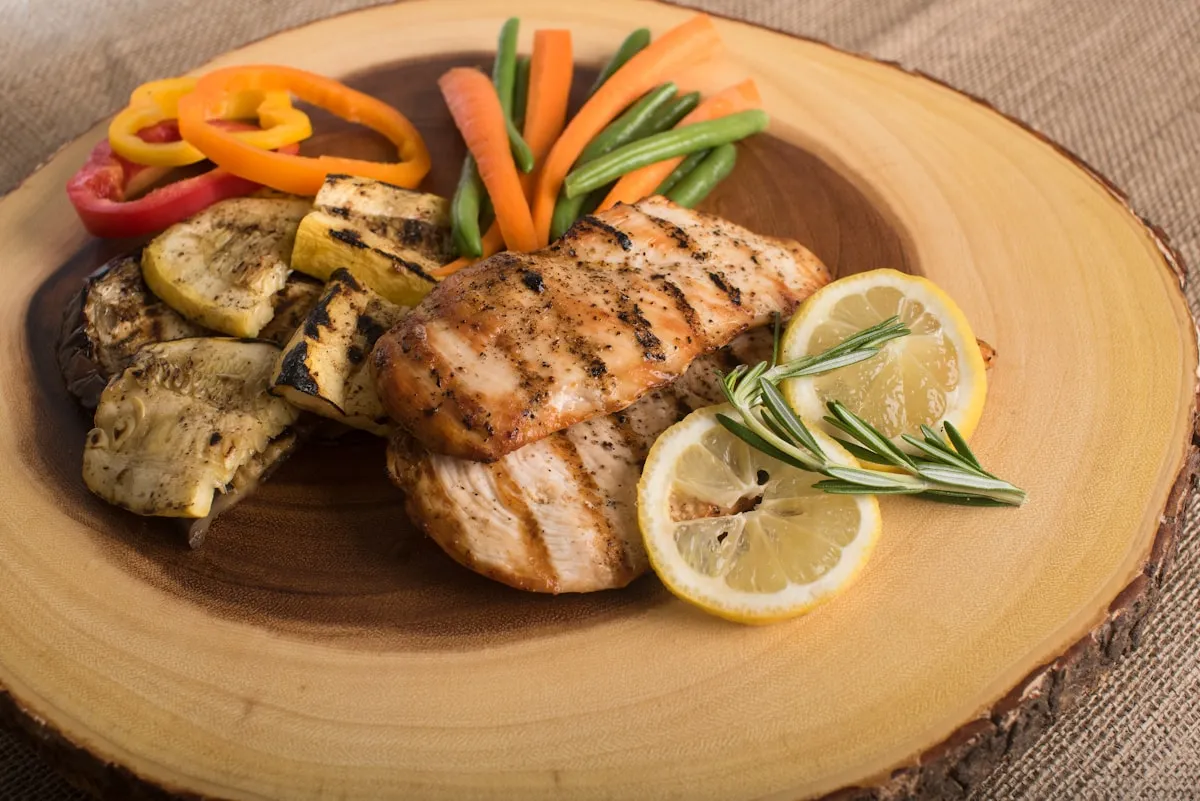
Tips & Technique
If you want this dish to taste like something from a very competent home cook instead of a soggy Tuesday experiment, the secret is understanding what high-heat stir-frying actually does. Stir-frying is not just “cook it quickly and wave a spatula around like you’re conducting an orchestra.” It’s a method built around speed, intense heat, and surface contact. The pan needs to be hot enough that moisture evaporates fast, because once ingredients start steaming, the whole thing loses its swagger.
The star of the show here is the chicken, and this is where the Maillard reaction earns a proper round of applause. That lovely browning on the outside is not just colour for vanity’s sake. It is a chemical reaction between amino acids and sugars that creates deeper, roastier, more complex flavour. In plain English: brown bits taste amazing. If the chicken is crowded into the pan, it releases too much moisture, the temperature drops, and instead of getting golden edges you get pale, slightly sad pieces that look like they need a pep talk. Giving the chicken enough space and leaving it alone for a moment is what helps that savoury crust develop.
I also like to think of stir-frying as a game of ingredient timing. Chicken goes in first because it benefits most from direct heat and a little uninterrupted contact with the pan. Once it has picked up colour, the aromatic ingredients and vegetables can follow, using all that flavour already built on the surface. That is one of the reasons this meal works so well for quick family meals. It cooks fast, yes, but it also layers flavour quickly, which is not the same thing. Fast food at home should still taste like someone cared.
Now let’s talk about the leek, because leeks are wonderful and mildly annoying in equal measure. Their flavour is softer than onion, a little sweet, and perfect in a stir-fry where you want background depth instead of sharpness. But the anatomy of a leek is basically a series of tightly packed leafy cylinders that seem personally committed to trapping soil. Dirt gets tucked between the layers as the plant grows, so a casual rinse is often nowhere near enough. The best approach is to split the leek lengthways first, fan the layers under cold running water, and make sure the water reaches those hidden folds. Once it is clean, slicing it into thin half-moons gives you pieces that soften fast and almost melt into the dish.
That structure matters in the pan too. Leeks are high in water, so when they hit the heat they first soften, then sweeten, and then begin to collapse into silky ribbons. They do not need ages to cook, but they do benefit from a hot pan that lets excess moisture disappear quickly. That is how you get sweetness rather than swampiness. I cannot stress enough how much better dinner looks when the vegetables are glossy and lively instead of looking like they’ve had a hard week.
The rice plays a bigger role than people think. Brown rice is not just there as a worthy wholegrain box-ticker. It brings chew, nuttiness, and a structure that can stand up to tossing in a hot pan. More importantly, rice starch is doing quiet, useful work. As the grains heat and move through the sauce, a little surface starch helps the seasoning cling rather than slide off and pool at the bottom. You get a lightly glossy texture that makes the whole dish feel cohesive. Every grain picks up flavour, which is exactly what you want in meal prep ideas for weight loss, because satisfying texture is half the battle. If food feels hearty and complete, you are far less likely to start rummaging around the kitchen an hour later for emergency toast.
Using cooked, cooled rice is especially helpful because the grains firm up as they chill. That means they separate more easily in the pan and avoid turning into a mushy brick. Freshly cooked rice can be a little too steamy and fragile for this style of cooking. Cold rice, on the other hand, behaves like it has done this before. It is calm, collected, and ready for the job.
Another small bit of kitchen science: acidity at the end can sharpen everything without making the dish taste sour. A splash of vinegar or another bright ingredient cuts through richness, wakes up the savoury notes, and makes the browned chicken taste even more chickeny. That is not a technical culinary term, obviously, but you know exactly what I mean.
If you are aiming for healthy dinner ideas that do not feel like culinary homework, this sort of technique-first cooking is the answer. Learn the heat, respect the moisture, and let the pan do the heavy lifting. Suddenly a straightforward stir-fry starts behaving like one of those comfort food recipes easy enough for a Wednesday but still good enough to brag about on my blog.
Variations
One of my favourite things about this meal is how flexible it is. Once you understand the backbone of it, you can tweak the details depending on your mood, fridge situation, or level of domestic ambition. If I want a smokier version, I lean into the paprika notes and let the savoury elements bring more depth. If I want something lighter, I let the leeks, greens, and rice take centre stage and keep the overall flavour a bit cleaner.
You can also change the personality of the dish by swapping the greens. Kale gives you chew and structure, while spinach melts in almost instantly and creates a softer finish. Spring greens land somewhere in the middle. None of these choices are wrong; they just steer the texture in a different direction. That matters more than people think. Texture is often the difference between “that was fine” and “I’m absolutely making that again.”
For households that rely on quick family meals, this recipe is also brilliant for using up leftover proteins or cooked grains. It adapts well, reheats well, and still feels intentional instead of cobbled together. That makes it one of my favourite meal prep ideas for weight loss too, because a dish that keeps its texture after chilling is far easier to enjoy the next day. Nobody is excited by limp leftovers.
If you prefer bolder heat, a little chilli element works beautifully with the sweet leek and nutty brown rice. If you want more sweetness, extra peppers can round things out nicely. And if you are firmly in the camp of comfort food recipes easy enough to make half-asleep after work, keeping the format simple and changing just one variable at a time is the smartest move. Tiny adjustments, big payoff, zero drama.
Side Dishes
Because this stir-fry already gives you protein, vegetables, and grains in one bowl, I tend to keep side dishes simple. The best companions are usually crisp, fresh, or lightly acidic, because they balance the warmth and savouriness of the pan. A crunchy cucumber salad works brilliantly, especially if it has a sharp dressing that cuts through the richness and wakes up your palate between bites.
I also like serving this with a quick bowl of steamed greens or a light broth-based soup if I want dinner to feel a bit more substantial without becoming heavy. That combination is especially handy for healthy dinner ideas because it stretches the meal in a satisfying way while keeping the overall plate balanced.
If I’m feeding hungrier people, or just the sort of crowd that hears the words quick family meals and assumes seconds are imminent, a side of roasted vegetables can work well too. Something with charred edges echoes the same high-heat flavours in the stir-fry and makes the whole meal feel connected rather than random. The trick is not to overdo it. This dish already has plenty going on, so the supporting cast should know its role and not try to steal the scene.
FAQ
Why does stir-fry need such high heat?
High heat helps ingredients cook quickly while driving off surface moisture. That is what keeps vegetables crisp-tender and encourages browning on the chicken instead of steaming. Without enough heat, the ingredients release liquid faster than the pan can evaporate it, and everything goes soft in the wrong way.
What exactly is the Maillard reaction, and why should I care?
It is the browning reaction that happens when proteins and natural sugars meet high heat. It creates hundreds of flavour compounds that make chicken taste richer, toastier, and more savoury. In other words, it is the difference between “cooked” and “properly delicious.” For quick family meals, this is one of the fastest ways to build big flavour without extra fuss.
Why are leeks so annoying to clean?
Because nature gave them layer after layer that loves trapping grit. Soil gets stuck deep inside the tightly packed structure, especially in the upper sections. Splitting the leek lengthways and rinsing between the layers is the easiest way to deal with it. It sounds a bit tedious, but biting into sandy dinner is worse, and I say that from a place of experience and trauma.
Why does brown rice work so well here?
Brown rice has more structure than white rice, so it stays distinct in the pan and gives the dish a chewier, nuttier texture. It also has enough surface starch to help the sauce cling lightly to the grains, which creates that satisfying coated finish rather than a watery one. For meal prep ideas for weight loss, that texture can make a huge difference because the meal feels substantial and enjoyable.
Can this fit into healthy dinner ideas without being boring?
Absolutely. The reason this recipe works is that it focuses on flavour-building techniques instead of relying on heaviness. Browning, high heat, smart layering, and balanced texture do most of the work. Healthy does not have to mean bland; it just means the cooking has to pull its weight.
Is this good for make-ahead meals?
Yes, especially if the rice is already cooked and cooled. The dish holds up well in the fridge, reheats nicely, and keeps enough texture to remain appealing the next day. That makes it one of those meal prep ideas for weight loss that does not feel like a compromise meal.
What makes this one of those comfort food recipes easy enough for busy nights?
It is cosy without being heavy, fast without tasting rushed, and flexible enough to work with what you already have around. To me, that is the sweet spot. If dinner can be done quickly and still feel a little indulgent, my blog is happy, my kitchen is happy, and most importantly, I am no longer staring into the fridge like it has personally betrayed me.