Recipe
Servings
Servings 1×
Ingredients
- Chicken
- Bread
- Zucchini
- Tomatoes
- Garlic
- Lemon
- Balsamic vinegar
- Hard cheese
- Cooking oil
- Salt
Method
- Prepare the ingredients described in the article and heat the cooking surface or oven as directed.
- Cook the main ingredients using the heat and timing guidance in the article.
- Finish with the seasonings and garnishes named in the article, then serve.
If you have ever spent a warm evening in an Italian piazza, you know that the most memorable meals aren't always the most complex. Sometimes, the absolute highlight is a simple plate of toasted bread, garlic, and sun-ripened tomatoes. This Traditional Mediterranean Tomato Bruschetta is exactly that, a celebration of summer in every bite. It is the ultimate appetizer that proves how three or four high-quality ingredients can outshine a ten-course feast when treated with a little bit of respect and a lot of olive oil.
The Science of the Crunch: Osmosis and Heat
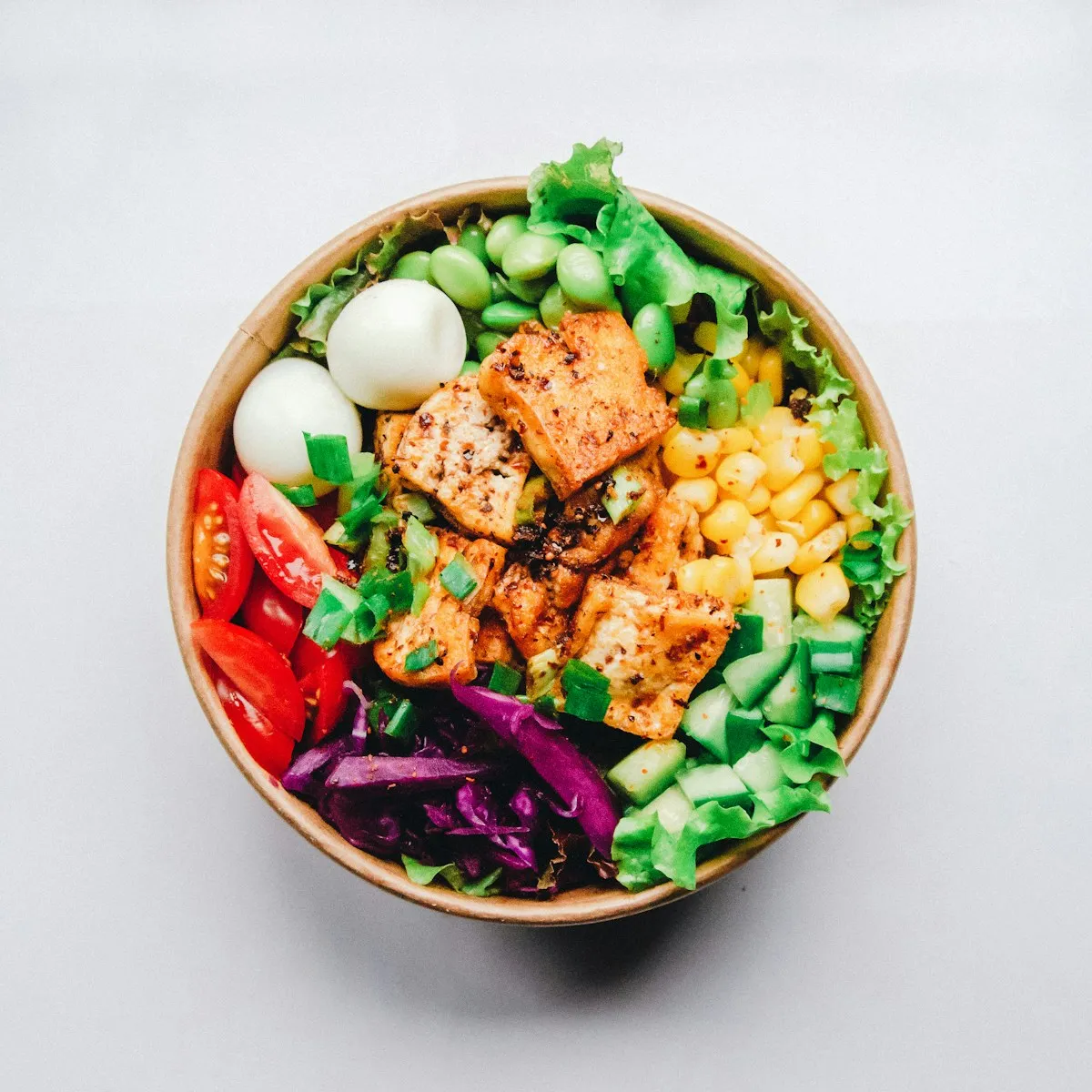
The biggest mistake home cooks make with bruschetta is a soggy base. Nobody wants a wet piece of bread that collapses under the weight of its own toppings. To avoid this, you must understand the science of osmosis. When you salt your tomatoes, you are essentially drawing moisture out of the vegetable's cells. This liquid, while delicious, is the enemy of crispy bread. Always salt your diced tomatoes in a separate bowl and let them sit. This allows the juices to pool at the bottom rather than soaking directly into your toast the moment they touch. Use a slotted spoon when transferring the mixture to the bread to keep the excess liquid at bay.
Structure is your best friend here. Pick a bread that can stand up to a fight. While a baguette is okay in a pinch, a sturdy Pagnotta or a sourdough loaf is far superior. These breads have a dense, tight crumb and a thick crust that acts as a fortress against moisture. When you toast or grill your slices, aim for a golden-brown exterior while maintaining a slight "give" or pillowy texture in the center. This creates a sensory contrast that makes the Mediterranean experience truly authentic.
One of my favorite healthy dinner ideas involves using leftover bruschetta toppings to brighten up grilled chicken or fish, but for the appetizer version, the bread is the star. Use a heavy hand with the garlic, too. Rub a raw, peeled clove directly onto the rough surface of the warm, toasted bread. The heat of the bread melts the garlic oils, infusing the crust with a pungent, aromatic flavor that you just can't get from pre-chopped garlic. It is a non-negotiable step. Avoid the temptation to use garlic powder; the chemical reaction between the raw garlic and the hot, toasted carbohydrates is what creates that signature zing.
Finally, consider the temperature of your ingredients. While it is tempting to pull a tomato straight from the fridge on a hot day, resist that urge. Cold tomatoes lose their aromatic compounds and become mealy. For a truly vibrant flavor profile that fits into your rotation of quick family meals, keep your tomatoes on the counter. Room-temperature fruit (yes, they are fruits!) releases more sugar and acid, which balances perfectly with the richness of a high-quality extra virgin olive oil.
Flavor Elevations and Creative Variations
Once you have mastered the foundational technique, the world is your oyster, or your tomato. While the classic version is strictly tomato, basil, and garlic, you can lean into different textures to keep things interesting. If you are looking for a bit more decadence, try adding a smear of creamy burrata or fresh mozzarella to the bread before the tomatoes. The fat from the cheese acts as a barrier, further protecting the bread from moisture while adding a silky mouthfeel that contrasts with the acidity of the tomatoes.
For a sweet and savory twist, incorporate stone fruits like peaches or nectarines into your tomato mixture. The sugars in the fruit caramelize slightly when paired with a drizzle of thick balsamic glaze, creating a flavor profile that is both sophisticated and refreshing. If you want to keep things strictly plant-based but still want more depth, toss in some capers or finely chopped Kalamata olives. The saltiness of the olives cuts through the sweetness of the tomatoes, providing a briny punch that is quintessential to coastal European cooking.
Don't be afraid to experiment with herbs, either. While basil is the gold standard, fresh oregano or even a hint of mint can transform the dish into something entirely new. Just remember to tear your herbs by hand rather than chopping them with a dull knife; bruising the leaves releases more of their essential oils, ensuring that every bite is as fragrant as a garden in July.
Balancing the Plate: Side Dish Pairings
Bruschetta is a powerhouse of acidity and crunch, so your pairings should focus on providing balance. If you are serving this as part of a larger spread, look for dishes that offer a creamy or salty counterpoint. A chilled platter of prosciutto and melon is a fantastic companion, as the salt-cured meat and sweet fruit dance perfectly with the garlicky toast.
For those looking to build a more substantial meal, consider serving the bruschetta alongside a hearty arugula salad dressed with lemon and parmesan. The peppery bite of the greens and the richness of the cheese complement the brightness of the tomatoes without overwhelming them. If you are exploring air fryer recipes dinner options, a side of crispy air-fried artichokes or zucchini fries provides a satisfying textural match. The goal is to keep the meal light and vibrant, focusing on "real food" that doesn't leave you feeling weighed down. Think of the bruschetta as the lead singer and your side dishes as the backing band, they are there to make the star look good.
Frequently Asked Questions
Can I make the tomato mixture ahead of time?
You can certainly prep the tomatoes an hour or two in advance, but avoid doing it the day before. The longer the tomatoes sit in salt and acid, the more they break down and lose their structural integrity. They will eventually turn into a mushy salsa rather than a crisp dice. If you must prep ahead, keep the tomatoes and herbs separate until the very last minute.
Why did my bread get soggy so quickly?
This usually happens because the bread was sliced too thin or the tomatoes weren't drained properly. Ensure your slices are at least half an inch thick. Also, check your toasting method; if the bread is only toasted on one side, the soft side will act like a sponge. Toast both sides until they are firm to the touch.
What is the best olive oil to use?
This is the time to break out the "good stuff." Since you aren't cooking the oil, its flavor will be front and center. Look for a "finishing" oil that is labeled as extra virgin and, ideally, cold-pressed. It should have a slightly peppery finish and a vibrant green-gold color. Avoid using refined vegetable oils or light olive oils, as they lack the polyphenols and flavor depth required for a simple dish like this.
Can I use cherry tomatoes instead of large ones?
Absolutely. Cherry or grape tomatoes are often sweeter and more consistent in quality throughout the year. However, because they have a higher skin-to-flesh ratio, the texture will be slightly different. Slice them into quarters or halves to ensure they stay on the bread and absorb the seasonings.
Is it okay to use dried basil?
I am going to be firm on this one: no. Dried basil tastes nothing like fresh basil and often has a dusty, hay-like flavor that will ruin the freshness of the dish. If you can’t find fresh basil, use fresh flat-leaf parsley or even a bit of fresh chive. Freshness is the soul of this recipe; don't compromise it.
How do I store leftovers?
Bruschetta is best enjoyed immediately. Once the bread is topped, it has a very short "shelf life" before physics takes over and the bread softens. If you have leftover tomato mixture, store it in an airtight container in the fridge and use it the next morning over poached eggs or folded into an omelet. Just don't try to save the assembled toasts; they won't survive the night.