Recipe
Servings
Servings 1×
Ingredients
- Chickpeas
- Quinoa
- Bread
- Potatoes
- Sweet potatoes
- Broccoli
- Carrots
- Zucchini
- Greens
- Tomatoes
- Onion
- Mustard
- Feta
- Cooking oil
- Black pepper
Method
- Let’s be honest: most salads are a disappointment.
- Give them space to breathe.
- Use a fine-mesh strainer and run cold water over the grains for at least sixty seconds.
- Toss the wet quinoa into a dry pot and heat it until the water evaporates and the grains start to smell like toasted nuts.
- Simmer until the water is gone, then, and this is the non-negotiable part, leave the lid on for ten minutes.
- Toss the quinoa with a third of your dressing while the grains are still slightly warm.
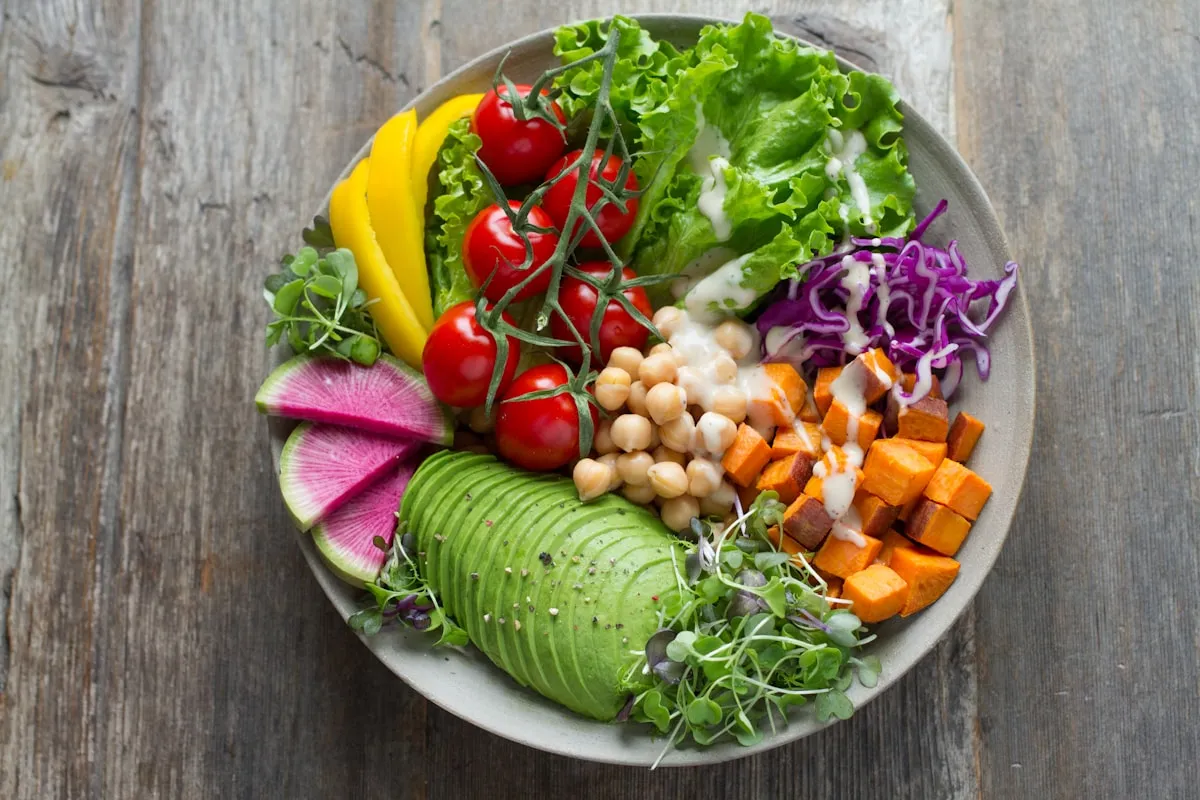
Let’s be honest: most salads are a disappointment. You go into it with high hopes of being a "healthy person," and twenty minutes later, you’re staring at a pile of limp lettuce wondering where your life went wrong. But this isn't that kind of salad. We’re talking about a grain-based powerhouse that actually keeps you full until tomorrow morning. When you’re hunting for plant-based dinner ideas, this Quinoa and Roasted Veggie Salad is the holy grail because it balances complex carbohydrates, healthy fats, and a depth of flavor that usually takes hours to build. It’s one of those quick healthy meals that feels like a warm hug but won't leave you in a carb coma.
The Chemistry of the Perfect Roast: Maillard vs. Steam
If your roasted vegetables come out of the oven looking pale, sad, and mushy, you’ve failed the chemistry test. Roasting is all about the Maillard reaction. This is the chemical dance between amino acids and reducing sugars that occurs when food hits temperatures above 300°F (150°C). It’s what gives a roasted carrot its sweetness and a floret of broccoli its savory, almost nutty char. To master this, you need to treat your oven like a laboratory.
Use high heat. Don’t settle for 350°F; crank that dial up to 425°F. At lower temperatures, the water inside the vegetables exits slowly, creating a steam pocket around the food. This leads to boiling rather than roasting. High heat forces that moisture to evaporate instantly, allowing the surface temperature to rise and the browning to begin.
Avoid crowding the pan at all costs. If your vegetables are touching, they are essentially steaming each other. Give them space to breathe. Think of it like a crowded subway car, nobody is happy, and everyone is sweaty. In a pan, that "sweat" is steam, and it’s the enemy of the crunch. If you’re short on time or oven space, remember that many air fryer recipes dinner enthusiasts actually use their air fryer for this exact step. The rapid air circulation is essentially a Maillard reaction on steroids, providing that perfect char in half the time. Check out our guide on Air Fryer Sausage and Pepper Medley to see how convection heat changes the game for quick browning.
Quinoa Physics: From Bitter Seeds to Fluffy Grains
Quinoa is technically a pseudo-cereal, but for our purposes, it’s a tiny vessel for flavor. The problem is that Mother Nature protected quinoa with a coating of saponins. These are naturally occurring chemicals that taste like soap and bitterness to deter birds from eating the seeds in the wild. Unless you want your healthy dinner ideas to taste like a bottle of Dawn, rinse your quinoa.
Use a fine-mesh strainer and run cold water over the grains for at least sixty seconds. Rub the grains together with your fingers to physically break the saponin bond. Once rinsed, don't just dump them into water. Toast them first. Toss the wet quinoa into a dry pot and heat it until the water evaporates and the grains start to smell like toasted nuts. This is the "popping" phase. Science-wise, you are initiating a light dextrinization of the starches on the surface, which prevents the grain from becoming a gelatinous mess once water is added.
When it comes to the liquid, use a 1:1.75 ratio of quinoa to water (or broth). Most boxes tell you 1:2, but that leads to a soggy result. You want the grain to hydrate through starch gelatinization without rupturing the outer hull completely. Simmer until the water is gone, then, and this is the non-negotiable part, leave the lid on for ten minutes. This allows the steam to distribute evenly, finishing the cook gently. Fluff it with a fork to separate the individual grains, ensuring your salad has texture rather than the consistency of porridge.
Emulsion Science: The Dressing That Sticks
A great salad dressing is not just a mixture; it’s an emulsion. Oil and vinegar are like that one couple that’s always breaking up, they don't want to be together. To force them to stay in a stable relationship, you need an emulsifier. Dijon mustard is my go-to. The mucilage in mustard acts as a bridge, holding the hydrophobic oil and the hydrophilic vinegar in a suspended state.
When dressing your salad, timing is everything. Toss the quinoa with a third of your dressing while the grains are still slightly warm. As the starch molecules cool, they contract, drawing the dressing into the center of the grain rather than letting it sit on the surface. This creates a deeply seasoned base. Save the rest of the dressing for the roasted vegetables and fresh herbs right before serving to maintain the textural integrity of the dish. This strategy is one of the best quick family meals hacks for making leftovers taste just as good the next day.
Flavor Variations and Scientific Balance
The beauty of this template is its adaptability. To keep things interesting, you need to balance four key pillars: sweetness, acidity, fat, and heat.
- The Mediterranean Pivot: Swap your standard vegetables for roasted red peppers, zucchini, and cherry tomatoes. Add kalamata olives for a hit of brine (acid) and feta cheese for fat. This version is a staple for those looking for healthy dinner ideas that don't feel like "diet food."
- The Sweet and Savory Contrast: Roast sweet potatoes and red onions, then toss with dried cranberries and toasted walnuts. The natural sugars in the potato undergo caramelization, while the tannins in the walnuts provide a bitter counterpoint that prevents the dish from being cloying.
- The Spicy Crunch: Incorporate air-fried chickpeas for a protein boost. If you've ever looked at Kielbasa Pierogi Air Fryer Roasts, you know how much texture an air fryer can add to starchy components. Use that same logic for chickpeas to add a "crouton" effect without the bread.
Side Dish Pairings: Creating a Balanced Table
While this salad is a complete meal on its own, pairing it correctly can elevate your dinner from "good" to "restaurant-quality." Focus on contrasting temperatures and textures.
- Cool and Creamy: Serve this alongside a bowl of tzatziki or a dollop of hummus. The coolness of the yogurt or the creaminess of the tahini cuts through the charred, smoky notes of the roasted vegetables.
- The Bread Component: A warm piece of sourdough or a toasted pita is perfect for scooping up the stray grains of quinoa. The acidity of sourdough complements the roasted sweetness of the veg perfectly.
- Quick Proteins: If you aren't strictly plant-based, a simple seared piece of salmon or a quick lemon-butter shrimp works beautifully. If you're keeping it vegan, try some crispy tofu like the one in our Air Fryer Sesame Tofu Bowl.
Frequently Asked Questions (The "What If" Guide)
Why is my quinoa always mushy?
You’re likely using too much water and not letting it steam. If the starch granules absorb too much moisture, they burst, releasing amylopectin into the pot. This creates a sticky, glue-like texture. Stick to the 1:1.75 ratio and always let it rest off the heat.
Can I roast the vegetables ahead of time?
Yes, but be aware of "reversion." When roasted vegetables cool, the sugars that caramelized can become slightly sticky. To revive them, pop them back in a hot oven or air fryer for three minutes before assembling. This is a lifesaver for quick family meals during a busy week.
How do I stop the kale from wilting immediately?
If you're adding greens, ensure the quinoa and roasted veg have cooled to at least room temperature. The thermal energy from hot ingredients will rupture the cell walls of delicate greens like spinach or kale, turning them into a swampy mess. Use the "touch test": if it’s too hot for your finger, it’s too hot for your leaves.
Is this salad good for meal prep?
Absolutely. Quinoa is incredibly stable in the fridge. Unlike pasta, which can undergo retrogradation (where the starches turn hard and crystalline), quinoa maintains a pleasant chew for 3-4 days. Just keep the dressing on the side if you’re using very delicate greens.
My dressing tastes too sharp. How do I fix it?
Acidity is a high-frequency flavor. To dampen it, you don't necessarily need sugar. You need fat. Add another tablespoon of olive oil or a teaspoon of tahini. The fat molecules coat the tongue, creating a physical barrier that slows down the perception of the acid.
Creating plant-based dinner ideas shouldn't feel like a chore. By understanding the science of the Maillard reaction and the physics of the perfect grain, you can turn a simple salad into a culinary masterpiece. Use these techniques, trust the ratios, and stop settling for boring bowls. Your kitchen is a lab: start experimenting! If you're looking for more inspiration on getting that perfect texture, check out our deep dive on achieving the perfect glossy sauce for your next pasta night.