Recipe
Servings
Servings 1×
Ingredients
- Lentils
- Beans
- Bread
- Potatoes
- Sweet potatoes
- Carrots
- Tomatoes
- Onion
- Garlic
- Lemon
- Cream
- Cooking oil
- Soy sauce or tamari
- Turmeric
- Salt
Method
- Cook your lentils in water or vegetable stock until they are nearly tender before you introduce the "tightening" agents.
- Start by browning your aromatics, onions, carrots, and celery, until they’re deeply caramelized.
- Use hearty root vegetables like parsnips or sweet potatoes that can withstand the long simmer alongside the lentils.
- Use it as a shovel to get every last drop of that savory broth.
If you’re looking for a meal that feels like a warm hug but doesn't leave you in a food coma, you’ve found it. This plant-based lentil stew is the ultimate heavy lifter in my kitchen. It’s thick, savory, and packed with enough protein to keep you satisfied through a marathon of meetings, or just a long evening of Netflix. When it comes to healthy dinner ideas, few things beat a pot of simmering lentils for pure, unadulterated comfort that actually loves you back.
The Science of the Simmer: Texture and Timing
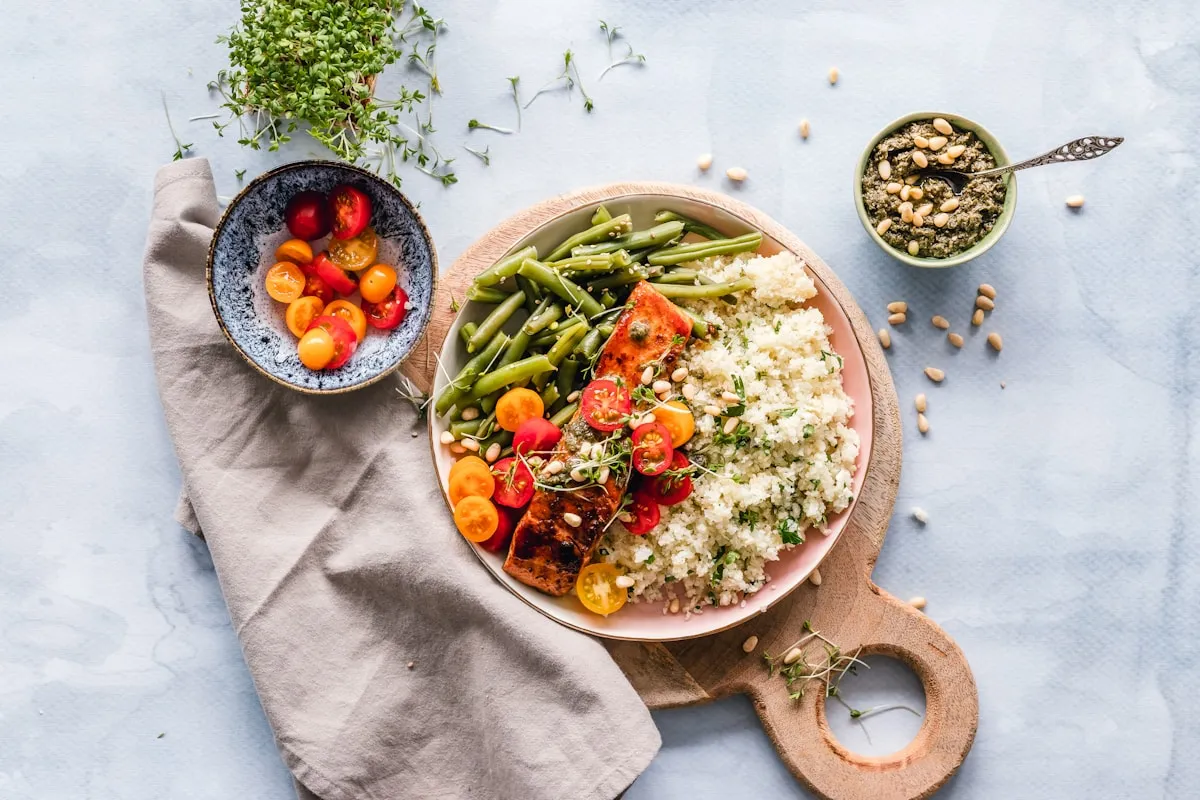
Getting a lentil stew right isn't just about throwing things in a pot and hoping for the best; it’s about understanding the chemistry of the bean. Not all lentils are created equal. If you want a stew that holds its shape, reach for brown or green lentils. They have a tough outer husk that stays intact even after forty minutes of bubbling. If you prefer something that melts into a creamy, thick porridge, red or yellow split lentils are your best friend because they lack that husk and disintegrate almost instantly.
The most common mistake I see? Adding salt and acid too early. Chemically speaking, salt and acidic ingredients like tomatoes, vinegar, or lemon juice strengthen the pectin in the lentil’s cell walls. If you dump in a can of tomatoes the second the heat goes on, those lentils will stay stubbornly crunchy for hours. Use patience. Cook your lentils in water or vegetable stock until they are nearly tender before you introduce the "tightening" agents. This ensures a creamy interior while maintaining a pleasant bite.
Another non-negotiable is the simmer. Avoid a violent, rolling boil. High heat causes the outside of the lentil to overcook and split before the center is done, resulting in a grainy, unappealing mess. Maintain a gentle, lazy bubble. This allows the heat to penetrate evenly, preserving the integrity of the legume while coaxing out its natural nuttiness.
Layering Umami Without the Meat
To make a plant-based stew taste "meaty" without the actual meat, you have to master the Maillard reaction. Start by browning your aromatics, onions, carrots, and celery, until they’re deeply caramelized. This isn't just about softening them; it's about creating complex flavor compounds through heat. If your pot doesn't have those little brown bits stuck to the bottom (the fond), you aren't doing it right.
Once your veggies are golden, toast your spices and tomato paste directly in the oil. This "blooms" the fat-soluble aromatics in the spices and deepens the natural glutamates in the tomato paste, giving you a savory depth that mimics a slow-cooked beef broth. If you want to take it even further, stir in a spoonful of white miso or a dash of soy sauce at the very end. These are umami bombs that round out the earthiness of the lentils and provide that "savory" punch that keeps you coming back for a second bowl. It’s one of those quick family meals that tastes like it took all day, even if it only took forty minutes.
Texture Variations for Every Palate
The beauty of a lentil base is its versatility. If you find yourself craving something more substantial, you can treat this stew like a blank canvas. For those who love a chunky, rustic feel, keep your vegetables large and rustic. Use hearty root vegetables like parsnips or sweet potatoes that can withstand the long simmer alongside the lentils.
Alternatively, if you want a velvety, sophisticated finish, take two cups of the finished stew and blitz it in a blender before stirring it back into the pot. This creates a luxurious, thick base without needing any heavy cream or flour thickeners. It’s a great trick for transforming leftovers into something that feels entirely new. You can even experiment with different flavor profiles; swap the thyme and bay leaf for cumin, coriander, and a pinch of turmeric for a stew that leans more toward a Mediterranean dal.
Perfect Side Dish Pairings
A stew this rich needs a partner that can cut through the density. Acid and crunch are your best tools here. I always serve this with a side that offers a bright contrast. A sharp, peppery arugula salad with a heavy squeeze of lemon is a classic choice. It cleanses the palate between bites of earthy lentils and keeps the meal feeling light.
For the carb lovers, nothing beats a thick slice of crusty sourdough. Use it as a shovel to get every last drop of that savory broth. If you’re feeling a bit more adventurous, try making a batch of quick garlic-rubbed flatbreads on the stovetop. The charred, smoky notes of the bread perfectly complement the roasted depth of the stew. If you're looking for other healthy dinner ideas to pair with your weekly prep, consider how a side of roasted brassicas can add even more fiber and flavor.
Frequently Asked Questions
Can I cook lentils in the air fryer?
Technically, no. Lentils require hydration to soften, and the air fryer is designed to remove moisture. However, you can use your air fryer to roast the vegetables (like carrots and onions) before adding them to the pot to speed up the caramelization process. For more practical uses of that appliance, check out my air fryer recipes dinner guide for things that actually work, like crispy sausages or roasted peppers.
My lentils are still hard after an hour. What happened?
There are usually three culprits: age, salt, or acid. Old lentils (the ones sitting in the back of the pantry for two years) develop a hard shell that won't soften no matter how long you boil them. Alternatively, if you added salt, lemon juice, or canned tomatoes at the very beginning, you've chemically reinforced the skins. Next time, wait until the lentils are soft to the touch before adding these ingredients.
Do I really need to rinse them?
Yes. Check for small stones and dust. Lentils are a natural product, and finding a tiny pebble is a great way to ruin a perfectly good dinner and a tooth. Always rinse them in a fine-mesh sieve under cold water until the water runs clear.
How do I store leftovers?
Lentil stew actually tastes better the next day as the flavors continue to meld. Store it in an airtight container in the fridge for up to five days. It will thicken significantly as it sits, so add a splash of water or broth when reheating to bring it back to your desired consistency. It’s one of those quick family meals you can prep once and eat twice.
Can I freeze lentil stew?
Absolutely. It freezes beautifully for up to three months. Just leave a little headspace in your container as the liquid will expand when it freezes. Defrost it in the fridge overnight before reheating gently on the stove. Avoid the microwave if you can; the stove allows you to stir in a fresh squeeze of lemon and a drizzle of olive oil to wake up the flavors.
{“@type”:”BlogPosting”,”image”:”https://cdn.marblism.com/jQUj_-WUN4Y.webp”,”author”:{“name”:”Cookpedia Chef”,”@type”:”Person”},”@context”:”https://schema.org”,”headline”:”Plant-Based Lentil Stew”,”publisher”:{“logo”:{“url”:”https://cookpedia.com/logo.png”,”@type”:”ImageObject”},”name”:”Cookpedia”,”@type”:”Organization”},”mainEntity”:[{“name”:”Can I cook lentils in the air fryer?”,”@type”:”Question”,”acceptedAnswer”:{“text”:”No, lentils need water to hydrate and soften. However, you can roast your vegetables in the air fryer first to get a head start on flavor.”,”@type”:”Answer”}},{“name”:”Why are my lentils still hard?”,”@type”:”Question”,”acceptedAnswer”:{“text”:”Lentils stay hard if they are too old or if you added salt/acid (like tomatoes) too early in the cooking process, which strengthens the cell walls.”,”@type”:”Answer”}},{“name”:”Can I freeze lentil stew?”,”@type”:”Question”,”acceptedAnswer”:{“text”:”Yes, lentil stew freezes perfectly for up to three months. Thaw overnight and reheat on the stove for best results.”,”@type”:”Answer”}}],”description”:”Learn the science behind the perfect plant-based lentil stew. From choosing the right lentils to building deep umami flavor without meat.”,”datePublished”:”2026-06-01″,”mainEntityOfPage”:{“@id”:”https://cookpedia.com/plant-based-lentil-stew”,”@type”:”WebPage”}}