Recipe
Servings
Servings 1×
Ingredients
- Tofu
- Chickpeas
- Rice
- Bread
- Potatoes
- Sweet potatoes
- Spinach
- Kale
- Cucumber
- Tomatoes
- Onion
- Garlic
- Fresh ginger
- Coconut milk
- Cooking oil
- Soy sauce or tamari
- Curry spices
- Turmeric
Method
- Let’s be honest: your weeknight routine needs a hug.
- Start by heating your oil and sautéing your aromatics: onion, garlic, and ginger: until they are soft and fragrant.
- Use moderate heat when cooking your onions.
- Stir them into the oil for about 60 seconds.
- Cut them into even half-inch cubes.
Let’s be honest: your weeknight routine needs a hug. Sometimes you want a meal that feels like a warm blanket but doesn't require you to stand over a stove for three hours. This sweet potato and chickpea curry is one of those plant-based dinner ideas that hits the sweet spot between "I am a gourmet chef" and "I just got home and I’m starving." It’s rich, creamy, and packed with enough fiber to keep you satisfied until breakfast. Best of all, it’s one of those quick family meals that actually delivers on flavor.
The Science of Building a Better Curry
If your home-cooked curries usually taste like "spiced water," you are likely skipping the most important part of the process: flavor extraction. Most of the flavor molecules in spices like cumin, turmeric, and coriander are fat-soluble. This means they won't fully release their magic if you just dump them into a pot of simmering coconut milk. You need to "bloom" them. Start by heating your oil and sautéing your aromatics: onion, garlic, and ginger: until they are soft and fragrant.
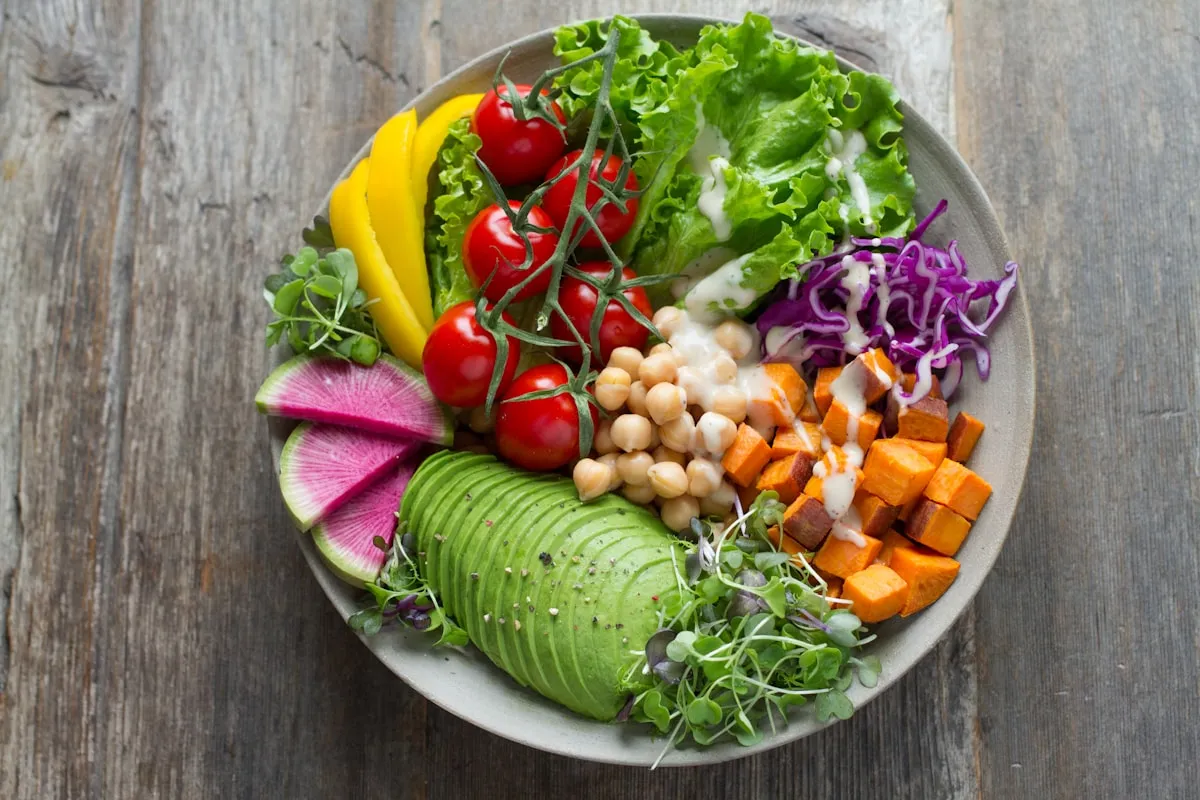
Use moderate heat when cooking your onions. You want them translucent and light gold, not charred. Once the onions are soft, add your spices or curry paste. Stir them into the oil for about 60 seconds. This short toast drives off moisture and releases aromatic oils, giving the curry a rounded, professional depth.
When it comes to the sweet potatoes, size matters. Cut them into even half-inch cubes. If the pieces are too big, they’ll be hard in the middle while the rest of the curry overcooks. Smaller cubes also release more starch into the sauce as they simmer. This is a natural way to thicken your curry without needing flour or cornstarch. The starch granules swell in the hot liquid, creating that velvety "restaurant-style" texture we all crave.
Another non-negotiable is how you handle your coconut milk. Coconut milk is an emulsion: a delicate balance of fat and water. Avoid a vigorous, rolling boil once the milk is in the pan. A hard boil can cause the emulsion to split, leaving you with a greasy, curdled appearance. Maintain a gentle simmer to keep the sauce smooth and integrated. This technique is a staple for anyone looking for reliable healthy dinner ideas that don't sacrifice quality for speed.
Finally, don't forget the rice. Fluffy coconut rice depends entirely on starch management. Always rinse your jasmine or long-grain rice under cold water until the water runs clear. This removes the surface starch that makes rice gummy. By rinsing, you ensure that every grain stays separate and light, providing the perfect canvas for your creamy curry.
Flavor Variations and Texture Hacks
One of the best things about this dish is how easily it adapts to what’s in your pantry. If you want a bit more "bite," consider using the air fryer. You can toss your chickpeas in a little oil and spices and pop them in the air fryer until they are crispy. Adding them as a topping right before serving creates a fantastic contrast against the soft sweet potatoes. Exploring air fryer recipes dinner style is a great way to add modern textures to classic comfort foods.
If you find yourself craving extra protein, you can easily swap the chickpeas for tofu or even tempeh. To keep it strictly plant-based but boost the nutrient density, fold in a few handfuls of fresh spinach or kale during the last two minutes of simmering. The residual heat will wilt the greens perfectly without turning them into a soggy mess.
For those who love a bit of heat, don't just add more chili powder. Try adding a dollop of red curry paste for a Thai-inspired twist, or use a spicy Madras powder for an Indian-style profile. The acidity in this dish usually comes from the tomatoes, but if it still feels a bit flat, a splash of soy sauce can provide a hidden layer of umami that makes the vegetables taste "meatier."
Perfect Side Dish Pairings
While the coconut rice is the star of the show here, balance is the key to a great meal. Because the curry is rich and sweet, you need something acidic to cut through that heaviness. Pickled red onions are your best friend. They take five minutes to prep and add a bright, vinegar-based punch that wakes up the whole palate.
If you aren't a fan of rice, a charred flatbread or garlic naan is a mandatory substitute. You need something to scoop up every last drop of that sauce. For a lighter side, a simple cucumber and mint salad provides a cooling effect that complements the warm spices of the curry. These small additions turn a simple bowl into one of the best quick family meals in your rotation.
FAQ: Troubleshooting Your Curry
Why is my curry sauce so thin?
If your sauce looks more like soup, it’s likely because the sweet potatoes haven't released enough starch yet. Use a potato masher to gently crush about 20% of the sweet potato cubes directly in the pot. This thickens the sauce instantly without changing the flavor. Alternatively, let it simmer uncovered for an extra five minutes to reduce the liquid.
Can I use light coconut milk instead of full-fat?
You can, but you probably shouldn't if you want that signature creaminess. Light coconut milk is essentially full-fat milk diluted with more water. If you are watching calories, it works, but the texture will be significantly thinner and less luxurious. If you do use light milk, definitely use the mashing trick mentioned above to help with the body of the sauce.
How do I stop my rice from being mushy?
Mushy rice is usually the result of too much liquid or not enough rinsing. Use a 1:1:1 ratio: one part rice, one part coconut milk, and one part water. Once the liquid is absorbed, turn off the heat and let the rice sit, covered, for at least 10 minutes. This "steaming" phase allows the grains to firm up so they don't turn to mush when you fluff them with a fork.
Is this recipe good for meal prep?
Absolutely. In fact, curries often taste better the next day because the spices have more time to meld. Keep the rice and curry in separate containers to prevent the rice from soaking up all the sauce and becoming bloated. It stays fresh in the fridge for up to four days, making it one of the most efficient healthy dinner ideas for busy professionals.
What if I don't have fresh ginger or garlic?
While fresh is king, you can use the jarred pastes in a pinch. Avoid the dried powder versions if possible, as they lack the aromatic "zing" that defines a good curry base. If you must use powder, add it with the other dry spices rather than sautéing it with the onions to prevent it from burning.
{“faq”:{“@type”:”FAQPage”,”mainEntity”:[{“name”:”Why is my curry sauce so thin?”,”@type”:”Question”,”acceptedAnswer”:{“text”:”The sauce may be thin if the sweet potatoes haven’t released enough starch. Mash a portion of the sweet potatoes to thicken the liquid naturally.”,”@type”:”Answer”}},{“name”:”Can I use light coconut milk?”,”@type”:”Question”,”acceptedAnswer”:{“text”:”Yes, but the sauce will be less creamy. Use the mashing technique to add body if using light coconut milk.”,”@type”:”Answer”}},{“name”:”How do I stop rice from being mushy?”,”@type”:”Question”,”acceptedAnswer”:{“text”:”Rinse the rice thoroughly to remove excess starch and use a balanced ratio of coconut milk and water, then let it steam after cooking.”,”@type”:”Answer”}}]},”@type”:”BlogPosting”,”image”:”https://cdn.marblism.com/Hl9MZ3Flzkz.webp”,”author”:{“name”:”Penny”,”@type”:”Person”},”@context”:”https://schema.org”,”headline”:”Plant-Based Dinner Ideas: Vegan Sweet Potato and Chickpea Curry with Coconut Rice”,”publisher”:{“logo”:{“url”:”https://cdn.marblism.com/KxroJ1kM_KA.webp”,”@type”:”ImageObject”},”name”:”Cookpedia”,”@type”:”Organization”},”description”:”Discover the science of building flavor in a vegan sweet potato and chickpea curry. Tips for the perfect coconut rice and plant-based dinner ideas for busy weeknights.”,”datePublished”:”2026-07-31″,”mainEntityOfPage”:{“@id”:”https://cookpedia.com/plant-based-dinner-ideas-vegan-curry”,”@type”:”WebPage”}}