Recipe
Servings
Servings 1×
Cook 20 min
Ingredients
- Tofu
- Lentils
- Chickpeas
- Rice
- Spinach
- Tomatoes
- Mustard
- Coconut milk
- Butter
- Cooking oil
- Turmeric
- Chili seasoning
- Salt
Method
- Use a gentle simmer, not a rolling boil.
- Keep the temperature around 92°C (just below boiling) to preserve the cell wall integrity while they soften.
- Add your salt only in the last five minutes of simmering or once the lentils have reached your desired tenderness.
- Heat your oil or ghee (or a plant-based alternative) until it shimmers.
- Stir it in toward the end and keep the heat low.
- Add your leaves at the very last second.
If you are looking for a meal that feels like a warm hug in a bowl, look no further. This vegan coconut and spinach dal is the ultimate MVP of plant-based dinner ideas. It is creamy, packed with protein, and comes together faster than you can decide what to watch on Netflix. Whether you are a seasoned vegan or just trying to sneak more fiber into your diet, this dish proves that "real food" doesn't have to be complicated to be incredibly satisfying.
The Science of the Perfect Dal: Heat, Fat, and Timing
Cooking red lentils is a bit of a magic trick. Unlike their stubborn green or brown cousins, red lentils (masoor dal) have had their hulls removed. This means they hydrate almost instantly and don't require soaking. However, to get that creamy, soulful texture without turning them into a grainy paste, you need to understand the science of hydration.
Use a gentle simmer, not a rolling boil. When you blast lentils with high heat, the outer cells burst before the core is hydrated, leading to an uneven, mushy mess. Keep the temperature around 92°C (just below boiling) to preserve the cell wall integrity while they soften.
The Late Salt Rule
This is a non-negotiable: Avoid salting your lentils at the start of cooking. Magnesium and calcium ions in the water can bind with the pectin in the lentil cell walls, making them tough and preventing them from breaking down into that signature creamy consistency. Salt also competes for hydration. Add your salt only in the last five minutes of simmering or once the lentils have reached your desired tenderness.
The Tadka: Unlocking Fat-Soluble Aromas
The real soul of a dal lies in the tadka, or tempering. Many of the flavor compounds in cumin, mustard seeds, and turmeric are fat-soluble, not water-soluble. If you just boil these spices in water, you are leaving about 80% of the flavor on the table.
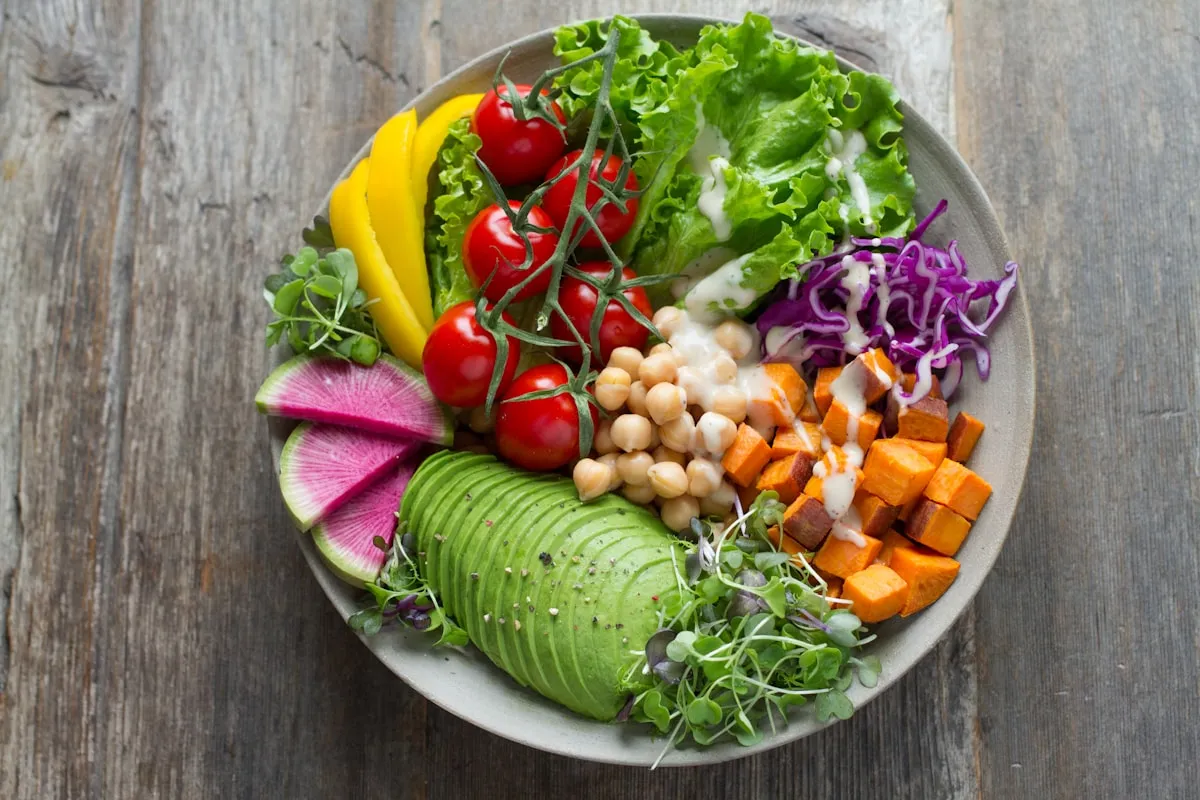
Heat your oil or ghee (or a plant-based alternative) until it shimmers. Drop in your whole spices and watch them pop, this is the essential oils being released into the fat. Once you pour this aromatic oil into your lentils, the fat acts as a delivery vehicle, carrying those deep, earthy flavors into every bite.
Managing Coconut and Spinach
Coconut milk is an emulsion of fat and water. If you boil it too vigorously for too long, the emulsion can break, leaving you with an oily film on top. Stir it in toward the end and keep the heat low. As for the spinach, it’s all about preserving chlorophyll. Add your leaves at the very last second. They only need 30 to 60 seconds to wilt. Any longer and you lose that vibrant green color and the heat-sensitive Vitamin C.
Creative Variations to Keep It Fresh
One of the reasons dal is a staple for quick family meals is its versatility. You can change the entire mood of the dish with just one or two swaps.
- The Smoky Twist: If you want a deeper, almost meaty flavor profile, try adding fire-roasted tomatoes to the base. The charred skins add a complex smokiness that cuts through the rich coconut milk beautifully.
- The Protein Power-Up: Stir in some pan-seared tofu cubes or cooked chickpeas. This adds textural contrast to the soft lentils and makes the meal even more filling for those with high activity levels.
- The Nutty Alternative: If you are out of coconut milk, a tablespoon of cashew butter whisked with a little warm water creates a similarly rich, creamy texture with a slightly more toasted, nutty finish.
- Spiciness on Demand: Keep the main pot mild for the kids, but serve it with a side of homemade chili oil or pickled jalapeños. A splash of acidity from the pickles helps balance the inherent sweetness of the coconut.
Side Dish Pairings for a Balanced Plate
While this dal is a complete meal on its own, the right sides can elevate it to a feast. Balance is key here, since the dal is rich and creamy, you want something with crunch or bright acidity to provide contrast.
- Crispy Textures: I love serving this with air-fried vegetables. If you are browsing for air fryer recipes dinner ideas, try air-fried cauliflower florets tossed in turmeric and sea salt. The charred, crispy edges of the cauliflower are the perfect foil for the soft dal.
- Classic Grains: A simple mound of Basmati rice is the traditional choice, but don't overlook quinoa or even a piece of toasted sourdough. The goal is to have something that can soak up every last drop of that golden gravy.
- Fresh Crunch: A quick salad of sliced cucumbers, red onions, and a heavy squeeze of lime juice provides the necessary "zip" to refresh your palate between bites of the warm lentils.
Frequently Asked Questions
Can I use green or brown lentils instead?
Technically, yes, but the result will be entirely different. Green and brown lentils have their skins intact, which means they hold their shape and stay "al dente." They won't break down into the creamy, porridge-like consistency that makes a coconut dal so comforting. If you do use them, increase your cooking time by at least 20 minutes and skip the "creamy" expectation.
Why did my dal turn out grainy?
This usually happens for two reasons: old lentils or hard water. Lentils that have been sitting in your pantry for three years will never soften properly because their proteins have become too stable. If your water is very "hard" (high in minerals), it can also prevent softening. Try using filtered water if you consistently have this issue.
Is this a good option for healthy dinner ideas for weight loss?
Absolutely. Red lentils are a powerhouse of slow-release carbohydrates and fiber. This means they keep you full for longer, preventing the late-night snack raid. The fiber also acts as a prebiotic, feeding the good bacteria in your gut. Just watch the amount of coconut milk if you are strictly monitoring caloric density; you can always sub half the coconut milk for extra vegetable broth.
How do I store and reheat leftovers?
Dal actually tastes better the next day as the spices have more time to meld. However, lentils are starch magnets: they will soak up all the liquid in the fridge. When you reheat it, you’ll find a thick block of lentil paste. Simply add a splash of water or broth as you heat it on the stove to bring back that luscious consistency.
Can I freeze this?
Yes! This dal freezes beautifully. Since there are no large chunks of vegetables that might get soggy, the texture remains consistent. Freeze it in individual portions for those nights when you are too tired to cook but still want a high-quality, home-cooked meal. Check out our other quick meals for more freezer-friendly inspiration.
Don't forget to finish your bowl with a generous squeeze of fresh lemon right before eating. The acidity doesn't just brighten the flavor; it actually helps your body absorb the non-heme iron found in the lentils. It's a win for your tastebuds and your health!
{“@type”:”BlogPosting”,”image”:”https://cdn.marblism.com/hB9AfTsQNaz.webp”,”author”:{“name”:”Penny”,”@type”:”Person”},”@context”:”https://schema.org”,”headline”:”Plant-Based Dinner Ideas: Vegan Coconut and Spinach Dal with Rice”,”publisher”:{“logo”:{“url”:”https://cdn.marblism.com/KxroJ1kM_KA.webp”,”@type”:”ImageObject”},”name”:”Cookpedia”,”@type”:”Organization”},”articleBody”:”If you are looking for a meal that feels like a warm hug in a bowl, look no further. This vegan coconut and spinach dal is the ultimate MVP of plant-based dinner ideas… [Full content of the blog post]”,”description”:”Discover the ultimate plant-based dinner idea with our Vegan Coconut and Spinach Dal. Learn the science of red lentils, the importance of tadka, and how to make a creamy, healthy meal in minutes.”,”datePublished”:”2026-07-26″}