Recipe
Servings
Servings 1×
Ingredients
- Shrimp
- Rice
- Cucumber
- Lime
- Honey
- Cooking oil
- Soy sauce or tamari
- Sesame
- Chili seasoning
- Salt
Method
- Keep cooked rice ready, use raw shrimp that thaw quickly, and let a punchy sesame sauce do the heavy lifting.
- Use freshly cooked rice if you have it, but chilled leftovers or a microwave pouch make this meal much faster.
- Slice it thinly enough to pick up the dressing, but do not cook it.
- Pat the shrimp with paper towels, then season them just before cooking.
- Heat the skillet before adding the shrimp.
- Use medium-high heat, but avoid letting the pan smoke aggressively.
When dinner needs to happen fast, reach for shrimp. These quick sesame shrimp and cucumber rice bowls bring together hot, savory rice, tender glazed shrimp, and cool, crisp cucumber in one cheerful bowl. The contrast makes the meal feel far more elaborate than it is. Keep cooked rice ready, use raw shrimp that thaw quickly, and let a punchy sesame sauce do the heavy lifting. This is one of my favorite 15-minute meals for a busy night.
Why This Bowl Works: Heat, Contrast, and Fast Flavor
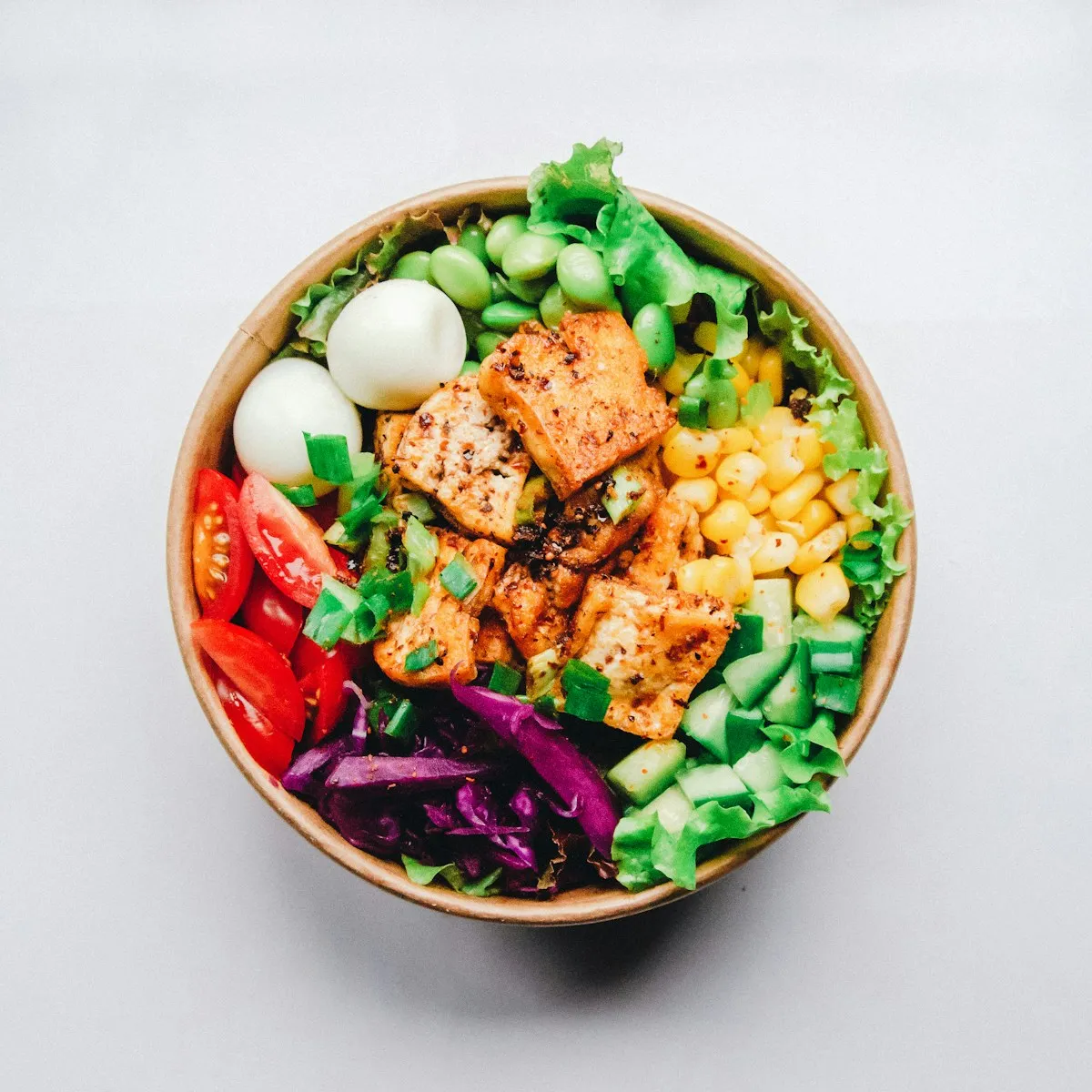
The secret to a genuinely fast bowl is not cooking everything at once. It is choosing components that behave differently and organizing them around cooking time.
Start with the rice. Use freshly cooked rice if you have it, but chilled leftovers or a microwave pouch make this meal much faster. Rice is your warm, neutral base, so it can absorb the sauce without competing with the shrimp. Reheat leftover rice until steaming hot, and keep it covered while you finish the rest of the bowl.
Treat the cucumber as the cooling element. Slice it thinly enough to pick up the dressing, but do not cook it. Raw cucumber contains plenty of water, which gives every bite a refreshing crunch against the warm rice and shrimp. A short rest with vinegar, sesame oil, and a touch of sweetness lightly seasons the cucumber without turning it limp. Do not let it sit for ages; this is a quick salad, not a pickle project.
Dry the shrimp thoroughly before they meet the pan. Surface moisture creates steam, and steam is the enemy of browning. Pat the shrimp with paper towels, then season them just before cooking. A dry surface allows the pan’s heat to create those lightly caramelized edges that make a simple bowl taste restaurant-worthy.
Heat the skillet before adding the shrimp. Use medium-high heat, but avoid letting the pan smoke aggressively. Add the shrimp in a single layer and leave them alone long enough to develop color. Crowding lowers the pan temperature, so cook in batches if necessary. You want a quick sear, not a small seafood sauna.
Watch the shrimp rather than the clock. Cooking time depends on size, starting temperature, and pan heat. Shrimp are ready when they turn pink and opaque through the center and curl into a relaxed “C.” A very tight curl usually means they have gone too far and may taste rubbery. Remove them from the heat promptly, especially once the sauce is added.
Build the sauce around balance. Soy sauce or another salty element brings umami, sesame oil contributes a deep toasted aroma, and vinegar keeps the mixture bright. Add sweetness carefully. Sugar or honey helps the sauce cling and encourages browning, but too much can scorch in a hot skillet. If you want heat, use chili sauce or flakes in a measured amount, then finish with more at the table.
Cook the sauce briefly in the skillet after the shrimp come out. This loosens the browned bits left behind and concentrates the flavor. Keep the simmer short. A sauce that reduces too far becomes overly salty and sticky, while a brief reduction gives you a glossy coating that clings to the shrimp without drowning them.
Keep raw and cooked foods separate while you work. Wash the cucumber under running water before slicing, refrigerate it if you are preparing ahead, and use a clean board for the finished ingredients. Cook shrimp until opaque and cooked through; an internal temperature of 145°F (63°C) is the reliable safety target. If you use leftover rice, cool it quickly after its original meal and refrigerate it promptly rather than leaving it on the counter.
Finally, assemble with intention. Put rice down first, add shrimp to one side, and tuck the cucumber alongside rather than mixing everything into a single soft pile. Add scallions, sesame seeds, lime, or chili at the end. The bowl should give you warmth, crunch, salt, tang, and a little richness in every forkful.
For more speedy inspiration, browse Cookpedia’s 15-minute meals and quick meals. The rule is simple: keep the base warm, keep the fresh topping crisp, and do not overcook the shrimp.
Variations: Change the Bowl Without Losing the Balance
Swap the rice when you need to. Brown rice adds a nuttier flavor and more chew, while cauliflower rice keeps the bowl lighter. Quinoa works well when you want extra texture, and rice noodles turn the same flavor combination into a slurpable dinner. Choose a base that can handle the sauce without becoming mushy.
Change the protein, but adjust the cooking time. Flaky salmon works beautifully with sesame and cucumber, though it needs longer in the pan. Use crispy tofu for a plant-based version, and coat it with the sauce only after browning so the outside stays firm. Thinly sliced chicken can work too, but do not expect it to cook as quickly as shrimp.
Add vegetables that cook fast. Matchstick carrots, edamame, shredded cabbage, baby spinach, and thinly sliced bell pepper all fit the bowl. Keep at least one crisp component, or the texture will become monotonous. For a spicier version, add chili crisp, sliced jalapeño, or a small spoonful of sriracha. For a gentler bowl, use extra lime and a little less chili.
Turn the cucumber into a sharper quick pickle by increasing the vinegar and adding thinly sliced red onion. Or make it creamy with a small spoonful of yogurt or mayonnaise stirred into the dressing. Keep the sauce bright if you add richness. Acidity is the traffic cop here; it stops the bowl from becoming heavy.
If you are planning quick family meals, serve the components separately and let everyone build their own bowl. Put the cucumber, shrimp, rice, and toppings in different dishes. Picky eaters can skip the heat, enthusiastic eaters can add extra sauce, and nobody needs to negotiate with a mixed-up dinner.
Side Dish Pairings: Add Freshness, Not More Work
Pair this bowl with something crisp and acidic. A simple cabbage slaw with lime cuts through the sesame glaze and adds another layer of crunch. A small Cookpedia salad also works, especially one with citrus, herbs, or a vinegar-based dressing.
For a bigger table, serve steamed edamame, quick-blanched green beans, or a handful of shredded carrots dressed with rice vinegar. Keep side dishes lightly seasoned because the shrimp sauce already brings salt and umami.
Need a heartier spread? Add miso soup or a clear vegetable broth, not a rich creamy soup. The bowl already has a satisfying rice base, so choose a side that refreshes your palate rather than competing for attention. These are simple healthy dinner ideas because balance matters as much as the ingredient count.
FAQ: What If My Bowl Goes Wrong?
What if my shrimp turn rubbery?
Pull them from the pan sooner. Shrimp cook quickly because their flesh is delicate and low in connective tissue. Once they become opaque and curl into a loose “C,” they are done. Remember that residual heat continues cooking them after they leave the skillet. Use larger shrimp if you are still learning; they give you a slightly wider margin for error.
What if the shrimp release water instead of browning?
Dry them more thoroughly and avoid crowding the skillet. Wet shrimp cool the pan and create steam. Frozen shrimp can also release extra moisture if they are not completely thawed. Pat them dry, heat the pan properly, and cook in batches. Browning requires direct contact between a dry surface and a hot pan.
What if my sauce tastes too salty?
Do not add more soy sauce. Balance the sauce with acidity, such as lime juice or rice vinegar, and dilute it with a small splash of water. Adding more unsalted rice or cucumber can also spread the seasoning across the bowl. Taste before adding extra salt because sesame oil and soy-based sauces can intensify as they reduce.
What if my cucumber becomes watery?
Salt and acidity draw water from cucumber cells through osmosis. That is useful for flavor, but too much resting time can leave you with a puddle. Slice the cucumber shortly before serving, use a light dressing, and drain off excess liquid if needed. Choose smaller or English cucumbers when possible because they tend to have fewer large seeds and a firmer texture.
Can I use pre-cooked shrimp?
You can, but do not cook them as if they were raw. Pre-cooked shrimp need only enough heat to warm through, and prolonged cooking will make them tough. Toss them with the sauce off the heat or warm them gently for a brief moment. For the best texture, use raw shrimp and cook them just once.
Can I make the bowl ahead?
Prepare the rice, sauce, and shrimp separately, then refrigerate them promptly in sealed containers. Keep the cucumber undressed until serving so it stays crisp. Reheat the rice and shrimp gently, and add the cool cucumber afterward. For best quality, eat cooked shrimp within a few days and follow your local food-safety guidance.
What if I do not have sesame oil?
Use a neutral oil for cooking and finish with toasted sesame seeds for some of the same nutty character. You can also add a small spoonful of tahini to the sauce, thinning it with vinegar or lime juice. The flavor will be different, but the bowl will still work as long as you keep the salty, sour, sweet, and spicy elements in balance.
Is this suitable for air fryer recipes dinner plans?
The shrimp can be cooked in an air fryer, but the skillet is usually faster for this particular bowl because it lets you reduce the sauce in the same pan. If you use an air fryer, cook the shrimp in a single layer and toss them with the sauce afterward. Explore Cookpedia’s air fryer dinners when you want more hands-off options.
How do I make this bowl less spicy?
Leave out the chili and add heat separately at the table. Use extra cucumber, lime, or a little sweetness to keep the sauce lively without relying on spice. This approach works especially well when serving children or anyone with a sensitive palate. Keep the base mild, then let each person customize their bowl.