Recipe
Servings
Servings 1×
Ingredients
- Tofu
- Chickpeas
- Quinoa
- Noodles
- Rice
- Broccoli
- Mushrooms
- Spinach
- Peas
- Cucumber
- Avocado
- Garlic
- Fresh ginger
- Lemon
- Lime
- Peanut butter
- Butter
- Cooking oil
Method
- Use an oil with a high smoke point, like avocado or grapeseed oil.
- Use a heavy-bottomed skillet or a seasoned cast-iron pan.
- Cook in stages: start with the "hard" aromatics like ginger and garlic, then move to the dense proteins (chickpeas or tofu), and save the leafy greens for the final thirty seconds.
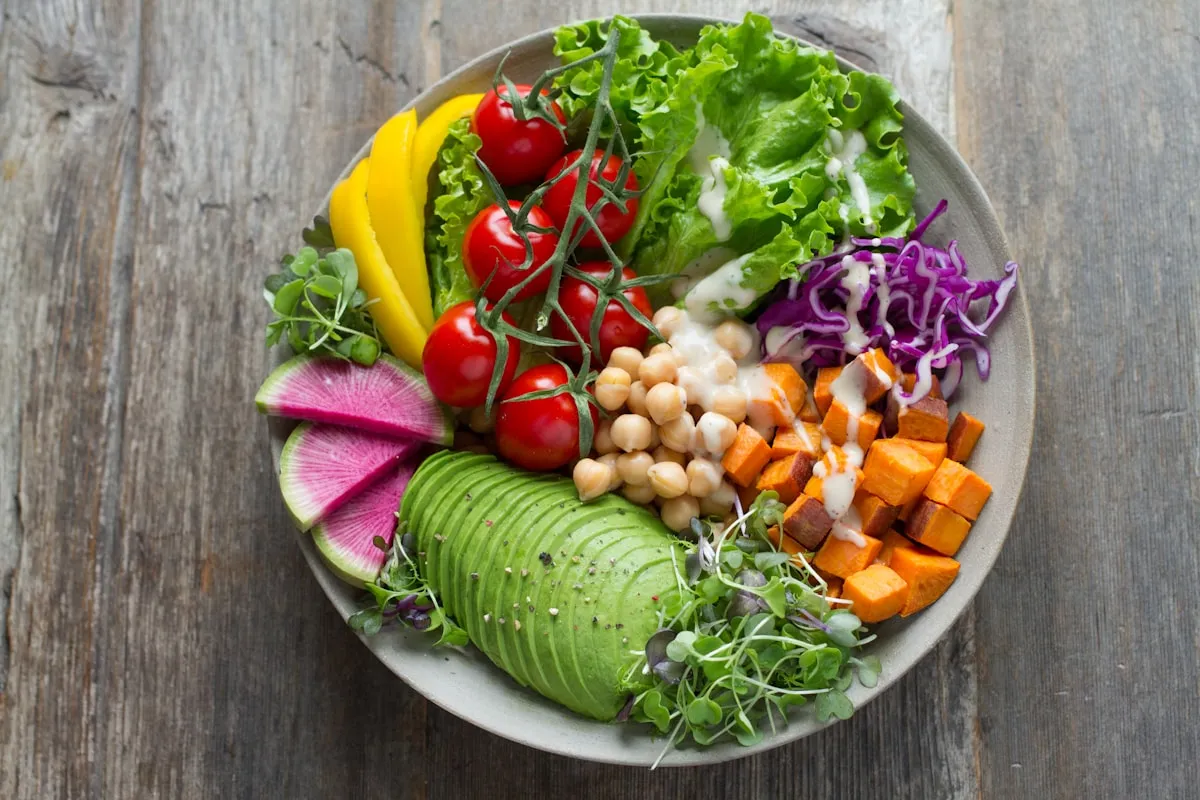
You know that feeling when the clock hits 6:00 PM, your stomach is growling louder than a lawnmower, and the thought of spending an hour hovering over a stove makes you want to order takeout for the fourth time this week? Stop right there. Put the phone down. You don’t need a delivery driver; you need a strategy. We are diving into the world of plant-based dinner ideas that don't just taste like "health food": they taste like victory. More importantly, they take less time to cook than it takes for your favorite streaming service to ask if you’re still watching.
The Science of the Sizzle: Master the 15-Minute Method
Cooking fast isn't about moving your hands faster; it’s about understanding the physics of your pan. When you’re aiming for 15 minute meals, you have to maximize heat and minimize moisture. Most people fail at plant-based cooking because they crowd the pan with cold, wet vegetables, effectively steaming them into a sad, gray pile of mush. To avoid this, you need to respect the Maillard reaction. This is the chemical dance between amino acids and reducing sugars that gives food that deep, savory, browned flavor.
Start with a dry heat. If you’re using chickpeas: which are the MVP of quick plant proteins: dry them thoroughly with a clean kitchen towel before they ever touch the oil. Excess water is the enemy of the crunch. When that water hits the hot oil, it turns to steam immediately, dropping the temperature of your skillet and preventing that golden crust from forming. Use an oil with a high smoke point, like avocado or grapeseed oil. Avoid extra virgin olive oil for high-heat stir-frying; its low smoke point means it will burn and turn bitter before your chickpeas get the chance to shine.
Thermal mass is your next secret weapon. Use a heavy-bottomed skillet or a seasoned cast-iron pan. These materials hold onto heat like a grudge. When you drop your veggies in, the pan temperature won't plummet. Cook in stages: start with the "hard" aromatics like ginger and garlic, then move to the dense proteins (chickpeas or tofu), and save the leafy greens for the final thirty seconds. This ensures every component reaches its peak texture simultaneously.
If you’re looking for even more efficiency, look at your countertop appliances. Integrating air fryer recipes dinner into your rotation is a game-changer for texture. The air fryer is essentially a high-powered convection oven that circulates hot air at high speeds, removing surface moisture much faster than a standard oven could. Tossing chickpeas in a light coating of cornstarch and spices before air frying creates a "shatter-crisp" exterior that holds up beautifully against wet sauces.
Flavor Profiles and Clever Variations
Once you master the base technique, the world is your oyster mushroom. Balance is the name of the game here. Every great quick meal needs four pillars: salt, fat, acid, and heat. If your stir-fry tastes "flat," you’re likely missing acidity. A squeeze of fresh lime juice or a splash of rice vinegar at the very end doesn't just add flavor; it cuts through the richness of the oil and "wakes up" the duller earthy notes of legumes.
Experiment with your fat sources. Instead of just plain oil, try whisking a tablespoon of toasted sesame oil or creamy peanut butter into your finishing sauce. The fats carry the fat-soluble flavor compounds in spices like turmeric and cumin, coating your tongue and making the meal feel more indulgent. For a Mediterranean twist, swap the ginger and soy for lemon zest, oregano, and a handful of briny olives. The high salt content of the olives acts as a natural flavor enhancer, meaning you can go lighter on the added salt.
Don't be afraid to lean into "umami boosters." Since we aren't using meat, we need to find those savory glutamates elsewhere. Nutritional yeast, liquid aminos, or even a tiny bit of tomato paste seared into the oil can provide that "meaty" depth that makes healthy dinner ideas feel satisfying rather than sacrificial. If you want something truly decadent, check out how we handle flavor layering in our viral ramen hack: the same logic of fat-meets-garlic-meets-heat applies to your vegetable pans too.
Perfect Pairings: Balancing the Plate
A stir-fry is only as good as its foundation. To keep things within the 15-minute window, lean on quick-cooking grains. Jasmine rice or quinoa are fantastic because they have a high surface-to-volume ratio, allowing them to hydrate quickly. If you're really in a pinch, thin rice noodles (vermicelli) only require a three-minute soak in hot water, making them the ultimate companion for a fast weeknight.
When thinking about side pairings, look for contrast. If your main dish is spicy and savory, pair it with something cool and crunchy, like a quick-pickled cucumber salad or a simple slaw with a rice vinegar dressing. The cold acidity of the cucumbers acts as a palate cleanser between bites of the warm, rich stir-fry. If your stir-fry is heavy on the ginger and citrus, a simple side of steamed bok choy or snap peas with a sprinkle of toasted sesame seeds provides a textural "snap" that keeps the meal interesting.
Troubleshooting Your Fast Feast: FAQ
Why do my chickpeas always pop and jump out of the pan?
This is a classic moisture-meets-heat explosion. If your chickpeas aren't dry, the water trapped inside the skin turns to steam and builds pressure until the skin bursts. Dry them better! Also, don't use the highest heat setting on your stove if you're using a lot of oil; a medium-high heat is more controllable and less likely to cause a legume-based riot in your kitchen.
Can I use frozen vegetables instead of fresh?
You can, but you have to adjust your technique. Frozen vegetables release a massive amount of water as they thaw. If you dump a bag of frozen broccoli into a pan, you'll end up boiling it. Thaw them first and pat them dry, or: pro tip: cook them directly from frozen in an air fryer for a few minutes to blast away that excess moisture before adding them to your skillet. This is one of the best ways to keep healthy dinner ideas fast without sacrificing that fresh-cooked crunch.
My sauce always turns into a thick, gloopy mess. What happened?
You likely used too much cornstarch or let it sit on the heat for too long. Starch thickens through a process called gelatinization, which happens as the starch granules absorb liquid and swell. This happens fast! Always whisk your sauce one last time before pouring it in, and as soon as it turns glossy and coats the back of a spoon, pull the pan off the heat. The residual heat will finish the job.
Is it really possible to get enough protein from a 15-minute plant-based meal?
Absolutely. Between the chickpeas, nuts, and even the "hidden" protein in vegetables like broccoli and spinach, you’re hitting all the marks. If you’re worried, throw in a handful of hemp seeds or edamame at the end. They require zero cooking time and add a significant protein boost.
Should I use canned or dried chickpeas for speed?
For 15 minute meals, canned is your best friend. Dried chickpeas require an overnight soak and a long simmer. Canned chickpeas are already "cooked"; you’re just using the pan to change their texture and infuse them with flavor. Just make sure to rinse them thoroughly to remove the metallic-tasting canning liquid (aquafaba), though you can save that liquid to make a vegan chocolate mousse later!
For more simple, soulful recipes that respect your time and your tastebuds, keep exploring Cookpedia. We’re here to prove that real food doesn't have to be a project.