Recipe
Servings
Servings 1×
Ingredients
- Tofu
- Lentils
- Chickpeas
- Black beans
- Beans
- Pearled barley
- Rice
- Bread
- Potatoes
- Cauliflower
- Broccoli
- Carrots
- Spinach
- Kale
- Apple
- Onion
- Garlic
- Lemon
Method
- Start your journey by sautéing your aromatics: onions, garlic, and shallots: until they are translucent and slightly golden.
- Sautéing releases essential oils that become the foundation of your dish.
- Use a heavy-bottomed pot, like a Dutch oven, to ensure even heat distribution.
- Heat wakes up the volatile compounds in spices like cumin, smoked paprika, or coriander, intensifying their aromatic profile before you add any liquid.
If you are like me, the siren call of a single dirty pan is the only thing that gets you through a Tuesday. There is something deeply satisfying about watching a collection of humble, raw ingredients transform into a cohesive, soul-warming meal without a mountain of dishes waiting in the sink. One pot meals are the ultimate secret weapon for anyone who wants to eat well but refuses to spend their entire evening scrubbing pots. My mission is to show you that "easy" doesn't mean "boring." By understanding just a little bit of the science behind how heat and timing work, you can turn these easy dinner recipes into gourmet experiences every single night.
The Chemistry of Flavor Layering
The magic of a one-pot meal isn't just about convenience; it’s about the unique way flavors marry when they spend time together in a confined space. When you cook everything in one vessel, you aren't just saving time; you are creating a flavor ecosystem. To master this, you must understand the Maillard reaction. This is the chemical reaction between amino acids and reducing sugars that gives browned food its distinctive, savory flavor.
Start your journey by sautéing your aromatics: onions, garlic, and shallots: until they are translucent and slightly golden. This step isn't optional. Sautéing releases essential oils that become the foundation of your dish. If you skip this and just dump everything into a pot with water, your meal will taste like boiled vegetables rather than a complex stew. Use a heavy-bottomed pot, like a Dutch oven, to ensure even heat distribution. This prevents "hot spots" that can scorch your garlic while leaving your onions raw.
Once your aromatics are humming, introduce your "hard" vegetables like carrots, potatoes, or squash. These require more time to break down their fibrous structures through a process called thermal softening. By giving them a head start, you ensure that every bite is tender at the exact same moment. This is also the perfect time to toast your dry spices. Heat wakes up the volatile compounds in spices like cumin, smoked paprika, or coriander, intensifying their aromatic profile before you add any liquid.
The final stage of flavor layering is diffusion. As your ingredients simmer, the flavor molecules move from areas of high concentration (like a piece of seasoned tofu) to areas of low concentration (the broth). This creates a harmonious blend where the broth tastes like the vegetables and the vegetables taste like the broth. It’s why these quick family meals often taste even better the next day: the diffusion continues even after the heat is off.
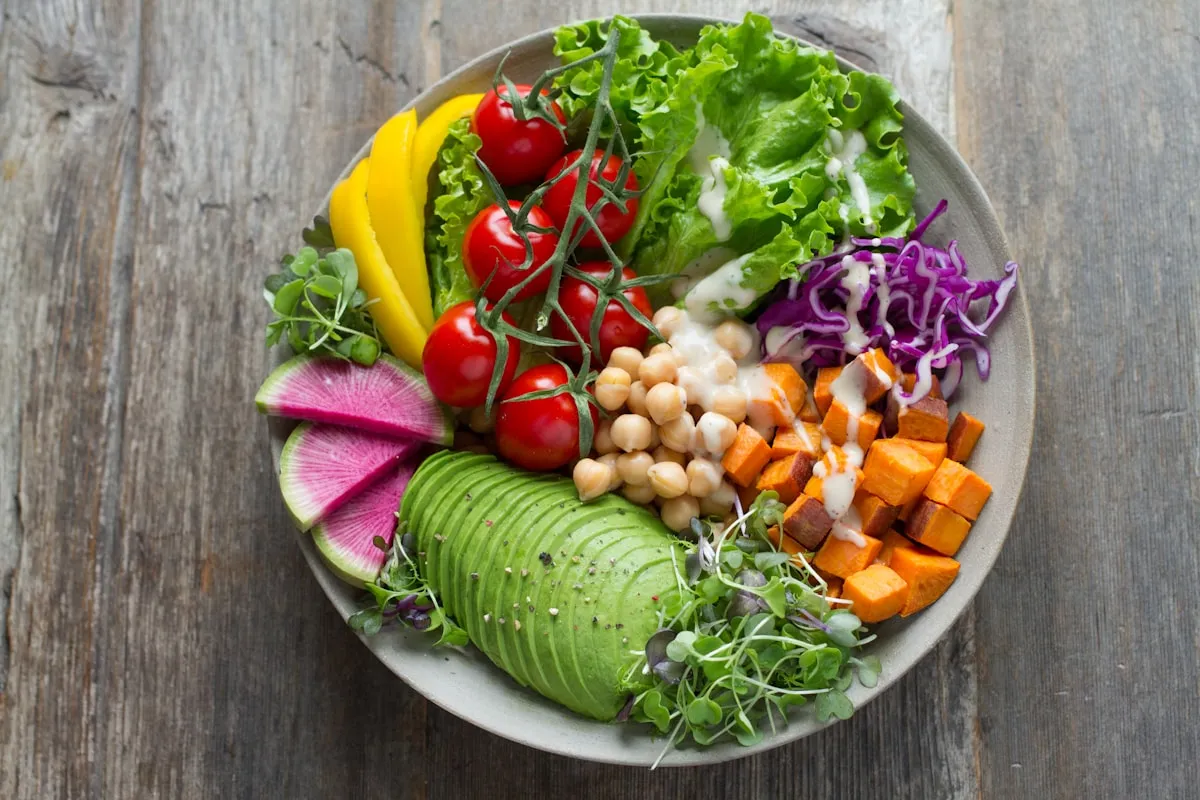
Mastering Texture and Timing
One of the biggest pitfalls in one-pot cooking is the "mush factor." To avoid a textureless bowl of sludge, you must be firm about your timing. Think of your pot as a stage where actors enter at different cues. Your grains and legumes are the lead actors; they need the most time under the lights. If you are using dried lentils or rice, they need to simmer long enough to absorb the seasoned liquid and swell to their full potential.
Conversely, your "delicate" ingredients: like spinach, kale, or fresh herbs: should only enter the scene in the final two minutes. The residual heat of the pot is more than enough to wilt greens without turning them into a gray, slimy mess. If you want to incorporate protein like tofu, consider using an air fryer to crisp it up separately if you have the time, though many air fryer recipes dinner fans know that you can also just nestle firm tofu cubes directly into your simmering pot for a softer, silken texture that absorbs the sauce.
Always finish with a "brightener." The heat of cooking can dull the perception of acidity. A squeeze of fresh lemon juice or a splash of apple cider vinegar right before serving cuts through the richness of starches and fats, making the flavors "pop." This is the scientific secret to making healthy dinner ideas taste like they came from a professional kitchen.
Exploring Plant-Based Variations
The beauty of these easy dinner recipes is their versatility. You can swap ingredients based on what’s in your pantry without ruining the structural integrity of the meal. If you don't have chickpeas, cannellini beans or black beans offer a similar protein profile but a completely different mouthfeel. Cannellini beans are creamy and melt into the sauce, while black beans hold their shape and provide a satisfying chew.
Grains are another area for experimentation. While white rice is a classic, try using farro or pearled barley for a nuttier flavor and a more resilient texture. These grains have a higher fiber content and a lower glycemic index, making them excellent choices for sustained energy. Just remember that heartier grains require more liquid and a longer simmer time. If you find yourself in a rush, red lentils are your best friend; they dissolve into the broth in about 15 minutes, acting as a natural thickener for a rich, porridge-like consistency.
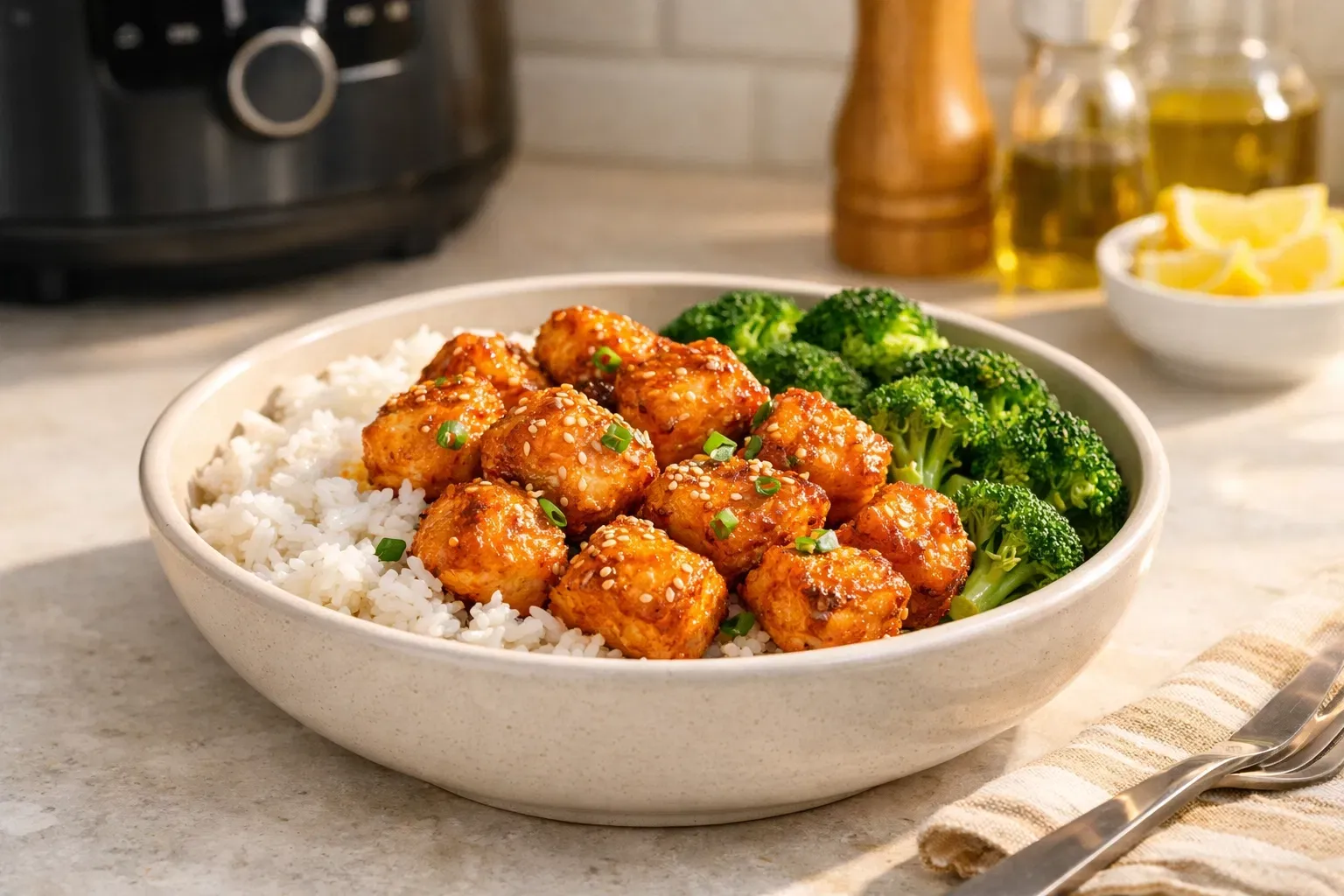
For those looking for a lower-carb option, cauliflower rice can be substituted for traditional grains. However, because cauliflower is mostly water, you must reduce the amount of liquid in your pot to prevent the dish from becoming soupy. It’s these small adjustments to the "water-to-solid" ratio that separate a good home cook from a great one.
The Art of the Side Dish
While the goal of one pot meals is to minimize work, a well-chosen side dish can elevate the entire experience. The key is balance. If your main pot is rich, creamy, and soft (like a coconut milk curry or a thick lentil stew), you need something crisp and acidic to reset your palate between bites.
A simple arugula salad with a sharp vinaigrette is a classic for a reason. The peppery bite of the greens and the acidity of the dressing provide a necessary contrast to the warm, savory notes of the main dish. Alternatively, a tray of roasted cruciferous vegetables can add a much-needed crunch. If you are a fan of efficiency, you can even use air fryer recipes dinner techniques to quickly roast some broccoli or cauliflower while your main pot simmers on the stove.
Crusty bread is, of course, the traditional companion for any stew or saucy dish. It serves as a structural tool for "cleaning the plate," ensuring not a single drop of that carefully developed flavor goes to waste. If you are keeping things gluten-free, look for high-quality seed crackers or even a side of quick-pickled red onions to provide that essential crunch and zing.
Frequently Asked Questions
Why did my rice turn out mushy in my one-pot meal?
Mushy rice is usually the result of one of two things: too much liquid or over-stirring. When you stir rice frequently, you break the exterior starch granules, releasing them into the liquid and creating a gummy texture. Follow the "set it and forget it" rule. Bring your liquid to a boil, add the rice, cover tightly, and turn the heat to low. Resist the urge to peek or stir until the very end. Also, check your liquid ratios; most grains require a 2:1 ratio, but vegetables in the pot will release their own water, so you may need slightly less than you think.
Can I use frozen vegetables in these recipes?
Absolutely. In fact, frozen vegetables are often more nutritious than "fresh" ones that have been sitting in a truck for a week. However, frozen veggies release more water than fresh ones. Add them toward the end of the cooking process to maintain their vibrant color and prevent them from watering down your sauce. If you are using frozen spinach or kale, squeeze out the excess moisture before adding it to the pot.
My stew tastes "flat." What did I do wrong?
If your dish tastes bland despite having plenty of spices, it usually needs salt or acid. Salt doesn't just make things salty; it unlocks flavor receptors on your tongue. If you’ve salted it and it still feels dull, add acid. A teaspoon of lime juice, lemon juice, or even a splash of balsamic vinegar can transform a "flat" dish into a vibrant one instantly. Acid balances the fats and starches, bringing the underlying flavors to the forefront.
How do I prevent the bottom of the pot from burning?
This is a heat management issue. Once you add your liquid and grains, you must lower the heat to a true simmer. If the heat is too high, the starches will settle at the bottom and caramelize into a burnt crust before the rest of the dish is cooked. A heavy-bottomed pot helps distribute heat more evenly, reducing the risk of scorched spots. If you suspect it’s sticking, add a splash more liquid and gently scrape the bottom with a wooden spoon: don't use metal, as it can damage the pot and alter the flavor.
Are these meals actually healthy?
Yes! By focusing on healthy dinner ideas that use whole grains, legumes, and plenty of vegetables, you are creating a nutrient-dense meal. One-pot cooking also tends to use less added fat than frying or deep-cooking methods. Because the ingredients cook in their own juices, you retain more of the water-soluble vitamins that are often lost when you boil vegetables and drain the water. It’s a win for your schedule and your body.