Recipe
Servings
Servings 1×
Ingredients
- Chickpeas
- Pasta
- Bread
- Potatoes
- Sweet potatoes
- Spinach
- Kale
- Onion
- Garlic
- Fresh ginger
- Lime
- Coconut milk
- Cooking oil
- Curry spices
- Turmeric
Method
- Cut your sweet potatoes into small, uniform cubes, aim for about one centimeter (roughly 3/8 of an inch).
- Use a wide pan for this process.
- Start the simmer with the lid on tight.
If you have fifteen minutes and a hunger for something that feels like a warm hug from the inside out, you’ve landed in the right place. We’ve all been there: staring at the pantry at 6:00 PM, wondering if toast qualifies as a balanced meal again. This sweet potato and chickpea curry is my go-to answer for those nights. It’s one of those plant-based dinner ideas that doesn't just fill a void; it restores your soul without demanding an hour of your life over a hot stove.
The Science of the 15-Minute Sprint
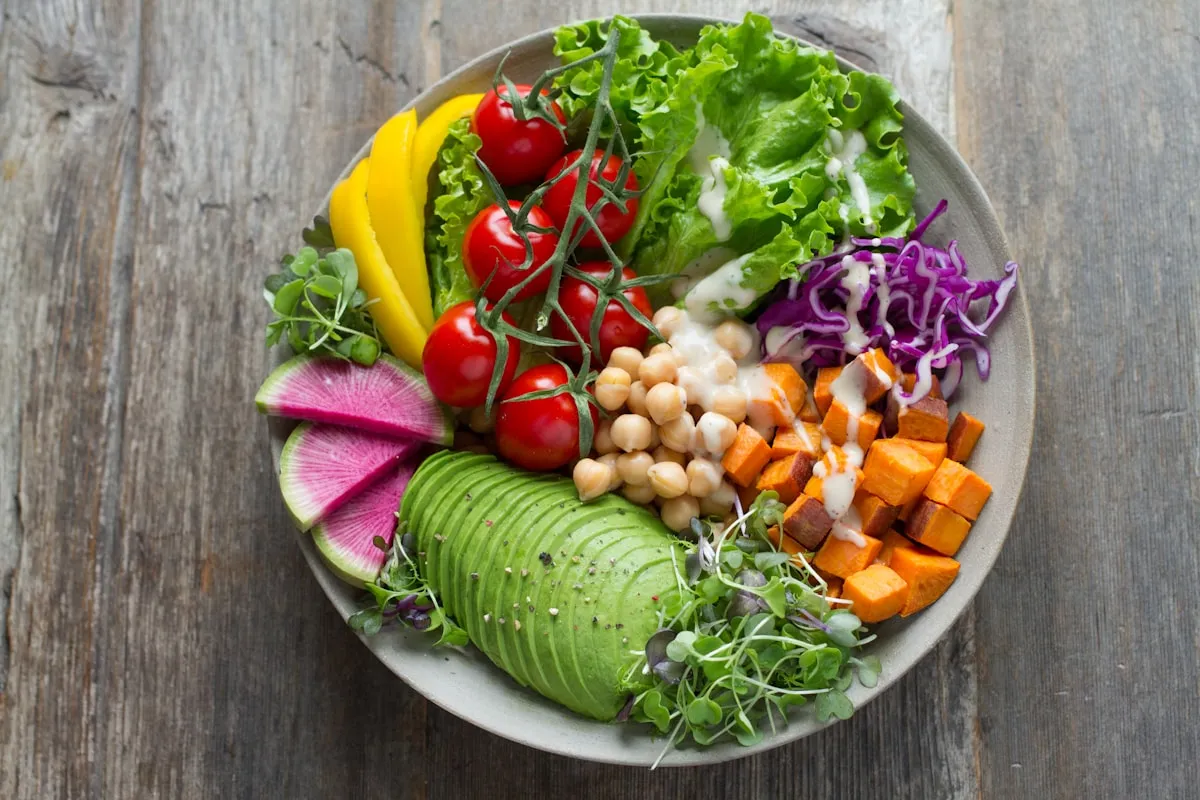
Getting a root vegetable like sweet potato to behave in under fifteen minutes requires a bit of culinary physics. You cannot simply hack at a potato and hope for the best. To make this work, you must respect the law of surface area. Cut your sweet potatoes into small, uniform cubes, aim for about one centimeter (roughly 3/8 of an inch). This maximizes the surface area exposed to the simmering liquid, allowing heat to penetrate the core of each piece in a fraction of the time it takes for larger chunks. If you’ve ever wondered why some quick family meals end up with crunchy centers, it’s usually a size issue. Small cubes are your non-negotiable ticket to speed.
While your potatoes are doing the heavy lifting, you need to focus on flavor development. Do not just dump spices into the coconut milk and call it a day. You must "bloom" your spices. Many of the aromatic compounds in turmeric, cumin, and coriander are fat-soluble. By stirring them into a small amount of hot oil along with your aromatics, onion, garlic, and ginger, for about thirty seconds, you allow those flavor molecules to dissolve and disperse throughout the entire dish. This creates a depth of flavor that usually takes hours of slow simmering to achieve. Use a wide pan for this process. A larger surface area at the bottom of the pan speeds up the initial sautéing and allows for faster evaporation if you need to thicken the sauce later.
Control your moisture levels with the lid. Start the simmer with the lid on tight. This traps steam, which is significantly more efficient at transferring heat than air or liquid alone, helping those sweet potatoes soften rapidly. In the final few minutes, remove the lid. This allows the sauce to reduce and emulsify with the starches leaching out of the potatoes, creating that signature glossy, rich texture. If you’re a fan of air fryer recipes dinner enthusiasts often rave about, you’ll appreciate this same logic of high-efficiency heat transfer, it’s all about moving energy into the food as fast as possible.
Check out my guide on achieving the perfect glossy sauce for more tips on emulsion, which applies just as much to curry as it does to pasta.
Mastering the Flavor Balance
When you're looking for healthy dinner ideas, balance is your best friend. A plant-based curry can lean heavily on the "sweet" and "creamy" side thanks to the coconut milk and the potatoes themselves. To prevent the dish from becoming one-dimensional, you must introduce acidity. A heavy squeeze of fresh lime juice at the very end isn't just a garnish; it’s a chemical necessity. The citric acid cuts through the fat of the coconut milk and brightens the earthiness of the chickpeas.
Don't be afraid to experiment with your greens, either. While baby spinach is the classic choice because it wilts in seconds, you can swap in kale or Swiss chard if you have them. Just remember: tougher greens need to go in a few minutes earlier to soften. For a detailed look at other one-pot wonders that prioritize health and speed, this one-pot linguine is another fantastic entry in your rotation of plant-based dinner ideas.
Variations for Every Palate
Curry is a canvas, not a cage. If you want more "bite," consider adding a handful of toasted cashews or peanuts right before serving. The contrast between the creamy sauce and the crunch of the nuts makes the meal feel far more sophisticated than a 15-minute recipe has any right to be.
For those who crave heat, don't just add more chili powder. Stir in a teaspoon of red curry paste during the blooming phase. This introduces fermented notes and a more complex spice profile. If you find the curry too spicy, add a dollop of unsweetened plant-based yogurt. The proteins in the yogurt help bind to the capsaicin, effectively cooling the burn on your tongue. If you're looking for something with a different flavor profile but the same convenience, you might enjoy our air fryer sausage and pepper medley, which uses similar high-heat principles for quick family meals.
Perfect Pairings and Sides
A great curry deserves a companion. While this dish is hearty enough to stand alone, serving it over a bed of fluffy basmati or jasmine rice helps soak up every drop of that golden sauce. If you’re keeping it low-carb, cauliflower rice is a brilliant alternative that matches the cooking speed of the curry itself.
For a bit of textural variety, warm up some naan or flatbread. The soft, pillowy bread is the perfect tool for scooping up the chickpeas. If you’re in a real rush, even a piece of toasted sourdough works surprisingly well. To keep the meal light, serve a simple side salad of thinly sliced cucumbers dressed in rice vinegar and a pinch of sugar. The cool, crisp acidity of the cucumbers provides a refreshing counterpoint to the warm, spiced curry. For more inspiration on balancing rich flavors with quick preparation, explore some external resources like this oil-free version which focuses on pure, unadulterated plant power.
FAQ: Solving Curry Crisis
Why are my sweet potatoes still hard after 15 minutes?
This is almost always a size issue. If your cubes are larger than one centimeter, they simply won't cook through in time. If you realize mid-way that your pieces are too big, add a splash more water, put the lid on, and turn up the heat. The steam will help, but you might need an extra five minutes.
How do I make the sauce thicker without more simmering?
Use the "mash method." Take a wooden spoon and crush a few of the sweet potato cubes and chickpeas against the side of the pan. The released starches will act as a natural thickener, instantly giving the sauce more body without needing a cornstarch slurry.
Can I use frozen sweet potatoes?
Yes, but be careful. Frozen sweet potatoes are often pre-blanched, meaning they might cook even faster than fresh ones. They also release more water as they thaw in the pan, so you may need to simmer with the lid off for a bit longer to achieve the desired thickness.
Is this curry meal-prep friendly?
Absolutely. In fact, like most healthy dinner ideas involving spices, it often tastes better the next day. As the dish sits, the aromatic compounds continue to meld and deepen. Just be aware that the potatoes will continue to absorb liquid, so you might need to add a splash of water or coconut milk when reheating.
What if I don't have coconut milk?
You can substitute with cashew cream (blended soaked cashews and water) for a similar richness. Avoid using thin nut milks like almond or rice milk alone, as they lack the fat content necessary to carry the spice flavors and will result in a watery sauce. If you're really in a pinch, a splash of heavy cream (if not strictly plant-based) or even a bit of vegetable broth with a tablespoon of peanut butter stirred in can create a creamy, savory substitute.
Whether you're looking for quick family meals to survive a Tuesday or just want to expand your repertoire of plant-based dinner ideas, this curry is a testament to the fact that fast food can be real food. Grab your widest pan, sharpen your knife for those tiny cubes, and enjoy a meal that tastes like you spent all afternoon in the kitchen. For more comfort food hacks, don't miss our cheat code for air fryer pierogies.
{“@type”:”FAQPage”,”@context”:”https://schema.org”,”mainEntity”:[{“name”:”Why are my sweet potatoes still hard after 15 minutes?”,”@type”:”Question”,”acceptedAnswer”:{“text”:”This is typically due to the size of the cubes. To cook in under 15 minutes, sweet potatoes must be diced into 1cm (3/8 inch) pieces. Larger chunks require more time for heat to penetrate the core.”,”@type”:”Answer”}},{“name”:”How do I make the sauce thicker without more simmering?”,”@type”:”Question”,”acceptedAnswer”:{“text”:”You can use the ‘mash method.’ Crushing a few chickpeas and sweet potato cubes against the side of the pan releases natural starches that thicken the sauce instantly through emulsion.”,”@type”:”Answer”}},{“name”:”Can I use frozen sweet potatoes?”,”@type”:”Question”,”acceptedAnswer”:{“text”:”Yes, but they may release extra water. Simmer with the lid off to allow excess moisture to evaporate and ensure the sauce reaches the correct consistency.”,”@type”:”Answer”}},{“name”:”What if I don’t have coconut milk?”,”@type”:”Question”,”acceptedAnswer”:{“text”:”Cashew cream is the best plant-based substitute. You need a high-fat liquid to dissolve the fat-soluble aromatic compounds in the spices; thin milks like almond milk will result in a watery flavor.”,”@type”:”Answer”}}]}