Recipe
Servings
Servings 1×
Ingredients
- Salmon
- Pasta
- Noodles
- Broccoli
- Asparagus
- Zucchini
- Peas
- Lemon
- Mustard
- Coconut milk
- Cream
- Hard cheese
- Cooking oil
- Salt
- Black pepper
Method
- Stir the juice in once the heat is low or turned off entirely.
- Use two forks to gently flake the salmon into large chunks.
- Serve a zesty arugula salad.
- Keep the seasoning minimal, just salt, pepper, and perhaps a pinch of red pepper flakes if you want a tiny hint of heat to wake up the lemon notes.
- Add a tiny splash of water or milk to loosen the sauce back up.
There is a specific kind of magic that happens when you combine the richness of a buttery roasted salmon with the bright, zesty snap of a lemon cream sauce. It feels like high-end restaurant dining, yet it comes together in the time it takes to boil a pot of water. If you are looking for quick family meals that don't taste like a compromise, this pasta is your new best friend. It’s elegant enough for a date night but accessible enough for a Tuesday evening.
When we talk about healthy dinner ideas, we often forget that "healthy" can also mean satisfying and soulful. This dish isn't about restriction; it’s about using high-quality fats and fresh produce to create a meal that fuels you without weighing you down. You get the heart-healthy omega-3s from the salmon, the vitamins from the peas, and just enough cream to make life worth living.
The Science of the Silky Emulsion
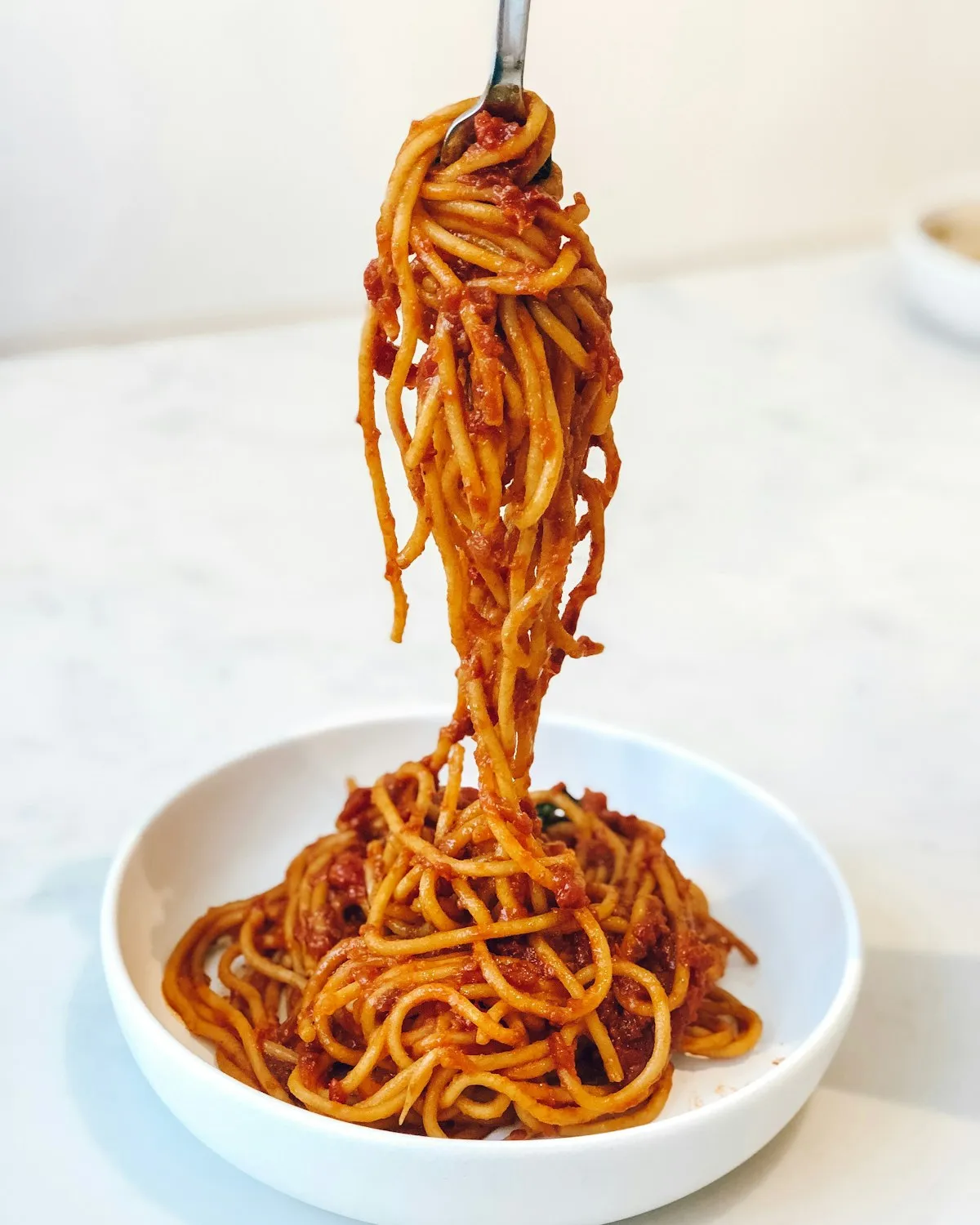
Creating a cream sauce that doesn't split is more about chemistry than luck. You must understand how proteins react to acid and heat. The biggest mistake home cooks make is reaching for low-fat milk or "light" cream alternatives. Use heavy cream. There is no substitute here. Heavy cream contains 36–40% fat, which acts as a protective cushion for the milk proteins. When you add lemon juice, which is highly acidic, lower-fat liquids will denature and clump, leaving you with a grainy mess. The high fat content in heavy cream prevents this aggregation, keeping your sauce smooth and luscious.
Timing is your second non-negotiable. Infuse your zest early, but save the juice for the end. Lemon zest contains essential oils that are fat-soluble; letting them simmer in the cream extracts a deep, floral citrus aroma. The juice, however, is pure acid. If you boil the juice for too long, you risk curdling even the heaviest cream. Stir the juice in once the heat is low or turned off entirely. This preserves the "bright" top notes of the lemon and ensures that silky texture we’re after.
Finally, respect the "starchy gold." Before you drain your pasta, save a cup of the cooking water. This water is filled with starch released by the noodles. When you whisk it into your cream and parmesan, it acts as a bridge, helping the fats and liquids emulsify into a glossy coating that actually clings to the pasta rather than pooling at the bottom of the bowl. For more on mastering the perfect coating, check out our guide on achieving the perfect glossy sauce.
Respect the Roast: How to Treat Your Salmon
While many recipes suggest poaching salmon directly in the sauce, I’m telling you to roast it separately. Roasting creates a beautiful, firm texture and intensifies the flavor through slight caramelization. If you poach it, you risk the fish breaking into tiny, unappealing shreds that disappear into the cream. We want big, buttery flakes of salmon that stand up to the pasta.
Target an internal temperature of 120°F (49°C). At this stage, the salmon is medium, still translucent and moist in the center. Remember, the fish will continue to cook slightly once you flake it into the warm pasta. If you cook it to 145°F in the oven, it will be chalky and dry by the time it hits your fork. Use a meat thermometer. Guessing is for amateurs, and salmon is too expensive to overcook.
Once roasted, let the fish rest for a few minutes. This allows the juices to redistribute so they don't leak out the moment you touch it. Use two forks to gently flake the salmon into large chunks. Fold the salmon in last. Do not stir vigorously. You want to maintain those distinct pieces of fish so every bite feels substantial.
Modern Twists and Clever Swaps
Cooking is about intuition, and while the classic version is hard to beat, you can easily adapt this for different needs. If you are exploring air fryer recipes dinner style, you can actually roast your salmon fillets in the air fryer at 400°F for about 7-9 minutes. It’s a fantastic way to get a slightly crispier exterior while keeping the inside tender.
For those looking for quick family meals with a low-carb twist, swap the traditional wheat pasta for zucchini noodles or hearts of palm pasta. If you do this, skip the pasta water step and instead reduce your cream slightly longer to compensate for the extra moisture in the vegetables.
If you need a dairy-free alternative, full-fat coconut milk can work, but you must lean heavily into the lemon and perhaps add a teaspoon of Dijon mustard to help emulsify the sauce and mask the coconut flavor. It won't be the same, but it will be delicious in its own right. You can even experiment with different proteins, like using the techniques from our air fryer sausage medley if you want to swap the fish for something more savory.
The Perfect Partners: Side Dish Pairings
Because this pasta is rich, creamy, and buttery, your side dishes need to provide a counterpoint. You want acidity, bitterness, and crunch. A heavy, creamy side dish would be a mistake, it’s like wearing velvet on velvet.
Serve a zesty arugula salad. The natural bitterness of arugula cuts right through the fat of the cream and the salmon. Dress it simply with a high-quality olive oil and a squeeze of the leftover lemon you used for the pasta. A few shavings of salty Parmesan on top will tie the flavors together without overwhelming the palate.
If you want something warm, charred broccolini or roasted asparagus are excellent choices. The slight bitterness of charred greens acts as a reset button for your taste buds between bites of rich pasta. Keep the seasoning minimal, just salt, pepper, and perhaps a pinch of red pepper flakes if you want a tiny hint of heat to wake up the lemon notes.
Your Burning Kitchen Questions Answered
What if my sauce looks thin and watery?
Don't panic. This usually happens if you didn't reduce the cream enough or if you added too much pasta water too quickly. Turn the heat up slightly and whisk in more grated Parmesan. The proteins and fats in the cheese act as a natural thickener. Conversely, if it's too thick, add a splash more of that starchy water. The goal is a sauce that coats the back of a spoon like heavy silk.
Can I use frozen peas?
Absolutely. In fact, I often prefer them. Petit pois (small peas) are frozen at the peak of sweetness and provide a much better pop of color and flavor than canned alternatives. Do not boil them with the pasta. Instead, toss the frozen peas directly into the hot cream sauce at the very end. The residual heat will thaw and cook them in about sixty seconds, ensuring they stay vibrant green and "snap" when you bite them.
Why did my salmon turn white on the outside?
That white stuff is called albumin. It’s just protein pushing to the surface, and while it’s perfectly safe to eat, it usually means the salmon was cooked a bit too fast or too long. To minimize this, pat your salmon completely dry before roasting and avoid overcooking it. A quick brine in salt water for 15 minutes before cooking can also help keep the albumin inside the fish.
Is this a good option for healthy dinner ideas if I'm watching my weight?
Yes, because it’s incredibly satiating. Because of the healthy fats in the salmon and the cream, you’ll find you need a smaller portion to feel full compared to a sugary tomato-based pasta. It's about quality over quantity. If you want to lighten it up further, increase the ratio of peas to pasta: they provide volume and fiber without the heavy carb load.
Can I reheat this the next day?
Cream sauces are notoriously finicky when reheated. If you must, do it on the stovetop over very low heat. Add a tiny splash of water or milk to loosen the sauce back up. Avoid the microwave if possible; it tends to "explode" the fat molecules, leaving you with an oily puddle and dry fish. It’s always best enjoyed fresh, but a gentle stovetop warm-up can save your leftovers.
{“@type”:”BlogPosting”,”image”:[“https://cdn.marblism.com/HzFFTDDCJG8.webp”,”https://cdn.marblism.com/6-jZgTWO3N7.webp”,”https://cdn.marblism.com/YhNLzJC2XEz.webp”,”https://cdn.marblism.com/k2vqudiwwUL.webp”,”https://cdn.marblism.com/tClKlxce3WM.webp”],”author”:{“name”:”Cookpedia Chef”,”@type”:”Person”},”@context”:”https://schema.org”,”headline”:”Pasta with Salmon & Peas: Elegant Cooking Made Simple”,”publisher”:{“logo”:{“url”:”https://cdn.marblism.com/KxroJ1kM_KA.webp”,”@type”:”ImageObject”},”name”:”Cookpedia”,”@type”:”Organization”},”description”:”An elegant yet simple pasta dish featuring flaky roasted salmon, sweet petit pois, and a silky lemon cream sauce. Perfect for quick family meals.”,”datePublished”:”2026-05-21″,”mainEntityOfPage”:{“@id”:”https://cookpedia.com/pasta-with-salmon-peas”,”@type”:”WebPage”}}