Recipe
Servings
Servings 1×
Ingredients
- Chicken
- Pork
- Ground turkey
- Penne
- Pasta
- Noodles
- Rice
- Broccoli
- Zucchini
- Spinach
- Kale
- Corn
- Tomatoes
- Onion
- Garlic
- Lemon
- Balsamic vinegar
- Tahini
Method
- Use a heavy-bottomed pot and let that meat develop a deep, caramelized crust.
- Let it sit, let it brown, and only then flip it.
- Use a short, sturdy pasta shape like rotini or penne.
- Keep the heat at a steady simmer and put the lid back on to trap the steam.
- Give it only about 30-60 seconds of heat until it smells incredible, then immediately hit the pot with your liquid.
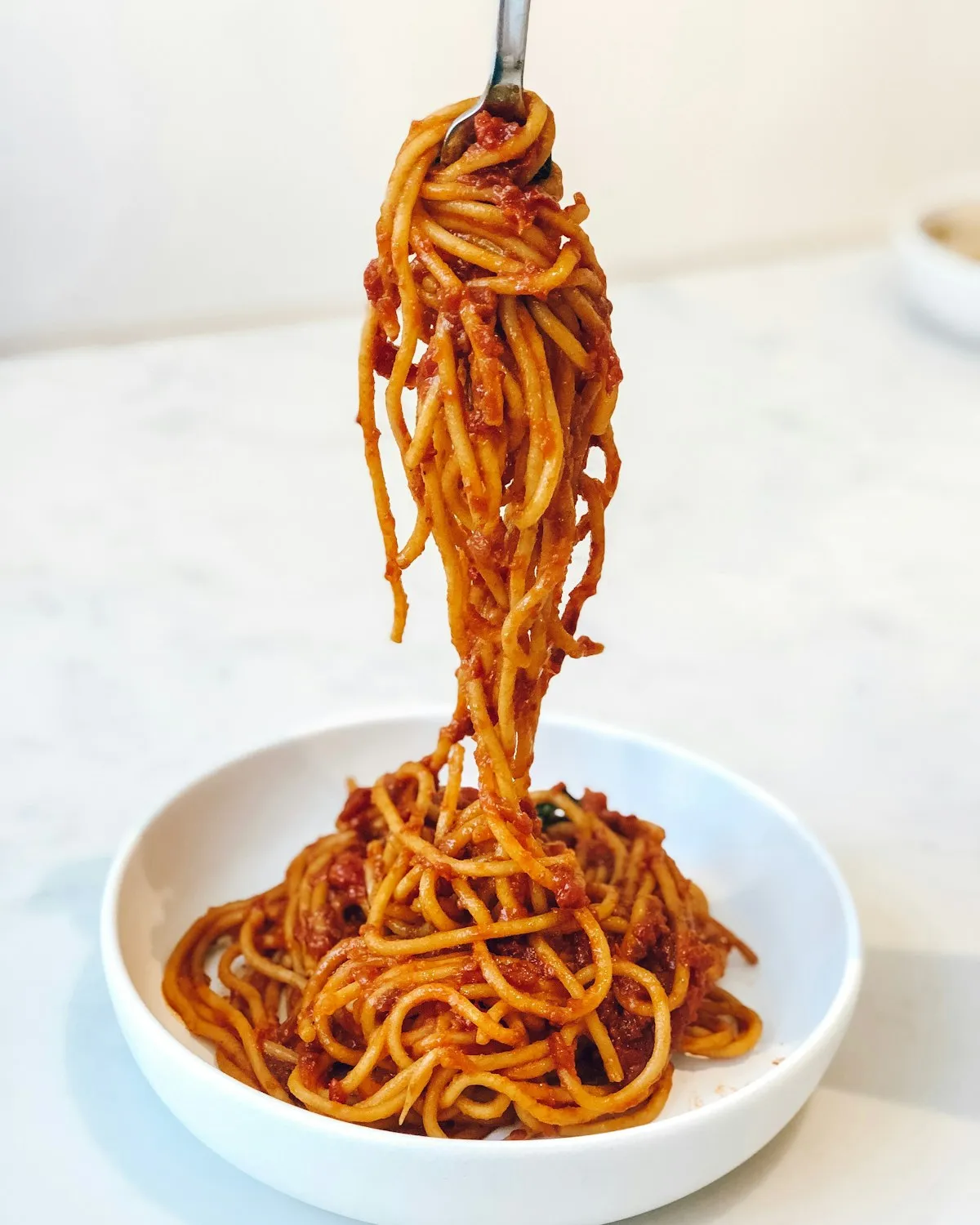
We’ve all been there: staring at a sink full of dishes after a long day, wondering why we ever thought a three-course meal was a good idea. That’s where one pot meals come to the rescue. This spicy Italian sausage pasta is my personal favorite when I want something that tastes like it took all afternoon but actually leaves me with only one dish to wash. It’s hearty, it’s got a kick, and it’s one of those quick family meals that satisfies everyone from the pickiest toddler to the hungriest adult.
The Science of the Sizzle: Tips and Technique
If you think throwing everything into a pot and hoping for the best is how this works, think again. The magic of simple pasta recipes cooked in a single vessel isn't just about convenience; it’s about starch management and flavor development.
First, let’s talk about the Maillard reaction. This is the chemical reaction between amino acids and reducing sugars that gives browned food its distinctive flavor. When you sear your Italian sausage, do not rush it. Use a heavy-bottomed pot and let that meat develop a deep, caramelized crust. This isn't just for looks; those brown bits at the bottom of the pot (known as the fond) are the soul of your sauce. Avoid moving the meat too much. Let it sit, let it brown, and only then flip it.
Once your meat is browned, you’re dealing with the science of starch. In a traditional pasta dish, you boil the noodles in a massive pot of salted water and pour most of that liquid gold down the drain. What a waste! In this one-pot method, the pasta releases its starch directly into the sauce. This creates a natural emulsification, a process where the fat from the sausage and any cream or broth you add binds with the water and starch to create a silky, thick coating that clings to every noodle. Check your liquid levels frequently. If the pot looks dry before the pasta is al dente, add a splash more broth. If it looks like a soup, take the lid off and let the evaporation do its job.
Use a short, sturdy pasta shape like rotini or penne. These shapes have more surface area and "nooks" to trap the emulsified sauce. Avoid delicate shapes like angel hair, which will turn into a gummy mess before your sausage even realizes it’s in a party. Most importantly, finish with a flourish of fat, usually a handful of Parmesan or a splash of heavy cream. This final hit of fat stabilizes the emulsion and rounds out the spicy heat of the sausage.
Shake It Up: Variations for Every Mood
The beauty of this base is its versatility. While I love the classic spicy kick, you can easily pivot based on what’s in your fridge. If you’re hunting for healthy dinner ideas, swap out the pork sausage for a spicy turkey or chicken sausage. You’ll save on saturated fats without losing that essential spice profile.
If you want to lean into a more "green" profile, toss in a few handfuls of baby spinach or chopped kale during the last two minutes of cooking. The residual heat will wilt the greens perfectly without turning them into mush. For those who aren't fans of heat, use "sweet" Italian sausage and double down on the garlic and black pepper.
You can even transform this into one of your simple pasta recipes that feels like a decadent treat by adding sun-dried tomatoes and a dollop of goat cheese at the end. The tanginess of the goat cheese cuts through the richness of the sausage beautifully. If you’re looking to prep ahead, this dish actually tastes better the next day as the pasta continues to absorb those spicy aromatics, making it a champion of the lunchbox.
Balancing the Plate: Side Dish Pairings
Since this pasta is rich, spicy, and carb-heavy, you need a side dish that offers a counterpoint. Think acidity and crunch. A simple arugula salad with a lemon-tahini dressing is my go-to. The bitterness of the arugula and the sharp citrus of the lemon help "reset" your palate between bites of heavy sausage and pasta.
If you have a bit of extra time, you could even fire up the air fryer for some crispy roasted broccoli or zucchini. We often focus on air fryer recipes dinner as a main course, but using the air fryer for sides while your pasta simmers on the stove is a pro-level multitasking move. Check the veggies at the 10-minute mark; you want them charred and snappy. A quick hit of balsamic glaze over the roasted greens will provide the acidity needed to balance the fat in the pasta.
One-Pot Troubleshooting: The FAQ
What if my pasta is still hard but the liquid is gone?
Don't panic. This is the most common hurdle with one pot meals. Simply add more liquid, broth or water, half a cup at a time. Keep the heat at a steady simmer and put the lid back on to trap the steam. The steam is actually what does a lot of the heavy lifting in cooking the top layer of pasta.
My sauce is way too thin and looks like soup. What did I do wrong?
You likely had too much liquid or didn't let it simmer uncovered for long enough. Crank the heat up for the last few minutes and stir constantly. The agitation helps the pasta release more starch, which will thicken the sauce. Also, don't forget the cheese! A good handful of finely grated Parmesan acts as a natural thickener.
Is it possible to make this gluten-free?
Yes, but you have to be careful. Gluten-free pastas (especially those made from rice or corn) release starch differently and can break down much faster than wheat pasta. If using gluten-free noodles, reduce the total cooking time and check for doneness early. Avoid over-stirring, or you'll end up with a pot of spicy porridge.
Can I use a different meat?
Absolutely. While Italian sausage is the star here, ground beef or even diced chicken thighs work. However, you’ll lose the built-in seasoning that sausage provides (fennel, paprika, etc.), so you’ll need to be more aggressive with your spice cabinet. If you’re looking for more quick family meals that use different proteins, check out our other guides at Cookpedia.
How do I prevent the garlic from burning?
Garlic is delicate. In this technique, always add your garlic after the sausage has browned and the onions have softened. Give it only about 30-60 seconds of heat until it smells incredible, then immediately hit the pot with your liquid. This "deglazing" stops the garlic from cooking further and prevents that bitter, burnt taste that can ruin a whole pot of food.
Why is my sausage tough?
You likely boiled it rather than searing it. If you add the liquid before the sausage has had a chance to brown properly, you’re effectively poaching the meat. Poached sausage has a rubbery texture. Get that Maillard reaction going first; it locks in flavor and creates a better mouthfeel. For more healthy dinner ideas that focus on proper meat prep, keep an eye on our weekly updates. If you're really in a rush, you could even pre-cook some components using air fryer recipes dinner techniques, though for this specific dish, the single-pot method is truly king.