Recipe
Servings
Servings 1×
Ingredients
- Chicken
- Steak
- Lentils
- Chickpeas
- Beans
- Quinoa
- Rice
- Greek yogurt
- Bread
- Potatoes
- Sweet potatoes
- Cauliflower
- Carrots
- Tomatoes
- Lemon
- Cream
- Cooking oil
- Salt
Method
- Prepare the ingredients described in the article and heat the cooking surface or oven as directed.
- Cook the main ingredients using the heat and timing guidance in the article.
- Finish with the seasonings and garnishes named in the article, then serve.
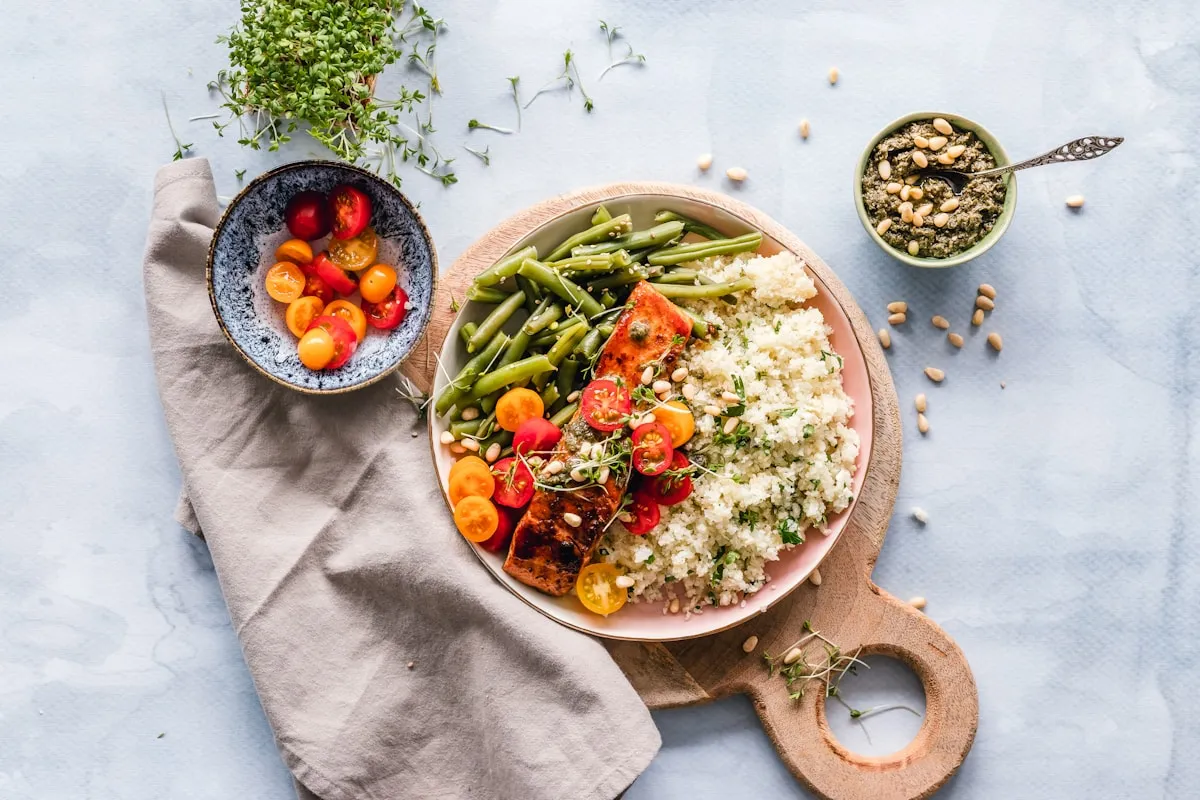
If you are looking for a meal that feels like a warm hug but doesn't require you to spend three hours scrubbing pans, you’ve found it. My Moroccan Spiced Chickpea Stew is the ultimate secret weapon for those nights when you want something soulful, healthy, and incredibly filling. It’s a plant-based powerhouse that relies on pantry staples to deliver flavors that taste like they’ve been simmering since sunrise. This is one of those quick family meals that proves you don’t need meat to satisfy a hungry household.
The Magic of Spices and Starch: Tips & Techniques
Cooking a great stew is less about following a list and more about understanding how heat and chemistry play together in your pot. When you start this dish, your first priority is "blooming" your spices. Do not just toss your cumin and coriander into the liquid. If you do that, you’re leaving half the flavor on the table. Spices contain fat-soluble volatile oils; to unlock their full aromatic potential, you must toast them in a little oil at the very beginning. Use a heavy-bottomed pot to ensure even heat distribution and avoid burning those precious aromatics. When the scent of cumin hits your nose and fills the kitchen, you’ll know you’ve successfully awakened the flavors.
The heart of this stew lies in the humble chickpea. From a scientific perspective, chickpeas are fascinating because they are packed with amylose and amylopectin: the two types of starch responsible for that creamy mouthfeel. When you simmer them in a tomato-based broth, a small amount of that starch leaches out into the liquid. This process, known as starch gelatinization, naturally thickens the stew without the need for flour or cornstarch. If you want an even thicker consistency, take a wooden spoon and crush a few chickpeas against the side of the pot halfway through cooking. This releases more starch into the broth, transforming it from a thin soup into a luxurious, rib-coating stew.
Acidity is your best friend when it comes to healthy dinner ideas. Tomatoes provide the base acidity, but the real secret is the finish. A stew that has been simmering can sometimes taste "flat" or heavy. This happens because the bright, high-note flavors evaporate over time. To fix this, always add a splash of fresh lemon juice or a teaspoon of red wine vinegar right before serving. This hit of acid cuts through the earthy richness of the chickpeas and brightens the warm spices, making every bite pop. Check the balance frequently: if it tastes dull, it probably needs acid, not more salt.
Lastly, consider the "rest" period. Just like a good steak needs to rest, a stew benefits from ten minutes off the heat before you dive in. This allows the fibers in the vegetables to relax and the liquid to redistribute. During this time, the flavors continue to meld and harmonize. It’s the difference between a collection of ingredients and a cohesive, soulful meal. Avoid the temptation to serve it boiling hot straight from the stove.
Personalizing the Pot: Creative Variations
One of the reasons this dish ranks so high among quick family meals is its sheer versatility. You aren't limited to just chickpeas. If you have a bag of red lentils hiding in the back of your pantry, toss them in. Red lentils are unique because they break down almost entirely during the simmering process, adding a massive boost of protein and acting as a natural thickener. Just remember that lentils absorb a lot of water, so you may need to increase your liquid ratio to keep things from turning into a paste.
For those who crave a bit more texture, consider adding hearty root vegetables. Cubed sweet potatoes or carrots are classic additions that provide a natural sweetness to contrast the earthy spices. If you choose to go this route, ensure you cut your vegetables into uniform sizes. Science dictates that smaller surface areas cook faster, so if you’re in a rush, a small dice is your path to a 20-minute dinner. If you have more time, larger chunks provide a more rustic, "slow-cooked" feel.
If you’re not strictly plant-based, this stew handles meat additions with grace. Seared chicken thighs or browned ground lamb can be integrated during the initial sauté phase. The fat from the meat will carry the spices even further, though it does change the nutritional profile of the dish. For a smoky twist, swap some of the paprika for smoked paprika (Pimentón). It gives the entire pot a campfire-like depth that pairs beautifully with the natural nuttiness of the chickpeas.
Perfect Pairings: What to Serve on the Side
While this stew is a complete meal on its own, the right side dish can elevate it from a simple weeknight dinner to something special. Texture is the name of the game here. Since the stew is soft and creamy, you want something with a bit of "bite" or "crunch" to balance the experience.
Couscous is the traditional Moroccan companion, and for good reason. Its tiny, granular texture is perfect for soaking up the spiced tomato broth without becoming mushy. If you want to keep things gluten-free, a fluffy bed of quinoa or even cauliflower rice works wonders. The goal is to provide a neutral base that lets the complex spice profile of the stew shine.
Don’t forget the power of toppings. A dollop of Greek yogurt or a swirl of coconut cream adds a cooling element that balances the warmth of the coriander and cumin. Fresh herbs are non-negotiable in my kitchen: cilantro or flat-leaf parsley added at the very end provides a burst of chlorophyll that refreshes the palate. If you’re feeling fancy, some toasted slivered almonds or pomegranate seeds add a delightful crunch and a hint of luxury to your plate.
Your Burning Questions Answered: FAQ
Can I make this in an air fryer?
While you generally can’t "stew" in a basket, you can use your air fryer to prep components. If you're exploring air fryer recipes dinner ideas, try roasting your chickpeas in the air fryer with a little oil and salt for 10 minutes before adding them to the pot. This creates a firmer, nuttier texture that holds up better during a long simmer. You can also air-fry some pita chips to serve on the side for that essential crunch factor.
Why are my chickpeas still hard after simmering?
This is usually caused by one of two things: age or acid. Older dried chickpeas develop a "hard-to-cook" phenomenon where the cell walls become nearly impenetrable. If you’re using canned chickpeas, this shouldn’t be an issue. However, if you add your acidic ingredients (like tomatoes or lemon juice) too early when using dried beans, the acid can react with the pectin in the cell walls, preventing them from softening. Always ensure your beans are nearly tender before introducing heavy acidity.
Can I freeze this for later?
Absolutely. This stew is a champion of meal prep. Because the flavors are spice-driven, they actually intensify after a stay in the freezer. When you reheat it, the starches might have thickened the liquid significantly, so just add a splash of water or broth to bring it back to your desired consistency. It’s one of those healthy dinner ideas that keeps on giving.
Is there a substitute for Moroccan spices?
If you don't have the specific Moroccan blend (often called Ras el Hanout), you can build your own using cumin, coriander, cinnamon, and a pinch of cloves. The cinnamon is the "secret" ingredient here: it adds a savory warmth that distinguishes Moroccan profiles from Indian curries or Mexican stews. Don't skip it!
What if my stew is too salty?
Don't panic. The classic fix is to add a peeled, halved potato to the pot and simmer for another ten minutes. The potato acts like a sponge, absorbing some of the excess salt. Alternatively, increasing the volume of the stew by adding more unsalted broth or another can of (rinsed) chickpeas can dilute the saltiness without ruining the flavor profile.
For more inspiration on accessible, soul-stirring meals, be sure to explore our full library at Cookpedia. We’re all about making real food work for your real life. Happy cooking!