Recipe
Servings
Servings 1×
Ingredients
- Lentils
- Greek yogurt
- Bread
- Carrots
- Spinach
- Kale
- Apple
- Tomatoes
- Onion
- Garlic
- Fresh ginger
- Lemon
- Hard cheese
- Cooking oil
- Curry spices
- Salt
Method
- Start by focusing on your aromatics, the onions, carrots, and celery.
- Use the technique of "blooming" your spices.
- Use a wooden spoon to vigorously stir the pot toward the end of cooking; this mechanical agitation breaks down just enough of the lentils to emulsify the liquid, giving you a luxurious mouthfeel for pennies.
- Season your base vegetables lightly, but hold off on the heavy hand until the lentils have softened.
- Add them in the final five minutes of simmering.
- Serve this soup with a thick slice of toasted sourdough or a crusty baguette.
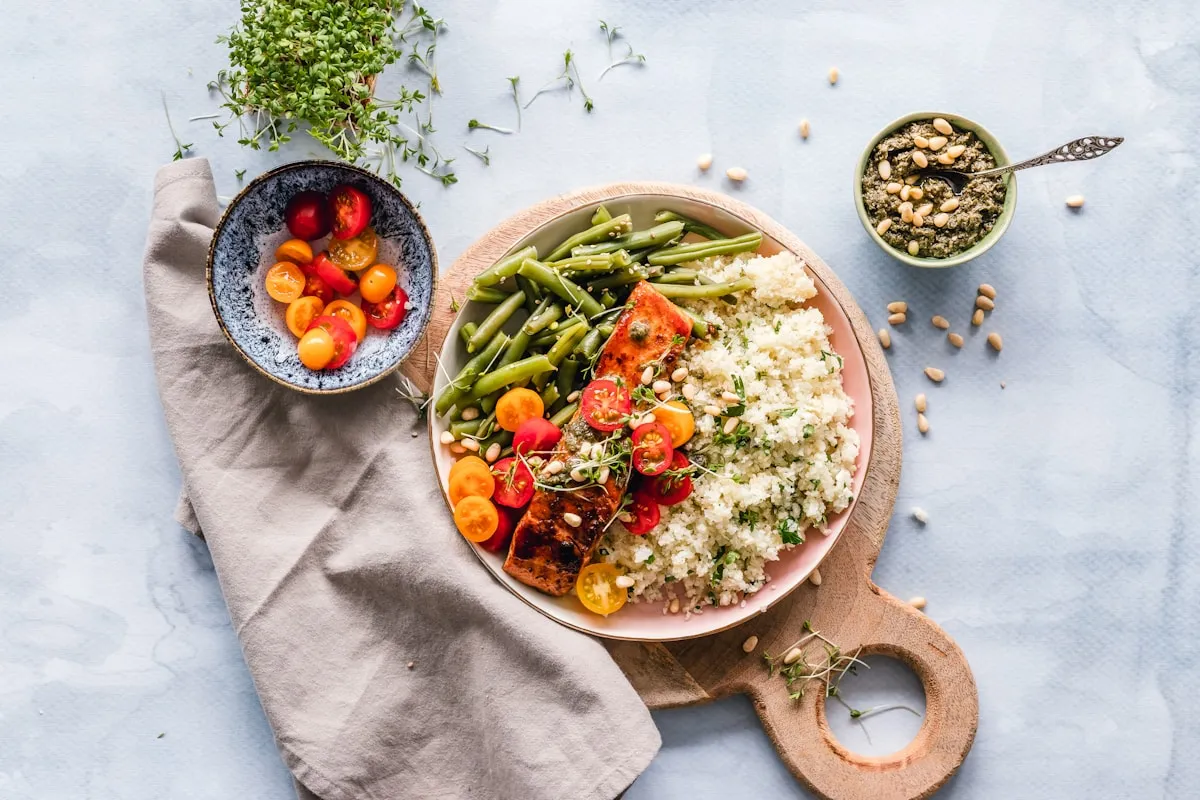
There is something deeply satisfying about a meal that costs less than a fancy coffee but feeds you for three days. My one-pot lentil and vegetable soup is the ultimate cold-weather companion, designed to be thick, savory, and incredibly comforting. If you are looking for budget friendly recipes that don't taste like "struggle food," you have found your holy grail. This is a humble bowl of goodness that relies on pantry staples and a little bit of kitchen science to transform simple ingredients into a masterpiece.
The Science of the Simmer: Flavor Foundations
Creating a complex flavor profile in one of my favorite one pot meals requires more than just throwing everything into water and hoping for the best. You need to understand the mechanics of flavor extraction. Start by focusing on your aromatics, the onions, carrots, and celery. Don't just soften them; you want to reach a state of light caramelization. This triggers the Maillard reaction, where sugars and amino acids react under heat to create those deep, savory notes that provide the soup’s "backbone."
Use the technique of "blooming" your spices. When you add dried herbs and spices like cumin or smoked paprika directly to the hot oil with your vegetables, you release fat-soluble flavor compounds that remain dormant in water. This step ensures that every spoonful carries a punch of aroma. If you wait until the liquid is added to toss in your spices, you lose a significant portion of that sensory impact.
Check your lentil choice carefully. For a soup that holds its shape but provides a thick base, opt for brown or green lentils. Unlike red lentils, which disintegrate into a puree (perfect for dal, but not for a chunky vegetable soup), brown lentils have a robust seed coat that maintains integrity during a long simmer. However, the real secret to a "creamy" soup without adding dairy is the starch release. As the lentils cook, they shed a small amount of starch into the broth. Use a wooden spoon to vigorously stir the pot toward the end of cooking; this mechanical agitation breaks down just enough of the lentils to emulsify the liquid, giving you a luxurious mouthfeel for pennies.
Avoid adding salt too early in the process. While we usually advocate for seasoning at every layer, high salt concentration in the early stages can actually toughen the skins of the lentils, leading to a "crunchy" center even after an hour of boiling. Season your base vegetables lightly, but hold off on the heavy hand until the lentils have softened. This scientific approach ensures a consistent, tender texture throughout the pot.
Elevating Your Soup: Flavor Variations
One of the best things about healthy dinner ideas is how easily they adapt to what you actually have in your pantry. If you want to lean into a Mediterranean profile, incorporate a generous amount of dried oregano and finish the pot with a handful of chopped kalamata olives and a splash of red wine vinegar. The acidity of the vinegar is non-negotiable here; it cuts through the earthy richness of the lentils and "wakes up" the palate.
For a smokier, heartier version that mimics a ham-bone soup, use smoked paprika and a touch of liquid smoke or chipotle in adobo. This version is particularly effective if you are trying to keep things plant-based but crave that traditional campfire depth. Alternatively, turn this into a curried lentil soup by swapping the traditional mirepoix for ginger and garlic, and adding a bold yellow curry powder during the blooming phase.
If you find yourself with leftover greens that are looking a little sad in the crisper drawer, throw them in. Spinach, kale, or even Swiss chard are excellent additions. Add them in the final five minutes of simmering. The residual heat is enough to wilt the greens without overcooking them into a grey mush. This flexibility is what makes this dish a staple of Cookpedia and a favorite for those who value efficiency.
Perfect Pairings: Balancing the Bowl
A dense, earthy soup needs a partner that offers contrast. Texture is your best friend here. Serve this soup with a thick slice of toasted sourdough or a crusty baguette. The crunch of the bread provides a necessary break from the soft lentils and vegetables. If you want to keep it lighter, consider a bright, acidic side salad. A simple mix of arugula, lemon juice, and shaved parmesan works wonders to balance the weight of the soup.
Think about your garnishes as "functional decor." A dollop of Greek yogurt or a swirl of high-quality olive oil adds fat, which carries the spice flavors longer across your tongue. A sprinkle of fresh parsley or cilantro provides a hit of chlorophyll and freshness that counters the long-simmered flavors of the pot. If you’re serving this to kids, a few homemade croutons can make the experience more engaging and add a much-needed salt-crunch element.
Soup Solutions: Frequently Asked Questions
Why are my lentils still hard after an hour of cooking?
This is usually caused by one of two things: age or acid. Old lentils (those sitting in the back of your pantry since the last eclipse) lose their ability to absorb water effectively. If your lentils are fresh, check your timing with acidic ingredients. If you add tomatoes or vinegar too early, the acid can react with the hemicellulose in the lentil cell walls, preventing them from softening. Always add acidic components after the lentils have reached your desired tenderness.
Can I freeze this soup for meal prep?
Absolutely. This is one of the most reliable budget friendly recipes for freezing. Lentils hold up remarkably well to the freezing and thawing process. In fact, many people find the flavor improves after a day or two as the spices continue to meld. Just be sure to leave about an inch of "headspace" in your containers, as the liquid will expand when it turns to ice. To reheat, do it slowly on the stovetop and add a splash of water or broth to loosen it up, as the lentils will continue to soak up liquid while sitting.
My soup tastes "flat" or boring. How do I fix it?
If your soup tastes like "water with vegetables," it’s likely lacking acidity or salt. Before you reach for more salt, try a squeeze of lemon juice or a teaspoon of apple cider vinegar. Acid acts as a flavor enhancer, brightening the existing notes without making the dish taste "sour." Also, ensure you bloomed your spices in oil at the start; if you missed that step, you can sauté a little extra garlic and spices in a separate pan with oil and stir that "tadka" into the main pot at the end.
Do I really need to rinse the lentils?
Yes, do not skip this. Lentils are a natural product and often contain small stones or debris from the field. More importantly, rinsing removes the "dust" and excess surface starch that can make your soup unpleasantly cloudy or grainy. Put them in a fine-mesh strainer and run cold water over them until it runs clear. It takes thirty seconds and saves your teeth from a surprise pebble.
Is this soup actually a complete meal?
From a nutritional standpoint, yes. Lentils are a powerhouse of protein and fiber, making them one of the best healthy dinner ideas for staying full. When you combine them with the fiber from the vegetables and perhaps a slice of whole-grain bread, you have a balanced ratio of macronutrients that will keep your energy stable.