Recipe
Servings
Servings 1×
Ingredients
- Chicken
- Rice
- Broccoli
- Asparagus
- Tomatoes
- Garlic
- Lemon
- Hard cheese
- Feta
- Cheddar
- Cooking oil
- Salt
- Black pepper
Method
- Use a heavy skillet to maintain consistent heat and prevent the chicken from sticking or tearing.
- Toss in your garlic and aromatics.
- Add the dry rice directly into the fat and aromatics.
- Use long-grain rice for the best results here; its lower starch content compared to short-grain varieties makes it much more forgiving in a one-pot setting.
- Cover the pot with a tight-fitting lid and walk away.
- Add plenty of fresh lemon zest and a squeeze of juice right at the end.
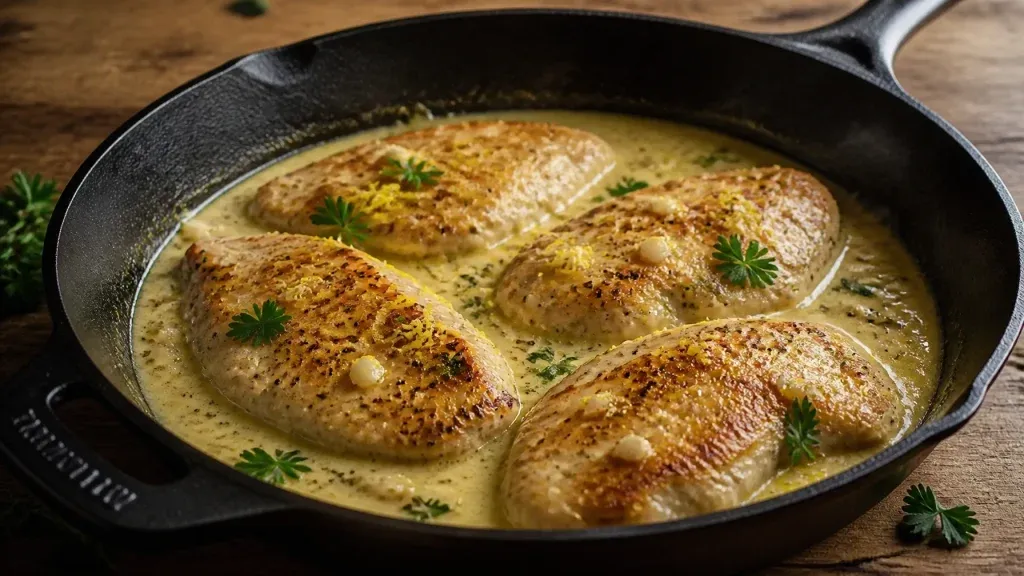
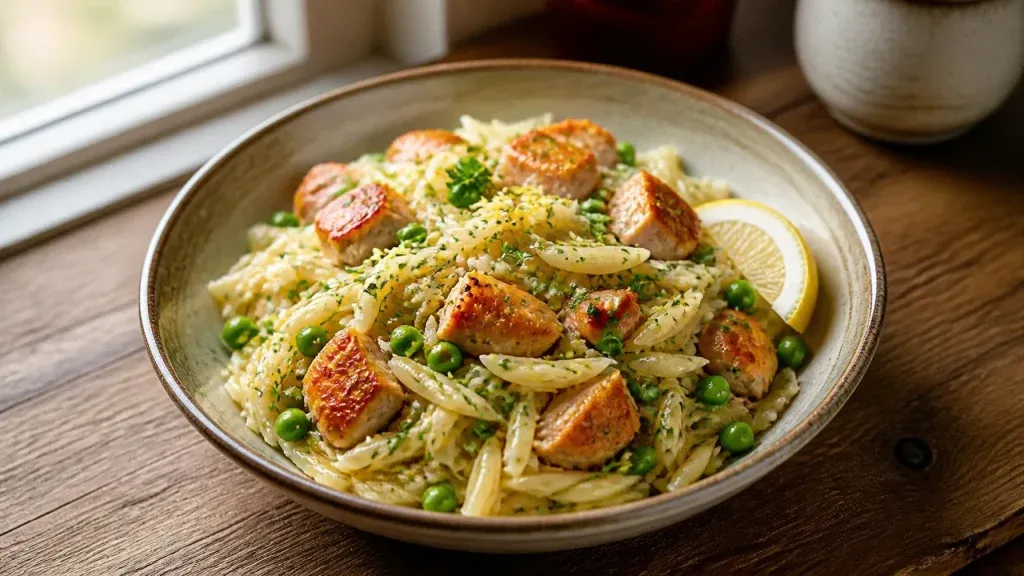
If you’ve ever stared at a pile of dirty dishes after cooking a "simple" meal and wondered where your life went wrong, you are my people. I love cooking, but I have a deep-seated vendetta against scrubbing three different pans for a Tuesday night dinner. That is exactly why I’ve become obsessed with one pot meals. This garlic parmesan chicken and rice skillet is the ultimate solution: it’s creamy, savory, and incredibly comforting, all without the kitchen-sink catastrophe. You get crispy-skinned chicken and fluffy, flavor-infused rice in a single vessel, making it one of those easy dinner recipes you’ll actually want to make when you’re exhausted.
The Science of the Skillet: Tips & Techniques
Making a successful chicken and rice skillet isn't just about throwing everything in a pan and hoping for the best. It’s a delicate dance of moisture management and heat control. If you want to master healthy weeknight dinners like this, you need to understand why we do things in a specific order.
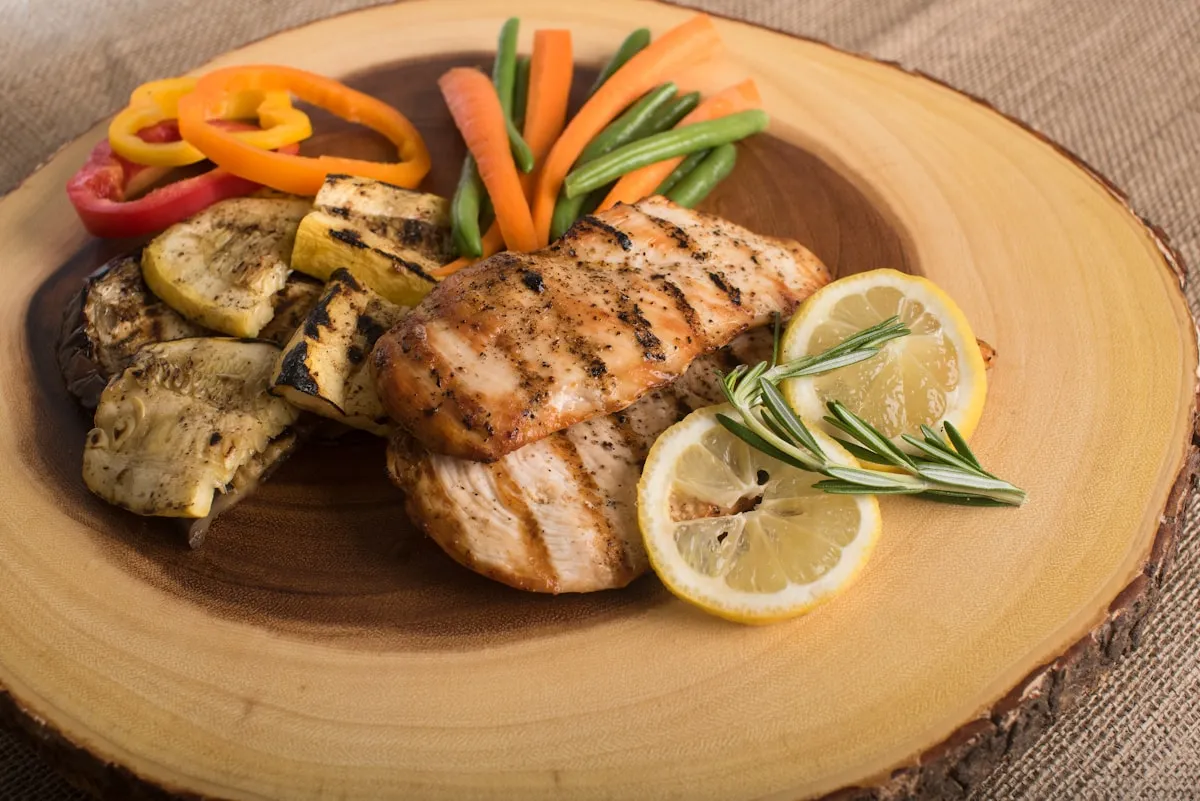
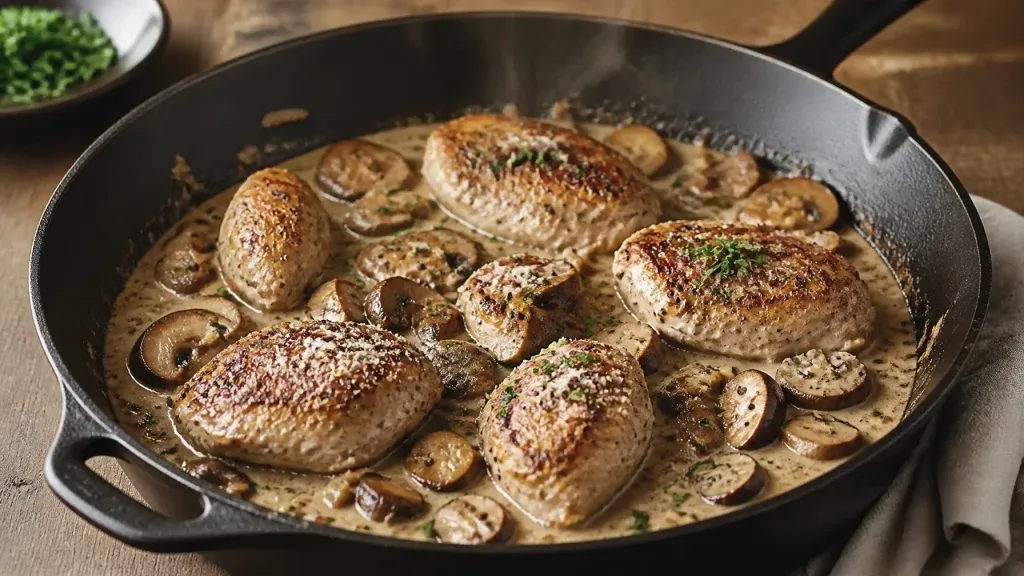
First, let’s talk about the Maillard reaction. This is the chemical reaction between amino acids and reducing sugars that gives browned food its distinctive flavor. When you sear your chicken, don’t just "cook" it; sear it until the skin is a deep, gorgeous gold. This builds a foundation of "fond", those brown bits stuck to the bottom of the pan. That fond is pure gold. Use a heavy skillet to maintain consistent heat and prevent the chicken from sticking or tearing.
Once the chicken is seared, remove it. It isn't cooked through yet, and that’s intentional. If you cook it all the way now, it will turn into shoe leather by the time the rice is done. Trust the process.
Now, look at that liquid left in the pan. That rendered chicken fat is a flavor bomb. Toss in your garlic and aromatics. Sauté them just until they’re fragrant, but do not let them burn. Burned garlic is bitter and will ruin the entire pot.
The next non-negotiable step is toasting your rice. Add the dry rice directly into the fat and aromatics.
Toasting the rice for two minutes creates a protective coating around each grain. This helps the starch gelatinize properly without turning the whole dish into a giant pile of mush. You want individual, fluffy grains, not a rice pudding. Use long-grain rice for the best results here; its lower starch content compared to short-grain varieties makes it much more forgiving in a one-pot setting.
When you add your liquid, use a wooden spoon to scrape every single bit of that fond off the bottom. This is called deglazing. Those brown bits will dissolve into the broth and eventually be absorbed right into the rice.
Finally, place the chicken back on top of the rice, skin-side up. This allows the bottom of the chicken to braise in the liquid while the skin stays relatively dry and retains its texture. Cover the pot with a tight-fitting lid and walk away. Don’t peek. Every time you lift the lid, you release the steam that the rice desperately needs to cook evenly. Maintain a low, steady simmer. If the heat is too high, the bottom will burn before the center of the rice is tender.
Flavor Variations to Shake Things Up
Once you’ve mastered the base technique of one pot meals, you can start playing with the profile to suit your mood or what’s left in your fridge.
For a Mediterranean twist, swap the parmesan for feta and add some chopped sun-dried tomatoes and kalamata olives during the last five minutes of cooking. The acidity from the olives cuts through the richness of the chicken fat beautifully. If you're looking for more inspiration, check out our chicken recipes for more protein-packed ideas.
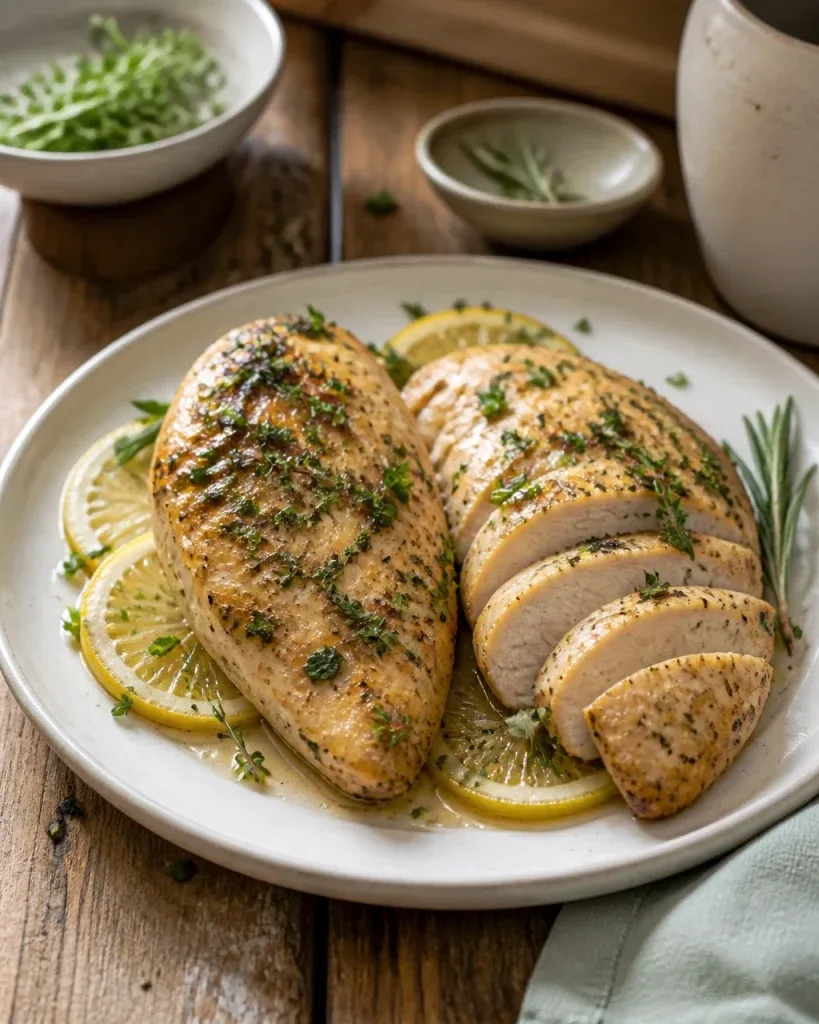
If you want something with a bit more of a kick, try a Lemon-Herb variation. Add plenty of fresh lemon zest and a squeeze of juice right at the end. Use fresh thyme and rosemary during the searing phase to infuse the oil. This version feels lighter and is a great option for healthy weeknight dinners when you want something vibrant but still filling.
For those who love a bit of heat, a spicy Cajun version works wonders. Rub the chicken with a heavy coat of Cajun seasoning before searing. Swap the parmesan for a sharp cheddar or pepper jack. The spice from the seasoning and the creaminess of the cheese create a balanced, soulful meal that’s hard to beat. You can find more 30-minute meals on our site if you're in a hurry.
The Perfect Side Dish Pairings
Even though this is a one-pot wonder, a fresh side dish can really elevate the experience. Since the chicken and rice skillet is quite rich and savory, you want something that provides contrast, specifically through acidity and crunch.
A simple arugula salad is my absolute favorite pairing. The peppery bite of the arugula and a sharp lemon vinaigrette act as a palate cleanser between bites of creamy rice. It keeps the meal from feeling too heavy. Toss the arugula with a bit of olive oil, a heavy squeeze of lemon, and maybe a few extra shavings of parmesan to tie the two dishes together.
If you prefer something warm, roasted asparagus or broccolini are excellent choices. Toss them in a bit of olive oil and salt and roast them at high heat while the rice is simmering. They add a nice textural contrast and keep the meal within the realm of easy dinner recipes. Check out our salad section for more fresh pairing ideas.
FAQ: Solving Your Skillet Struggles
What if my rice is still crunchy after the timer goes off?
Don't panic and don't turn the heat up. Hard rice usually means one of two things: your lid isn't tight enough and you lost too much steam, or you didn't use enough liquid. Add two or three tablespoons of hot broth or water, put the lid back on, and let it sit on the lowest possible heat for another five minutes. Then, let it rest off the heat for ten minutes. That resting period is crucial for the moisture to redistribute.
Why did the bottom of my rice burn?
Your heat was likely too high. Once the liquid comes to a boil, you must drop the temperature to a low simmer immediately. Also, make sure you are using a heavy-bottomed pan. Thin pans have "hot spots" that will scorch the rice directly above the flame. If it happens, don't stir it! Just scoop the good rice from the top and leave the burned bits at the bottom.
Can I use chicken breasts instead of thighs?
You can, but I don't recommend it for beginners. Thighs have more fat and connective tissue, which makes them very forgiving. Breasts dry out quickly. If you must use breasts, cut them into large, even chunks and reduce the total simmering time. Check the internal temperature with a thermometer; once it hits 165°F (74°C), they are done.
Is it okay to use brown rice?
Brown rice takes significantly longer to cook, usually 40 to 50 minutes. If you use it in this recipe, your chicken will be overcooked and dry by the time the rice is soft. If you want to use brown rice, you’ll need to sear the chicken, remove it, cook the rice for about 20 minutes alone, and then add the chicken back in for the final 20 minutes.
Should I rinse my rice first?
For this specific skillet, yes. Rinsing the rice removes excess surface starch. If you skip this, the starch will mix with the fat and liquid to create a gummy, sticky texture. We want fluffy grains that are coated in flavor, not glued together. Rinse until the water runs clear.
For more tips on mastering the kitchen, take a look at our one-pot meals category to find your next favorite dish.
{“@type”:”BlogPosting”,”image”:”https://cdn.marblism.com/YrzcmcQpolz.webp”,”author”:{“name”:”Cookpedia”,”@type”:”Organization”},”@context”:”https://schema.org”,”headline”:”One-Pot Meals: Garlic Parmesan Chicken and Rice Skillet”,”publisher”:{“logo”:{“url”:”https://cookpedia.com/logo.png”,”@type”:”ImageObject”},”name”:”Cookpedia”,”@type”:”Organization”},”mainEntity”:{“@type”:”FAQPage”,”mainEntity”:[{“name”:”What if my rice is still crunchy after the timer goes off?”,”@type”:”Question”,”acceptedAnswer”:{“text”:”Hard rice usually means your lid isn’t tight enough or you didn’t use enough liquid. Add a few tablespoons of hot broth, cover, and simmer on low for 5 more minutes, then let it rest.”,”@type”:”Answer”}},{“name”:”Why did the bottom of my rice burn?”,”@type”:”Question”,”acceptedAnswer”:{“text”:”The heat was likely too high or you used a thin-bottomed pan. Ensure a low simmer once the liquid boils and use heavy cookware to prevent hot spots.”,”@type”:”Answer”}},{“name”:”Can I use chicken breasts instead of thighs?”,”@type”:”Question”,”acceptedAnswer”:{“text”:”Yes, but they dry out faster. Cut them into large chunks and monitor the internal temperature closely to ensure they don’t exceed 165°F (74°C).”,”@type”:”Answer”}}]},”description”:”Learn the science behind the perfect garlic parmesan chicken and rice skillet. Master one-pot meals with these professional tips for easy, healthy weeknight dinners.”,”datePublished”:”2026-07-20″,”mainEntityOfPage”:{“@id”:”https://cookpedia.com/garlic-parmesan-chicken-rice-skillet”,”@type”:”WebPage”}}