Recipe
Servings
Servings 1×
Cook 165 min
Ingredients
- Chicken
- Beans
- Potatoes
- Asparagus
- Green beans
- Garlic
- Lemon
- Balsamic vinegar
- Cooking oil
- Salt
- Black pepper
Method
- Let’s get one thing straight: moisture is the enemy of the crunch.
- Use a paper towel and pat those chicken thighs until they are bone-dry.
- Mix a tiny bit of baking powder into your salt and pepper rub.
- Use a high-starch potato like a Russet or Yukon Gold.
- Use the same "dry skin" technique.
If you are like me, you probably spend at least twenty minutes every Tuesday staring into the fridge, hoping a gourmet meal will spontaneously assemble itself. Since the fridge magic hasn't happened yet, we rely on healthy dinner ideas that don't require a culinary degree or a three-hour time slot. Today, I’m showing you why chicken thighs and potatoes are the ultimate power couple of the kitchen. This isn't just a recipe; it’s a lesson in flavor physics that guarantees crispy skin and juicy meat every single time.
The Science of the Crunch: Moisture and the Maillard Reaction
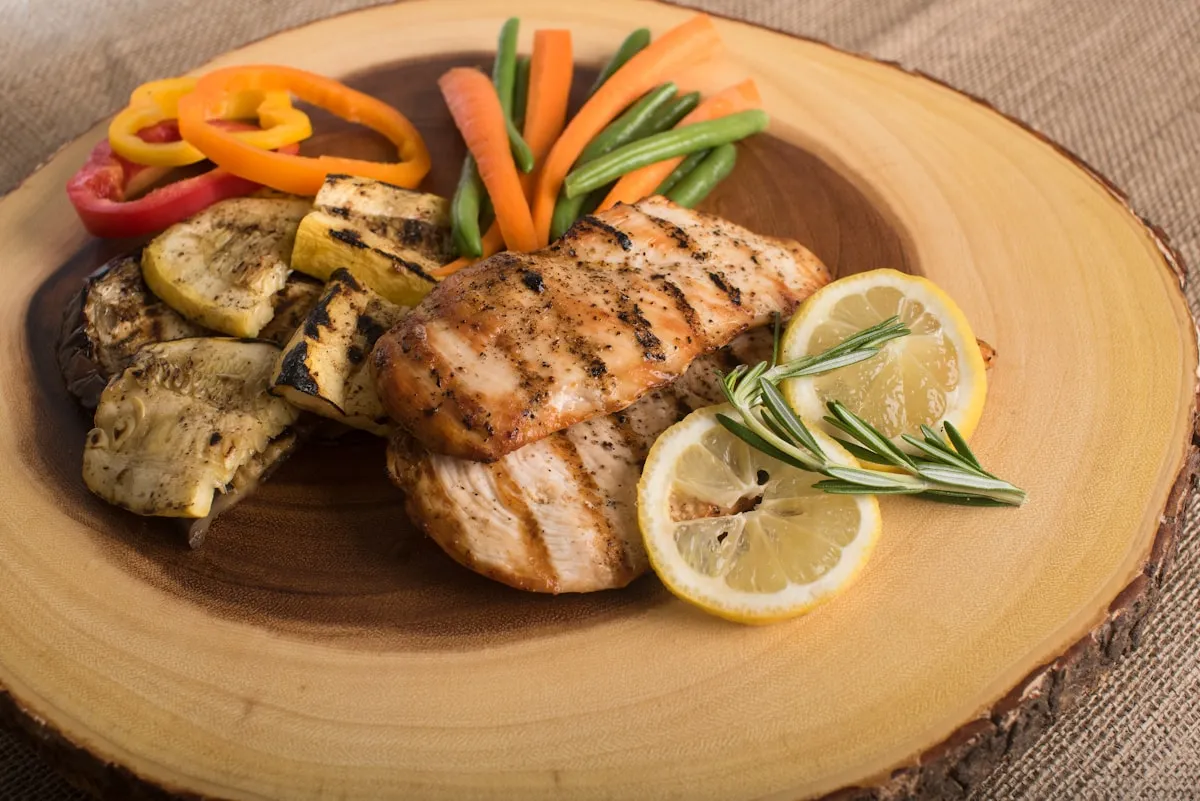
Let’s get one thing straight: moisture is the enemy of the crunch. If your chicken comes out "soggy" or "rubbery," you likely skipped the most important step. Use a paper towel and pat those chicken thighs until they are bone-dry. Why? Because when heat hits moisture, it creates steam. Steam cooks things, but it does not brown them. To achieve the glorious Maillard reaction, that chemical dance between amino acids and reducing sugars, you need a dry surface and high heat.
Check your oven temperature; we are aiming for 400°F (200°C) or higher. At this temperature, the subcutaneous fat under the chicken skin begins to render. This liquefied fat acts as a natural basting liquid for the meat underneath while essentially "frying" the skin from the outside in.
Want to turbo-charge that crispiness? Mix a tiny bit of baking powder into your salt and pepper rub. Baking powder is alkaline, which raises the skin’s pH level. A higher pH speeds up protein breakdown and creates micro-blisters on the surface. These tiny bubbles increase the surface area, giving you that shatteringly crisp texture that makes quick family meals feel like a restaurant experience.
For the potatoes, the science is similar but focused on starch. Use a high-starch potato like a Russet or Yukon Gold. When these are roasted at high heat with a healthy coating of oil, the exterior starch gelatinizes and then dehydrates, forming a glassy, crunchy crust. Avoid crowding the pan. If you pack the potatoes too tightly, they will steam each other, leaving you with sad, mushy spuds instead of golden nuggets of joy.
Flavor Profiles and Variations
Lemon-pepper is a classic for a reason. The citric acid in the lemon provides a bright, sharp contrast that cuts through the rich, savory fat of the chicken. Meanwhile, the piperine in the black pepper adds a warming pungency. However, once you master the technique, you can play with the flavor profile.
- The Mediterranean Twist: Swap the lemon pepper for dried oregano, minced garlic, and a splash of balsamic vinegar. The sugars in the balsamic will caramelize quickly, so keep an eye on the browning to ensure it doesn't burn.
- The Spicy Kick: Use a dry harissa rub or smoked paprika and cayenne. This works exceptionally well if you’re looking for air fryer recipes dinner alternatives, as the circulating air intensifies the spice.
- The Herby Ranch: Toss everything in a dry ranch seasoning mix. The buttermilk powder in the mix adds a tangy depth that children and adults alike absolutely love.
Balancing the Plate: Side Dish Pairings
While chicken and potatoes are a complete meal in my book, adding a side with high acidity or bitterness helps balance the palate.
Try a simple arugula salad with a sharp lemon vinaigrette. The peppery bite of the arugula mirrors the black pepper on the chicken, while the acid resets your taste buds after each rich, fatty bite of skin. Alternatively, steam some green beans or roast a tray of asparagus alongside the chicken. These "green" additions transform the tray into one of those healthy dinner ideas that keep you feeling light rather than weighed down by starch. If you are in a rush, check out our 15-minute meals for more pairing inspiration.
The Air Fryer Alternative
If you’re short on time, this recipe is a prime candidate for air fryer recipes dinner rotations. The air fryer is essentially a high-powered convection oven that moves air much faster than a standard range. This means moisture is stripped away even more efficiently.
When using an air fryer, place the chicken skin-side up and ensure the potatoes aren't stacked on top of the meat. Use the same "dry skin" technique. Because the basket is smaller, the fat renders and circulates, often resulting in an even crispier result than the oven. It's one of those quick family meals hacks that makes weeknights feel manageable.
Frequently Asked Questions
Can I use chicken breasts instead of thighs?
You can, but proceed with caution. Breasts have significantly less fat and connective tissue than thighs. Thighs contain collagen that converts to gelatin as it cooks, keeping the meat succulent even at high temperatures. Breasts will dry out long before the skin gets truly crispy. If you must use breasts, reduce the cooking time and use a meat thermometer to pull them at exactly 165°F (74°C).
Why are my potatoes sticking to the pan?
This usually happens because you tried to flip them too early. Potatoes undergo a "release" phase. As the crust forms and hardens, it naturally pulls away from the baking sheet. If they are stuck, give them another five minutes. Also, ensure you are using enough oil; the oil acts as a heat-transfer medium that prevents the starch from bonding to the metal.
Should I use fresh or bottled lemon juice?
Always use fresh. Bottled lemon juice often contains preservatives and has a muted, "cooked" flavor. For the best result, use the zest for the roasting process and squeeze the fresh juice over the dish right before serving. This keeps the aromatics bright and prevents the acid from interfering with the browning process during the bake.
Can I roast everything on one tray?
Yes, but you must be strategic. Chicken thighs take longer than small-cubed potatoes. Cut your potatoes into larger chunks so they finish at the same time as the chicken, or give the chicken a ten-minute head start. Crowding is the enemy: ensure there is at least a half-inch of space between every item on the tray.
For more techniques on mastering the oven, visit our baking guide or browse our full dinner collection for your next inspiration.
{“@type”:”BlogPosting”,”image”:”https://cdn.marblism.com/VFF_p-Ik-MZ.webp”,”author”:{“name”:”Penny”,”@type”:”Person”},”@context”:”https://schema.org”,”headline”:”Healthy Weeknight Dinners: Baked Lemon-Pepper Chicken Thighs with Roasted Potatoes”,”publisher”:{“logo”:{“url”:”https://cdn.marblism.com/KxroJ1kM_KA.webp”,”@type”:”ImageObject”},”name”:”Cookpedia”,”@type”:”Organization”},”description”:”Learn the science behind crispy chicken skin and perfectly roasted potatoes in this lemon-pepper weeknight dinner guide.”,”datePublished”:”2026-07-18″}