Recipe
Servings
Servings 1×
Ingredients
- Chicken
- Pork
- Tofu
- Lentils
- Chickpeas
- Black beans
- Beans
- Quinoa
- Rice
- Potatoes
- Sweet potatoes
- Cauliflower
- Carrots
- Zucchini
- Mushrooms
- Kale
- Cucumber
- Avocado
Method
- Let’s be real for a second: the 5:00 PM scramble is a universal human experience.
- Use high heat and don't crowd the pan.
- Use avocado or grapeseed oil for high-heat roasting to ensure you get that crisp exterior without the acrid taste of burnt fat.
- Keep nutritional yeast, miso paste, and soy sauce in your permanent rotation.
- Whisk a tablespoon into a lemon-tahini dressing or stir it into a lentil stew.
- Combine soft elements (like creamy beans) with something high-crunch (like toasted pumpkin seeds or air-fried chickpeas).
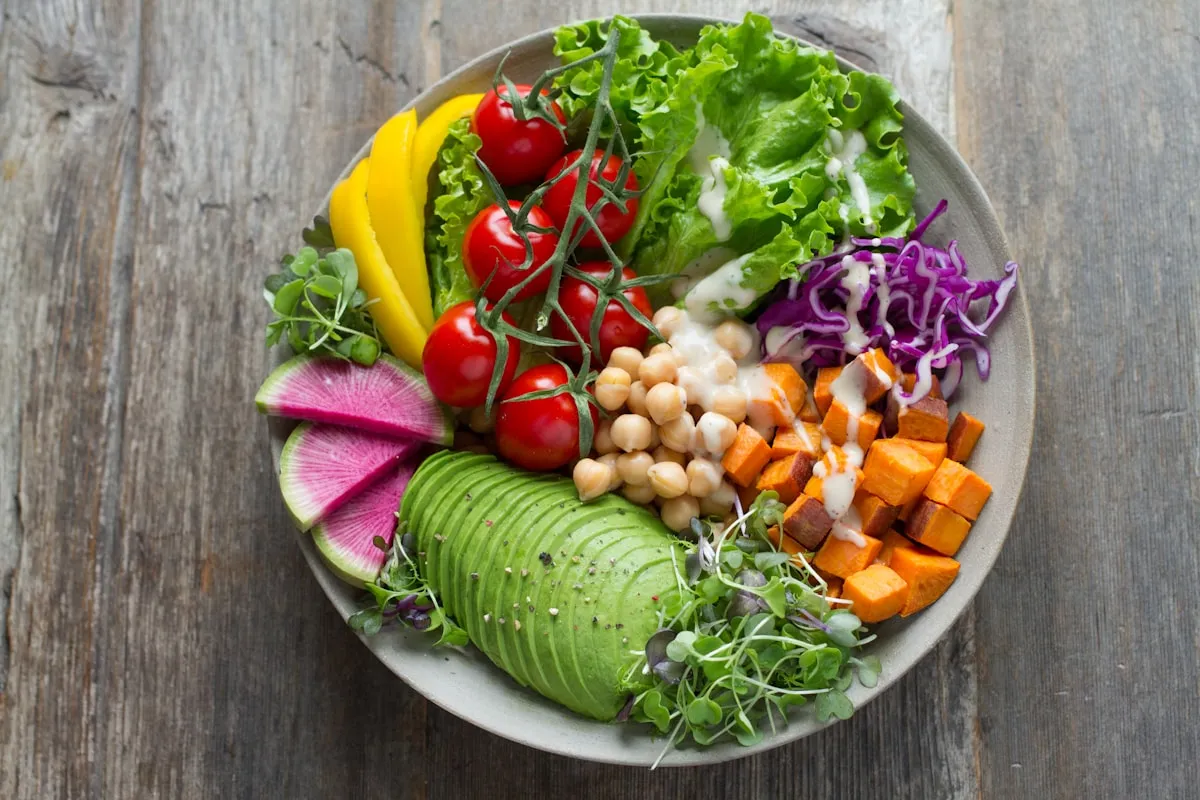
Let’s be real for a second: the 5:00 PM scramble is a universal human experience. You’re standing in the kitchen, the fridge is staring back at you with judgment, and you need a meal that won't take two hours but also doesn't come out of a cardboard box. If you’re looking to lighten things up without losing that "soul food" feeling, shifting toward more plant-based dinner ideas is the move. I’m not talking about sad steamed kale; I’m talking about healthy weeknight dinners that actually satisfy that deep, post-work hunger.
The Science of Flavor: Why Your Plants Taste Like Sadness (And How to Fix It)
Most people fail at plant-based cooking because they treat a carrot like a chicken breast. Stop doing that. The secret to making vegetables the star of the show lies in chemistry: specifically the Maillard reaction. This is the chemical reaction between amino acids and reducing sugars that gives browned food its distinctive flavor. When you roast cauliflower at 425°F instead of steaming it, you aren't just heating it; you’re creating complex flavor molecules that mimic the savory notes we usually associate with meat.
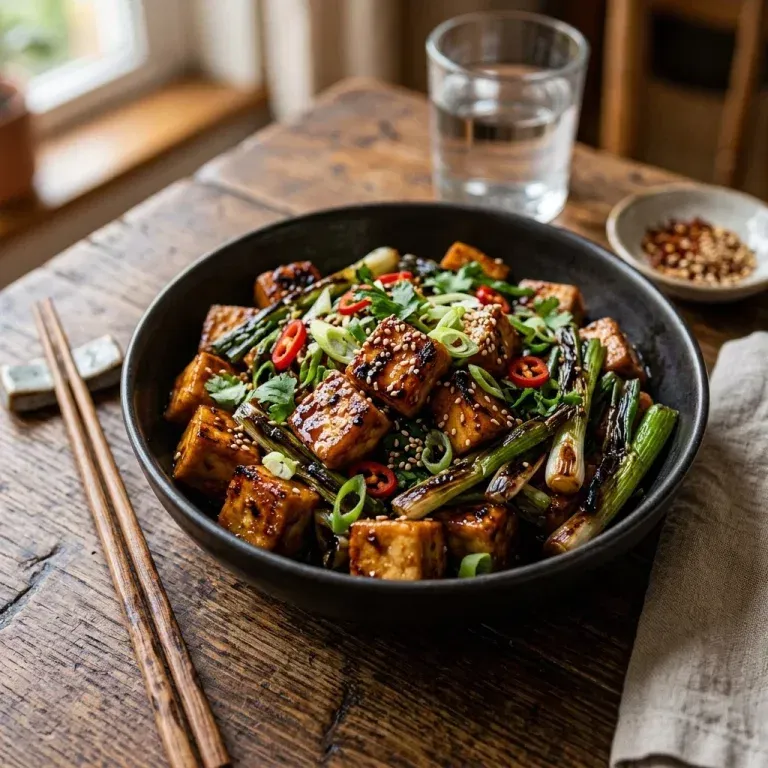
Use high heat and don't crowd the pan. If you put too many mushrooms in a skillet at once, they release moisture and end up boiling in their own juices. That’s how you get "mush." Instead, give them space to sear. Check your oil's smoke point, too. Use avocado or grapeseed oil for high-heat roasting to ensure you get that crisp exterior without the acrid taste of burnt fat.
Another pillar of plant-based success is the "Umami Bomb." Since you aren't getting those savory glutamates from beef or pork, you have to source them elsewhere. Keep nutritional yeast, miso paste, and soy sauce in your permanent rotation. Miso, in particular, is a fermented powerhouse. Whisk a tablespoon into a lemon-tahini dressing or stir it into a lentil stew. It provides a depth of flavor that tricks your brain into thinking the meal is much richer than it actually is.
Texture is the final frontier. A common complaint about quick family meals that skip the meat is that they feel "monotonous" in the mouth. Combine soft elements (like creamy beans) with something high-crunch (like toasted pumpkin seeds or air-fried chickpeas). Speaking of which, lean into your gadgets. Using air fryer recipes dinner style allows you to achieve textures that traditional ovens struggle with in half the time. Try air-frying extra-firm tofu that has been pressed and tossed in cornstarch; the result is a shatteringly crisp exterior that holds up even when drenched in a spicy peanut sauce.
Avoid over-boiling your legumes. If you’re using dried lentils, simmer them just until they are tender to the bite but still hold their shape. A mushy lentil is a sad lentil. If you’re short on time, use canned beans, but rinse them thoroughly to remove the metallic tang of the brine. For a quick hack that feels like cheating, check out our garlic butter ramen and swap the butter for a plant-based alternative; it’s the ultimate comfort-meets-convenience play.
Pivoting Your Protein: Variations for Every Mood
The beauty of a solid recipe is that it’s usually just a template. Once you master the "grain + green + bean" formula, you can iterate forever. If a recipe calls for chickpeas but you’ve only got black beans, don't panic. Black beans bring a creamier, earthier vibe that pairs perfectly with lime and cumin, whereas chickpeas have a nuttier profile that loves Mediterranean flavors like oregano and lemon.
For those nights when you want something substantial, swap out tofu for tempeh. Tempeh is fermented, meaning it has a much firmer, denser texture and a slightly nutty flavor. It stands up incredibly well to being sliced into "steaks" and seared. If you’re cooking for a crowd that’s skeptical of plant-based dinner ideas, try using finely chopped walnuts mixed with mushrooms as a "meat" replacement in a bolognese or taco filling. The walnuts provide the fat and the bite, while the mushrooms provide the savory depth.
Seasonal shifts are your best friend. In the winter, focus on root vegetables: roasted sweet potatoes, parsnips, and beets. Their high sugar content makes them prime candidates for that Maillard reaction we talked about. In the summer, keep things light with quick-seared zucchini and fresh heirloom tomatoes. The goal is always to work with the ingredient's natural strengths rather than trying to force it to be something it’s not.
Balancing the Plate: Side Dish Pairings
Even the best main dish needs a supporting cast. When you’re building healthy weeknight dinners, focus on balance. If your main is a rich, coconut-milk-based curry, you need a side that offers acidity and brightness. A simple cucumber salad with rice vinegar and a pinch of chili flakes cuts right through that coconut fat.
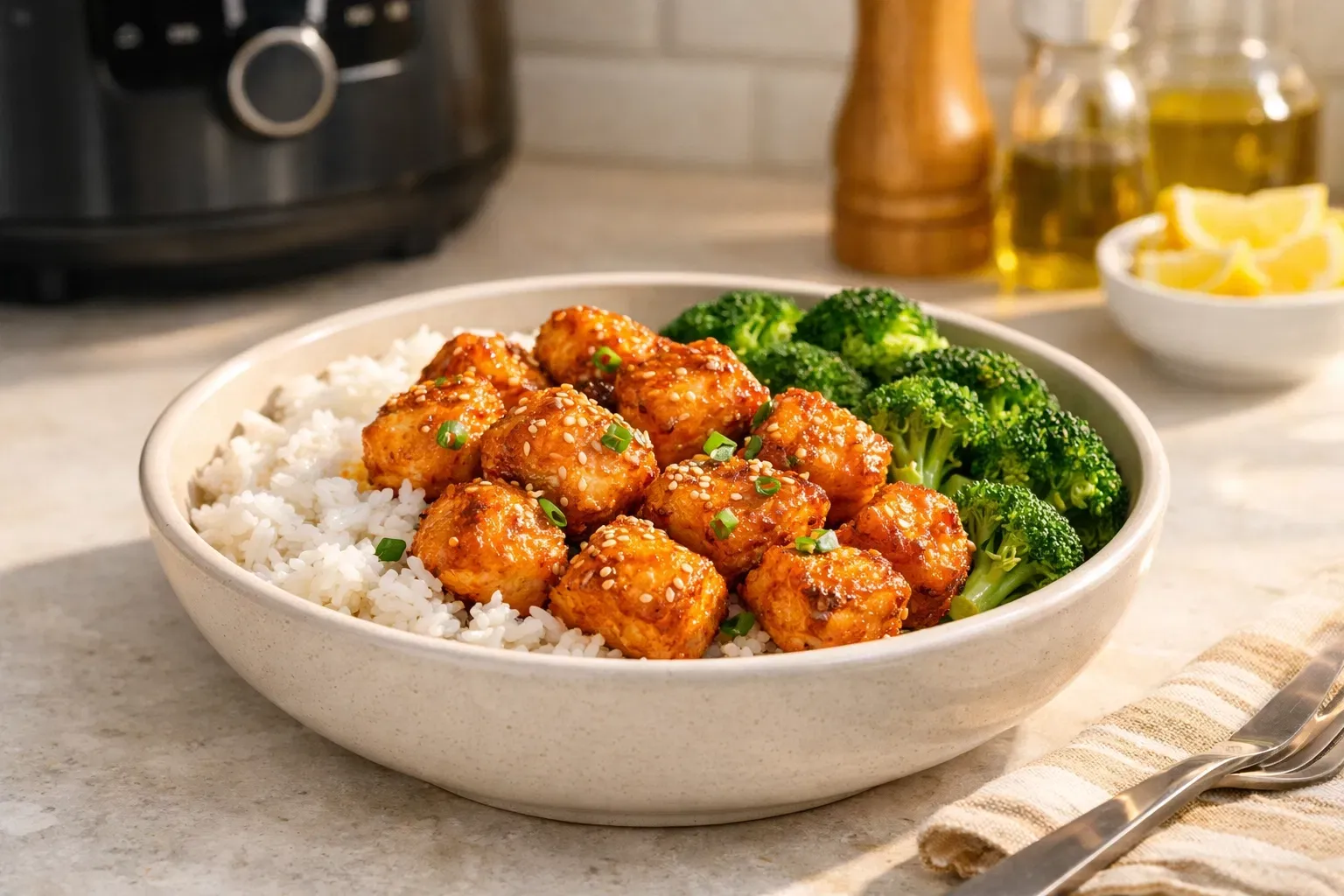
For grain-heavy dishes, like a Mediterranean quinoa bowl, add a side of quick-pickled red onions. The sharp vinegary punch wakes up the palate and keeps the meal from feeling too "heavy." If you're doing a spicy stir-fry, a side of smashed cucumber or a simple slaw with a lime-ginger dressing provides a cooling contrast. Remember: fat carries flavor, but acid defines it. Never serve a plate without a wedge of lemon or lime on the side; that final hit of citric acid acts like a volume knob for all the other flavors on the plate.
FAQ: Solving Your Plant-Based Problems
What if my family misses the texture of meat?
Focus on "chewy" ingredients. Sun-dried tomatoes, shiitake mushrooms, and rehydrated soy curls all have a fibrous structure that mimics meat. Also, don't underestimate the power of a good sear. Most of what we "miss" about meat is actually the charred, salty crust, which you can replicate on everything from cauliflower to tofu.
How do I make sure these are actually quick family meals?
Prep your "components" rather than full meals. Roast a huge tray of veggies on Sunday, cook a big batch of farro or brown rice, and make two distinct sauces (like a spicy tahini and a herb-heavy chimichurri). During the week, you’re just assembling. Assembly is always faster than cooking from scratch.
Can I really get enough protein from plants alone?
Absolutely. The "incomplete protein" myth has been largely debunked; as long as you’re eating a variety of whole foods throughout the day, your body gets what it needs. Legumes, hemp seeds, quinoa, and even broccoli contribute to your daily tally. If you're worried, add a scoop of hemp hearts to your salad: they’re a complete protein and add a nice nutty crunch.
Why does my tofu always turn out soggy?
You aren't getting the water out. Even "extra-firm" tofu is packed in water. You need to press it for at least 20 minutes between two heavy plates and paper towels. If you’re using air fryer recipes dinner style, tossing the pressed cubes in a little cornstarch before frying is the ultimate hack for a crispy, non-soggy result.
Are these recipes kid-friendly?
The key is familiar formats. Instead of "lentil stew," call it "taco soup" and let them load it with avocado and chips. Instead of "vegan pasta," call it "creamy sun-dried tomato noodles." Kids respond better to textures they recognize, so lean into the air fryer for that "chicken nugget" crunch without the actual chicken.