Recipe
Servings
Servings 1×
Cook 1 min
Ingredients
- Chicken
- Tofu
- Chickpeas
- Rice
- Spinach
- Peas
- Peanut butter
- Coconut milk
- Butter
- Cooking oil
- Curry spices
Method
- Let’s dive into why this technique works and how to master it every single time.
- Start by searing your chicken thighs properly.
- Pat them dry, season them well, and brown them over medium-high heat.
- Sear triggers the Maillard reaction, creating hundreds of savory flavor compounds and leaving behind a gorgeous golden fond in the bottom of your pot.
- Cover the pot tightly to trap steam, allowing the rice to cook evenly from the outside in while infusing every grain with rich curry flavor.
- Toss in handfuls of baby spinach, sliced bell peppers, or sugar snap peas during the last five minutes of simmering for an extra boost of color and crunch.
If you are tired of scrubbing a mountain of pots and pans every single weeknight, I have good news for you. Creamy coconut curry chicken cooked right alongside fluffy rice in a single vessel is the ultimate weeknight victory. It satisfies your craving for takeout without the delivery fees or the cleanup headache. When you want comforting, aromatic flavors paired with effortless preparation, this dish easily stands out among your favorite quick family meals. Let’s dive into why this technique works and how to master it every single time.
Tips & Technique: The Science of One-Pot Curry Magic
Mastering a one-pot dish isn't about luck; it is pure kitchen science. When you cook rice and chicken in a coconut milk broth simultaneously, managing starch, fat, and heat is everything.
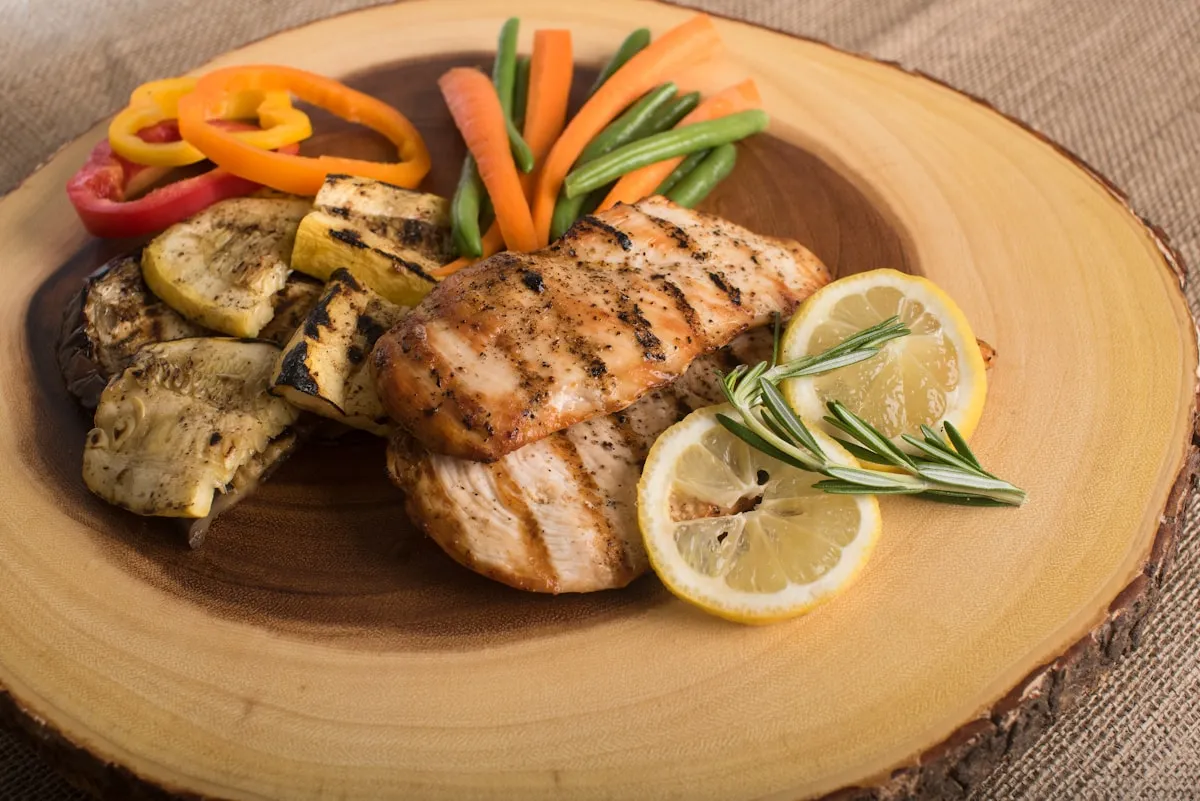
Start by searing your chicken thighs properly. Pat them dry, season them well, and brown them over medium-high heat. Sear triggers the Maillard reaction, creating hundreds of savory flavor compounds and leaving behind a gorgeous golden fond in the bottom of your pot. Scrape that fond up later when your aromatics and liquids go in.
Next, bloom your spices. Always sauté your curry powder or paste in the rendered fat for thirty to sixty seconds before adding liquids. Fat-soluble flavor compounds in spices dissolve into the oil, unlocking a deeper, more robust flavor than dumping them straight into water.
Wash your rice thoroughly before tossing it into the pot. Rinsing away excess surface starch prevents your grains from turning gluey or clumped as they simmer. When you pour in your full-fat coconut milk and broth, keep your heat at a gentle, rolling simmer rather than a furious boil. Coconut milk is a delicate emulsion of water, fat, and protein; aggressive boiling breaks that emulsion, causing the coconut fat to separate and turn greasy instead of silky smooth. Cover the pot tightly to trap steam, allowing the rice to cook evenly from the outside in while infusing every grain with rich curry flavor. If you love exploring healthy dinner ideas that rely on whole foods and smart cooking techniques, this method will quickly become your go-to staple.
Flavor Variations to Shake Up Your Routine
Variety is the spice of life, and curry is remarkably forgiving. If you want to switch things up, try swapping chicken thighs for firm tofu or chickpeas when you are craving plant-based quick family meals.
Switch out standard curry powder for vibrant green or red Thai curry paste depending on your heat tolerance. Toss in handfuls of baby spinach, sliced bell peppers, or sugar snap peas during the last five minutes of simmering for an extra boost of color and crunch. If you prefer a nutty undertone, stir in a spoonful of creamy peanut butter right alongside your coconut milk. For those nights when you want to branch out beyond stovetop cooking, you can also experiment with other clever weeknight hacks, much like you would when browsing creative air fryer recipes dinner inspiration for busy evenings. Play with your pantry staples, but always respect the core ratio of liquid to rice to keep your texture spot on.
Side Dish Pairings for Balance
Because coconut curry chicken and rice is rich, creamy, and deeply savory, you want side dishes that introduce acidity, brightness, and crunch to balance the bowl.
Serve your curry alongside a sharp cucumber and red onion salad tossed in fresh lime juice and a pinch of sugar. The crisp, clean bite of raw cucumber cuts straight through the richness of the coconut milk. Alternatively, char some green beans or broccoli florets with a squeeze of lemon and flaky sea salt. If you enjoy pairing contrasting textures, a crisp Asian-style slaw with sesame vinaigrette provides an invigorating crunch that elevates the entire dining experience. For more inspiration on building complete menus, browse our collection of healthy dinner ideas to find complementary dishes that make weeknight dining feel restaurant-worthy.
Frequently Asked Questions
What should I do if my rice is still hard after all the liquid is absorbed?
Cover the pot immediately, remove it from the heat, and let it steam in its own residual heat for five to ten minutes. If the rice is still undercooked, sprinkle two tablespoons of hot water or broth over the surface, cover tightly, and return it to a very low burner for another three to five minutes.
Why does my curry look oily or split instead of creamy?
This happens when coconut milk is boiled too aggressively. High heat breaks the natural fat-and-water emulsion in the coconut milk. To fix it, lower the heat immediately and stir in a small splash of warm water or broth. Next time, keep your burner at a gentle simmer once the coconut milk is added.
Can I use brown rice instead of jasmine or basmati?
Brown rice requires significantly more liquid and cooking time than white rice, so a direct 1:1 swap will leave your chicken overcooked and rubbery. If you want to use brown rice, cook it separately or parboil it before adding it to the curry pot with extra broth and extended simmering time.
How do I store and reheat leftovers without ruining the rice?
Store your cooled leftovers in an airtight container in the refrigerator for up to three days. When reheating, add a tablespoon of water or chicken broth to the container to restore moisture. Heat it gently on the stovetop over medium-low heat, stirring occasionally, rather than blasting it in the microwave, which can make the rice hard and dry.
Can I make this dish ahead of time for meal prep?
Yes, this curry tastes even better the next day as the spices meld further into the rice and chicken. Portion it into meal prep containers once cooled, and enjoy knowing you have delicious air fryer recipes dinner alternatives and cozy one-pot wonders ready whenever hunger strikes.