Recipe
Servings
Servings 1×
Ingredients
- Chicken
- Beans
- Pasta
- Potatoes
- Broccoli
- Asparagus
- Green beans
- Tomatoes
- Lemon
- Honey
- Mustard
- Tahini
- Cooking oil
- Chili seasoning
Method
- Use paper towels and pat the bird dry until the skin feels like parchment.
- Keep them in a single layer, surrounding the chicken like a golden moat.
- Use an instant-read thermometer.
- Use a larger pan and skip the foil lid.
There is a specific kind of magic that happens when you commit to one pot meals. It’s the alchemy of flavors mingling in a single vessel, combined with the profound relief of seeing only one pan in the sink after dinner. This roasted chicken and potato dish is the epitome of soulful, minimalist cooking. It doesn't ask much of you, yet it delivers a centerpiece that feels like a Sunday feast, even on a Tuesday night. It’s about letting high-quality ingredients speak for themselves through simple, time-honored techniques.
The Science of the Sizzle: Mastering the One-Pot Roast
Achieving that perfect contrast between succulent chicken and crispy potatoes requires more than just high heat; it requires an understanding of moisture and fat. When you roast chicken and potatoes together, you are essentially asking two different ingredients with different densities and water contents to finish at the exact same time. To do this successfully, you must manage the "steam factor."
First, focus on the skin. The Maillard reaction: that glorious chemical process that turns proteins and sugars into a browned, flavorful crust: is the enemy of moisture. If your chicken skin is damp, the oven’s energy will be wasted evaporating that surface water before it can even begin to brown the skin. Use paper towels and pat the bird dry until the skin feels like parchment. For the ultimate result, let it sit uncovered in the fridge for an hour; the dry air acts as a natural dehydrator, setting the stage for a world-class crunch.
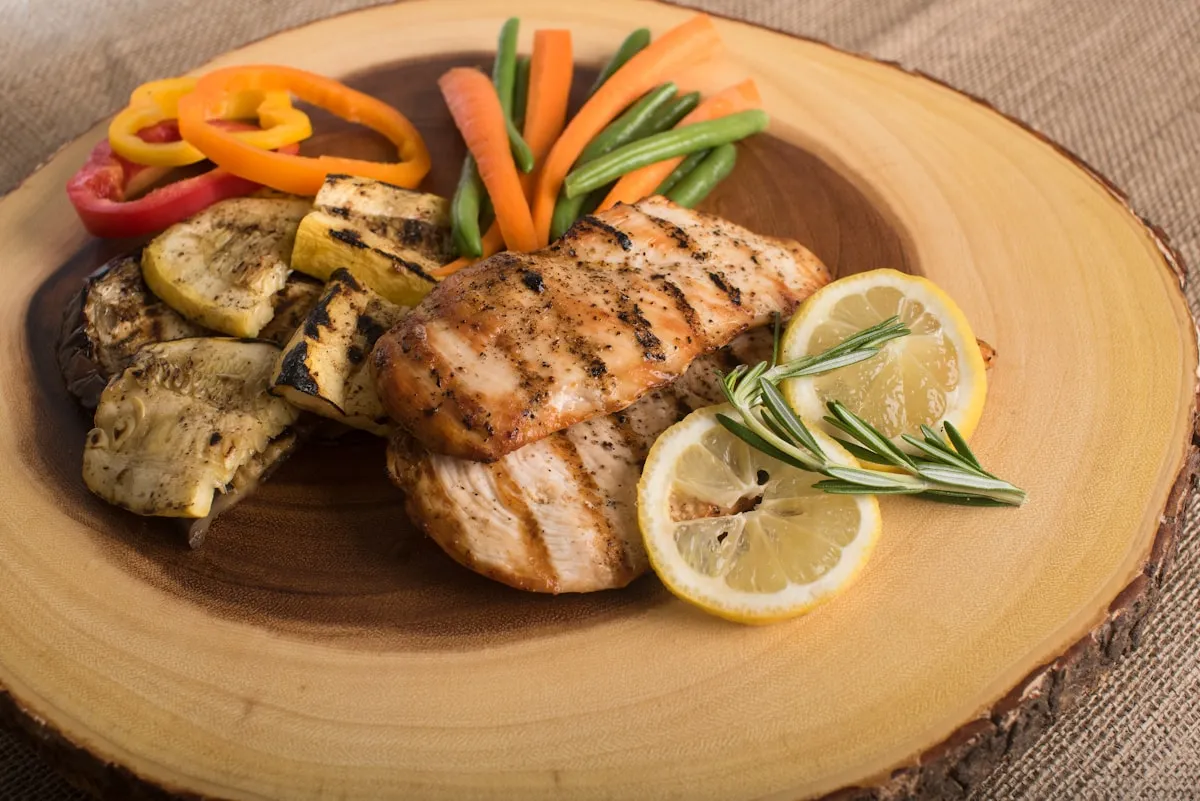
Next, consider the potatoes. While the chicken provides the protein, the potatoes act as a sponge for the rendered chicken fat, also known as schmaltz. This is liquid gold. However, if you crowd the pan, the potatoes will steam in the chicken’s juices rather than roast in its fat. Choose a wide, heavy-bottomed vessel: like a 12-inch cast-iron skillet or a large roasting pan: to ensure there is enough surface area for air to circulate. If the potatoes are piled on top of each other, they will end up mushy. Keep them in a single layer, surrounding the chicken like a golden moat.
Temperature control is your most powerful tool. Roasting at 400°F (200°C) provides the necessary heat to render the fat and crisp the skin while the internal temperature of the chicken climbs steadily. Use an instant-read thermometer. You are aiming for 165°F in the thickest part of the breast and 175°F in the thighs. Don't rely on the "clear juices" myth; physics doesn't lie, but a thermometer definitely won't. If you find your potatoes are lagging behind, simply remove the chicken to a cutting board once it hits the target temp and let the potatoes finish in the oven for another ten minutes. This also gives the chicken time to rest, allowing the muscle fibers to relax and the juices to redistribute, ensuring every bite is moist.
Mixing It Up: Variations for Every Table
While the lemon and rosemary combination is a classic for a reason, the beauty of one pot meals lies in their versatility. You can easily pivot the flavor profile to suit your mood or what’s currently lingering in your pantry.
If you’re looking for healthy dinner ideas that pack a bit more punch, consider a Mediterranean twist. Swap the rosemary for dried oregano and add a handful of Kalamata olives and cherry tomatoes to the pan during the last fifteen minutes of roasting. The tomatoes will burst, creating a light, acidic sauce that cuts through the richness of the chicken fat. Alternatively, go for a "swicy" (sweet and spicy) profile by whisking together a bit of honey, Dijon mustard, and a pinch of red chili flakes to brush onto the chicken during the final stages of cooking.
For those who prefer smaller cuts, you can adapt this technique for chicken thighs or drumsticks. These pieces are more forgiving than a whole bird and are excellent for quick family meals when you don't have an hour to wait for a whole chicken to roast. If you have an air fryer, you can even translate these principles into air fryer recipes dinner by cutting the potatoes into smaller cubes to match the faster cook time of the chicken pieces in a convection environment. Just remember the golden rule: do not overcrowd the basket.
Perfect Pairings: Balancing the Plate
Because this dish is rich with rendered fat and starchy potatoes, your side dishes should focus on high acidity and crisp textures to provide balance. A heavy meal needs a light companion.
A simple arugula or watercress salad tossed in a sharp lemon-tahini dressing or a basic red wine vinaigrette is often all you need. The peppery bite of the greens acts as a palate cleanser between bites of the savory chicken. If you want something warm, consider quick-seared green beans or asparagus. The key is to keep the preparation minimal so it doesn't detract from the ease of the one-pot main.
For a more soulful touch, serve the chicken and potatoes with a side of crusty sourdough. You’ll want something to mop up the lemon-herb infused juices left at the bottom of the pan. If you're following a specific dietary path and looking for healthy dinner ideas, a side of steamed broccolini with a heavy squeeze of fresh lemon juice will provide the necessary fiber and brightness without adding unnecessary calories.
Common Kitchen Queries: FAQ
Can I use starchy potatoes like Russets for this?
Avoid them if you can. Russets have a high starch content and a dry, mealy texture that tends to fall apart during a long roast. For one pot meals, you want a waxy or "all-purpose" potato like Yukon Gold or Red Bliss. These hold their shape better and develop a creamy interior that contrasts perfectly with a crisp exterior.
My chicken is done but the potatoes are still hard. What happened?
This usually comes down to the size of the potato pieces or the pan density. If you cut your potatoes into large chunks, they will naturally take longer to cook than the chicken. Next time, cut them into 1-inch pieces or halves. If it's already happened, simply take the chicken out to rest and turn the oven up to 425°F to finish the potatoes.
Why is my chicken skin rubbery instead of crisp?
The culprit is almost always steam. Check two things: did you pat the skin bone-dry before seasoning? And is your pan too small? If the potatoes and chicken are packed too tightly, the moisture released during cooking creates a "sauna" effect. Use a larger pan and skip the foil lid.
Is it okay to use lemon juice instead of whole slices?
Use both. The slices caramelize in the oven, providing a concentrated, sweet-tart flavor that you can’t get from juice alone. The juice is best used as a finishing touch once the dish comes out of the oven to wake up all the flavors.
Can I make this as one of my 'quick family meals' by using a pre-cooked rotisserie chicken?
Not really: at least not with this specific roasting method. This dish relies on the raw chicken juices flavoring and cooking the potatoes. If you use a pre-cooked bird, the potatoes won't have the same depth of flavor, and you'll likely dry out the chicken before the potatoes are tender. If you're in a rush, stick to chicken thighs; they cook much faster than a whole bird.
What if I don't have fresh herbs?
While fresh rosemary and thyme are non-negotiable for the "soulful" element of this dish, you can use dried herbs in a pinch. Just remember that dried herbs are more concentrated, so use about one-third of the amount. Rub them between your palms before adding them to the oil to "wake up" the essential oils.
Should I wash my chicken before roasting?
Avoid this at all costs. Washing chicken does not kill bacteria; it only splashes it across your sink and countertops. The high heat of the oven is what makes the food safe. Focus on drying the skin with paper towels and washing your hands thoroughly instead.
For more one-pan inspiration, check out our guide on achieving a glossy sauce in one-pot pasta or explore our kielbasa air fryer roast for another take on effortless weeknight comfort.
{“@type”:”BlogPosting”,”image”:[“https://cdn.marblism.com/yDEl7yGle2l.webp”,”https://cdn.marblism.com/_A23Q33ilFT.webp”,”https://cdn.marblism.com/u-elhI-OhYg.webp”,”https://cdn.marblism.com/dx9arrAmlfn.webp”],”author”:{“name”:”Cookpedia”,”@type”:”Organization”},”@context”:”https://schema.org”,”headline”:”One-Pot Lemon Herb Roasted Chicken & Potatoes”,”publisher”:{“logo”:{“url”:”https://cdn.marblism.com/KxroJ1kM_KA.webp”,”@type”:”ImageObject”},”name”:”Cookpedia”,”@type”:”Organization”},”description”:”Learn the science and technique behind the perfect one-pot lemon herb roasted chicken and potatoes. Achieve crispy skin and golden potatoes with these simple minimalist tips.”,”datePublished”:”2026-06-08″,”mainEntityOfPage”:{“@id”:”https://cookpedia.com/one-pot-lemon-herb-roasted-chicken-potatoes”,”@type”:”WebPage”}}