Recipe
Servings
Servings 1×
Cook 3 min
Ingredients
- Chicken
- Beans
- Pasta
- Potatoes
- Sweet potatoes
- Cauliflower
- Broccoli
- Green beans
- Carrots
- Garlic
- Lemon
- Hard cheese
- Feta
Method
- Use bone-in, skin-on thighs exclusively for this method.
- Use a large enough vessel to allow for airflow between each piece.
- Let the dish sit for five minutes before serving.
- Keep it light, bright, and crunchy.
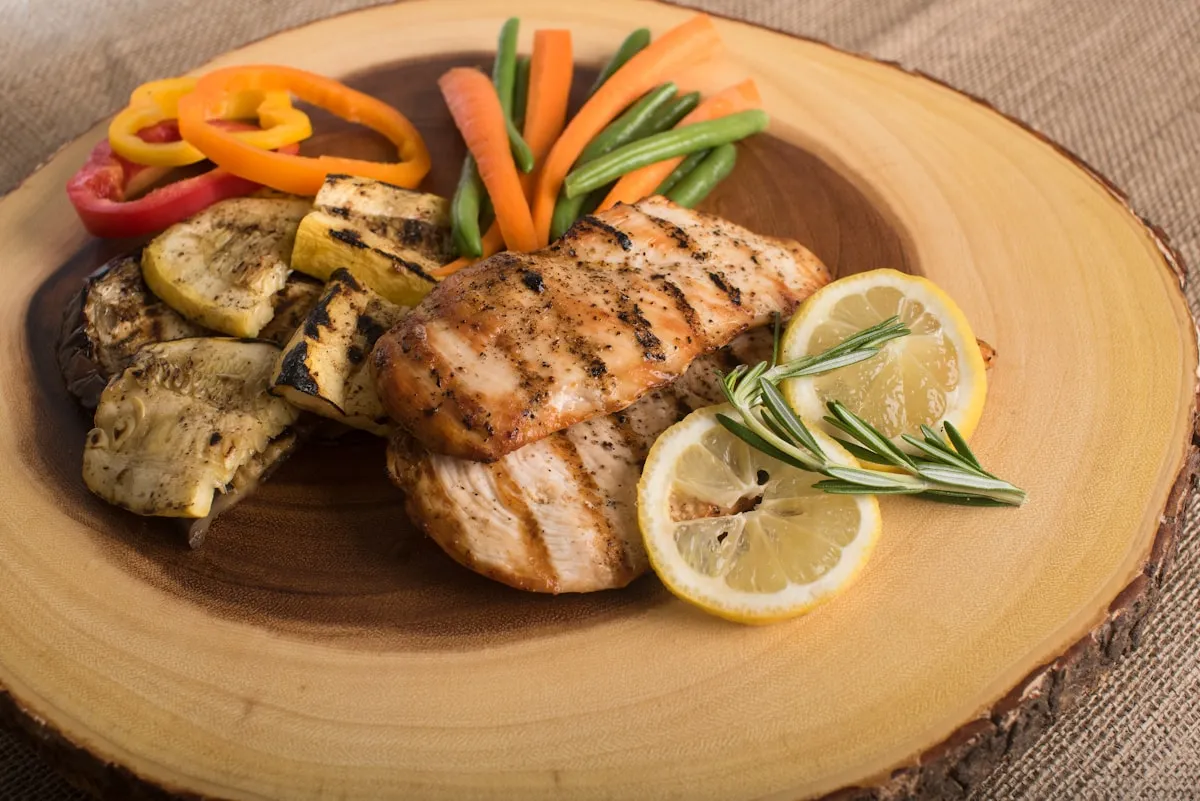
There is something inherently comforting about a meal that takes care of itself while you reclaim your evening. When it comes to one pot meals, the combination of lemon, rosemary, and chicken is a classic for a reason, it’s bright, savory, and remarkably low-effort. This dish is a staple for anyone seeking quick family meals that don't compromise on flavor or nutrition. By roasting everything together, you allow the chicken fat to baste the potatoes, creating a depth of flavor that a standard pan-fry simply cannot match. If you are looking for healthy dinner ideas that satisfy the soul, this rustic roast is your answer.
The Science of Crisp Skin and Creamy Potatoes
Achieving the perfect contrast between a shatteringly crisp chicken skin and a buttery, creamy potato interior isn't luck; it’s physics. To master this, you must understand the Maillard reaction, the chemical reaction between amino acids and reducing sugars that gives browned food its distinctive flavor. This reaction kicks into high gear at temperatures above 285°F (140°C), but since the surface of the chicken is moist, you need much higher oven heat to evaporate that moisture before browning can occur.
Start with high heat. Set your oven to at least 425°F. At this temperature, the rendered fat from the chicken thighs acts as a frying medium for the skin. Use bone-in, skin-on thighs exclusively for this method. The bone acts as an insulator, ensuring the meat stays succulent while the exterior withstands the intense heat required for crisping. Avoid using boneless breasts here; they will dry out long before your potatoes reach the desired level of tenderness.
Manage moisture with precision. If you pack the pan too tightly, the water vapor escaping from the chicken and potatoes will get trapped, effectively steaming your dinner instead of roasting it. Use a large enough vessel to allow for airflow between each piece. Check that your potatoes are cut into uniform halves or quarters. Smaller pieces increase the surface area available for browning and ensure they finish cooking at the exact moment the chicken reaches its safe internal temperature.
Don't ignore the power of citrus acidity. Lemon juice does more than just add a high note of flavor; it helps break down the connective tissues in the chicken and prevents the potatoes from becoming overly mushy. The acid provides a structural "snap" to the dish. For the best results, use fresh rosemary. Dried herbs are fine in a pinch, but the volatile oils in fresh rosemary withstand the high-heat roasting process much better, infusing the rendered fat with an earthy, pine-like aroma that defines this meal.
Lastly, consider the "resting" phase as part of the cooking process. Once you remove the pan from the oven, the residual heat continues to cook the center of the chicken while the skin begins to set. Let the dish sit for five minutes before serving. This allows the juices to redistribute within the meat, ensuring that every bite is as juicy as the last.
Flavor Variations and Ingredient Swaps
The beauty of one pot meals lies in their versatility. While lemon and rosemary are the gold standard, you can easily pivot based on what is in your pantry.
- The Mediterranean Twist: Swap rosemary for dried oregano and add halved Kalamata olives and chunks of feta cheese during the last ten minutes of roasting. The saltiness of the olives cuts through the richness of the chicken fat beautifully.
- Root Vegetable Medley: If baby potatoes aren't available, use carrots, parsnips, or sweet potatoes. Just ensure they are chopped into 1-inch chunks to match the cooking time of the chicken.
- Citrus Alternatives: Try using Meyer lemons for a sweeter, less aggressive acidity, or even blood oranges for a stunning visual and a floral undertone.
- The Quick Heat Method: While this is a classic oven roast, those looking for air fryer recipes dinner solutions can adapt this by using the air fryer's convection power. You will need to cook in smaller batches, but the circulating air produces even crispier skin in about two-thirds of the time.
Perfect Side Dish Pairings
While this is a complete meal on its own, adding a strategic side dish can elevate the entire experience. The key here is balance. Since the chicken and potatoes are rich and savory, you want a side that offers high acidity or a bitter edge to cleanse the palate.
A simple arugula salad tossed with a sharp lemon vinaigrette and shaved parmesan is the ideal companion. The peppery bite of the arugula cuts right through the rendered chicken fat. Alternatively, consider quick-steamed green beans or sautéed broccolini with plenty of garlic. These green additions keep the plate within the realm of healthy dinner ideas while providing a necessary textural contrast to the soft, roasted potatoes. Avoid heavy, creamy sides like mashed cauliflower or pasta; you already have the starch and fat covered. Keep it light, bright, and crunchy.
Frequently Asked Questions
Why did my chicken skin turn out rubbery instead of crispy?
Rubbery skin is almost always caused by trapped moisture or insufficient heat. Ensure the chicken is patted dry with paper towels before it enters the pan. If the skin is wet, the oven’s energy is wasted on evaporating that surface water rather than browning the skin. Also, check your oven temperature with an external thermometer. Many ovens run cool, and if you're roasting at 375°F instead of 425°F, you'll never get that satisfying crunch.
Can I use chicken breasts instead of thighs?
Technically, yes, but it is not recommended for this specific technique. Chicken breasts are leaner and cook much faster than thighs and potatoes. By the time your potatoes are tender, the breasts will likely be overcooked and dry. If you must use breasts, add them to the pan 15 minutes after the potatoes have started roasting to give the vegetables a head start.
Should I peel the baby potatoes?
Keep the skins on! The skins of baby potatoes are thin and provide a wonderful texture when roasted. They also hold the potato together, preventing it from turning into mash in the pan. Furthermore, the skin is where much of the fiber and nutrients reside, making this a better choice for quick family meals that prioritize health.
How do I prevent the garlic from burning?
Garlic can turn bitter if it burns during a long roast. To avoid this, keep the cloves in their skins (smash them slightly to release the oils) or tuck them underneath the chicken pieces. This shields them from the direct heat while still allowing their flavor to infuse the surrounding oil and potatoes.
My potatoes are cooked but not browned. What happened?
This usually happens if the pan is overcrowded. When potatoes are packed too tightly, they steam in their own juices. Use a larger roasting pan or a sheet tray to give them space. If you find yourself in this situation at the end of the cooking time, turn on the broiler for 2-3 minutes. Watch it like a hawk to ensure the chicken skin doesn't go from golden to burnt.
Is it safe to roast the lemon slices with the chicken?
Absolutely. Roasting lemons mellows their tartness and caramelizes their natural sugars. You can even eat the roasted slices if they are sliced thinly enough! They add a concentrated punch of citrus that is much more complex than raw juice.
For more inspiration and a full library of accessible dishes, explore our latest recipe collection. Cooking great food shouldn't be complicated; sometimes, all you need is one pot and the right technique.