Recipe
Servings
Servings 1×
Ingredients
- Chicken
- Tofu
- Rice
- Cauliflower
- Peas
- Corn
- Cucumber
- Garlic
- Fresh ginger
- Lime
- Honey
- Peanut butter
- Cooking oil
- Soy sauce or tamari
- Sesame
- Black pepper
Method
- Use a high-smoke-point oil like grapeseed or peanut oil.
- Let it sit for 60 seconds to develop that golden crust.
- Slice your chicken breast against the grain into thin, uniform strips.
- Add your sauce at the very end.
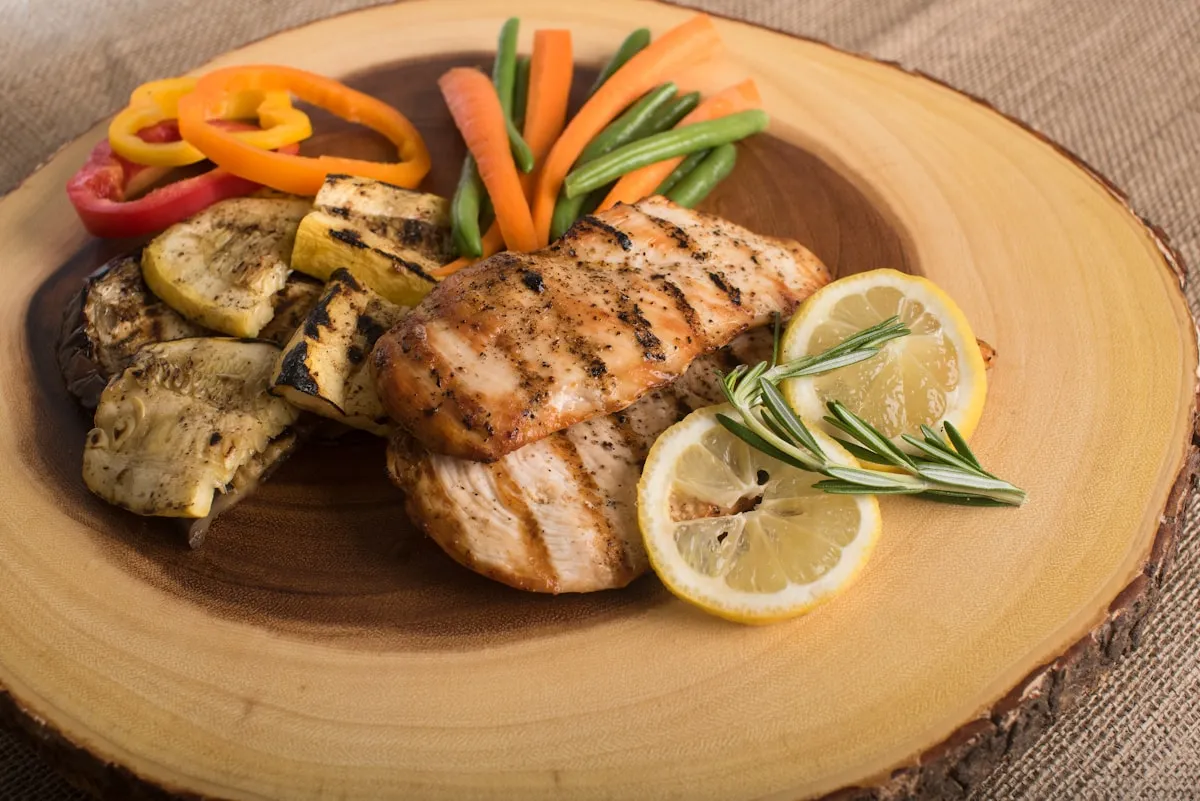
You know those nights when the clock is ticking, your stomach is growling, and the thought of waiting for a delivery driver makes you want to weep? I’ve been there more times than I care to admit. This is exactly why my kitchen repertoire leans heavily on 15 minute meals. You don’t need an hour and a sink full of dishes to create something soul-warming. This Teriyaki Chicken Stir-Fry is my go-to "emergency" dinner that tastes like a triumph rather than a compromise.
The Science of the Sizzle: Tips & Techniques
When you’re aiming for restaurant-quality stir-fry at home, you have to respect the science of heat. Most home cooks fail because they treat their skillet like a slow cooker. If you want that characteristic "wok hei" (breath of the wok) or at least a decent sear, you need to understand the Maillard reaction. This is the chemical dance between amino acids and reducing sugars that creates that savory, browned crust on your chicken.
Use a high-smoke-point oil like grapeseed or peanut oil. Avoid extra virgin olive oil here; it will smoke and turn bitter before you even get the chicken in the pan. Get your skillet screaming hot, if a drop of water doesn't dance and evaporate instantly, you aren’t ready. Once the oil is shimmering, add your chicken in a single layer. Resist the urge to stir immediately! Let it sit for 60 seconds to develop that golden crust. If you crowd the pan, the temperature drops, the juices leak out, and you end up "graying" your meat instead of searing it. Work in batches if you have to; it actually saves time in the long run by preventing a soggy mess.
Check your knife work before you even turn on the stove. This recipe moves at a breakneck pace, so "mise en place" (everything in its place) is non-negotiable. Slice your chicken breast against the grain into thin, uniform strips. Slicing against the grain shortens the muscle fibers, ensuring every bite is tender rather than rubbery. Similarly, slice your bell peppers into thin batons so they soften just enough to lose their raw edge while maintaining a satisfying crunch.
The magic of a homemade glaze lies in the balance of viscosity and flavor. While many store-bought sauces rely on high-fructose corn syrup, your homemade version uses the power of cornstarch and heat. Cornstarch molecules are like tiny sponges; when heated in the presence of liquid, they swell and link together to create a thick, glossy coat. Add your sauce at the very end. The residual heat from the pan and the chicken will activate the starch in seconds. If you let it boil too long, the starch bonds can actually break down, turning your beautiful glaze back into a thin soup. Watch for the sauce to go from opaque to clear and shiny, that is your cue to pull it off the heat.
Flavor Profiles and Variations
Cooking is a conversation, not a monologue, so feel free to talk back to this recipe. The standard teriyaki profile is a tug-of-war between salty soy and sweet honey or mirin. If you find the sauce too cloying, introduce acidity. A splash of rice vinegar or a squeeze of fresh lime juice at the end can cut through the sugar and brighten the whole dish. This balance is a cornerstone of healthy dinner ideas because it relies on high-impact aromatics rather than excessive fats.
For a plant-based twist, swap the chicken for extra-firm tofu. The technique remains the same: press the tofu well to remove moisture, then sear until crispy. If you are looking for quick family meals that cater to different diets, this sauce is incredibly versatile. For a keto-friendly version, replace the honey with a monk fruit sweetener and use liquid aminos instead of soy sauce to keep the sodium in check while maintaining that deep umami hit.
If you like a bit of heat, don't just reach for the red pepper flakes. Grate fresh ginger and garlic directly into the pan right before you add the sauce. The volatile oils in fresh ginger provide a sophisticated, zesty heat that pairs perfectly with the sweetness of the bell peppers. For an earthy depth, toss in a handful of snap peas or sliced bok choy during the last two minutes of cooking.
Perfect Pairings
A stir-fry is a star that needs a supporting cast to shine. The classic choice is steamed jasmine rice, its floral aroma and fluffy texture are the perfect canvas for that extra teriyaki glaze. If you’re in a rush, use a microwaveable pouch of brown rice; the nutty flavor adds a great dimension.
For those keeping things light, cauliflower rice is a fantastic alternative. Sauté it quickly in a separate pan with a touch of sesame oil to mimic the texture of grain. If you want a side that provides a temperature contrast, try a smashed cucumber salad dressed with rice vinegar and sesame seeds. The cold, crisp acidity of the cucumbers cleanses the palate between bites of the rich, warm chicken. While this isn't one of my air fryer recipes dinner specialists, you could certainly air-fry some frozen spring rolls on the side for that extra crunch.
Frequently Asked Questions
Why did my chicken turn out tough and dry?
You likely overcooked it or sliced it with the grain. Chicken breast is very lean and has zero margin for error. As soon as it’s no longer pink in the middle, it’s done. Remember that it will continue to cook for a minute or two after you add the sauce and take it off the flame. Use a meat thermometer if you’re unsure; 165°F (74°C) is the target, but I usually pull mine at 160°F and let carry-over cooking do the rest.
Can I use chicken thighs instead of breast?
Absolutely. In fact, many chefs prefer thighs because the higher fat content makes them more forgiving and flavorful. They will take a few extra minutes to sear, but they are much harder to dry out. If you are looking for more quick family meals that are budget-friendly, thighs are often the winner.
My sauce is too thick and looks like jelly. What happened?
You either used too much cornstarch or let it reduce too long on the heat. Don’t panic! Simply whisk in a tablespoon of water or low-sodium chicken broth at a time until you reach the desired consistency. The heat will re-incorporate the liquid into the starch network.
How do I prevent the garlic from burning?
Garlic has a high sugar content and very little water, meaning it burns almost instantly at stir-fry temperatures. Never add your garlic at the beginning with the meat. Add it during the last 30 seconds of the vegetable sauté, just before the sauce goes in. This is enough time to bloom the flavor without turning it into bitter black charcoal.
What if I don't have a wok?
A wide, heavy-bottomed stainless steel or cast-iron skillet works perfectly. The key isn't the shape of the pan, but the surface area and heat retention. Avoid non-stick pans if you can; most aren't designed for the high heat required for a proper sear, and the coating can degrade over time.
Can I meal prep this?
Yes, though the peppers will lose their snap upon reheating. If you're planning for leftovers, undercook the vegetables slightly. When you reheat it in the microwave the next day, the vegetables will finish cooking without becoming mushy. It’s one of those healthy dinner ideas that actually tastes better the next day as the ginger and garlic infuse further into the sauce.