Recipe
Servings
Servings 1×
Ingredients
- Chicken
- Salmon
- Shrimp
- Orzo
- Pasta
- Bread
- Asparagus
- Spinach
- Kale
- Tomatoes
- Garlic
- Lemon
- Feta
- Butter
- Cooking oil
- Salt
- Black pepper
Method
- Pat your chicken bone-dry with a paper towel before it hits the pan.
- Use a high-smoke-point oil and leave the chicken alone for at least four or five minutes.
- Heat can dull the bright notes of citrus, so a final squeeze just before serving is non-negotiable for the best results.
There is something undeniably soulful about a meal that comes together in a single pan. If you are like me, the last thing you want after a long day is a mountain of dishes staring back at you. This One-Pot Lemon Garlic Chicken and Orzo is the ultimate answer to those nights. It is elegant enough for a weekend dinner but fast enough to fit into your rotation of quick family meals. It is bright, savory, and satisfying, proving that real food doesn’t need to be complicated to be extraordinary.
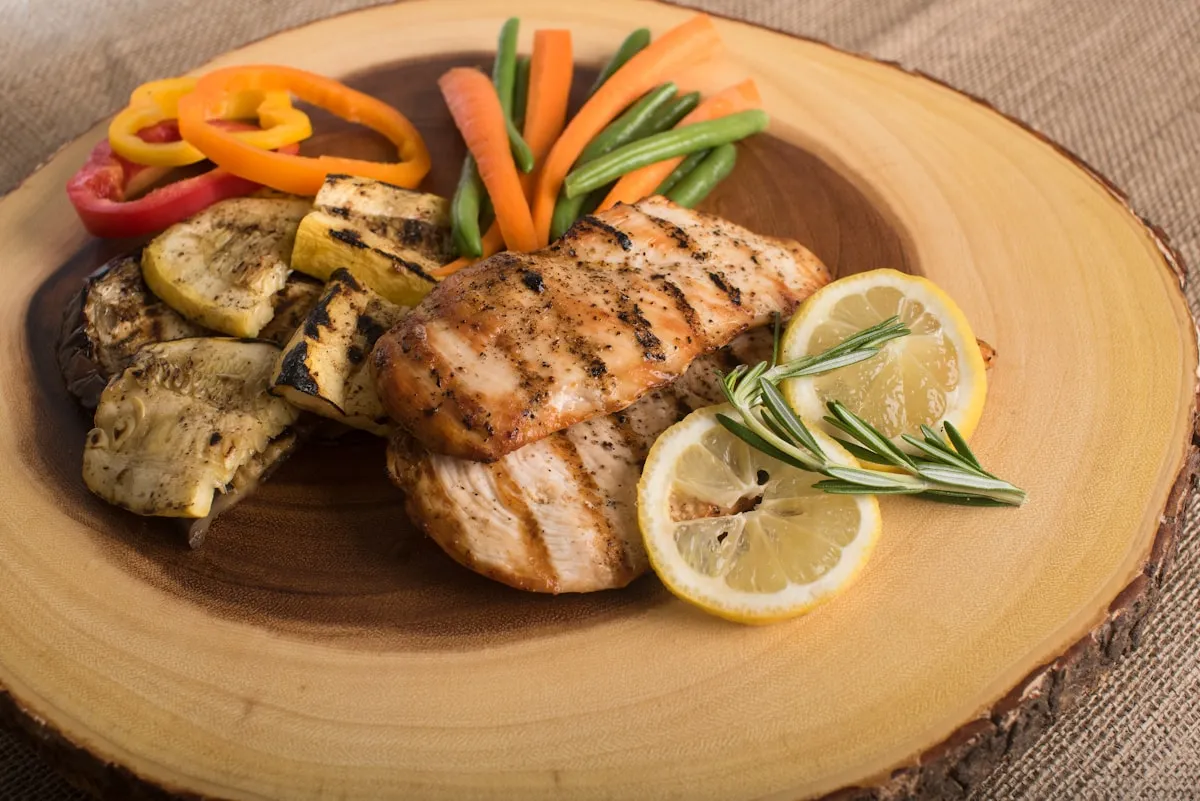
Mastering the Science of the One-Pot Pan
The magic of this dish isn't just in the convenience; it's in the layers of flavor built within the same four walls of your skillet. To get this right, you must understand the "why" behind the process.
The Maillard Reaction: Don't Skip the Sear
First, focus on your chicken. Searing is not just about color; it is about chemistry. The Maillard reaction occurs when proteins and sugars on the surface of the meat are heated, creating hundreds of different flavor compounds. Pat your chicken bone-dry with a paper towel before it hits the pan. Moisture is the enemy of a good crust; if the chicken is wet, it will steam instead of sear. Use a high-smoke-point oil and leave the chicken alone for at least four or five minutes. Resist the urge to peek! When it releases easily from the pan, you’ve achieved that golden-brown flavor foundation.
The Power of the Fond
Once you remove the chicken, look at the bottom of your pan. Those brown bits stuck to the surface are what chefs call "fond." This is concentrated flavor gold. When you eventually add your liquid, these bits dissolve, infusing every single grain of orzo with a deep, savory richness that you simply can’t get from a box of broth alone. This is the cornerstone of why one-pot meals are often more flavorful than multi-pot versions.
Toasting Your Orzo: Why It Matters
Before adding any liquid, you must toast your dry orzo in the remaining fat. Treat it like risotto. Toasting the pasta for two or three minutes until it smells nutty and looks slightly golden does two things. First, it adds a complex, toasted flavor. Second, it creates a protective barrier of fat around each grain, which helps the orzo maintain its structural integrity. This prevents the pasta from becoming a gummy, mushy mess as it absorbs the stock.
Emulsification and Acid Balance
The final technical hurdle is the sauce. As the orzo cooks, it releases starches into the liquid. By the end of the cooking time, you are left with a naturally creamy sauce. However, starch and fat (from the chicken and butter) can feel heavy on the palate. This is where the lemon comes in. Acidity acts as a "brightener." It cuts through the richness and lifts the other flavors. Always add your fresh lemon juice at the very end to keep the flavor vivid and sharp. Heat can dull the bright notes of citrus, so a final squeeze just before serving is non-negotiable for the best results.
Flavor Variations and Creative Swaps
While the lemon-garlic-chicken triad is a classic, you can easily adapt this dish to fit whatever is in your fridge. If you are looking for more healthy dinner ideas, try folding in two large handfuls of fresh baby spinach or chopped kale during the last two minutes of simmering. The residual heat will wilt the greens perfectly without turning them to gray mush.
For a Mediterranean twist, stir in some sun-dried tomatoes and top the finished dish with crumbled feta cheese. The saltiness of the feta creates a beautiful contrast with the bright lemon. If you prefer seafood, you can swap the chicken for shrimp or even chunks of salmon. If using salmon, sear it quickly, remove it, and only add it back for the final 60 seconds of cooking so it remains buttery and tender. You can even find inspiration from our creamy salmon pasta bowl if you want to explore different protein pairings.
If you have leftovers of the chicken and want a different texture the next day, consider using your air fryer to crisp up the chicken skin or edges. While we usually stick to the skillet for this recipe, many air fryer recipes dinner fans find that a quick blast of dry heat can revive day-old chicken beautifully.
The Perfect Side Dish Pairings
Since this is a hearty, starch-based meal, your side dishes should focus on crunch and high acidity to balance the creaminess of the orzo.
- Charred Asparagus: A quick sear in a separate pan (or even under the broiler) with a hint of salt and more lemon zest provides a snappy texture that contrasts the soft orzo.
- Simple Arugula Salad: Toss baby arugula with a very basic vinaigrette of olive oil, lemon juice, and a pinch of black pepper. The peppery bite of the greens is the perfect foil for the garlic-heavy chicken.
- Crusty Sourdough: If you aren't counting carbs, a thick slice of toasted sourdough is essential for mopping up any leftover lemon-garlic sauce at the bottom of your bowl.
Frequently Asked Questions
Why did my orzo turn out mushy?
Mushy orzo is usually the result of two things: overcooking or skipping the toasting step. Orzo is a pasta, not a grain, so it has a specific window of "al dente" perfection. Check your orzo two minutes before the package instructions suggest it should be done. Remember that it will continue to cook slightly in the residual heat even after you turn off the burner.
Can I use chicken breasts instead of thighs?
Yes, you can, but proceed with caution. Chicken breasts are much leaner and can dry out quickly. If using breasts, I recommend pounding them to an even thickness before searing. This ensures the entire piece of meat cooks at the same rate, preventing the thin ends from turning into rubber while the center finishes.
My sauce is too thick. How do I fix it?
As the dish sits, the orzo will continue to soak up moisture. If the pan looks a bit dry or the sauce is clumping, simply stir in a splash of warm chicken stock or even a tablespoon of hot water. This will "loosen" the starches and restore that silky, creamy consistency.
Can I make this dairy-free?
Absolutely. The creaminess in this dish actually comes mostly from the orzo starch, not necessarily from heavy cream or butter. You can sear the chicken in olive oil and skip the final addition of butter or Parmesan. The lemon and garlic provide enough flavor profile that you won't feel like you are missing out on anything.
Is this a good meal prep option?
This is one of my favorite quick family meals to prep ahead, but keep in mind that orzo absorbs liquid over time. If you are reheating this the next day, add a tiny splash of water or broth before popping it in the microwave or back on the stove. This brings the sauce back to life and keeps the chicken juicy.
{“@type”:”FAQPage”,”@context”:”https://schema.org”,”mainEntity”:[{“name”:”Why did my orzo turn out mushy?”,”@type”:”Question”,”acceptedAnswer”:{“text”:”Mushy orzo is usually caused by overcooking or failing to toast the dry grains in fat before adding liquid. Toasting creates a barrier that helps the pasta maintain its shape.”,”@type”:”Answer”}},{“name”:”Can I use chicken breasts instead of thighs?”,”@type”:”Question”,”acceptedAnswer”:{“text”:”Yes, but pound them to an even thickness first to ensure they cook evenly and don’t dry out during the searing and simmering process.”,”@type”:”Answer”}},{“name”:”How do I fix a sauce that is too thick?”,”@type”:”Question”,”acceptedAnswer”:{“text”:”Simply stir in a splash of warm chicken stock or hot water to loosen the starches and return the sauce to a creamy consistency.”,”@type”:”Answer”}},{“name”:”Can I make this recipe dairy-free?”,”@type”:”Question”,”acceptedAnswer”:{“text”:”Yes. Use olive oil instead of butter and omit the Parmesan cheese. The starch from the orzo will still provide a naturally creamy texture.”,”@type”:”Answer”}}]}