Recipe
Servings
Servings 1×
Ingredients
- Chicken
- Pasta
- Noodles
- Rice
- Bread
- Potatoes
- Cauliflower
- Zucchini
- Mushrooms
- Spinach
- Greens
- Onion
- Garlic
- Fresh ginger
- Lemon
- Tahini
- Cream
- Butter
Method
- Let’s be honest: by the time 6:00 PM rolls around, the last thing anyone wants to do is play Tetris with fifteen different pans and a mountain of vegetable peelings.
- Brown your meat in the pot first, remove it, and then use the moisture from your vegetables to "deglaze", scraping up those tiny brown bits (the fond ) from the bottom.
- Use a wide skillet or a Dutch oven to allow steam to escape.
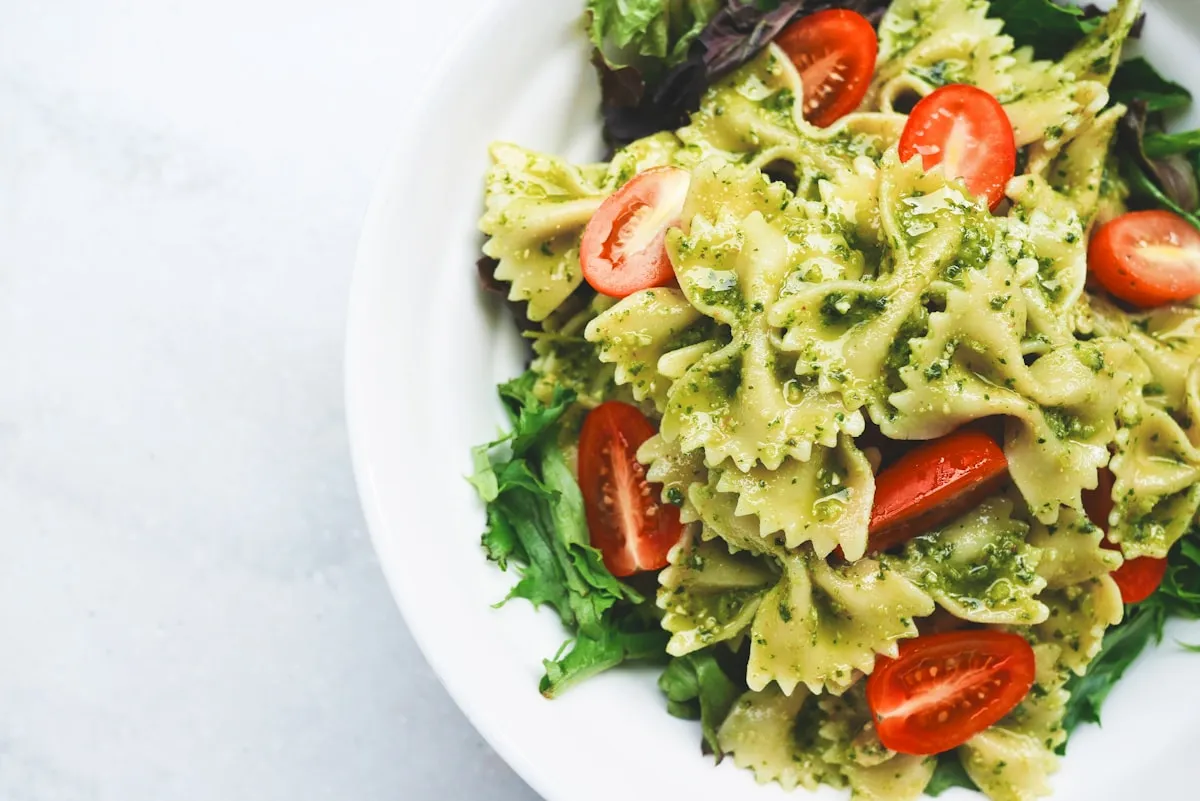
Let’s be honest: by the time 6:00 PM rolls around, the last thing anyone wants to do is play Tetris with fifteen different pans and a mountain of vegetable peelings. You want food that tastes like a Sunday roast but cleans up like a bowl of cereal. That is the magic of one pot meals. In my kitchen, efficiency isn't just a goal; it’s a survival tactic. Whether you are navigating a keto lifestyle or just trying to cut back on the heavy starches, mastering the art of the single vessel is your ticket to reclaiming your evening.
The Science of the Sear: Mastering One-Pot Flavors
When you remove heavy carbs like pasta or rice from the equation, you lose a lot of built-in "bulk," which means your protein and vegetables have to work twice as hard to deliver that deep, savory punch. This is where the Maillard reaction comes into play. If you just throw raw chicken and cold zucchini into a pot together, you’re going to end up with a sad, gray stew. To get that restaurant-quality depth, you must sear your proteins first.
Searing is non-negotiable. The Maillard reaction is a chemical process between amino acids and reducing sugars that happens around 285°F to 330°F. Since water boils at 212°F, you can’t get browning in a liquid. Brown your meat in the pot first, remove it, and then use the moisture from your vegetables to "deglaze", scraping up those tiny brown bits (the fond) from the bottom. This is where the soul of your healthy weeknight dinners lives.
Moisture management is the second pillar of low-carb success. Vegetables like zucchini, mushrooms, and spinach are basically water balloons in disguise. If you overcrowd the pan, you drop the temperature, and instead of sautéing, you are steaming. Use a wide skillet or a Dutch oven to allow steam to escape. If you’re making something like a "one-pot lasagna" using zucchini slices, salt the zucchini beforehand and let them sit for ten minutes. This draws out excess cellular water through osmosis, ensuring your final dish isn't a puddle.
For those nights when even the stovetop feels like too much effort, I often turn to air fryer recipes dinner solutions. The high-velocity hot air mimics a convection oven but in a fraction of the space, which is perfect for keto-friendly proteins. It’s essentially a "one-basket meal" that keeps the mess contained while delivering that crispy texture we crave when breading is off the table.
Low-Carb Swaps and Texture Variations
The biggest hurdle with healthy dinner ideas that skip the grains is the "mouthfeel" factor. We miss the chew of pasta or the fluff of rice. To fix this, you need to think about structural substitutions.
- The Cabbage Crunch: Thinly sliced cabbage is the unsung hero of quick family meals. When sautéed quickly in a single pan with ground beef and ginger, it retains a bite that mimics noodles but carries way more nutritional weight.
- Cauliflower "Rice" Dynamics: If you are using riced cauliflower in a one-pot setting, do not add it at the beginning. It needs about three to four minutes to reach peak texture. Any longer, and the sulfur compounds start to release, giving you that "cafeteria" smell we all want to avoid.
- Zoodle Integrity: If you’re craving a bolognese, use a spiralizer for zucchini. The trick? Don’t actually "cook" them in the sauce. Toss them in at the very last second, let the residual heat soften them, and serve immediately.
If you aren't strictly low-carb today and find yourself craving something a bit more traditional, you might want to check out our viral garlic butter ramen hack for a different kind of quick fix. But for the low-carb warriors, sticking to these fibrous swaps keeps the glycemic index low while keeping the flavor ceiling high.
Balancing the Plate: Side Dish Pairings
Even the best one pot meals can feel a bit "heavy" if they are loaded with fats and proteins. To achieve a balanced palate, you need to introduce acidity and freshness. A heavy, cheesy zucchini lasagna or a creamy chicken skillet cries out for a sharp contrast.
Think about a simple arugula salad with a lemon-tahini dressing. The bitterness of the greens and the citric acid from the lemon cut straight through the richness of the main dish. Avoid starchy sides like bread or potatoes; instead, opt for quick-pickled cucumbers or a cold radish slaw. The goal is to provide a "palate cleanser" effect between bites, which makes the main meal feel more sophisticated and less like a chore to eat.
Technical FAQ: Troubleshooting Your One-Pot Success
Why does my one-pot meal always turn out watery?
This usually happens because of "veggie sweating." Low-carb staples like zucchini and bell peppers release a massive amount of water as their cell walls break down during cooking. To prevent this, cook your aromatics (onions/garlic) first, then add your "wet" vegetables over high heat to evaporate the moisture as it's released. Never lid the pot if you’re trying to reduce a sauce.
Can I use frozen vegetables in a one-pot dish?
Yes, but with a caveat. Frozen vegetables are often blanched before freezing, meaning their cell structures are already weakened. They will release water faster than fresh ones. If you're aiming for quick family meals, add frozen veggies towards the end of the cooking process so they heat through without turning into mush.
My meat is tough even though it’s been simmering. What happened?
This is a classic "temperature vs. time" issue. If you’re using lean cuts like chicken breast in healthy dinner ideas, they will dry out if simmered too long. Lean proteins should be seared and then added back at the very end. If you’re using tougher cuts like chuck roast, they need low and slow heat to break down the collagen. Match your protein to your cooking time!
Is it safe to cook acidic foods (like tomato sauce) in my cast iron?
If your skillet is well-seasoned, a quick 20-minute "one-pot" simmer won't hurt it. However, for long, slow-simmered sauces, stick to stainless steel or enameled cast iron. The acid can react with the iron, giving your food a metallic tang and stripping your hard-earned seasoning.
How do I thicken a sauce without flour or cornstarch?
Welcome to the world of reduction! The most natural way is to simply let the liquid simmer uncovered until the water evaporates, concentrating the fats and flavors. If you need a shortcut, a tablespoon of heavy cream or a dollop of cream cheese can emulsify the pan juices into a silky sauce instantly. Alternatively, pureeing a small portion of the cooked vegetables and stirring them back in adds thickness without the carb count.
Mastering healthy weeknight dinners doesn't require a culinary degree: just a solid pan and a little bit of respect for the science of heat. By focusing on browning your proteins, managing your moisture, and choosing the right swaps, you can turn a chaotic Tuesday night into a gourmet experience. Now, get that skillet hot and start searing!