Recipe
Servings
Servings 1×
Ingredients
- Tofu
- Chickpeas
- Quinoa
- Bread
- Zucchini
- Tomatoes
- Onion
- Lemon
- Honey
- Mustard
- Feta
- Cooking oil
- Sesame
- Black pepper
Method
- Let’s be honest: quinoa has a reputation for being the "cardboard" of the health food world.
- Rinse your quinoa thoroughly.
- Use the "froth test." If the water running off the seeds looks like soapy suds, keep going.
- Toast the dry seeds in a pan for two minutes before adding liquid.
- Use a mustard or a bit of honey as an emulsifier.
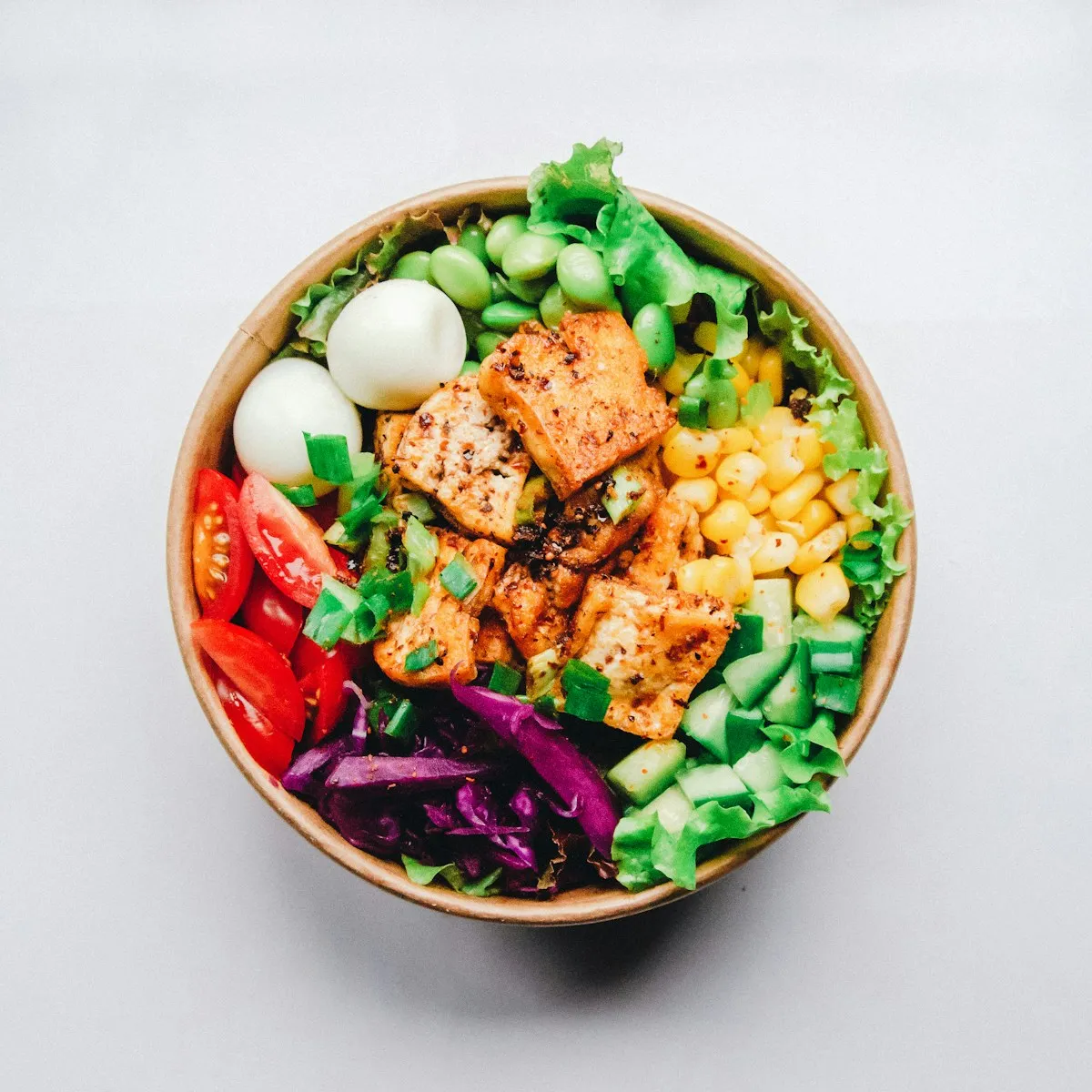
Let’s be honest: quinoa has a reputation for being the "cardboard" of the health food world. If you’ve ever tucked into a bowl only to find it tastes like soapy dirt, I don’t blame you for reaching for the takeout menu. But here’s the thing, it isn’t the grain’s fault; it’s the chemistry. When treated with a bit of scientific respect, a Mediterranean Quinoa Bowl becomes one of the most reliable quick family meals in your arsenal. It’s vibrant, protein-packed, and perfectly balanced between zesty acidity and earthy depth.
The Chemistry of the Bitter Seed
The first thing you need to understand about quinoa is that it doesn’t want to be eaten. Evolution is clever like that. These tiny seeds are coated in saponins, which are naturally occurring phytochemicals that act as a bitter defense mechanism against pests. If you don't remove them, that bitterness will ruin your dish.
Rinse your quinoa thoroughly. I’m not talking about a quick splash; I mean a vigorous massage in a fine-mesh sieve under running water. Use the "froth test." If the water running off the seeds looks like soapy suds, keep going. Science tells us that saponins are water-soluble, and mechanical agitation (your hands) speeds up the detachment process. Skipping this step is the difference between a gourmet meal and a bowl of regret.
Once rinsed, don't just dump it into boiling water. Treat it like risotto's distant, healthier cousin. Toast the dry seeds in a pan for two minutes before adding liquid. This triggers a mild Maillard reaction, the chemical process where amino acids and reducing sugars react under heat to create those nutty, complex flavors. You aren’t just boiling seeds; you’re developing a flavor profile.
Maillard and the Art of the Char
While your quinoa is simmering, you need to think about your vegetables. Texture is the secret weapon of any successful bowl. If everything is soft, your brain gets bored. You need the crunch of fresh cucumbers and the caramelized depth of roasted peppers or zucchini.
Roasting is where the magic happens. Aim for a high-heat environment, around 400°F (200°C), to maximize caramelization without turning the veggies to mush. If you’re short on time, you can even look into air fryer recipes dinner techniques to get that perfect char in half the time. The goal is to break down the complex carbohydrates into simple sugars, giving you that sweet, smoky edge that cuts through the saltiness of the feta cheese.
Check your roasting tray frequently. You want "browning," not "burning," though a few charred edges on your bell peppers provide a wonderful bitterness that mimics wood-fired cooking. If you want more inspiration for high-heat vegetable prep, check out our guide on the Sausage, Pepper, and Onion Medley.
The Physics of the Perfect Dressing
A Mediterranean bowl lives or dies by its vinaigrette. This isn't just about mixing oil and vinegar; it’s about creating a stable emulsion. When you whisk lemon juice (aqueous phase) with olive oil (lipid phase), you are forcing two liquids that hate each other to play nice.
Use a mustard or a bit of honey as an emulsifier. These molecules have a "water-loving" end and an "oil-loving" end, acting as a bridge that keeps your dressing creamy and unified rather than a greasy puddle at the bottom of the bowl. This emulsion ensures that every single grain of quinoa is coated in a thin layer of fat and acid, which is crucial for nutrient absorption, specifically the fat-soluble vitamins A and K found in your veggies.
Mediterranean Variations and Upgrades
One of the reasons I constantly recommend this dish when looking for healthy dinner ideas is its modularity. You aren't stuck with one flavor profile. The Mediterranean is a big place, and you can shift your bowl's "GPS coordinates" with a few simple swaps.
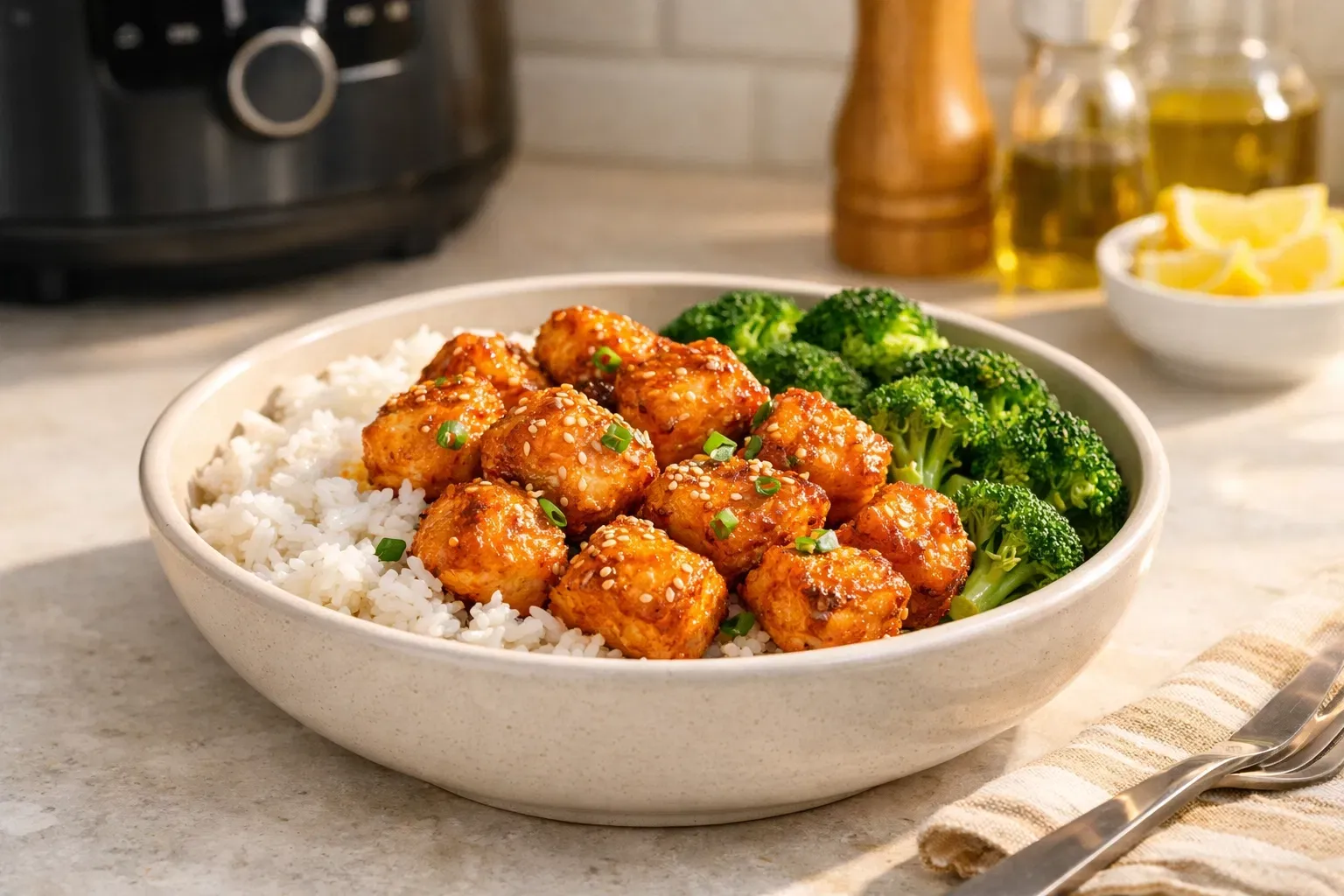
- The Protein Pivot: While chickpeas are the traditional choice, don't be afraid to experiment. Seared halloumi adds a salty, chewy texture that is practically addictive. If you’re leaning into a plant-based diet, crispy tofu, like our Sesame Tofu Bowl, is a fantastic protein boost that absorbs the vinaigrette beautifully.
- The Grain Swap: If quinoa isn't your speed, farro or bulgur wheat offer a more substantial, "toothsome" bite. Farro has a higher protein-to-carb ratio than most grains, making it a stellar choice for endurance-focused quick family meals.
- Regional Flavors: Go Moroccan by adding dried apricots, toasted almonds, and a dash of cumin. Or keep it strictly Greek with double the oregano and a heavy hand of Kalamata olives. The science of flavor pairing suggests that the saltiness of the olives and feta balances the natural sweetness of roasted tomatoes, creating a "perfect bite" every time.
Side Dish Pairings for a Complete Table
While the bowl is a complete meal on its own, sometimes you want to turn a simple dinner into a feast. The key to pairing is balance: if your bowl is acidic and bright, your sides should be creamy or crunchy.
Warm pita bread is a non-negotiable. Use it as a vessel for a side of hummus or baba ganoush. The creaminess of a chickpea puree provides a structural contrast to the individual grains of quinoa. If you’re feeling ambitious, a side of Air Fryer Kielbasa can add a smoky, savory element that makes the meal feel significantly more indulgent without losing its nutritional integrity.
For a lighter touch, a simple arugula salad with pine nuts and a balsamic glaze adds a peppery kick that clears the palate between bites of rich feta and olives. This layering of textures and flavors is what makes Mediterranean cuisine so enduringly popular.
Frequently Asked Questions
Why is my quinoa always mushy?
You are likely using too much water. The standard 2:1 ratio (two parts water, one part quinoa) is actually a recipe for disaster on most stovetops because it doesn't account for residual steam. Use a 1.5:1 ratio instead. Once the water is absorbed, remove it from the heat and let it sit covered for five minutes. This allows the steam to finish the job gently, keeping the germ (the little "tail") intact and the texture fluffy.
Can I meal prep this for the whole week?
Absolutely. In fact, quinoa is one of the few grains that holds its structure when cold. However, keep the dressing separate. Acids will break down the cell walls of your cucumbers and tomatoes over time, turning your crisp salad into a soggy mess by Wednesday. Store the grains and roasted veggies together, but keep the fresh items and dressing in their own containers.
Is quinoa actually better for me than rice?
From a glycemic index perspective, yes. Quinoa has a lower GI, meaning it breaks down more slowly in your bloodstream, preventing the dreaded "sugar crash." It’s also a complete protein, containing all nine essential amino acids that your body can’t produce on its own. This makes it one of the most efficient healthy dinner ideas for anyone trying to maintain muscle mass while eating plant-forward.
Can I cook the vegetables and quinoa together in one pot?
Avoid this. The moisture requirements and cooking times are completely different. Your veggies will turn to grey mush before the quinoa is even remotely edible. Respect the ingredients; cook your grains in the pot and your veggies in the oven (or use those air fryer recipes dinner hacks we talked about) to ensure every component maintains its structural integrity.
What if I hate olives?
Swap them for capers or pickled red onions. You need a "brine" element to cut through the fat of the olive oil and cheese. Without that acidic punch, the bowl will taste flat. Use pickled elements to provide that necessary contrast. Cooking is a science, but your palate is the ultimate laboratory. Experiment until you find the balance that works for you.