Recipe
Servings
Servings 1×
Ingredients
- Quinoa
- Bread
- Potatoes
- Sweet potatoes
- Carrots
- Kale
- Apple
- Onion
- Garlic
- Lemon
- Lime
- Balsamic vinegar
- Tahini
- Feta
- Butter
- Chili seasoning
- Salt
- Black pepper
Method
- Prepare the ingredients described in the article and heat the cooking surface or oven as directed.
- Cook the main ingredients using the heat and timing guidance in the article.
- Finish with the seasonings and garnishes named in the article, then serve.
If you’ve ever stared at a bowl of home-cooked grains and wondered why it tastes like sadness and cardboard, I have the answer: you’re missing the "zing." We often think salt is the only way to wake up a dish, but acid is the secret weapon that separates a boring lunch from a restaurant-quality meal. These Lemon Herb Quinoa Bowls are my favorite way to prove that healthy dinner ideas don't have to be bland. Welcome to recipe 12 of my 100-recipe mission to make you a better cook.
The Chemistry of Brightness: Acid and Herbs
Most home cooks treat lemon juice like an optional garnish. Stop doing that. Acid is a functional ingredient that changes the physical structure and flavor profile of your food. When you add lemon juice to a bowl of quinoa, the citric acid does more than just add a "sour" taste. It actually interacts with your taste buds to make other flavors: like the earthiness of the quinoa or the saltiness of your seasoning: pop with more intensity. It acts as a counterweight to fats and starches, cutting through the density of the grain to keep your palate refreshed with every bite.
When building quick healthy meals, you have to maximize flavor in minimal time. This is where the "why" of herb selection comes in. Soft herbs like parsley, cilantro, and mint contain volatile oils that dissipate under high heat. To keep that vibrant, "just-picked" flavor, always fold your herbs into the quinoa after it has finished cooking. The residual heat will warm the oils just enough to release their aroma without turning the leaves into a grey, mushy mess.
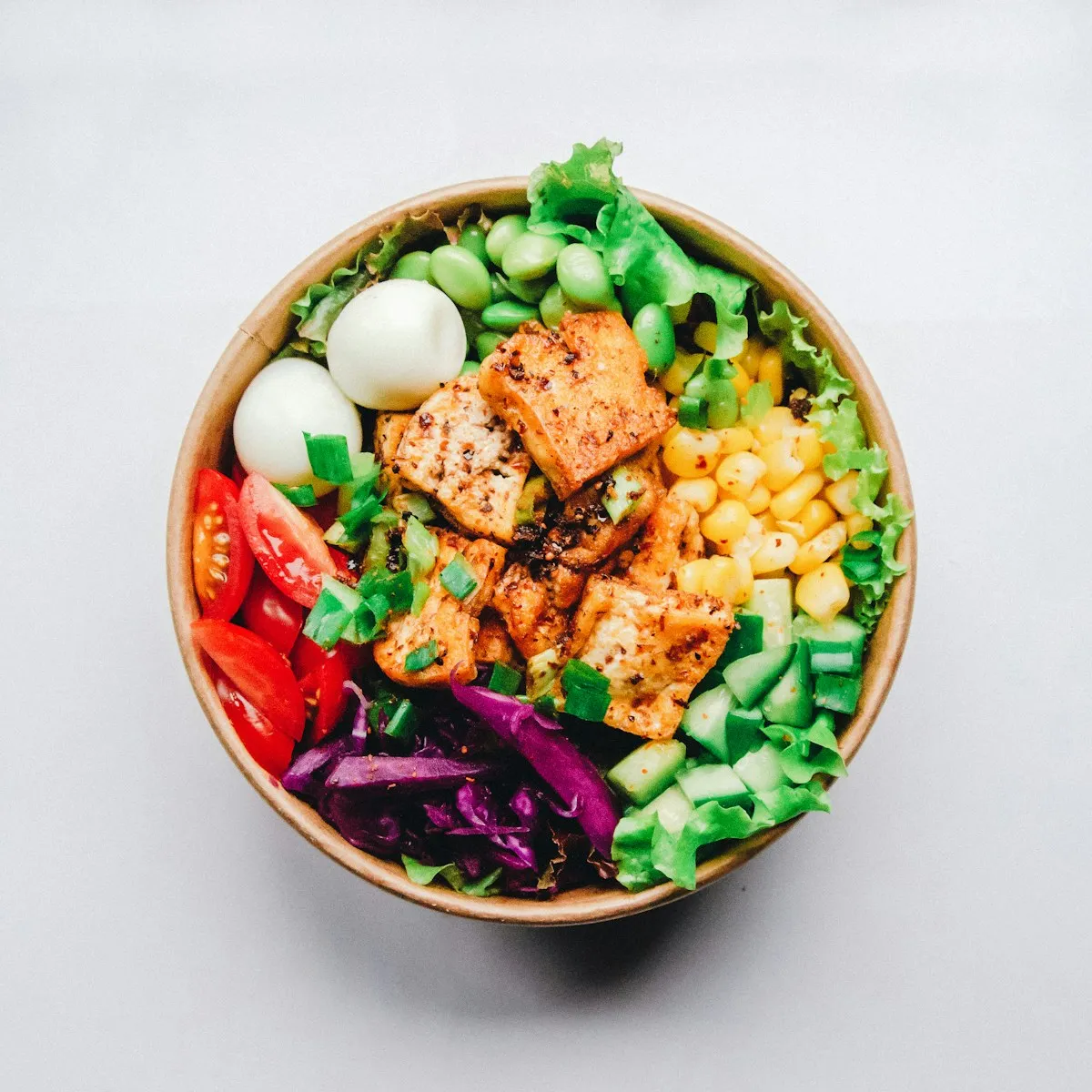
Rinse your quinoa every single time. Quinoa is coated in a natural bitter resin called saponin. Even if the box says "pre-rinsed," give it another go under cold water until the bubbles disappear. If you skip this, the acid from the lemon will actually highlight that bitterness instead of masking it. Think of it like washing a window before you polish it; you want a clean slate for your flavors to shine.
Don't be afraid of the zest. The yellow skin of the lemon contains the essential oils that carry the "lemon" scent, while the juice provides the acidity. Using both gives you a multi-dimensional flavor that juice alone can't replicate. If you're looking for quick family meals that actually get finished, the aromatic hit of fresh zest is your best friend. It tricks the brain into thinking the meal is more complex than a simple grain bowl.
Finally, consider the timing of your acid. If you add all your lemon juice while the quinoa is boiling, some of that bright top-note will cook off. Save half of your citrus for the very end. This "double-dosing" technique ensures you have a deep citrus base integrated into the grain and a bright, sharp finish on the surface.
Flavor Variations: Beyond the Lemon
While lemon and parsley are the gold standard, you can swap your acids and herbs to change the entire vibe of the bowl without changing your cooking method. If you’re leaning into a Mediterranean theme, try using red wine vinegar and fresh oregano. The vinegar offers a more fermented, punchy acidity compared to the fruit-forward sharpness of lemon. This version pairs beautifully with salty additions like Kalamata olives or feta cheese.
For a zestier, more tropical profile, swap lemon for lime juice and parsley for a heavy hand of cilantro. This transformation turns a standard healthy dinner idea into a base for a burrito-style bowl. You can even introduce a tiny bit of heat with red chili flakes or a dash of hot sauce. The acid in the lime will actually temper the "burn" of the chili, allowing you to taste the fruitiness of the pepper rather than just the heat.
If you’re feeling adventurous, try "aged" acids like balsamic or apple cider vinegar. These are heavier and sweeter, which works perfectly if you’re adding roasted root vegetables like sweet potatoes or carrots. The natural sugars in the vegetables find a soulmate in the complex acidity of balsamic, creating a much richer, heartier bowl that still feels light.
Perfect Side Dish Pairings
Even though these bowls are meant to be a complete meal, I love pairing them with something that offers a textural contrast. A quick charred vegetable medley is a fantastic choice. If you’re looking for a low-effort win, check out this air fryer sausage pepper onion medley that provides a savory, smoky balance to the bright quinoa.
For those who want to keep it purely plant-based, a simple massaged kale salad with a tahini dressing is a winner. The creamy, nutty fat of the tahini is the perfect foil for the sharp lemon in the quinoa. It’s all about balance: if your main dish is high-acid, your side should bring a bit of fat or char to the table. You could even serve this alongside some crispy garlic bread; if you want to see how I handle intense garlic flavors, my viral garlic butter ramen hack uses similar principles of balancing fat and aromatics.
FAQ: Mastering the Grain Bowl
What if my quinoa is soggy?
You likely used too much liquid or didn't let it steam. The standard ratio is 1:2 (quinoa to water), but I actually prefer 1:1.75 for a firmer, "al dente" grain. Once the water is absorbed, remove the pot from the heat and let it sit, covered, for 5 minutes. This allows the remaining moisture to distribute evenly, resulting in fluffy grains that don't clump.
Can I use bottled lemon juice?
Avoid it if you can. Bottled juice is pasteurized and often contains preservatives like sulfur dioxide, which can leave a metallic aftertaste. Since acid is the star of this show, using a real, fresh lemon is a non-negotiable. If you don’t have a fresh lemon, you’re better off using a high-quality vinegar.
Why do my herbs turn black?
Oxidation and heat. If you chop your herbs with a dull knife, you’re crushing the cells rather than slicing them, which leads to rapid browning. Use a sharp blade and, as mentioned, only add them to the quinoa once it has cooled down slightly. This keeps the color vibrant and the flavor fresh.
Is this good for meal prep?
Absolutely. In fact, this is one of those air fryer recipes dinner enthusiasts love to pair with pre-cooked proteins. The acid in the lemon juice actually acts as a mild preservative, keeping the quinoa fresh in the fridge for up to four days. Just hold off on adding the fresh herbs until the day you plan to eat if you want maximum freshness.
My quinoa still tastes bitter, help!
Check your rinsing technique. You need to rub the grains together under the water to physically scrub off the saponins. If it’s still bitter, you might need a tiny pinch of sugar or a splash of honey to balance the profile. Sweetness is the natural enemy of bitterness, and a tiny amount can fix a batch of "bad" quinoa.
Can I cook the quinoa in something other than water?
Use vegetable or chicken broth for a massive flavor upgrade. Just be mindful of the salt content in your broth; since we’re using lemon to enhance saltiness, a low-sodium broth is usually the safer bet to avoid an over-salted bowl.