Recipe
Servings
Servings 1×
Ingredients
- Steak
- Black beans
- Beans
- Rice
- Tortillas
- Bread
- Potatoes
- Sweet potatoes
- Greens
- Corn
- Apple
- Lime
- Cooking oil
- Black pepper
Method
- Let’s be honest: most veggie tacos are a soggy, uninspired mess.
- Use a large, heavy-duty baking sheet or a cast-iron skillet to ensure even heat distribution.
- Rinse them, then dry them thoroughly with a kitchen towel.
- Toss them with the potatoes during the last ten minutes of roasting.
- Use plenty of toasted cumin seeds and finish the roasted veggies with a massive squeeze of lime juice the second they come out of the oven.
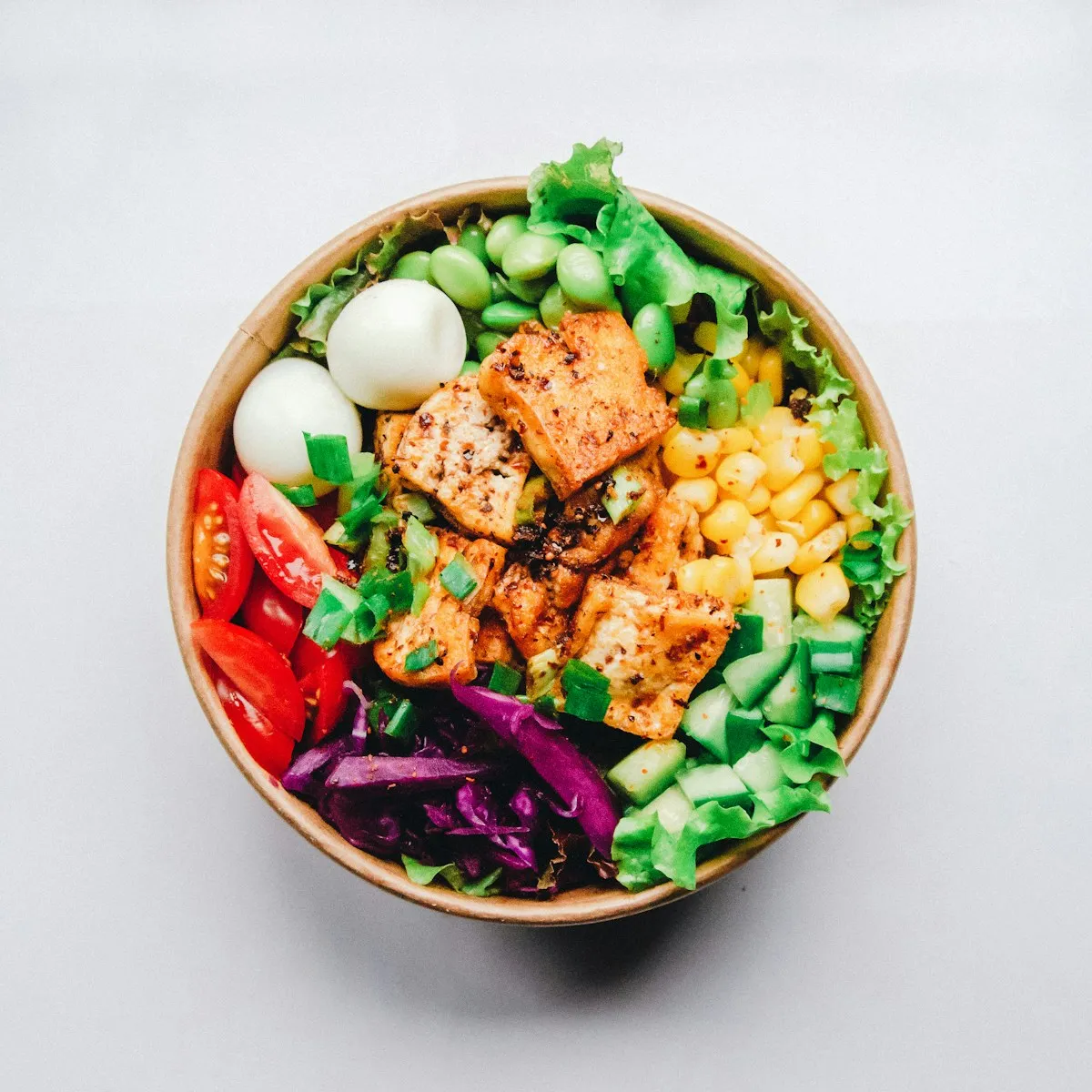
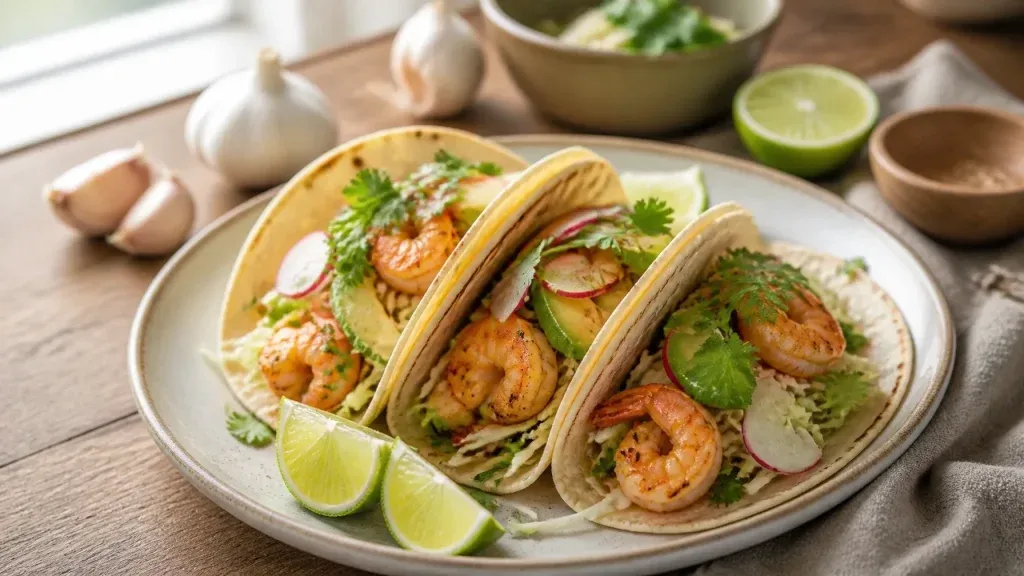
Let’s be honest: most veggie tacos are a soggy, uninspired mess. You’ve been there: biting into a limp tortilla filled with mushy sweet potatoes and beans that taste like they were just warmed in a microwave. It’s a tragedy, really. But you aren’t here for mediocre food. You’re here because you want a taco that actually fights back. You want that deep, smoky, crispy edge that makes you forget you’re eating something plant-based. The secret isn't a fancy sauce or an expensive spice blend; it’s all about the Maillard reaction.
Master the Maillard: The Science of the Char
If you want to transform a humble sweet potato into a flavor powerhouse, you need to understand the Maillard reaction. This is the chemical dance between amino acids and reducing sugars that happens when you apply high heat. It’s what gives a seared steak its crust and a toasted marshmallow its golden hue. For your sweet potato and black bean tacos, this reaction is the difference between "fine" and "legendary."
To get there, you have to follow the golden rule of roasting: do not crowd the pan. I know you’re in a rush to get quick family meals on the table, but piling your potatoes into a heap is a recipe for steam. When vegetables are too close together, the moisture they release gets trapped, effectively boiling them. Instead, spread your cubes out in a single layer with plenty of breathing room. Use a large, heavy-duty baking sheet or a cast-iron skillet to ensure even heat distribution.
Temperature is your next non-negotiable. Crank your oven up to at least 425°F (218°C). This high-heat environment forces the moisture on the surface of the potato to evaporate quickly, allowing the browning process to start before the interior turns to mush. Aim for a "hard roast": you want the edges to look almost burnt. That dark, caramelized border is where all the complex, nutty flavors live.
When it comes to the beans, treat them with the same respect. Don’t just dump a can of black beans onto the tray. Rinse them, then dry them thoroughly with a kitchen towel. Any leftover water will prevent them from crisping up. Toss them with the potatoes during the last ten minutes of roasting. They’ll pop slightly and develop a savory, concentrated flavor that provides a fantastic texture contrast to the creamy center of the potato.
If you’re looking for even faster results, many air fryer recipes dinner fans swear by the high-velocity air of a fryer to achieve this char in half the time. Much like our air fryer sausage and pepper medley, the intense circulation helps create that desired crust without the long preheat time.
Flavor Variations: Pushing the Boundaries
Once you’ve mastered the basic char, you can start playing with the flavor profile to keep your plant-based dinner ideas fresh and exciting. The sweetness of the potato is a blank canvas that loves contrast.
Try a "Smoky Chipotle" version by tossing your sweet potatoes in chipotle powder and a splash of adobo sauce before roasting. The sugars in the adobo will caramelize even faster, creating an incredibly deep, dark crust. If you prefer something brighter, go for a "Citrus-Cumin" blend. Use plenty of toasted cumin seeds and finish the roasted veggies with a massive squeeze of lime juice the second they come out of the oven. The acid cuts right through the earthy richness of the beans.
For those who crave texture, add chopped walnuts or pepitas to the tray during the final five minutes of roasting. They’ll toast up alongside the beans, adding a fatty, crunchy element that mimics the satisfaction of a more traditional meat filling. You can even experiment with adding a touch of maple syrup to the roasting oil; the extra sugar accelerates the Maillard reaction, giving you a faster, darker char: just watch it closely to ensure it doesn't cross the line from caramelized to scorched.
Perfect Pairings: Balancing the Heat
A great taco is all about balance. Since your sweet potatoes and beans are providing deep, earthy, and charred notes, your side dishes and toppings should provide the opposite: brightness, crunch, and acidity.
A zingy, vinegar-based cabbage slaw is non-negotiable here. Skip the mayo and use apple cider vinegar or lime juice with a pinch of sugar. This high-acid side dish cleanses the palate between bites of the rich, starchy filling. If you’re looking for more healthy dinner ideas, serve these tacos alongside a quick cilantro-lime rice or a simple salad of sliced radishes and cucumbers.
Don't forget the power of a good salsa. A fresh pico de gallo adds the necessary moisture that charred tacos sometimes lack. If you want to keep the "smoky" theme going, a charred tomatillo salsa is an elite choice. Much like the technique used in our kielbasa pierogi air fryer roast, using high heat to blister your vegetables before blending them creates a cohesive flavor profile across the entire meal.
Common Questions and Troubleshooting
Why are my sweet potatoes soft instead of crispy?
The most common culprit is crowding the pan. If the cubes are touching, they are steaming. Also, check your oil. You need enough oil to coat every surface of the potato; the oil acts as a heat conductor, helping the dry heat of the oven penetrate the surface and trigger the browning. Finally, ensure your oven is actually at the temperature it claims to be: use an oven thermometer if you suspect it’s running cool.
Can I use frozen sweet potatoes?
You can, but it’s a gamble. Frozen vegetables are blanched before freezing, which breaks down their cellular structure and introduces extra moisture. To get a decent char on frozen potatoes, do not thaw them. Throw them directly onto a preheated baking sheet with plenty of oil and crank the heat even higher. However, for the best results, fresh is always king.
My black beans exploded in the oven! What happened?
Black beans have a tough outer skin. If they are heated too rapidly while they still contain a lot of internal moisture, the steam pressure builds up and "pops" the bean. To avoid this, make sure they are very dry before roasting and don't overcook them. They only need about 10–12 minutes at high heat to get that slightly crispy, concentrated flavor.
Can I make these ahead of time?
You can roast the vegetables ahead of time, but you will lose the "crispy" factor. If you’re meal prepping, store the roasted mix in an airtight container and then reheat them in a hot skillet or an air fryer to bring back that charred exterior. Avoid the microwave for reheating if you want to maintain the texture you worked so hard to achieve.
Do I need to peel the sweet potatoes?
That’s entirely up to you. The skins are perfectly edible and actually provide extra fiber and a slightly different texture that aids in the "crisp" factor. If you keep the skins on, just make sure to scrub the potatoes thoroughly before cubing them.
What is the best tortilla for these?
Corn tortillas are the traditional choice and offer a sturdy, nutty base that complements the earthy beans. However, if you prefer the softness of flour tortillas, just make sure you char them over an open flame or in a dry skillet before serving. A cold tortilla is a sad tortilla.