Recipe
Servings
Servings 1×
Ingredients
- Salmon
- Steak
- Quinoa
- Tortillas
- Asparagus
- Greens
- Corn
- Cucumber
- Garlic
- Lemon
- Lime
- Cream
- Hard cheese
- Cooking oil
Method
- Let’s be honest: halibut is the "steak of the sea," and messing it up feels like a minor tragedy.
- Use a digital thermometer; it’s the only way to be sure.
- Give each piece at least an inch of "personal space."
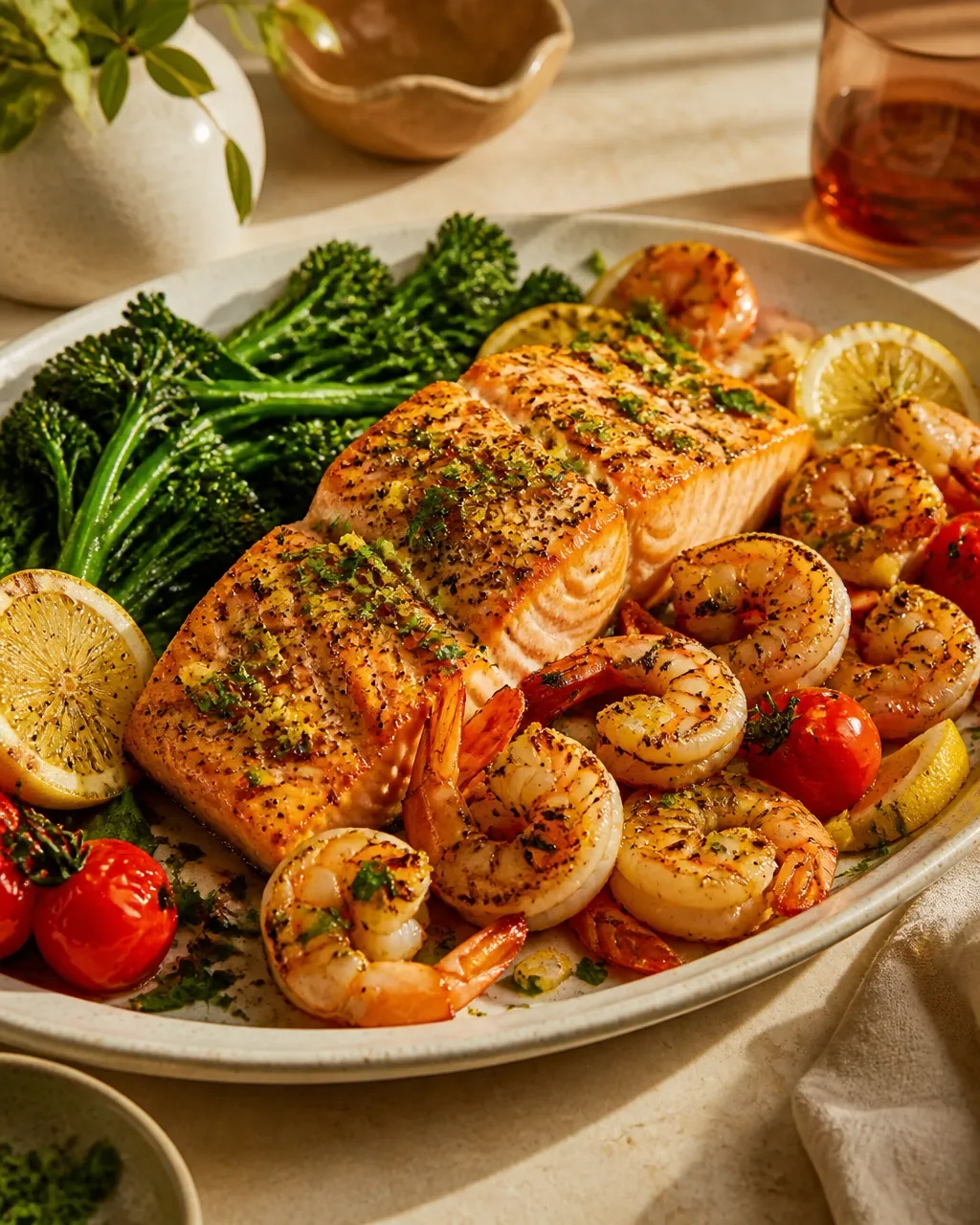
Let’s be honest: halibut is the "steak of the sea," and messing it up feels like a minor tragedy. It’s expensive, lean, and can turn into a dry sponge if you look at it the wrong way in a traditional oven. But here’s my little secret: the air fryer is actually the best tool for this job. It’s fast, it’s precise, and it creates a gorgeous crust while keeping the inside as flaky as your most unreliable friend. If you’re hunting for air fryer recipes dinner guests will actually rave about, you’ve found the one.
The Physics of the Perfect Flake
When you cook a lean white fish like halibut, you are essentially in a race against moisture loss. Halibut has very little fat compared to salmon, which means it doesn't have a "safety net" to keep it juicy. In a traditional oven, the air is stagnant, and the heat takes a long time to penetrate the center, often drying out the exterior before the middle is even warm.
The air fryer changes the game through high-velocity convection. Think of it as a wind tunnel for your food. This rapid movement of air strips away moisture from the surface almost instantly, allowing the Maillard reaction (that beautiful browning) to happen at lower temperatures than you’d expect. This means you get a "seared" exterior without having to blast the fish for twenty minutes.
To master this, you have to respect the internal temperature. Use a digital thermometer; it’s the only way to be sure. While the USDA suggests 145°F, most chefs (and my blog) suggest pulling the fish at 130-135°F. The residual heat will carry it to the finish line while it rests, ensuring the proteins don't tighten up and squeeze out all those precious juices.
Check the thickness of your fillets before you start. A one-inch fillet behaves very differently than a two-inch "captain’s cut." Always pat the fish bone-dry with paper towels before any oil or seasoning touches it. If there is moisture on the surface, the air fryer will spend its energy evaporating that water instead of browning the fish, leaving you with a soggy, sad dinner. Avoid the temptation to overcrowd the basket. If the air can’t circulate around the sides of the fish, you lose the convection advantage, and you might as well have used a microwave. Give each piece at least an inch of "personal space."
Preheating is also non-negotiable. You want that basket hot the second the fish hits the metal. This jumpstarts the cooking process and prevents the fish from sticking. If you follow these mechanical rules, you’ll find that air fryer recipes dinner success becomes a repeatable science rather than a lucky guess.
Beyond the Lemon: Flavor Variations
Once you’ve mastered the base technique, you can start getting creative with your healthy dinner ideas. Halibut is a blank canvas that loves bold flavors.
- Mediterranean Style: Instead of just lemon and herbs, try a "dry" rub of dried oregano, garlic powder, and a tiny pinch of cinnamon. After it comes out of the air fryer, top it with a cold mixture of chopped kalamata olives and capers. The contrast between the hot, flaky fish and the cold, salty topping is incredible.
- The "Pantry" Crust: If you want a bit more crunch without deep frying, mix a small amount of panko breadcrumbs with grated parmesan and lemon zest. Press this firmly onto the top of the oiled fish. The air fryer will turn those crumbs into a golden, shattered-glass crust in minutes.
- Spicy Citrus: Swap the lemon for lime and add a dusting of smoked paprika and chipotle powder. This version works beautifully if you're planning to flake the fish into corn tortillas for the ultimate quick family meals.
Balancing the Plate: Side Dish Pairings
Halibut is sophisticated but light, so your sides should follow suit. You want to focus on "acidity cutting richness" or "earthiness grounding the bright citrus."
I personally love pairing this with quick-charred asparagus. You can actually toss the asparagus in the air fryer right after the fish is done while the halibut is resting. The high heat blisters the tips of the asparagus in about 4-5 minutes, mimicking a grill.
A bright quinoa salad with cucumber, parsley, and a heavy hand of lemon juice is another winner. The nuttiness of the quinoa provides a sturdy base for the delicate fish. If you’re looking for more quick family meals, a simple citrus slaw, cabbage, lime juice, and cilantro, adds a crunch that complements the soft texture of the halibut perfectly. Avoid heavy, cream-based sides that might overwhelm the clean flavor of the fish. Stick to vibrant greens and light grains.
Frequently Asked Questions
Can I cook halibut from frozen in the air fryer?
Technically, yes, but I don't recommend it if you want that "steak-like" quality. Cooking from frozen often leads to an uneven texture where the outside is overcooked and the inside is just barely thawed. If you must, add about 4-5 minutes to the time and use a lower temperature (around 350°F) to allow the middle to catch up. But for the best healthy dinner ideas, take the time to thaw it in the fridge overnight.
Should I leave the skin on or take it off?
Keep it on! Even if you don't plan on eating the skin, it acts as a thermal barrier between the hot air fryer basket and the delicate flesh. It helps hold the fillet together so it doesn't fall through the grates. If you want the skin crispy, make sure it’s oiled well and placed skin-side down for the first half of the cooking time.
Why is my fish sticking to the basket?
This usually happens for two reasons: you didn't preheat the air fryer, or you didn't use enough oil. The air fryer basket is metal, and proteins love to bond to cold metal. Ensure the basket is hot and give it a quick spray or brush with a high-smoke-point oil (like avocado oil) right before you drop the fish in.
How do I know if the fish is actually done?
Look for the "flake test." Take a fork and gently twist it in the thickest part of the fish. If the layers slide apart easily and the color has changed from translucent to opaque white, you’re good to go. If it still looks "glassy" in the center, give it another minute. Remember, fish continues to cook for a few minutes after you remove it from the heat, so err on the side of pulling it out early.
Can I use this method for other white fish?
Absolutely. Cod, haddock, and sea bass all respond well to this rapid-air method. Just keep in mind that thinner fillets (like tilapia or sole) will cook significantly faster: sometimes in as little as 5 or 6 minutes. Always adjust your timing based on the thickness of the protein to keep your healthy dinner ideas from becoming dry disasters.