Recipe
Servings
Servings 1×
Ingredients
- Shrimp
- Pork
- Cod
- Beans
- Quinoa
- Pasta
- Eggs
- Bread
- Asparagus
- Green beans
- Greens
- Peas
- Garlic
- Lemon
- Lime
- Mustard
- Cream
- Hard cheese
Method
- Let’s be honest: cooking fish at home usually ends in one of two tragedies.
- Use paper towels, lots of them, to pat those fillets until they are as dry as a desert.
- Keep space between your fillets.
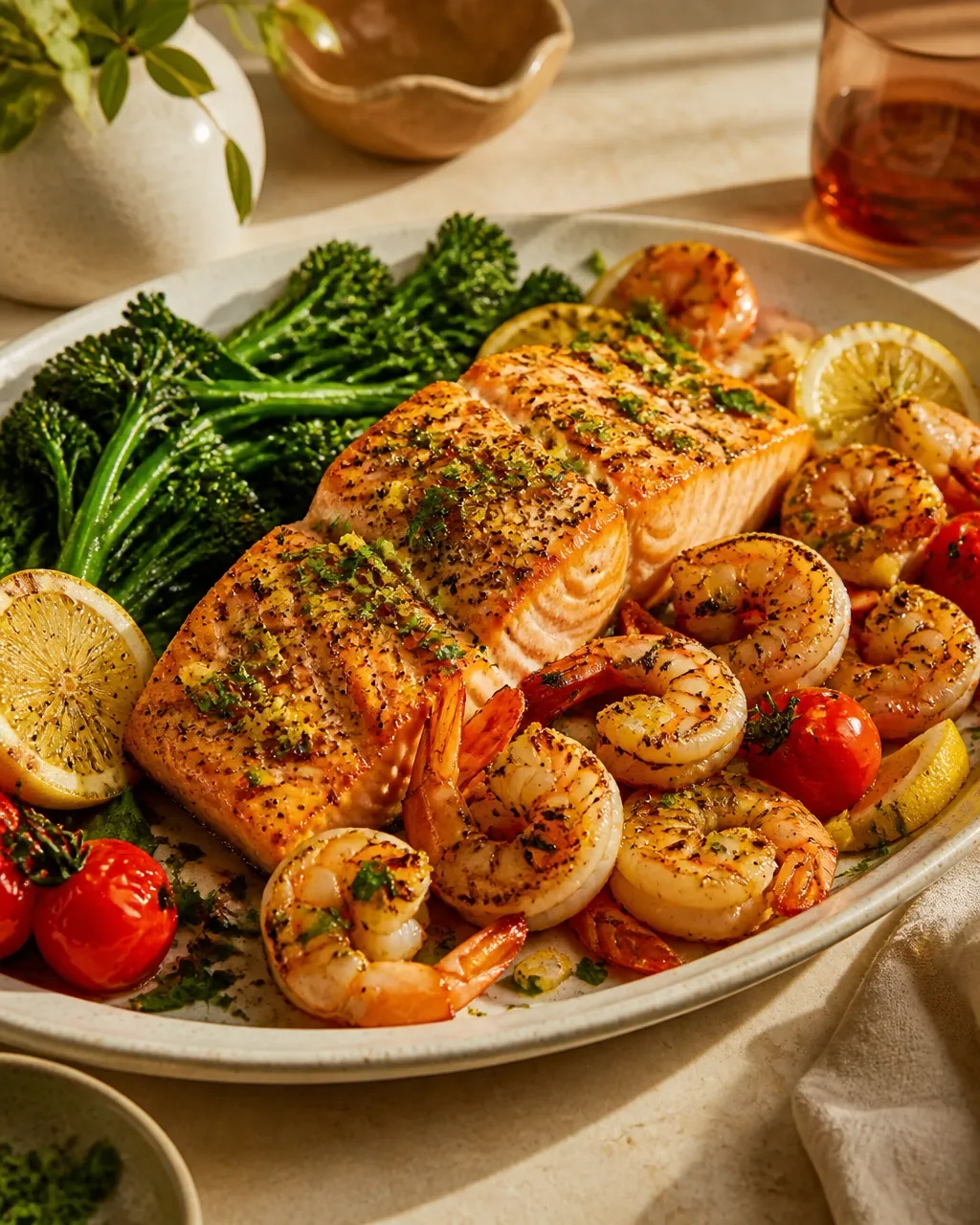
Let’s be honest: cooking fish at home usually ends in one of two tragedies. Either your kitchen smells like a seaside bait shop for three days, or you end up with a sad, soggy piece of protein that has the structural integrity of a wet paper towel. We’ve all been there, hovering over a frying pan, praying the breading doesn't slide off into the oil like a sinking ship. But that era is over. Welcome to the high-velocity world of the air fryer, where we turn white fish into a crunchy masterpiece without the deep-fryer grease or the soggy-bottom blues.
The Physics of the Perfect Crunch
If you want to master air fryer recipes dinner guests actually enjoy, you need to understand that your air fryer isn't just a small oven; it’s a tiny, aggressive wind tunnel. When you put panko-crusted cod inside, you are initiating a high-stakes battle between moisture and hot air.
Cod is a high-moisture fish. If that moisture isn't managed, it will steam your breading from the inside out, leaving you with a limp, rubbery mess. Your first non-negotiable step is surface tension management. Use paper towels, lots of them, to pat those fillets until they are as dry as a desert. If you’re working with frozen cod, you need to be even more aggressive. Squeeze them gently. Any excess water is the enemy of the Maillard reaction, which is the chemical dance between amino acids and reducing sugars that gives us that beautiful golden-brown color and complex flavor.
The choice of Panko over traditional breadcrumbs is a scientific one. Panko is flaky and jagged, providing more surface area for the moving air to hit. This creates more "crunch points." However, panko is also bone-dry and won't brown on its own in an air fryer. Unlike a deep fryer where the oil is the heat conductor, the air fryer uses air. Since air is a poor conductor of heat compared to oil, you must introduce a fat source. Avoid just spraying the top of the fish at the end. Instead, mix a small amount of oil directly into your panko before you even bread the fish. This ensures every single crumb is "primed" for the heat.
Physics also dictates that you cannot crowd the basket. Air needs to circulate 360 degrees around each fillet to dehydrate the crust quickly. If you overlap the fish, you create "steam pockets" where the air can’t reach, resulting in those dreaded bald spots on your breading. Keep space between your fillets. If you have a large family, cook in batches. It is better to eat in shifts than to eat soggy fish together.
Finally, consider the "glue." A simple egg wash works, but for the ultimate flavor and moisture barrier, a thin layer of Dijon mustard or high-quality mayonnaise acts as an emulsifier. It holds the panko securely and adds a layer of fat that protects the delicate cod from drying out while the exterior reaches maximum crunch.
Creative Variations for Every Palate
Once you have the base technique down, you can start treating your air fryer like the versatile tool it is. This dish is a staple for healthy dinner ideas because it mimics the indulgence of fried fish without the caloric heavy lifting.
If you want to lean into a Mediterranean profile, incorporate finely grated Parmesan cheese and dried oregano into your panko mixture. The cheese melts and then crisps, acting as a secondary binder and adding a salty, umami punch that pairs beautifully with the mildness of the cod. For those who crave heat, a "Bang Bang" style variation is simple: add cayenne pepper and garlic powder to the breading, and serve it with a spicy chili-lime drizzle.
For a gluten-free alternative that doesn't compromise on texture, crushed pork rinds or a mix of almond flour and unsweetened coconut flakes can replace the panko. The coconut version, in particular, creates a tropical "coconut shrimp" vibe that works surprisingly well with white fish. If you’re looking for a citrus forward version, zest a lemon directly into the breadcrumbs. Do not use lemon juice in the breading itself, remember, moisture is the enemy, but the oils in the zest will provide a bright, aromatic lift as they heat up.
Balancing the Plate: Pairings
A crispy, protein-forward main needs a side dish that can cut through the richness of the crust and the fat of the fish. Think in terms of acidity and brightness. A classic vinegar-based coleslaw is the gold standard here. The sharp crunch of the cabbage and the tang of the vinegar provide a necessary counterpoint to the salty, savory cod.
If you are looking for quick family meals, serve the cod alongside air-fried green beans or asparagus. Since you already have the air fryer out, you can toss the vegetables in while the fish rests. The high heat blisters the skin of the vegetables, giving them a smoky charred flavor that complements the mild fish. For a more substantial meal, a bright lemon-herb quinoa or a simple smashed pea salad with mint can elevate the dish from "quick weeknight fix" to something that feels intentional and sophisticated. Avoid heavy, cream-based pasta dishes; you want the lightness of the fish to be the star of the show.
Frequently Asked Questions
Why is my fish sticking to the air fryer basket?
This is almost always a result of two things: a cold basket or a lack of oil. Always preheat your air fryer for at least three to five minutes. When the cold fish hits a hot surface, it sears immediately rather than bonding to the metal. Additionally, ensure you’ve lightly greased the basket with a high-smoke-point oil spray. Avoid using non-stick sprays that contain lecithin, as they can leave a gummy residue on your air fryer over time.
Can I use frozen cod fillets?
Yes, but proceed with caution. Frozen fish contains a significant amount of "purge": the liquid that escapes as it thaws. If you put a partially frozen fillet in the air fryer, that liquid will turn into steam, and your panko will slide right off. Thaw the fish completely in the refrigerator, and then use the "pat and squeeze" method mentioned earlier to remove every possible drop of moisture.
How do I know when the cod is actually done?
Don't guess. The difference between "perfectly flaky" and "fish-flavored cardboard" is about 60 seconds. Use an instant-read thermometer. You are looking for an internal temperature of 145°F (63°C). The fish should change from translucent to opaque and should flake easily when a fork is twisted into the thickest part. If you’re seeing white "curds" (albumin) pushing out of the fish, you’ve gone too far.
Why isn't my panko turning golden brown?
Air fryers are highly efficient at cooking, but they are less efficient at browning dry carbohydrates. If your fish is cooked but the breading looks pale and ghostly, you didn't use enough oil in the coating process. A light mist of oil halfway through the cooking time can help, but the best results come from incorporating the fat directly into the panko before it hits the fish.
Does the thickness of the fillet matter?
Absolutely. A thick loin will take longer to cook than a thin tail piece. Try to select fillets of uniform thickness so they finish at the same time. If you have a mix of thick and thin pieces, put the thick ones in first and add the thinner ones a few minutes later to ensure nothing gets overcooked.