Recipe
Servings
Servings 1×
Ingredients
- Shrimp
- Pasta
- Noodles
- Rice
- Tortillas
- Bread
- Cauliflower
- Broccoli
- Zucchini
- Tomatoes
- Lemon
- Pesto
- Cooking oil
- Salt
- Black pepper
Method
- Prepare the ingredients described in the article and heat the cooking surface or oven as directed.
- Cook the main ingredients using the heat and timing guidance in the article.
- Finish with the seasonings and garnishes named in the article, then serve.
Stepping into the world of low-carb living often feels like a series of "goodbyes", goodbye to crusty bread, goodbye to mounds of rice, and a particularly dramatic goodbye to traditional pasta. But here is the secret I’ve learned in my kitchen: you aren’t losing noodles; you’re just upgrading them. Zucchini noodles, or "zoodles," are more than just a substitute; they are a fresh, vibrant vehicle for the bold flavors of basil pesto and sun-ripened cherry tomatoes. This dish isn't about deprivation; it's about finding healthy dinner ideas that make you forget you ever missed the grain.
The Science of the Perfect Zoodle: Managing Moisture
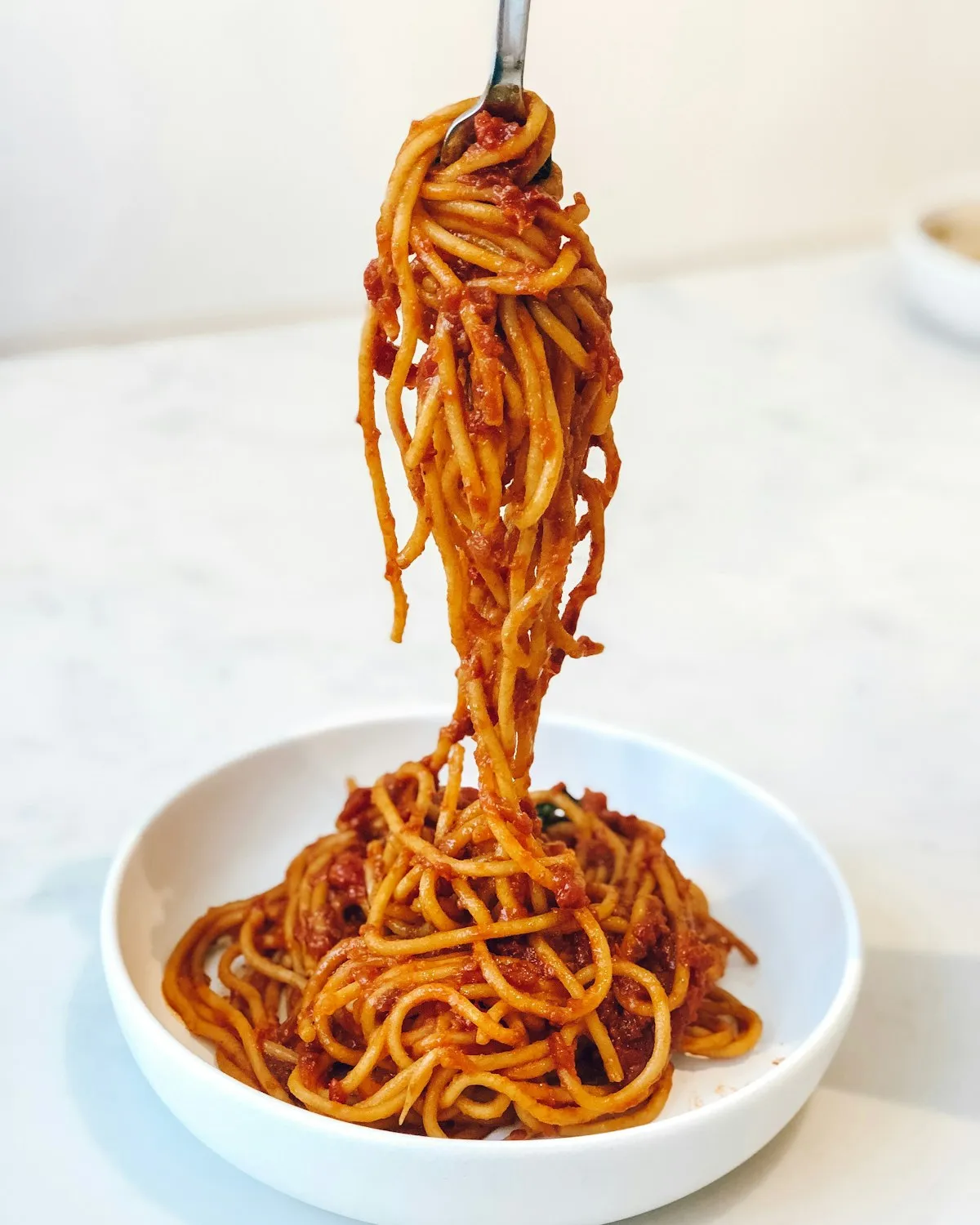
The biggest hurdle for any beginner is the dreaded "zoodle soup." Zucchini is roughly 95% water, and the moment you apply heat, those plant cell walls begin to collapse, releasing a flood of liquid that can turn your elegant pesto into a watery mess. To master this, you must understand osmosis. By salting your spiralized strands and letting them rest in a colander, you create a higher concentration of solutes outside the zucchini cells. This draws the water out before it ever touches your pan.
Always use small, firm zucchini. The giant ones you find at the end of summer are full of large seeds and even more water, which leads to mush. Aim for a "sweating" period of at least 15 minutes. Once you see that puddle in the bowl beneath your colander, you know you’re winning. Don't be gentle: wrap those noodles in a clean kitchen towel and squeeze. You want them to feel almost dry to the touch. This prep work is what separates a soggy failure from a restaurant-quality meal.
When it comes to the tomatoes, treat them as a separate entity until the very last second. Use a high-heat skillet to blister them. This process, known as the Maillard reaction, browns the sugars in the tomato skin and intensifies the flavor while evaporating some of their internal moisture. If you toss raw tomatoes directly into the zoodles, they’ll just add to the water problem. Blister them until they pop, then set them aside.
The pesto itself is a delicate emulsion of oil, nuts, and greens. Basil is notoriously finicky; once chopped or heated, the enzyme polyphenol oxidase reacts with oxygen, turning your bright green sauce a muddy brown. To prevent this, toss your pesto with the zoodles off the heat. The residual warmth of the noodles is enough to loosen the sauce and coat every strand without cooking the life out of the basil. This technique ensures your quick family meals look as good as they taste.
Elevating Your Zoodle Game: Variations and Swaps
Once you have mastered the basic technique, it’s time to start experimenting with the chemistry of flavor. The richness of a traditional pine nut pesto is divine, but you can achieve a different profile by swapping the nuts. Walnuts add a pleasant earthiness and a boost of Omega-3s, while toasted slivered almonds provide a cleaner, sweeter finish. If you’re looking for a spicy kick, a pinch of red pepper flakes added to the oil while blistering the tomatoes creates a beautiful contrast against the cool, herbal notes of the basil.
For those who need a bit more heft in their healthy dinner ideas, consider the protein. Grilled shrimp or pan-seared scallops pair beautifully with the acidity of the tomatoes and the richness of the pesto. If you're keeping it strictly plant-based, a handful of toasted hemp hearts adds a "nutty" texture and a complete protein source without adding carbs. You can also vary the "noodle" itself; try a mix of yellow summer squash and green zucchini for a beautiful visual contrast on the plate. If you find yourself in a rush, browsing through 15-minute meals can give you more inspiration for these fast, high-impact swaps.
Balancing the Plate: Side Dish Pairings
The key to a satisfying keto meal is balance. Since pesto is inherently rich and fat-heavy, your side dishes should focus on acidity and crunch to cleanse the palate. A simple arugula salad, like the one found in our salads section, is the perfect companion. The peppery bite of arugula cuts through the creamy pesto, while a sharp lemon vinaigrette provides the necessary acid to keep the meal feeling light.
If you’re serving a larger group and need something more substantial, consider a side of roasted cauliflower or broccoli. Cooking these in the air fryer ensures they get those crispy, charred edges that provide a textural counterpoint to the soft zoodles. Check out our air fryer recipes dinner category for more ideas on how to use high-heat circulation to create crunch without the carbs. A small plate of salty olives or marinated artichoke hearts also works wonders to round out the flavor profile of this Mediterranean-inspired dish.
Troubleshooting Your Zoodles: The Beginner’s FAQ
Why are my zoodles still watery even after salting?
You likely skipped the "squeeze" or didn't salt them long enough. Osmosis takes time. If you’re in a massive hurry, you can skip the salting and move straight to a very fast (30-second) sauté in an extremely hot pan. The goal is to sear the outside before the inside has time to release its juices. Also, avoid covering the pan with a lid, as this traps steam and essentially boils the noodles in their own water.
Can I use frozen zucchini noodles for this?
I strongly advise against it for this specific recipe. Frozen zoodles have already had their cell walls ruptured by ice crystals. When they thaw, they lose all structural integrity and turn into a mushy pulp. If you must use frozen, it's better to incorporate them into a soup or a sauce where texture isn't the star of the show. For a fresh, snappy dish like this, stick to the produce aisle.
How do I stop my pesto from turning brown in leftovers?
Oxygen is the enemy here. If you’re making the pesto ahead of time, pour a thin layer of olive oil over the top of the jar before sealing it. This creates a physical barrier that prevents air from reaching the basil. When reheating, do so very gently. High heat will not only brown the basil but also cause the oil to separate from the cheese and nuts, leaving you with an oily mess.
Is this recipe suitable for meal prep?
Zoodles are best enjoyed immediately. However, you can "prep" by spiralizing the zucchini and keeping the raw strands in a container lined with paper towels for up to two days. Don't salt them until you are ready to cook, or they will turn into a puddle in your fridge. You can also make the pesto days in advance. When it's time for one of your quick family meals, the actual cooking only takes about five minutes.
Can I make this without a spiralizer?
Absolutely. Use a standard vegetable peeler to create long, thin "ribbons" (often called zucchini pappardelle). These ribbons actually hold onto the pesto even better than thin strands, though they require a slightly shorter cooking time because they are so thin. You can also use a julienne peeler for a more traditional spaghetti shape.
{“@type”:”BlogPosting”,”image”:”https://cdn.marblism.com/ojpdMeLuzIh.webp”,”author”:{“name”:”Penny”,”@type”:”Person”},”@context”:”https://schema.org”,”headline”:”Keto Recipes for Beginners: Zucchini Noodles with Pesto and Cherry Tomatoes”,”publisher”:{“logo”:{“url”:”https://cdn.marblism.com/KxroJ1kM_KA.webp”,”@type”:”ImageObject”},”name”:”Cookpedia”,”@type”:”Organization”},”mainEntity”:[{“name”:”Why are my zoodles still watery even after salting?”,”@type”:”Question”,”acceptedAnswer”:{“text”:”You likely skipped the ‘squeeze’ or didn’t salt them long enough. Osmosis takes time. Ensure you squeeze them in a towel until dry and avoid covering the pan while cooking.”,”@type”:”Answer”}},{“name”:”Can I use frozen zucchini noodles for this?”,”@type”:”Question”,”acceptedAnswer”:{“text”:”Frozen zoodles are not recommended for this recipe as the freezing process ruptures cell walls, leading to a mushy texture. Fresh zucchini is essential for the right ‘al dente’ bite.”,”@type”:”Answer”}}],”description”:”Learn the science behind perfect, non-watery zucchini noodles with pesto and blistered cherry tomatoes. A beginner-friendly keto guide for healthy dinner ideas.”,”datePublished”:”2026-07-27″,”mainEntityOfPage”:{“@id”:”https://cookpedia.com/keto-zucchini-noodles-pesto”,”@type”:”WebPage”}}