Recipe
Servings
4 1×
Serves 4Prep 10 minCook 33 min
Ingredients
- 4 bone-in, skin-on chicken thighs
- 1 tablespoon olive oil
- 3 tablespoons butter, divided
- 4 garlic cloves, finely minced
- ½ cup chicken broth
- ½ cup heavy cream
- 1 teaspoon dried thyme
- 1 medium head broccoli, cut into florets
- Salt and black pepper
- 1 tablespoon chopped parsley
- Lemon wedges, for serving
Method
- Pat the chicken dry and season both sides with salt, pepper, and thyme.
- Heat the oil in a wide skillet over medium-high heat. Sear the chicken skin-side down until golden, then turn and brown the other side. Transfer to a plate.
- Lower the heat to medium-low. Melt two tablespoons of butter, add the garlic, and cook until fragrant.
- Pour in the broth and scrape up the browned bits. Simmer briefly, then stir in the cream.
- Return the chicken to the skillet. Cover and cook gently until the thickest part reaches 165°F (74°C).
- Meanwhile, steam or sauté the broccoli until bright green and tender-crisp.
- Toss the broccoli with the remaining butter, then serve with the chicken and sauce. Finish with parsley and lemon.
If you are new to keto cooking, start with a meal that feels generous rather than restrictive. These creamy garlic butter chicken thighs with broccoli bring together crisp-edged chicken, a silky pan sauce, and a fresh green vegetable in one skillet. You do not need complicated ingredients or advanced skills, just control the heat, brown the chicken properly, and let the sauce do its delicious work. This is one of those keto recipes for beginners that teaches useful kitchen skills while putting dinner on the table.
The Browning, Fat, and Sauce Science
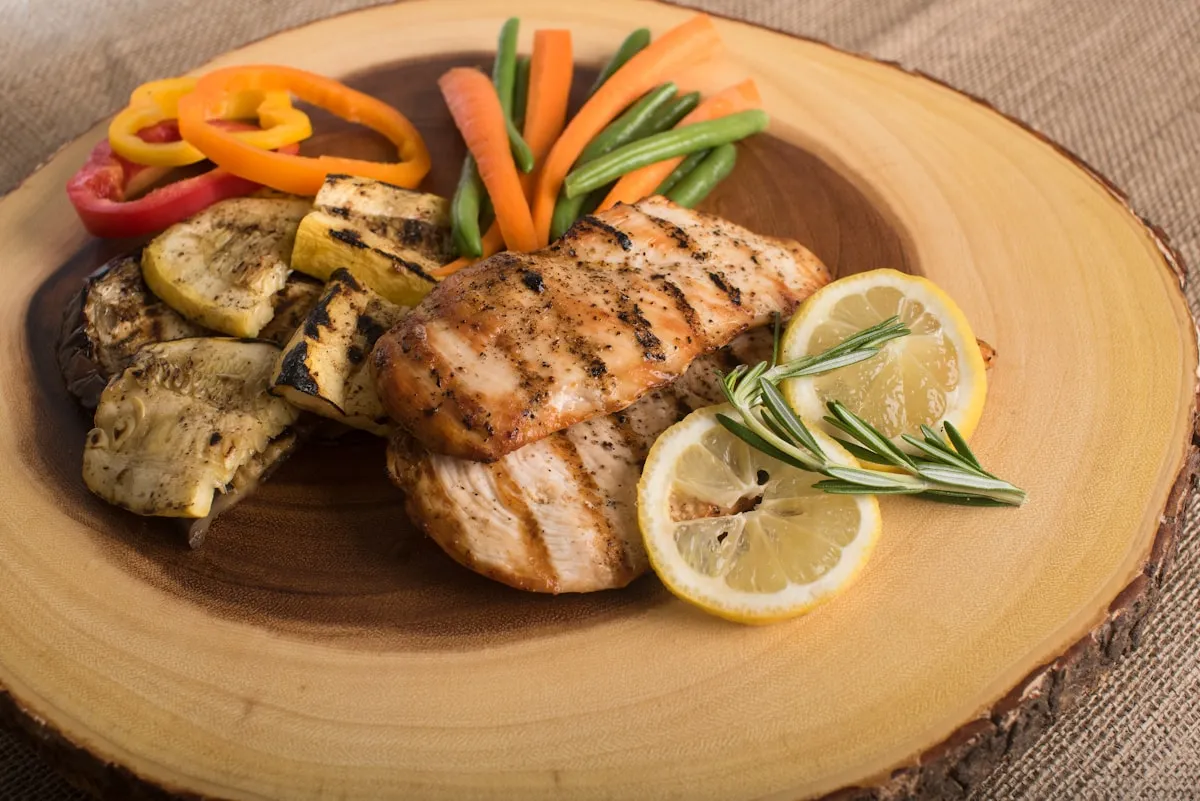
Start with dry chicken. Pat the thighs thoroughly before seasoning, especially if they have skin. Moisture is the enemy of browning because it creates steam. Steam cooks the surface gently; dry heat creates the deep golden color and savory flavor you want.
Use a wide skillet and give the chicken room. Crowding lowers the pan temperature, so the thighs simmer in their own juices instead of developing a browned crust. That is not a disaster, but it is a missed flavor opportunity. Cook in batches if your skillet looks packed.
Place the thighs skin-side down first and leave them alone for several minutes. Resist the urge to shuffle them around. As the fat under the skin renders, the chicken makes its own cooking oil. The hot pan then encourages the Maillard reaction, a group of chemical changes that create hundreds of new flavor compounds as proteins and sugars brown. In plain English: patience makes chicken taste more exciting.
Lower the heat before adding garlic. Garlic contains delicate sulfur compounds that smell wonderful when warmed gently but turn harsh and bitter when scorched. Let it soften briefly in butter rather than blasting it over high heat. Keep the garlic pale and fragrant.
Build the sauce in the same skillet. The browned bits stuck to the bottom are called fond, and they are concentrated parcels of flavor. Add a small amount of chicken stock or broth and scrape the pan with a wooden spoon. This process, called deglazing, dissolves the fond into the liquid and gives your sauce a much deeper taste than plain cream could manage.
Add heavy cream only after the heat has come down. Cream is an emulsion of fat and water, and aggressive boiling can make that emulsion split. Keep the sauce at a gentle simmer so some water evaporates and the mixture thickens naturally. Avoid flour and cornstarch; they add unnecessary carbohydrates and are not needed here. Reduction, butter, and cream provide plenty of body.
Return the chicken to the sauce and finish it gently. Chicken thighs contain more connective tissue than breast meat, which gives them excellent flavor but rewards slower cooking. Use a thermometer and check the thickest part without touching the bone. The chicken must reach 165°F (74°C) for food safety. The sauce will also absorb the juices released as the chicken rests, making every spoonful more savory.
Cook the broccoli separately or in the same skillet near the end, depending on the size of your pan. Aim for tender-crisp florets with a bright green color. Short cooking preserves a pleasant bite and prevents the vegetable from becoming watery and dull. Broccoli turns olive-green and soft when it stays over heat too long, so check it early.
Finish with a small splash of lemon juice if the sauce tastes heavy. Acidity does not make the dish less keto-friendly, and it does something important: it balances richness. Cream and butter coat your palate, while lemon helps refresh it so the next bite tastes as good as the first.
For more weeknight inspiration, browse Cookpedia’s chicken recipes or try our related creamy garlic chicken with spinach.
Beginner-Friendly Variations That Still Balance the Plate
Keep the basic cooking method, then change the flavor direction.
Add mushrooms: Slice brown or cremini mushrooms and brown them after the chicken. Mushrooms release water as they cook, so let that moisture evaporate before adding the butter and garlic. Their earthy flavor works especially well with cream.
Use spinach: Stir in a few handfuls of baby spinach during the final minute. The leaves collapse quickly, and their slight bitterness cuts through the rich sauce. Add spinach late so it stays green instead of turning limp.
Try lemon-herb chicken: Add lemon zest and fresh parsley at the end. Use zest for fragrant citrus flavor and juice for acidity. Adding the juice too early can make the cream sauce more likely to separate.
Make it dairy-free: Replace the butter with olive oil or a dairy-free cooking fat, and use unsweetened coconut cream instead of heavy cream. Expect a subtle coconut note. Check the label carefully because sweetened coconut products are not suitable for this dish.
Swap the protein: Boneless chicken thighs cook faster, but they can dry out more easily. Pork tenderloin medallions or salmon can work, too; adjust the cooking time and check doneness rather than following the chicken timing blindly.
These small changes make the dish useful for meal planning and add variety to your collection of healthy dinner ideas without requiring a new technique every night.
Side Dishes That Cut Through the Richness
Serve the chicken and broccoli with something fresh, crisp, or acidic. A simple arugula salad with cucumber and a lemon dressing adds peppery bite and keeps the meal from feeling too rich. Cookpedia’s salad collection has plenty of ideas for quick, crunchy sides.
For a warmer plate, add sautéed zucchini, asparagus, or green beans. Keep the vegetables lightly cooked so they contrast with the soft chicken and creamy sauce. Avoid pairing this meal with several additional buttery sides; more fat is not automatically more balance.
A spoonful of chopped herbs, a few lemon wedges, or a sharp pickle on the side can also wake up the plate. Use acidity as a finishing tool, not a last-minute rescue mission. Taste the sauce before serving and adjust it while the pan is still warm.
This skillet also fits neatly into a rotation of quick family meals. Serve it straight from the pan, and let everyone spoon extra sauce over the broccoli.
FAQ: What If My Keto Chicken Dinner Goes Wrong?
What if my chicken skin is not crispy?
Check whether the chicken was dry before it entered the pan. Pat it again next time and avoid adding it to a lukewarm skillet. Keep the skin in contact with the pan, and do not cover it while searing because trapped steam softens the surface. If the sauce is already added, the skin will naturally lose some crispness. Serve the chicken skin-side up and spoon sauce underneath rather than over the top.
What if the cream sauce separates?
The heat was probably too high, or the sauce boiled for too long. Remove the skillet from the burner and whisk in a small splash of warm broth. A gentle whisk can bring the mixture back together. Prevent the problem by simmering softly and adding the cream after the pan has cooled slightly. Do not rush this part; cream prefers a calm kitchen.
What if the sauce is too thin?
Let it simmer uncovered for a few minutes so excess water evaporates. Stir occasionally and watch the edges. The sauce is ready when it lightly coats a spoon. Avoid adding flour or cornstarch just to speed things up. If you need extra thickness, stir in a small amount of softened cream cheese, but check its carbohydrate content if you track macros closely.
What if the sauce is too thick?
Add warm broth one tablespoon at a time and stir until it loosens. Cold liquid can shock the sauce and make the texture uneven, so warm it first when possible. Remember that the sauce thickens as it cools. Stop slightly before it reaches your ideal consistency.
Can I use chicken breasts instead of thighs?
Yes, but change your expectations and timing. Chicken breasts contain less fat and connective tissue, so they cook more quickly and are easier to dry out. Sear them briefly, then finish them gently in the sauce. Check the center with a thermometer and remove them as soon as they reach 165°F (74°C). Do not use the thigh cooking time as a fixed rule.
Is broccoli suitable for a keto meal?
Broccoli is commonly used in low-carbohydrate meals, but your total daily intake still matters. Portion it according to your personal plan and count the cream, sauces, and any added vegetables if you track net carbohydrates. Keto targets vary, so use the recipe as a flexible framework rather than assuming every serving has the same nutritional profile.
Can I prepare this for tomorrow’s lunch?
Yes. Cool the chicken and sauce promptly, refrigerate them in a sealed container, and reheat gently. Use low heat or short microwave intervals with a splash of broth to loosen the sauce. Reheating too aggressively can make the cream split and the chicken tough. Store broccoli separately if you want to protect its texture.