Recipe
Servings
Servings 1×
Ingredients
- Chicken
- Beans
- Pasta
- Rice
- Bread
- Broccoli
- Asparagus
- Green beans
- Mushrooms
- Spinach
- Kale
- Tomatoes
- Garlic
- Lemon
- Cream
- Hard cheese
- Salt
- Black pepper
Method
- Slice larger breasts into cutlets or gently pound them until they are reasonably uniform.
- Use an instant-read thermometer in the thickest part.
- Pat the chicken dry before it meets the skillet.
- Season just before cooking, then give the chicken enough space.
- Lower the heat slightly before cooking the garlic.
- Stir it through the remaining cooking fat just until fragrant.
Some dinners ask for every pan in the kitchen. This one asks for one skillet, a little patience, and perhaps a confident stir. This creamy garlic Parmesan Tuscan chicken is rich without being fussy, colorful without requiring a culinary degree, and perfectly suited to busy evenings. The chicken browns in the same pan that builds the sauce, so every savory browned bit gets a second act.
If you enjoy practical one pot meals, keep this recipe close. It delivers restaurant-style comfort with the calm, tidy rhythm of a weeknight dinner.
The Skillet Science Behind Better Chicken
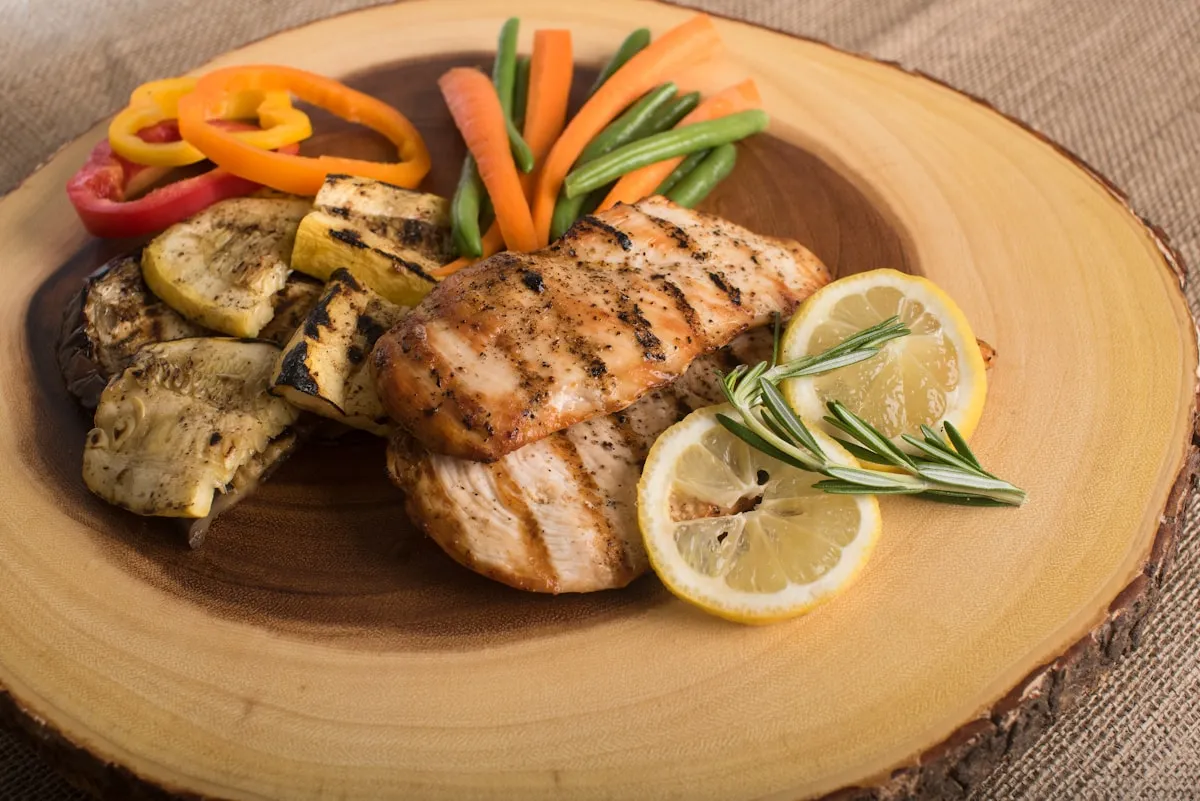
Flatten the chicken for even cooking
Do not skip the most boring-looking job: creating an even thickness. Chicken breasts naturally taper, which means the thin end can dry out while the thick center is still catching up. Slice larger breasts into cutlets or gently pound them until they are reasonably uniform.
This is not about making every piece identical. Aim for consistency, not geometry class. Even pieces spend roughly the same amount of time over the heat, giving you juicy chicken instead of a mixture of cottony edges and undercooked centers.
Use an instant-read thermometer in the thickest part. Chicken is considered safely cooked at 165°F (74°C), according to the USDA’s poultry safety guidance. Trust the thermometer more than a dramatic knife cut or a hopeful glance.
Dry the surface before searing
Pat the chicken dry before it meets the skillet. Surface moisture must evaporate before browning can begin, and evaporation is a cooling process. A damp piece of chicken will steam first, leaving you with pale meat and less of the savory crust you want.
A dry surface allows the skillet’s heat to trigger the Maillard reaction, the chemical magic responsible for deeper color and roasted, nutty flavor. Season just before cooking, then give the chicken enough space. Crowding traps steam, and steam is not invited to this particular browning party.
Keep the browned bits
After the chicken leaves the pan, resist the urge to scrub away the dark patches. Those browned fragments are fond, and they are concentrated flavor waiting to dissolve into the sauce.
Lower the heat slightly before cooking the garlic. Garlic contains delicate aromatic compounds that can turn bitter when scorched, especially in a hot, nearly dry skillet. Stir it through the remaining cooking fat just until fragrant. Fragrant is the goal; brown and bitter is a different recipe, and not a fun one.
Add your liquid while scraping the pan gently. The broth and cream loosen the fond and carry that flavor into every spoonful. This is why one skillet works so well: the sauce is not starting from scratch. It is inheriting the chicken’s best bits.
Build a stable cream sauce
Creamy sauces are emulsions, meaning fat and water are persuaded to stay together instead of separating into an oily puddle and a watery layer. Heat control is the non-negotiable here.
Use a gentle simmer rather than a rolling boil. Strong heat can make dairy proteins tighten and clump, while excess bubbling encourages the sauce to split. Let the liquid reduce gradually until it lightly coats a spoon. The sauce will continue thickening when Parmesan joins the conversation.
Add freshly grated Parmesan with the heat low or the skillet temporarily off the burner. Pre-grated cheese can contain anti-caking agents that make sauces grainier, so grate it yourself when possible. Stir steadily as it melts. Parmesan contributes salt, umami, fat, and milk proteins, all of which help create a fuller, more cohesive sauce.
If the sauce looks a little loose, give it a minute. If it looks too thick, loosen it with a small splash of broth. Avoid fixing everything with more cheese; that can make the sauce salty before it becomes silky.
Finish gently
Return the chicken to the skillet only after the sauce has developed. The final warming stage is for bringing the components together, not for aggressively cooking the chicken a second time.
Keep the heat modest and spoon the sauce over the chicken. The spinach will wilt into the cream, while sun-dried tomatoes add acidity, chew, and a concentrated sweet-tart note. Finish with lemon only after tasting. A small amount of acidity can brighten a rich sauce, but too much can overwhelm the garlic and Parmesan.
For another practical skillet dinner, browse Cookpedia’s Creamy Garlic Chicken with Spinach. It follows the same useful principle: simple ingredients, controlled heat, and a sauce that does the heavy lifting.
Easy Variations Without Losing Balance
Keep the core technique, then change the accents.
For a lighter version, use more broth and less cream, but do not expect the sauce to have exactly the same body. A modest amount of cream provides the fat and proteins that make the emulsion stable. Compensate with a slightly longer gentle reduction rather than turning up the heat.
Swap chicken breasts for boneless, skinless thighs if you prefer darker meat. Thighs contain more fat and connective tissue, so they are forgiving and stay juicy, though they may need additional cooking time. Check their temperature rather than following the clock blindly.
Add mushrooms for an earthy variation. Brown them before building the sauce, and avoid crowding them so their water can evaporate. Artichoke hearts bring a pleasantly sharp, briny contrast, while roasted red peppers add sweetness and color.
For a green boost, stir in kale instead of spinach. Kale needs more time to soften, so add it earlier. Broccoli florets can also work, but keep them small enough to cook through without turning the sauce watery.
Want heat? Add red pepper flakes with the garlic. Want freshness? Finish with basil or parsley. Want more acidity? Use a few extra sun-dried tomatoes or a squeeze of lemon. Adjust one element at a time; otherwise, dinner can wander into flavor traffic.
What to Serve With Tuscan Chicken
This skillet already contains protein, vegetables, and a rich sauce, so choose sides that bring contrast rather than more heaviness.
Serve it with crusty bread when the main goal is sauce recovery. A piece of bread is a perfectly respectable utensil when Parmesan cream is involved. For a fresher plate, add a crisp green salad dressed with lemon or vinegar. The acidity cuts through the sauce and keeps each bite from feeling too rich.
Steamed green beans, asparagus, or roasted broccoli provide clean vegetal flavor and a little texture. If you want something more filling, spoon the chicken over a small portion of rice, pasta, or creamy polenta. Keep the starch simply seasoned; the skillet sauce already has plenty to say.
For more fast inspiration, explore Cookpedia’s quick meals collection and one-pot meal ideas.
Frequently Asked Questions
Can I use chicken thighs instead of chicken breasts?
Yes. Boneless, skinless thighs are an excellent choice because their higher fat content makes them less likely to dry out. They are usually thicker and may need more time in the skillet. Check the thickest piece with a thermometer and cook until it reaches 165°F. Do not rely on the sauce bubbling as proof that the chicken is done.
Why did my Parmesan sauce turn grainy?
The usual culprit is excessive heat. Parmesan contains proteins that can tighten and clump when overheated, leaving the sauce gritty. Remove the skillet from the burner before adding the cheese, and grate it finely so it melts quickly. If the sauce has already become grainy, take it off the heat and whisk in a small splash of warm cream or broth. It may improve, although prevention works much better than rescue.
What if the sauce is too thin?
First, wait. Cream sauces thicken as they reduce and as they cool slightly. If it is still thin, remove the chicken and simmer the sauce gently for another minute or two. Avoid a hard boil, which can break the emulsion. You can also add a little more Parmesan, but taste first because cheese increases salt as well as thickness.
What if the sauce is too thick?
Thin it gradually with warm chicken broth, cream, or a spoonful of water. Add only a little at a time and stir between additions. Cold liquid can cool the pan abruptly and make the sauce less smooth, while a sudden flood of liquid can make the texture uneven. Gentle adjustments win here.
Can I make this with milk instead of cream?
You can, but the result will be lighter and less stable. Milk has more water and less fat, so it is more likely to separate during aggressive cooking. Keep the heat low, reduce carefully, and use Parmesan only off the heat. Do not expect milk to create the same luxurious coating as cream.
How do I stop the chicken from becoming dry?
Start with evenly thick pieces, pat them dry, and avoid cooking them far beyond 165°F. Searing is for browning; it is not a reason to leave the chicken in the pan indefinitely. Let the meat rest briefly while you build the sauce, then return it only long enough to warm through. This small pause protects the texture and gives the sauce time to develop.
Can I prepare this skillet ahead of time?
Yes, but creamy sauces are best served fresh. Refrigerate leftovers promptly in a covered container and reheat them gently over low heat. Add a splash of broth or cream while reheating to loosen the sauce. Avoid boiling, which can cause separation and make the chicken tough.
Is this a healthy dinner?
It can fit comfortably into a balanced meal, especially when served with vegetables and a modest portion of bread, rice, or pasta. Cream and Parmesan make the dish rich, so balance the plate with something crisp or green. For more healthy dinner ideas, focus on the full meal rather than trying to make every component ultra-light. Delicious food and sensible portions can share a skillet.
Can I make it in an air fryer?
Use an air fryer for the chicken, but build the sauce separately in a skillet. That turns it into a two-pan meal, so it is no longer a true one-pot dinner, but it can still be useful when you want extra browning. For more air fryer recipes dinner inspiration, browse Cookpedia’s chicken category. Keep the same temperature check and sauce precautions.
This skillet belongs in the weeknight rotation because it is flexible, comforting, and gloriously practical. Pair it with a sharp salad, keep the heat gentle, and let one pan turn ordinary chicken into one of those quick family meals everyone asks you to make again.